The modern workplace is at a critical juncture, grappling with fundamental questions about employee engagement and retention. For years, the prevailing paradigm has encouraged employees to physically come into the office, but a more pertinent question now arises: what compelling reasons are organizations providing to justify that commute? This central inquiry formed the core of a recent episode of The Future of Work® Podcast, which convened three distinguished experts: Wesley Edmonds, Director of Workplace at OFS; Melissa Doman, an organizational psychologist and workplace mental health expert; and Angela R. Howard, an organizational culture strategist. Their insightful discussion, which delved into the interconnected realms of office design, mental health, and organizational culture, consistently circled back to a singular, overarching theme: organizations must recognize and address employees as whole individuals, acknowledging their lives, needs, and responsibilities that extend far beyond their professional roles.
The Evolving Mandate: Earning the Commute
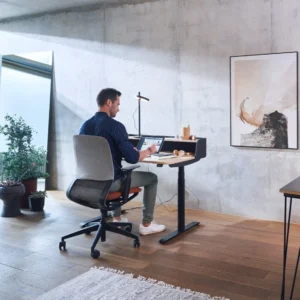
The traditional expectation of employee presence in the office is being challenged by a more nuanced understanding of what truly drives engagement. Wesley Edmonds, drawing upon her background in interior design and commercial workplace consulting, emphasized that the design of the physical office space must be intrinsically linked to the actual needs of employees throughout their workday. "The office has to earn the commute," Edmonds stated, encapsulating the sentiment that physical presence alone is no longer a sufficient draw.
Edmonds articulated that a truly effective workplace design should accommodate a spectrum of work activities. This includes providing private spaces for focused tasks or confidential conversations, flexible areas for collaborative team gatherings, and informal settings that foster social connection and reinforce organizational culture. When these essential elements are lacking, the rationale for an employee to undertake the journey to the office becomes increasingly difficult to justify, particularly in an era where remote and hybrid work models have become commonplace.

Her perspective was significantly shaped by her personal experience during the COVID-19 pandemic, navigating childcare responsibilities with a newborn and a three-year-old. This period of intense personal demand led her to question the long-held assumption that employees would naturally gravitate towards the office due to collegial relationships or a perceived positive company culture. The reality, as Edmonds observed, is that employees are managing a complex web of personal obligations, including family care, errands, and the needs of aging parents, all of which compete for their limited time. While an appealing office environment can certainly contribute to employee satisfaction, it is only one piece of a much larger puzzle. This reality places an increased onus on workplace designers and organizational leaders to ensure that the time employees invest in being physically present at work is demonstrably valuable and productive.
For Edmonds, the solution lies in adopting a human-centered design philosophy. This approach prioritizes understanding the diverse needs of individuals and creating physical environments that directly support the specific types of work they are undertaking. This might involve offering a variety of workspace typologies, from quiet zones to collaborative hubs, and ensuring that the technology and amenities available are conducive to a range of work styles. The implication is that a thoughtfully designed office is not merely a backdrop for work, but an active facilitator of it.
Beyond Good Intentions: Practical Approaches to Mental Health
The principle of understanding and meeting employee needs extends equally to the critical domain of mental health. Melissa Doman, an organizational psychologist and founder of The Workplace Mental Health Method, argued that companies must move beyond broad pronouncements of wellness and instead address mental health as a tangible and actionable workplace issue.
Doman highlighted that an employee’s mental well-being has a direct and measurable impact on key organizational outcomes, including productivity, team morale, the effectiveness of communication and collaboration, and the capacity for innovation. Given that organizations are fundamentally composed of people, proactively supporting their mental health is not just a compassionate endeavor but a strategic imperative for organizational success.

However, Doman also sounded a note of caution, advising leaders against encouraging employees to disclose personal mental health struggles without first establishing a foundation of psychological safety and support within the workplace. She posited that before initiating conversations about mental health, leaders should conduct an honest assessment of their organizational environment. Key questions to consider include: Have employees historically felt supported when they have discussed their emotional well-being? Have individuals faced negative repercussions or professional setbacks for doing so?
The answers to these questions can provide crucial insights into whether the workplace is genuinely equipped to handle such sensitive discussions. Doman stressed that employees also need to be empowered with knowledge about their rights and encouraged to reflect on their motivations for sharing personal information. This includes considering what details are truly necessary, who the information should be shared with, and what outcomes they hope to achieve from such disclosures.
This nuanced perspective is particularly relevant in the current climate, where many organizations are actively striving to cultivate psychologically healthy work environments. The risk of encouraging openness without providing practical guidance or establishing clear protocols is that both employees and managers can be left feeling uncertain and ill-equipped, potentially leading to negative experiences rather than positive outcomes. Data from the World Health Organization consistently shows a strong correlation between poor mental health and reduced productivity, underscoring the business case for proactive mental health support. For instance, a 2022 report by the WHO estimated that depression and anxiety disorders cost the global economy US$1 trillion each year in lost productivity. This reinforces Doman’s argument that mental health support needs to be integrated into the operational fabric of the workplace.
A Historical Lens on Workplace Dynamics
Angela R. Howard, founder of Call for Culture and a prominent organizational culture strategist, offered a broader historical perspective, questioning the novelty of many contemporary workplace debates. Howard pointed to a wealth of historical evidence suggesting that criticisms regarding the work attitudes of younger generations are not a new phenomenon.

She referenced historical documents and newspaper clippings dating back to the 1800s that voiced similar complaints about young people being perceived as lazy or unwilling to work. While the specific details and generational labels may evolve, Howard argued that many of the fundamental demands for a positive work experience – such as fair compensation, dignity, respect, and equitable treatment – have remained remarkably consistent across different eras.
Howard suggested that organizations can often find themselves expending valuable energy and resources by treating each generation as if it has conjured entirely unprecedented workplace challenges. Instead, she proposed that leaders could achieve greater efficacy by examining the underlying human needs that have persevered through generations.
One notable shift Howard observed in contemporary work dynamics is the growing inclination among some younger workers, particularly Gen Z, to question the extent to which their personal identity should be intrinsically linked to their employment. She noted a trend where younger generations may be seeking to imbue their lives with meaning and purpose from sources outside of their professional roles, prioritizing social connections and personal pursuits.
This observation prompts a deeper organizational introspection: Why has work, in many societal structures, become the primary conduit for an individual’s sense of identity and purpose? This question challenges organizations to consider their role in shaping employee identity and to foster environments where individuals can find fulfillment through a variety of avenues, both within and beyond the workplace. This perspective aligns with sociological research indicating a shift in values, where work-life balance and personal well-being are increasingly prioritized over traditional career advancement narratives.
The Foundational Principle: Person-Centric Workplace Design
When viewed collectively, the insights shared by Edmonds, Doman, and Howard offer a potent framework for navigating the future of work. The expectations employees bring to their work arrangements are not formed in a vacuum. Their decisions regarding where and how they choose to work are profoundly influenced by a confluence of factors, including their family responsibilities, the physical and psychological environments they inhabit, their relationships with colleagues and superiors, and the broader role that work plays in their overall life satisfaction.
For organizations aiming to thrive in this evolving landscape, a comprehensive workplace strategy must extend far beyond the formulation of attendance policies or the offering of superficial employee perks. A truly effective office environment needs to provide tangible and compelling reasons for employees to be present. Mental health initiatives require more than just well-intentioned rhetoric; they necessitate practical, actionable guidance and robust support systems. Similarly, the cultivation of a positive and resilient organizational culture must acknowledge and address the enduring, fundamental expectations that employees have carried across generations.
The common thread running through these expert perspectives is remarkably straightforward: before leaders can effectively ask what employees can contribute to the organization, they must first gain a deep and empathetic understanding of what employees genuinely need from their work and their employers. This shift from an organization-centric to a person-centric approach is not merely a trend, but a fundamental evolution in how we conceive of and construct the workplace of the future. By prioritizing the holistic needs of individuals, organizations can foster environments that are not only more productive and resilient but also more humane and sustainable in the long term. The implications for talent attraction, retention, and overall organizational health are profound, suggesting that a deeper investment in understanding and meeting employee needs will yield significant returns.