In a significant move to support talent acquisition professionals navigating the evolving landscape of higher education and corporate recruitment, Yello, a leading provider of recruiting technology, has introduced three new virtual event hosting options. These integrated functionalities, now part of Yello’s Event Management tool, are designed to empower campus recruiters to maintain engagement with candidates despite the widespread shift to virtual learning models across colleges and universities worldwide. The rollout comes strategically timed for the crucial upcoming campus recruiting season, providing essential tools for recruiters to adapt and thrive in an increasingly digital environment.
The Paradigm Shift: From Campus Green to Digital Screen
The genesis of Yello’s latest innovation lies in the unprecedented global circumstances that began unfolding in early 2020. The COVID-19 pandemic triggered a swift and dramatic transformation across nearly every sector, with education and recruitment being profoundly affected. As universities transitioned rapidly to online learning to ensure the safety of students and staff, the traditional methods of campus recruitment—on-site career fairs, in-person information sessions, and face-to-face interviews—became largely unfeasible. This necessitated a fundamental reevaluation of how companies connect with and recruit emerging talent from academic institutions.
Before the pandemic, campus recruiting was a cornerstone of talent acquisition strategies for many organizations, particularly those seeking to build robust pipelines for entry-level positions, internships, and rotational programs. Recruiters would spend weeks traveling to campuses, attending career fairs bustling with students, hosting intimate networking events, and conducting rounds of interviews in university career services offices. The tactile experience of meeting candidates in person, assessing their non-verbal cues, and allowing them to experience a company’s culture firsthand was considered invaluable. However, the sudden pivot to virtual learning erased these opportunities overnight, leaving recruiters scrambling for alternative solutions.
This abrupt change presented significant challenges. Companies faced the daunting task of maintaining their employer brand presence on campus, ensuring a continuous flow of qualified applicants, and providing an engaging candidate experience, all without the benefit of physical interaction. The logistical hurdles of organizing virtual events, managing registrations, ensuring seamless technology, and tracking candidate engagement across disparate platforms became a major pain point for talent acquisition teams. The market quickly signaled a demand for integrated, user-friendly solutions that could replicate, and perhaps even enhance, the traditional campus recruiting experience in a virtual setting.
Yello’s Strategic Response and Chronology
Responding directly to these urgent market needs, Yello began development on its integrated virtual event hosting capabilities, aiming to deliver a robust solution that could bridge the gap created by the shift to remote environments. By mid-2020, as the reality of a prolonged virtual academic year solidified, Yello officially rolled out its three new features, making them immediately accessible to users of its Event Management platform. This timely release underscored Yello’s agility and its commitment to supporting its clientele through rapidly changing industry dynamics. The intention was clear: to equip recruiters with the necessary technology to conduct successful virtual recruiting events, just as the crucial fall campus recruiting season—a period typically characterized by intense recruitment activity—was set to begin. This proactive approach positioned Yello as a responsive innovator in the recruitment technology space.
Integrated Virtual Event Hosting: A Trio of Solutions

Yello’s integrated virtual event hosting offers a versatile suite of tools, each tailored to different recruitment objectives and audience sizes, all consolidated within its existing Event Management platform. This integration eliminates the need for recruiters to juggle multiple software applications, streamlining the entire process from planning to post-event analytics.
1. Host Livestreams for Large Audiences: Scaling Reach and Engagement
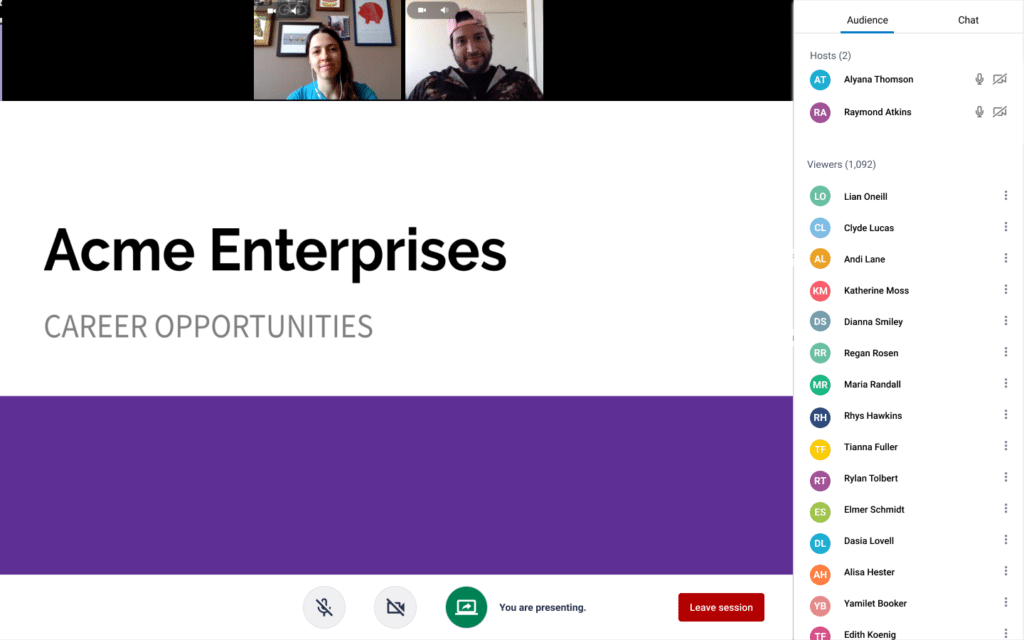
Designed primarily for recruitment marketing initiatives, Yello’s livestream functionality empowers organizations to host large-scale virtual events directly within the Yello platform. This includes common formats such as information sessions, webinars, panel discussions, and keynote addresses. The system automatically generates unique meeting links and seamlessly embeds registration details into all candidate communications, simplifying the logistical burden for recruiters.
The benefits of this feature are manifold. For companies looking to maximize their reach, a livestream can accommodate hundreds, or even thousands, of attendees simultaneously, far exceeding the capacity of most physical venues. This scalability is crucial for broad employer branding campaigns, allowing organizations to share their culture, mission, and career opportunities with a vast, diverse audience of potential candidates. Recruiters can utilize screen-sharing capabilities for dynamic presentations, while integrated Q&A features allow for real-time interaction, enabling attendees to pose questions and receive immediate responses. This interactivity helps to maintain engagement, even in a large virtual setting.
Crucially, all interactions and attendee data from these livestreams are automatically tracked within Yello, providing a comprehensive view of candidate engagement. This eliminates the manual data entry often associated with third-party webinar tools, ensuring data accuracy and saving significant recruiter time. For example, a company hosting a "Day in the Life" webinar can easily track which candidates attended, their engagement levels, and follow up with personalized communications, all from a single dashboard. This streamlined approach allows recruiters to focus on content delivery and candidate interaction rather than technical logistics. The integrated nature means no additional software downloads or separate logins are required for either recruiters or candidates, offering a smooth and intuitive user experience.
2. Conduct Interactive Video Conferencing Sessions: Fostering Deeper Connections
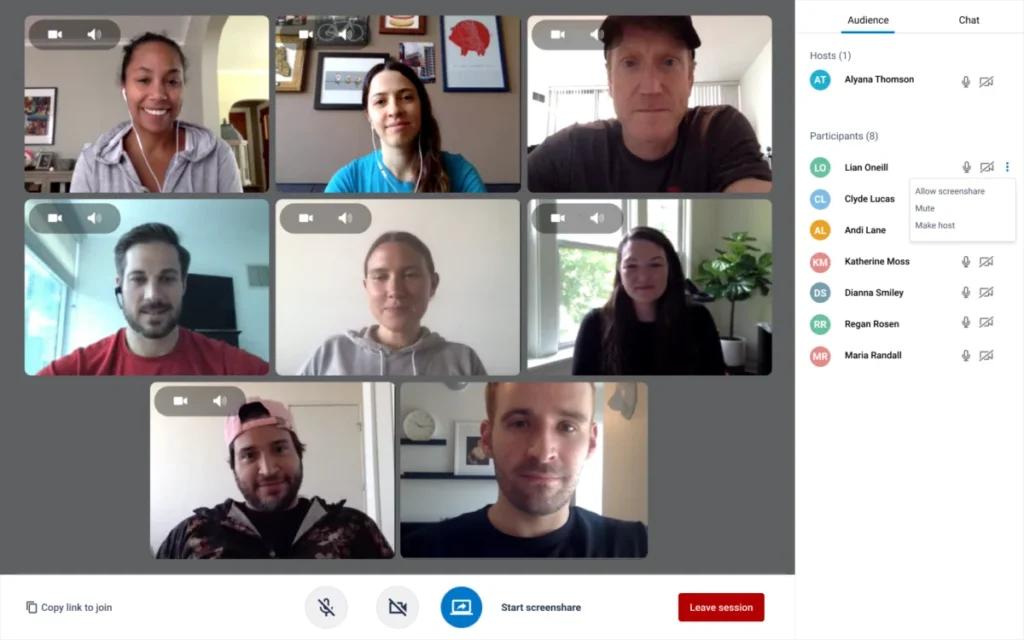
For recruitment activities that demand a higher degree of interaction and collaboration, Yello’s interactive video conferencing sessions provide a robust solution. These sessions are specifically designed for relationship-building scenarios such as alumni networking events, hackathons, group interviews, and case study competitions. Unlike the broadcast-style livestreams, these sessions encourage active participation from all attendees, fostering more intimate and dynamic exchanges.
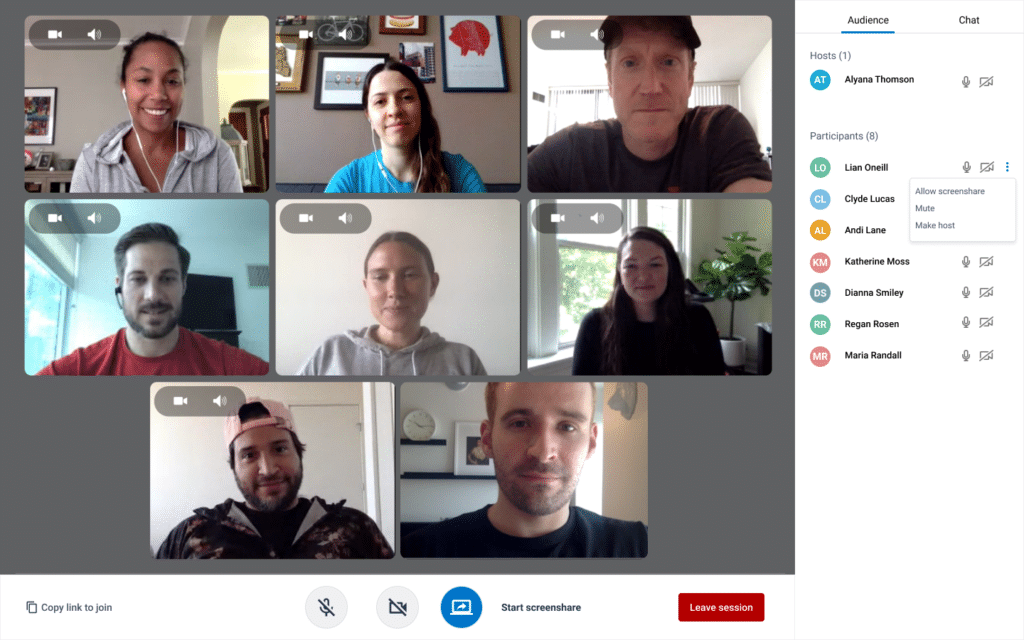
Supporting up to 55 participants, these interactive virtual events come equipped with collaborative tools like group chat and screen-sharing, enabling real-time teamwork and discussion. For instance, in a virtual hackathon, teams of candidates can utilize screen-sharing to present their solutions, while recruiters can observe their problem-solving skills and teamwork dynamics in real-time. Similarly, during group interviews, recruiters can facilitate discussions and assess how candidates interact with peers, providing insights into their communication and interpersonal skills—qualities often difficult to gauge in a one-on-one virtual interview.
The focus here is on creating a personalized and engaging experience that mirrors the collaborative nature of many modern workplaces. By facilitating smaller, more interactive groups, companies can build stronger relationships with promising candidates, allowing for more in-depth discussions and assessments. This format is particularly effective for evaluating soft skills, cultural fit, and collaborative potential, which are increasingly critical hiring criteria. The integrated nature within Yello means that all candidate interactions and assessments from these sessions are automatically recorded and linked to their profiles, providing a holistic view of their journey through the recruitment pipeline.
3. Add Conferencing Details from Third-Party Tools: Flexibility and Integration
Recognizing that many organizations have established preferences for specific virtual meeting platforms or wish to leverage existing social media channels, Yello also provides the flexibility to integrate details from third-party conferencing tools. This option is ideal for companies that already utilize platforms like Zoom, Microsoft Teams, Google Meet, or those wishing to host events on social media livestreams such as YouTube Live or LinkedIn Live.
As part of Yello’s streamlined event creation workflow, recruiters now have dedicated fields to input and automatically share conferencing details from these external tools. This ensures that all event-related communications—from initial invitations to confirmation emails and reminder notifications—include the correct links and access information for the chosen platform. This capability is critical for providing a seamless candidate experience, as it minimizes confusion and reduces the chances of candidates missing events due to incorrect links.
This feature also empowers companies to leverage their existing digital infrastructure and brand presence. For example, a company with a strong following on LinkedIn can host a live Q&A session directly on LinkedIn Live, integrating the event details through Yello to manage registrations and candidate tracking efficiently. This flexibility ensures that organizations are not locked into a single technology stack and can choose the best tool for each specific event, while still benefiting from Yello’s centralized event management and candidate tracking capabilities. It represents a pragmatic approach, acknowledging the diverse technological ecosystems within which recruiters operate and ensuring compatibility rather than imposing uniformity.
Supporting Data and Market Trends in Virtual Recruitment
The shift to virtual recruiting is not merely a temporary measure but a fundamental transformation accelerated by recent global events. Data from various industry reports underscores this trend. A 2020 survey by Gartner found that 86% of organizations were conducting virtual interviews, and 68% were conducting virtual onboarding. Similarly, a report by the National Association of Colleges and Employers (NACE) indicated a significant increase in virtual career fairs and online recruiting events among employers. The benefits driving this shift are compelling:
- Expanded Talent Pool: Virtual events remove geographical barriers, allowing companies to reach candidates from a much wider range of institutions and locations, fostering greater diversity and inclusion.
- Cost Efficiency: Eliminating travel, venue rental, and associated logistical costs can lead to substantial savings for recruiting budgets. A report by Talent Board indicated that virtual hiring processes can reduce recruitment costs by up to 50%.
- Time Savings: Recruiters can manage more events and interact with more candidates in less time, enhancing overall efficiency.
- Data-Driven Insights: Integrated platforms like Yello allow for comprehensive tracking of candidate engagement, attendance, and feedback, enabling more informed decision-making and continuous improvement of recruiting strategies.
However, challenges remain, particularly around maintaining personal connection and ensuring technological equity. Yello’s multi-faceted approach aims to address these by offering diverse engagement formats, from large broadcasts to intimate interactive sessions, alongside flexible integration options.
Statements and Reactions
While specific quotes from Yello leadership or client recruiters were not provided in the original content, the introduction of these tools inherently suggests a proactive stance from Yello. A hypothetical statement from a Yello executive might emphasize the company’s commitment to innovation and customer success: "At Yello, we are dedicated to empowering recruiters with the tools they need to succeed, regardless of the challenges they face. The rapid shift to virtual learning demanded an equally agile response in talent acquisition. Our new integrated virtual event hosting options are a direct result of listening to our clients and anticipating the future of recruiting, ensuring they can continue to build robust talent pipelines with efficiency and engagement."
From the perspective of a recruiter using Yello, the reaction would likely be positive, focusing on the ease of transition and integrated functionality. A hypothetical recruiter might state: "The move to virtual recruiting initially felt daunting, but Yello’s new features have made the transition incredibly smooth. Being able to host everything from large info sessions to small group interviews, all within one platform, saves us so much time and ensures all our candidate data is consistently tracked. It’s allowed us to maintain our recruiting momentum and connect with students more effectively than ever before."
Candidates, too, would likely appreciate the accessibility and variety of engagement options. "Virtual events have made it so much easier for me to explore different companies without having to travel," a hypothetical student might remark. "And with platforms like Yello, the process feels professional and seamless, making it easy to learn about opportunities and interact with recruiters."
Broader Impact and Implications for the Future of Recruitment
Yello’s introduction of these virtual recruiting tools signifies more than just an adaptation to a temporary crisis; it represents a significant step towards the permanent evolution of talent acquisition. The pandemic has accelerated trends that were already emerging, pushing virtual and hybrid models to the forefront of recruitment strategy.
The Hybrid Future: Even as physical campus activities gradually resume, it is highly probable that a hybrid recruiting model will become the new standard. Companies will likely leverage virtual events for initial outreach, broad information sessions, and early-stage screening, reserving in-person interactions for later-stage interviews, experiential learning, and relationship-building with top candidates. Yello’s tools are well-positioned to support such a hybrid approach, offering flexibility to blend virtual and physical touchpoints seamlessly.
Enhanced Candidate Experience: The diversified engagement options provided by Yello allow for a more personalized and accessible candidate experience. Students who might not have been able to attend an on-campus event due to geographical distance, scheduling conflicts, or disabilities can now participate fully. This inclusive approach broadens access to opportunities and allows companies to tap into a more diverse talent pool.
Data-Driven Recruitment: The emphasis on integrated tracking within Yello reinforces the growing importance of data analytics in recruitment. By capturing comprehensive data on candidate engagement across all virtual events, organizations can gain deeper insights into the effectiveness of their strategies, optimize their outreach, and make more informed hiring decisions. This data-centric approach moves recruitment away from intuition and towards evidence-based practices.
Competitive Edge: For Yello, this strategic enhancement solidifies its position as a key player in the recruitment technology market. By providing an all-in-one solution for virtual campus recruiting, it offers a distinct advantage to its clients, enabling them to remain competitive in the fierce battle for top talent. As other platforms scramble to offer similar functionalities, Yello’s early and integrated approach offers a robust and mature solution.
In conclusion, Yello’s comprehensive suite of virtual recruiting event tools is a timely and critical response to the dramatic shifts in global education and talent acquisition. By offering scalable livestreams, interactive video conferencing, and flexible third-party integrations, Yello not only helps recruiters adapt to the present challenges but also lays a strong foundation for the future of recruitment—one that is more accessible, efficient, and data-driven. The ongoing transformation of campus recruiting underscores the enduring need for innovative technology solutions that empower organizations to connect with the next generation of talent, regardless of physical boundaries.