The corporate landscape frequently presents a paradoxical scenario where organizations heavily invest in human resources and talent acquisition expertise, only to sideline that knowledge when critical decisions arise. This pervasive issue, characterized by a recruiter’s data being overridden by a hiring manager’s “gut feel,” or executive leadership dismissing process improvements without due consideration, perpetuates a cycle that ultimately leads to employee disillusionment and attrition. Such dynamics erode the strategic potential of HR functions, reducing them to mere compliance departments rather than integral drivers of organizational success.
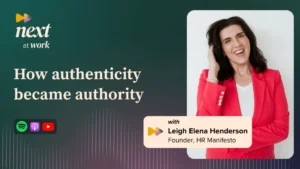
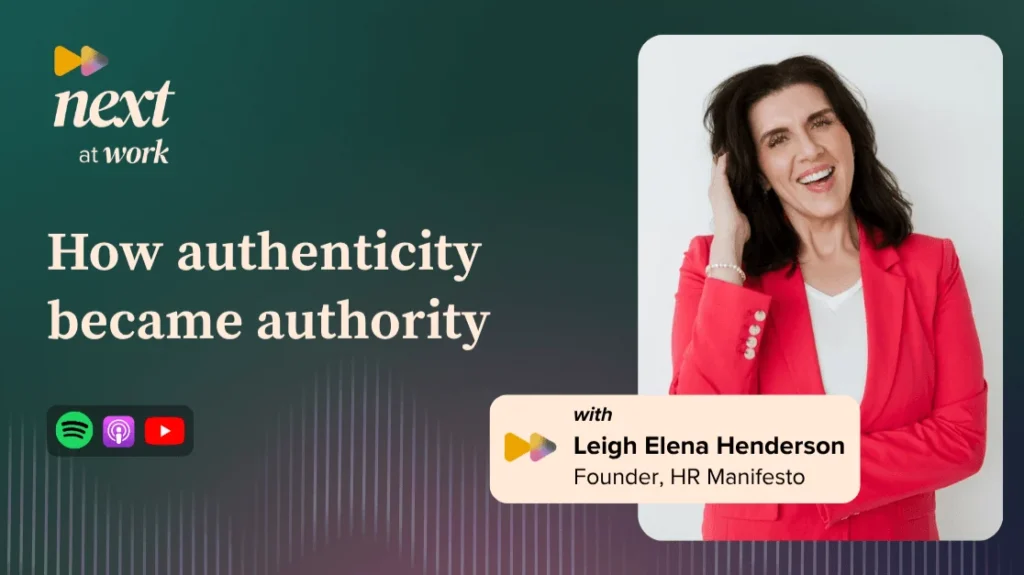
Leigh Elena Henderson, the influential creator behind HR Manifesto, a digital platform boasting over 2 million followers, has spent two decades observing and dissecting this fundamental trust problem across numerous Fortune 100 companies. Her journey, chronicled in a recent episode of the Next at Work podcast hosted by Brendan Jeannetti, offers a candid and unfiltered perspective on why this trust deficit persists and, crucially, what actionable steps are required to remedy it. Henderson’s insights extend beyond mere critique, detailing her unexpected rise as a social media phenomenon and outlining practical strategies for building resilient, effective HR practices in an increasingly complex business environment. Her forthcoming book, Workable: Leave Toxicity Behind and Build a Career That Works for You, slated for publication by HarperCollins on January 19, 2027, promises to be a definitive guide for navigating and escaping toxic workplace cultures.
Leigh Elena Henderson: From Corporate Executive to Digital Disruptor
Henderson’s professional trajectory is a testament to both the challenges and opportunities within the HR domain. With nearly 20 years of experience as an HR executive, she provided strategic support to multiple Fortune 100 corporations, including industrial giants like GE Aviation and defense contractor Lockheed Martin. During this extensive period, she gained firsthand experience with the operational complexities and strategic imperatives of large-scale enterprises, alongside the systemic issues that often plague HR functions. Educated at Texas A&M University’s Mays Business School and based in San Antonio, Texas, Henderson’s early career was marked by adherence to established corporate norms, navigating the intricate hierarchies and political landscapes inherent in such organizations.
A pivotal moment in Henderson’s career occurred in 2020 when she was terminated from a startup role. In her own words, this dismissal was due to her being "smarter than the founder," a frank assessment reflecting a clash between data-driven expertise and perhaps, an founder’s untested intuition. This experience, which she describes as a "toxic workplace survival" story, became a catalyst for a radical career pivot. Rather than retreating from the professional world, Henderson embraced a new medium. In June 2021, she downloaded TikTok, initially conceiving it as a creative outlet to test content for a book she was contemplating. This experimental venture quickly gained unexpected momentum, transforming into a viral phenomenon.
Today, HR Manifesto has cultivated a robust community of nearly 2 million followers across various social media platforms. Henderson’s success lies in her willingness to offer unfiltered takes on corporate toxicity and leadership, sharing candid stories and leveraging humor to address topics that mainstream HR discourse often shies away from. Her mission is profoundly communal: to build a supportive network and equip individuals with the tools to navigate their careers without feeling isolated. The forthcoming book, Workable, is designed to directly address the thousands of direct messages she receives from followers grappling with toxic environments, providing a roadmap for positive career change.
The Core Problem: A Pervasive Absence of Trust
When probed by Brendan Jeannetti about the single most damaging issue facing HR and talent acquisition today, Henderson’s response was unequivocal: the absence of trust. This isn’t merely a scarcity of HR professionals; rather, it’s a fundamental lack of belief among executive leadership in HR’s strategic capabilities and expertise. This perception gap is profound, impacting resource allocation, strategic influence, and ultimately, organizational performance.
Insight 1: Expertise Without Authority – The High Cost of Disregard
Henderson’s extensive corporate tenure revealed a consistent pattern: executive leaders and C-suite decision-makers frequently fail to acknowledge HR and talent acquisition as fields requiring scientific rigor and specialized knowledge. Instead of recognizing advanced degrees, empirical data, and strategic foresight, they often perceive HR as a purely administrative function, concerned primarily with "pizza parties and paperwork." This dismissive view grants implicit permission to override expert judgment on crucial matters ranging from process design and budget allocation to overarching talent strategy, even when compelling data points to alternative courses of action.
Consider the common scenarios: a recruiter presents sophisticated analytics demonstrating the efficacy of a particular sourcing strategy, only to see it disregarded. A talent leader proposes a new, evidence-backed interview framework, developed through months of meticulous preparation, yet faces inexplicable resistance from executives who lack direct involvement or a clear rationale for their skepticism. These patterns are not isolated incidents; they are systemic, stifling innovation and impeding progress within organizations. The consequences are far-reaching, directly impacting a company’s ability to attract, retain, and develop top talent.
The Real Cost of a Trust Deficit:
The erosion of trust is not a superficial problem; it has tangible and severe financial and operational repercussions. When leaders distrust their HR and TA teams, they withhold essential resources—be it budget, autonomy, or executive support—necessary for these teams to fulfill their mandates effectively. This creates a dual-layered problem:
- Stifled Innovation: Sound ideas and data-driven initiatives, capable of propelling the organization forward, are either rejected outright or poorly implemented, leading to missed opportunities.
- Burnout and Attrition: The most competent HR and TA professionals become ensnared in a perpetual battle for credibility, expending valuable energy on internal advocacy rather than focusing on their core responsibilities. This persistent struggle leads to burnout, dissatisfaction, and ultimately, the departure of top talent. What remains is an HR function relegated to mere compliance, devoid of strategic influence, which inevitably compromises hiring quality and organizational resilience.
Strategies for Rebuilding Trust:
Henderson advocates for concrete actions to bridge this trust divide:
- Visibility of Wins: HR and TA teams must proactively and explicitly highlight their successes to leadership. Whether it’s reduced attrition rates, improved hire quality, or faster time-to-hire metrics, these achievements must be clearly articulated and attributed to HR’s strategic efforts. Leaders often require explicit connections between HR work and broader business outcomes.
- Clarity on Decision-Making: Differentiate between HR’s advisory and enforcement roles. For instance, clarify that HR does not unilaterally terminate employees but rather ensures due process and documentation when a manager initiates such a request. This distinction helps leadership understand HR’s supportive function versus its decision-making authority.
- Coalition Building: Henderson emphasizes the power of cross-functional alliances. Involve partners from product development, finance, and operations in discussions about workforce needs. Executive leaders often react more favorably when critical needs are voiced by non-HR departments, validating the importance of HR initiatives from diverse perspectives.
Insight 2: AI as a Capacity Enabler, Not a Replacement Strategy
The advent of Artificial Intelligence (AI) has presented both immense opportunities and significant misconceptions within the HR sphere. Henderson cautions against two prevalent pitfalls: organizations that erroneously believe AI can entirely replace HR functions, and those that implement AI tools without streamlining existing processes, thereby increasing rather than reducing workload.
The AI Adoption Trap:
The current discourse surrounding AI in HR is often characterized by both overhype and misunderstanding. Some organizations mistakenly view AI as a panacea that can automate entire departments, leading to potentially disastrous attempts at wholesale replacement. Conversely, many companies adopt new AI tools merely as additions to their existing technology stacks, failing to remove any outdated or redundant processes. This results in scenarios where recruiters are simultaneously leveraging new AI tools, manually updating legacy systems, and managing both, effectively doubling their workload. This approach represents an expansion of "busy work" rather than genuine innovation.
Henderson’s framework for effective AI integration is simple yet profound: adoption plus removal. When introducing a new technological solution, it is imperative to identify and eliminate what it replaces. What manual processes can be retired? Which tasks can be fully automated, freeing up human capacity? This ruthless focus on removal is crucial, particularly for lean HR teams or individuals managing disproportionately heavy workloads, allowing them to truly leverage AI for enhanced productivity and strategic focus.
Why Strategic AI Adoption Matters:
AI tools only deliver a return on investment if they create capacity, not merely add to it. The common oversight is skipping the critical audit phase—the rigorous examination of existing workflows to determine what is genuinely valuable and what can be discarded. This audit provides an invaluable opportunity for HR leaders to become agents of organizational change. By visibly demonstrating the "adoption plus removal" model, HR can set a precedent for other departments, fostering a culture of efficiency and continuous improvement across the enterprise.
Practical Steps for AI Integration:
- Pre-Purchase Audit: Before investing in any new AI tool, conduct a thorough audit of current team activities. Document every manual process, every report generated, and every bottleneck that impedes efficiency. Then, critically assess which of these can be eliminated or significantly streamlined with superior AI-powered tools.
- Visible Removal: When introducing a new AI solution, explicitly communicate not only its capabilities but also what it replaces. Showcase the "before-and-after" impact to leadership, emphasizing reduced steps, faster outcomes, and decreased complexity. This transparency reinforces the value proposition of AI.
- Specific Value Identification: Henderson identifies AI’s most potent applications in HR as ideation (e.g., identifying trending topics in employee feedback), advanced analytics, and administrative tasks like travel planning. The key is to leverage AI for data-driven insights and mundane automation, preserving human judgment for complex, nuanced decisions that require empathy, critical thinking, and ethical considerations.
Insight 3: Burned-Out Leaders Burn Out Their Teams
The conversation around sustainable leadership is increasingly critical in today’s demanding work environment. Henderson underscores the fundamental importance of boundaries and self-care, not as luxuries, but as essential components of effective and enduring leadership.
The Reality of Sustainable Leadership:
Henderson’s current personal goal isn’t external achievement, but the diligent maintenance of the boundaries she has painstakingly established. Her two decades in corporate roles often involved sacrificing personal well-being for organizational demands, leading her to abandon hobbies like playing the violin and choir, and forsaking creative pursuits. Her forced exit from corporate life served as an awakening, revealing the profound importance of boundaries and the possibility of true recovery.
She is explicit about her non-negotiables: ample rest and relaxation, dedicated self-care, sufficient sleep, and a focus on "eustress" (positive, growth-inducing stress) rather than debilitating chronic stress. These vital components of well-being are unattainable if leaders constantly accept every request and remain perpetually accessible. Henderson observes that the most effective leaders she has encountered are not those who indiscriminately say "yes" to every demand, but rather those who deliberately protect time for their teams to recover and innovate. Leaders who neglect their own well-being inevitably create a culture of burnout within their teams.
The Long-Term Cost of Neglecting Well-being:
Recovery is not an optional perk; it is a physiological and psychological necessity. This is particularly true for neurodivergent individuals, like Henderson who openly shares her ADHD diagnosis, who require structured time for regulation and reset. However, even neurotypical leaders require consistent periods of rejuvenation. When leaders fail to model and protect boundaries, they implicitly signal that such boundaries are illegitimate or secondary, encouraging their teams to adopt similar unsustainable work patterns. Over time, this leads to an exodus of top talent, leaving behind a workforce composed of individuals who may be unaware of healthier alternatives. The imperative for leaders is to embody sustainable practices, demonstrating that excellence and personal well-being are not mutually exclusive.
Strategies for Protecting Well-being:
- Define Recovery: Leaders must articulate what recovery truly means for them. For some, it involves solitude and creative endeavors; for others, it’s quality time with family or a complete digital detox. This understanding should be specific and intentionally integrated into one’s schedule, treated with the same priority as a critical client meeting.
- Visible Boundaries: Henderson consciously maintains transparency about protecting her calendar and personal time. When teams observe their leaders actively upholding the boundaries they advocate, it empowers them to adopt similar practices without fear of reprisal or judgment.
- Challenge the "Busy" Culture: The notion of "busyness" as a status symbol must be actively challenged. Henderson advises that persistent stress, rather than manageable challenge, is a definitive warning sign that something in one’s approach—be it delegation, hiring, or scope management—needs to change. Prioritizing well-being requires courageous decisions to offload, redistribute, or redefine responsibilities.
Leigh’s Unfiltered Take: Why Authenticity is Non-Negotiable
Corporate environments often demand a degree of conformity, prompting individuals to suppress their authentic voices, personalities, and thoughts to align with professional expectations. Henderson candidly admits to spending two decades adhering to this unspoken rule. However, her transition to social media marked a profound shift. She embraced an unfiltered, unscripted, and ad-libbed communication style, complete with the expressive language and mannerisms that were previously muted in corporate settings. This authenticity resonated deeply, attracting nearly 2 million followers who sought genuine connection over polished, corporate-speak.
Henderson posits that the leaders and HR professionals who will exert the greatest influence in the coming years are those courageous enough to embrace authenticity, even when it entails risk. While "filtered leadership" may appear safe and predictable, "authentic leadership" possesses the transformative power to drive meaningful change, foster deeper trust, and inspire genuine engagement.
Connecting and Looking Ahead
The full Next at Work episode featuring Leigh Elena Henderson is available on major podcast platforms including Apple Podcasts, Spotify, and YouTube. The podcast is produced by Workable, a comprehensive talent platform designed to streamline hiring and people management with clarity, speed, and confidence. Workable’s AI-backed solution integrates recruiting (ATS, sourcing, HRIS, and interview tools), employee management, time-off tracking, and payroll preparation, serving over 30,000 companies across more than 100 countries.
Leigh Elena Henderson continues to expand her influential community under @hrmanifesto on TikTok, Instagram, and LinkedIn, advocating for the authentic, supportive, and effective HR landscape she believes is essential for the modern workforce. Her anticipated book, Workable: Leave Toxicity Behind and Build a Career That Works for You, publishing on January 19, 2027, through HarperCollins, is poised to become a vital resource for individuals seeking to reclaim agency in their careers and for organizations committed to fostering truly human-centric workplaces. Her work underscores a critical juncture in the evolution of HR, emphasizing that trust, strategic AI integration, sustainable leadership, and authenticity are not just desirable traits, but foundational pillars for organizational success and employee well-being in the 21st century.