Europe’s return-to-office movement is gaining momentum, with employees increasingly acknowledging the workplace as a hub for productivity. However, a critical disconnect is emerging: many workers are returning to offices that, despite higher attendance, are failing to deliver the focused environment they need. This paradox, highlighted by recent data from global real estate services firm JLL, suggests that simply increasing physical presence in offices is insufficient to foster a truly productive and positive employee experience.
According to JLL’s latest report, average weekly office attendance across Europe has climbed to 3.2 days per week, a notable increase from the 2.7 days recorded in the previous year. Correspondingly, the proportion of employees who believe the office environment enables productive work has also risen, reaching 73% from 70% a year prior. This upward trend in attendance and perceived productivity suggests a strategic shift by both employers and employees towards embracing the office as a vital component of the modern work landscape. The rationale behind this shift is multifaceted. Social interaction and in-person collaboration remain significant drivers, with 63% of respondents citing socializing as a primary reason for coming to the office, closely followed by internal meetings, which were mentioned by 55%. These figures underscore the enduring value placed on face-to-face interactions for team cohesion, idea generation, and organizational culture.
However, a deeper analysis of employee activities once in the office reveals a growing chasm between intent and reality. Employees are reportedly spending approximately 70% of their time on individual work and virtual calls. This stark reality contrasts with the primary reasons for office attendance, creating a fundamental misalignment. The perceived effectiveness of offices for focused, deep work has consequently seen a slight dip, falling from 66% to 64%. This suggests that while employees are physically present, the office environment itself is not optimally designed to support the very tasks that constitute a significant portion of their workday. This situation raises questions about the long-term sustainability of current office strategies if they fail to address the practical needs of the workforce.
The persistent challenges of commuting also continue to be a major impediment to fuller office adoption. Commute time remains the most significant obstacle for 48% of respondents, with commute cost cited by 29%. These practical considerations are likely influencing employee willingness to commute, even as they acknowledge the benefits of office presence. The increasing attendance figures, therefore, might reflect a growing imperative from employers or a desire for specific in-office activities, rather than a universal embrace of the traditional office model.
Noise and Distractions Emerge as Key Workplace Detractors
The issue of workplace quality, particularly concerning the ability to concentrate, is becoming increasingly pronounced, with the European region (EMEA) standing out. JLL’s research indicates that EMEA recorded the lowest overall Human Experience score among the regions measured, standing at 88. This score, a composite measure of various workplace factors, suggests that employees in this region are experiencing a comparatively lower quality of their office environment.

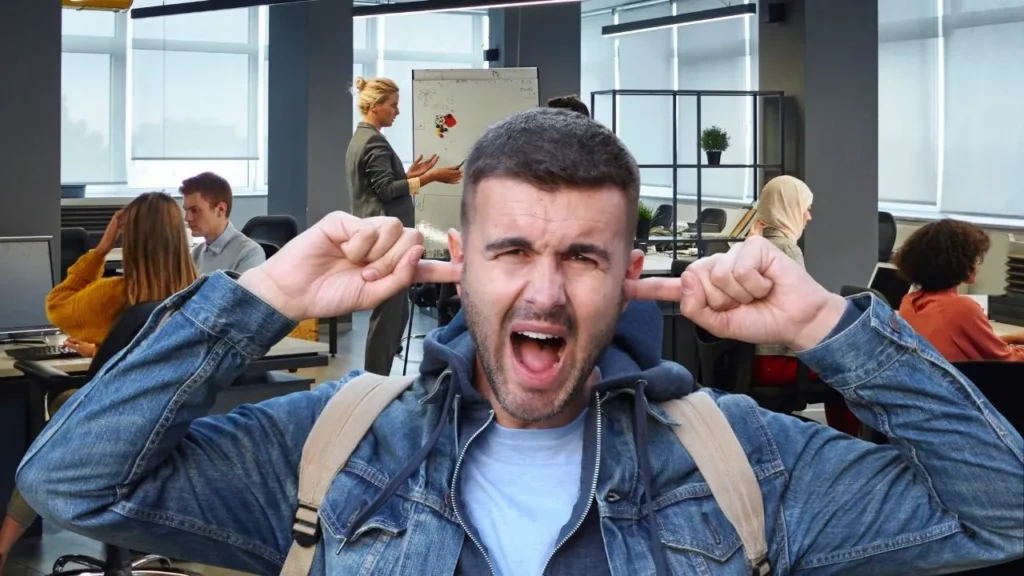
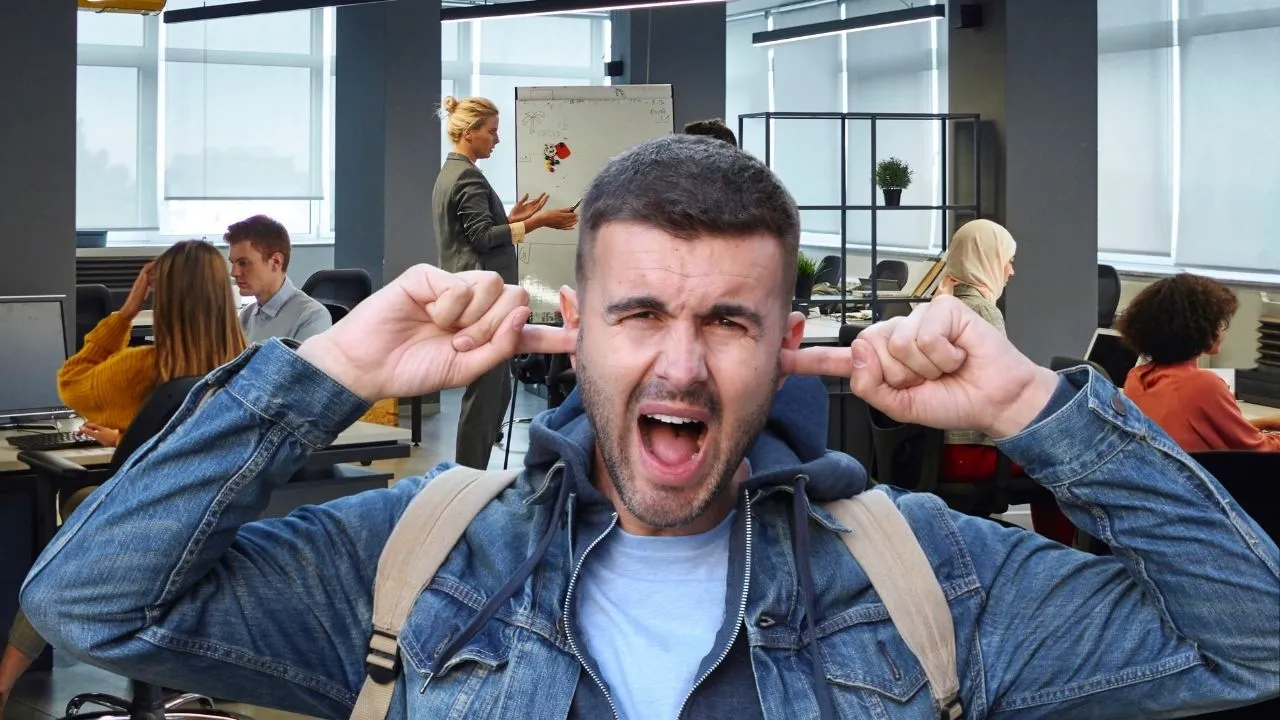
Within EMEA, acoustics and sound privacy were identified as the two lowest-performing workplace factors. This indicates that the open-plan office designs, prevalent in many modern workplaces, are struggling to mitigate noise pollution and provide the necessary auditory privacy for employees to concentrate. The constant hum of conversations, keyboard typing, and movement can significantly disrupt focus, leading to decreased productivity and increased stress. In a world where virtual meetings and individual deep work constitute a substantial part of the workday, an environment that actively hinders concentration is counterproductive.
Further compounding the issue, employees also reported problems with meeting rooms and their associated equipment. Meeting rooms ranked seventh among the weakest workplace factors in JLL’s assessment. This could encompass issues such as insufficient availability, outdated technology, poor acoustics within the rooms, or inadequate booking systems. The demand for smaller meeting rooms is also on the rise, with JLL observing an increase in the share of allocated space for rooms designed for two to four people, which has grown from 39% to 43%. This trend suggests a shift towards more intimate, focused collaboration or private calls, rather than large, formal boardrooms.
The increased utilization of meeting rooms for individual work, a consequence of the lack of quiet spaces, can exacerbate the problem of availability. When meeting rooms, intended for collaborative purposes, are occupied by individuals seeking solitude, it creates a bottleneck for teams needing to connect and brainstorm. This further strains already limited resources and contributes to employee frustration. The paradox of higher attendance is thus amplified when the very spaces employees seek for specific activities are either unavailable or unsuitable.
The Evolving Role of the Office: Beyond Social Hubs
The findings from JLL’s report paint a clear picture: increasing office attendance alone is not a panacea for a thriving workplace. The core challenge lies in the quality and adaptability of the office environment itself. Offices must evolve to become more than just social gathering points; they need to be versatile spaces that can effectively support a diverse range of work activities. This includes facilitating seamless collaboration, enabling productive virtual meetings, and, crucially, providing conducive environments for focused, individual work.
For employers aiming to encourage more time spent onsite, a more nuanced approach is required. This involves a strategic re-evaluation of office design and amenities. Key areas that demand closer attention include:
- Acoustic Design: Implementing sound-absorbing materials, creating designated quiet zones, and exploring sound masking technologies can significantly improve the acoustic environment. This is paramount for reducing distractions and enabling concentration.
- Privacy and Quiet Areas: Beyond formal meeting rooms, providing a variety of spaces for focused work, such as individual pods, quiet lounges, or reservable private offices, can cater to diverse individual needs.
- Meeting Room Strategy: Optimizing meeting room allocation based on the growing demand for smaller, more intimate spaces is essential. Ensuring these rooms are equipped with reliable technology and are readily available through efficient booking systems is also critical. The current trend suggests a need to rebalance the ratio of large conference rooms to smaller collaboration spaces.
- Technology and Amenities: Upgrading audio-visual equipment for virtual meetings, ensuring robust Wi-Fi connectivity, and providing comfortable, ergonomic furnishings are fundamental to a productive workplace. Beyond these, amenities that enhance the employee experience, such as access to healthy food options, fitness facilities, or well-designed breakout areas, can also contribute to the overall appeal of the office.
The implications of these findings are significant for the future of work. As companies continue to navigate the post-pandemic landscape, their investment in physical office spaces must be guided by a deep understanding of employee needs. The rising cost of real estate and the ongoing debate around return-to-office mandates necessitate that these spaces deliver tangible value. If offices are to justify the commute and the associated costs for employees, they must offer an experience that is demonstrably superior to working from home in terms of productivity, collaboration, and well-being.

The JLL report serves as a timely reminder that the "productivity paradox" is a real and growing concern. While employees are returning to offices in greater numbers, the quality of these spaces is failing to keep pace with the evolving demands of modern work. Companies that prioritize thoughtful office design, focusing on acoustics, privacy, and versatile workspaces, will be best positioned to not only attract their workforce back but also to foster an environment where genuine productivity and employee satisfaction can flourish. The success of future office strategies hinges on this critical ability to adapt and deliver on the promise of a truly productive and engaging workplace.
The trend towards increased office attendance, while positive for fostering a sense of community and collaboration, is inherently linked to the perceived value of the physical workspace. As employees dedicate time and resources to commuting, they are increasingly scrutinizing whether the office environment adequately compensates for these investments. The data suggests that for a significant portion of the workforce, particularly in regions like EMEA, this compensation is currently falling short, primarily due to environmental factors such as noise and a lack of suitable spaces for focused work. This underscores the need for a strategic recalibration of workplace design and management, moving beyond a one-size-fits-all approach to one that embraces flexibility, individual needs, and the diverse spectrum of work activities that define the contemporary professional landscape. The companies that successfully bridge this gap between attendance and an optimized work environment are likely to be the ones that thrive in the evolving future of work.