The burgeoning U.S. data center market, propelled by unprecedented investments in artificial intelligence (AI) and cloud infrastructure, faces a critical bottleneck: a severe shortage of skilled professionals. To address this escalating talent crunch and foster a sustainable workforce pipeline, Kelly Services, a leading global talent solutions provider, has recommended a strategic shift towards recruiting from adjacent sectors such as telecommunications and utility grid operations. This innovative approach seeks to leverage transferable skills present in these related industries to fill the high-demand roles essential for the nation’s digital infrastructure expansion.
The announcement, made on September 3, 2026, by Kelly Services, underscores a pervasive challenge that echoes across numerous high-tech sectors grappling with a supply-demand imbalance in specialized labor. The data center industry, in particular, is undergoing its most significant buildout in history, with projections indicating that data center employment is expected to reach 650,000 positions by the end of 2026, marking a substantial 30% increase from 2023 figures. This rapid expansion, while indicative of technological progress and economic growth, has simultaneously exposed critical vulnerabilities in workforce planning and talent acquisition strategies.
The Unprecedented Data Center Boom and Its Workforce Demands
The current surge in data center development is intrinsically linked to the global proliferation of artificial intelligence, machine learning, big data analytics, and the ever-expanding demands of cloud computing. These technologies require immense computational power and storage capabilities, necessitating the construction and operation of vast, complex data centers. From hyperscale facilities spanning millions of square feet to edge computing nodes designed for localized processing, the physical infrastructure supporting the digital economy is undergoing a transformative expansion.
This boom is not merely about constructing buildings; it’s about engineering highly sophisticated environments that demand specialized expertise across a wide spectrum of disciplines. Roles range from electrical engineers designing intricate power distribution systems and mechanical engineers optimizing cooling solutions, to network architects building high-speed connectivity, cybersecurity specialists safeguarding sensitive data, and highly skilled technicians maintaining complex operational systems 24/7. The demand extends even to the construction phase, requiring proficient project managers, electricians, HVAC technicians, and general construction workers who understand the unique requirements of mission-critical facilities.
Joel Leege, President of Kelly Science, Engineering, Technology & Telecom, emphasized the gravity of the situation, stating in a recent media release, "The biggest constraint is no longer just power, land or equipment. It’s talent." This statement encapsulates the sentiment of an industry where physical resources are being marshaled at an unprecedented rate, only to find the human capital required to design, build, and operate these facilities lagging significantly behind.
Strategic Recruitment from Adjacent Sectors: A Kelly Services Insight
Kelly Services’ analysis reveals a critical disconnect: while 90% of data center operators acknowledge staffing shortages as a major impediment to their growth and expansion plans, many have yet to fully optimize their workforce planning. The report highlights that "workforce planning failure represents the primary cause of delay within organizations’ control." This suggests that a more proactive and imaginative approach to talent acquisition is not just beneficial but imperative.
The recommendation to tap into adjacent sectors such as telecommunications and utility grid operations is grounded in the recognition of transferable skill sets. Professionals in telecommunications possess strong backgrounds in network infrastructure, fiber optics, data transmission, and system integration – all competencies directly relevant to data center networking and connectivity. Similarly, individuals with experience in utility grid operations bring invaluable knowledge of power generation, distribution, electrical systems, and critical infrastructure management, making them ideal candidates for data center power management, uninterruptible power supply (UPS) systems, and backup generator operations.
By targeting these pools, companies can access a workforce that already possesses foundational technical knowledge, strong problem-solving skills, and experience in high-stakes, always-on environments. While some specialized training would undoubtedly be required, the learning curve is expected to be significantly shorter than training entirely new entrants to the technical workforce. This strategy offers a pragmatic solution to accelerate the onboarding process and rapidly scale up talent pipelines.
Economic Implications and Escalating Compensation
The scarcity of specialized talent has naturally driven up compensation across the data center industry, creating a competitive environment for skilled professionals. Kelly Services’ analysis indicates significant variations in pay across the U.S., with a staggering 46 percentage point difference between regions. For instance, Silicon Valley commands salaries 34.2% above the national average for data center roles, reflecting the intense competition and high cost of living in that tech hub. Conversely, cities like Omaha register salaries 11.8% below the national midpoint, illustrating the geographical disparities in the talent market.
National midpoint estimates for key roles underscore the premium placed on these skills: AI engineers command an estimated $175,000 annually, data center operators $178,000, commissioning program managers $135,000, and construction managers specializing in data centers $128,000. These figures highlight the lucrative career opportunities available within the sector, yet they also emphasize the financial burden on companies striving to attract and retain top talent.
Beyond Monetary Incentives: Holistic Retention Strategies
While competitive salaries are a significant draw, industry executives gathered at a recent virtual event hosted by Construction Dive emphasized that the sheer scale and complexity of data center development necessitate a more holistic approach to recruitment and retention. Staffing a network of interconnected, globally distributed data centers is vastly different from managing a single large project. To that end, employers are increasingly offering a suite of incentives designed to foster long-term commitment and address common career challenges.
These incentives include formal mobility programs for professionals willing to relocate for remote projects, acknowledging the geographical dispersion of new data center builds. Student loan repayment assistance programs are gaining traction as a powerful tool to alleviate financial burdens for recent graduates and mid-career professionals looking to upskill. Furthermore, robust career development programs, offering opportunities for continuous learning, certification, and advancement, are crucial for retaining talent in a rapidly evolving technological landscape. By investing in their employees’ growth, companies can cultivate loyalty and ensure their workforce remains at the forefront of innovation.
Broader Workforce Landscape and Inter-Industry Competition
The competition for skilled workers extends far beyond the confines of the data center industry itself. A survey released last month by the National Fire Protection Association (NFPA), which sets standards for fire and electrical safety, indicated that the demand for skilled labor is pulling trained professionals away from other sectors. This broad-based competition underscores a larger national challenge in maintaining a robust skilled trades workforce.

Moreover, the impact of AI’s infrastructure demands is profoundly reshaping hiring timelines. Researchers at Randstad reported in March that the time-to-hire for skilled trade workers essential for AI infrastructure development is now longer than for many knowledge workers. This phenomenon highlights the specialized nature of these roles and the acute shortage of individuals possessing the practical skills required to build and maintain the physical backbone of the digital economy.
A Chronology of Intensifying Demand
The current talent crisis is not an overnight phenomenon but the culmination of several years of accelerating digital transformation.
- Early 2020s: The COVID-19 pandemic significantly accelerated the adoption of cloud services, remote work, and e-commerce, leading to an initial surge in data center demand.
- 2022-2023: The rapid advancements and public availability of generative AI models (e.g., ChatGPT) triggered an unprecedented wave of investment in AI research and deployment, directly translating into increased demand for high-performance computing infrastructure.
- 2023: Industry reports begin to flag potential talent shortages, particularly in construction and operational roles for data centers. Projections indicate a 30% increase in data center employment by 2026.
- March 2026: Randstad reports that time-to-hire for skilled trades in AI infrastructure surpasses that of knowledge workers, signaling a critical bottleneck.
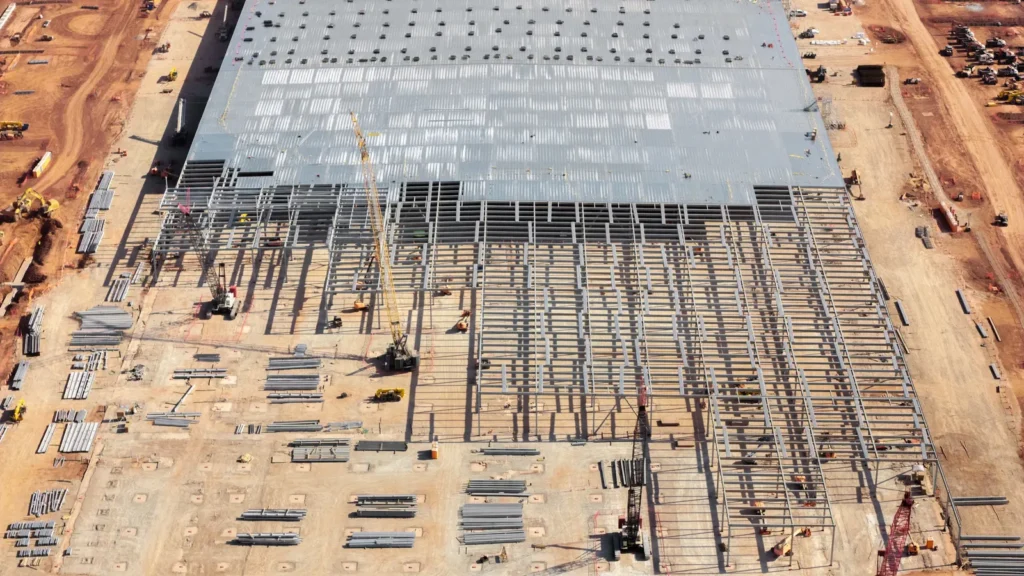
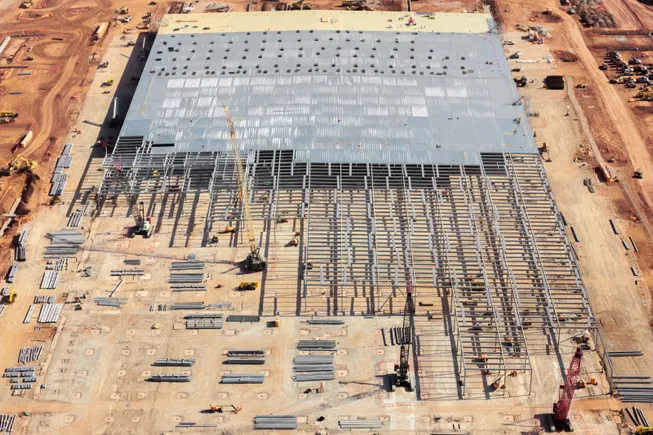
- August 2026: Construction is underway at major facilities like the Stargate Oracle AI data center in Abilene, Texas, showcasing the physical expansion of the sector.
- September 2026: Kelly Services issues its comprehensive analysis, formally recommending recruitment from adjacent sectors as a vital strategy.
This timeline illustrates a consistent upward trajectory in demand, outpacing the organic growth of the skilled workforce.
Broader Implications and Future Outlook
The implications of this talent crisis are far-reaching. Delays in data center construction and operational readiness can impede technological innovation, slow down the deployment of critical AI applications, and potentially hinder economic growth. For regions actively seeking to attract data center investments, the availability of a skilled local workforce becomes as crucial a factor as land, power, and connectivity.
Government bodies and educational institutions are increasingly recognizing this challenge. Efforts are underway to bolster STEM education, fund vocational training programs, and establish public-private partnerships aimed at developing specialized curricula for data center roles. Apprenticeship programs, often seen as a cornerstone of skilled trades development, are being re-evaluated and expanded to specifically cater to the needs of the digital infrastructure sector.
Moreover, the industry itself is exploring how automation and AI tools might mitigate some of the labor demands in the long term, particularly in routine operational tasks. However, this shift will require a workforce capable of managing and maintaining these advanced automated systems, emphasizing the need for higher-level technical skills.
In conclusion, the U.S. data center industry stands at a pivotal juncture. While technological innovation continues to drive unprecedented growth, the human element—the skilled workforce—remains the ultimate determinant of success. Kelly Services’ recommendation to strategically recruit from adjacent sectors offers a pragmatic and immediate pathway to address the talent gap. However, a sustainable solution will require a multi-faceted approach involving aggressive recruitment, competitive compensation, robust retention programs, and a concerted national effort to invest in education and training for the next generation of digital infrastructure professionals. The future of the digital economy hinges on the industry’s ability to not just build more data centers, but to staff them effectively.