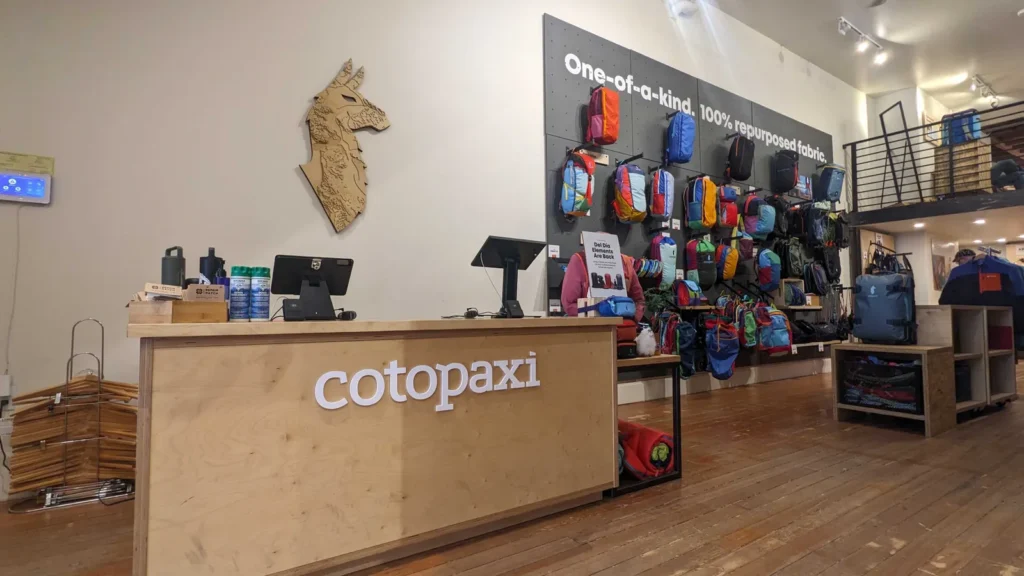
The U.S. fashion industry faces intensifying scrutiny over forced labor risks within its intricate global supply chains, a concern that has surged to the forefront of corporate priorities. According to the U.S. Fashion Industry Association (USFIA)’s 2026 Fashion Industry Benchmarking Study, managing forced labor risks now ranks as the sixth most pressing issue for U.S. fashion companies in terms of sourcing and trade compliance. This marks a significant jump from its tenth position in the 2025 study, signaling a growing awareness and urgency among industry leaders to address these pervasive human rights violations. The escalating focus is driven by a confluence of factors, including stringent new legislation, heightened consumer awareness, and a series of high-profile accusations against major brands, pushing companies like outdoor apparel maker Cotopaxi to implement robust due diligence and remediation strategies.
The Pervasive Threat of Forced Labor in Global Supply Chains
Forced labor, a modern form of slavery, remains a deeply entrenched problem across various industries, particularly within the global supply chains of the fashion sector. The International Labour Organization (ILO) and Walk Free Foundation’s 2022 Global Estimates of Modern Slavery report indicates that an estimated 27.6 million people were in forced labor on any given day in 2021, with a significant portion found in private sector supply chains. The apparel and textile industry is particularly vulnerable due to its reliance on vast, complex, and often opaque supply networks that span multiple countries, frequently utilizing low-wage workers, migrant laborers, and outsourced production. These workers, often desperate for employment, are susceptible to exploitation through deceptive recruitment practices, debt bondage, retention of identity documents, restricted movement, and abusive working conditions. The ILO defines predatory recruitment practices as a key pathway to forced labor, where workers are charged exorbitant recruitment fees, leading to insurmountable debt, or are deceived about the true nature and conditions of their work. This vulnerability is exacerbated in regions with weak labor protections, limited government oversight, and high levels of informal employment.
The human cost of forced labor is immeasurable, but the economic and reputational costs for companies are also substantial. Brands found to be complicit, even unwittingly, face severe backlash from consumers, investors, and regulatory bodies. The rise of social media and investigative journalism has empowered advocacy groups and consumers to demand greater transparency and accountability from corporations, making ethical sourcing a non-negotiable aspect of brand integrity.
A Chronology of Mounting Scrutiny and Corporate Response
The past few years have seen a steady increase in both regulatory pressure and public exposure of forced labor issues within the fashion industry:
- 2013: Rana Plaza Collapse: While not directly a forced labor issue, the collapse of the Rana Plaza factory in Bangladesh, killing over 1,100 garment workers, served as a grim wake-up call for the industry regarding safety and labor conditions, catalyzing a broader movement towards supply chain accountability and transparency.
- 2015: UK Modern Slavery Act: The United Kingdom introduced landmark legislation requiring large businesses to publish annual statements detailing their efforts to combat modern slavery in their supply chains. This set a precedent for corporate reporting on human rights due diligence.
- 2021: Uyghur Forced Labor Prevention Act (UFLPA): The United States enacted the UFLPA, creating a rebuttable presumption that all goods manufactured wholly or in part in China’s Xinjiang Uyghur Autonomous Region are made with forced labor and are thus prohibited from entering the U.S. market. This legislation has significantly impacted textile and apparel sourcing strategies, compelling companies to meticulously map their supply chains to the raw material level, particularly concerning cotton.
- 2022: Cotopaxi’s Proactive Remediation in the Philippines: Early in 2022, a routine third-party audit identified risks associated with predatory recruitment practices at a Tier 1 supplier for Cotopaxi in the Philippines. These risks included limited access to restrooms and pre-employment medical appointments not covered by suppliers. Demonstrating a proactive approach, Cotopaxi, alongside a working group and two other brands sharing the same supplier, engaged a third-party audit and remediation consultancy to address the violations.
- 2023: Shein Under Scrutiny: Ultra-fast fashion brand Shein, known for its rapid production cycles and aggressive pricing, faced intense scrutiny from U.S. senators. Lawmakers probed whether the company’s goods were made using forced labor, particularly concerning cotton sourced from Xinjiang. This highlighted the challenges of transparency in fast-fashion models.
- 2024: Continued Revelations and Remediation:
- Taiwanese Textile Suppliers Investigation: The human rights investigation nonprofit Transparentem published findings from interviews with over 90 migrant workers employed by textile suppliers in Taiwan. This revealed significant forced labor indicators tied to predatory recruitment practices at these facilities. Cotopaxi was identified as one of more than 40 buyers linked to nine Tier 2 and Tier 3 Taiwan-based suppliers where evidence of labor abuses was found.
- Shein’s Child Labor Findings: In a separate incident, Shein reported finding two cases of child labor in its supply chain, leading the brand to suspend orders from the implicated suppliers and launch investigations.
- Skechers Supplier Accusation: A supplier to footwear giant Skechers was also accused of using forced labor, further underscoring the widespread nature of the problem across the apparel and footwear sectors.
- Cotopaxi Philippines Remediation Success: In 2024, Cotopaxi announced the successful completion of the remediation initiative at its Philippine supplier, demonstrating that dedicated, collaborative efforts can yield positive outcomes for workers.
- Cotopaxi Engages in Taiwan: Following the Transparentem report, Cotopaxi actively engaged with its Taiwan-based suppliers in December 2024. The company also joined other brands in seeking in-person conversations with the Taiwan government, the Taiwan Textile Federation, and other foreign policy officials to address abuses at a systemic, policy level.
- 2025-2026: USFIA Benchmarking Studies: The USFIA’s annual studies reflect the industry’s evolving priorities, with forced labor risks climbing significantly in concern, indicating that companies are increasingly recognizing and dedicating resources to this critical issue.
Cotopaxi’s Multi-faceted Approach to Ethical Sourcing
Cotopaxi, an outdoor gear and apparel company, has positioned itself as a leader in ethical sourcing, particularly through its transparent and proactive approach to tackling forced labor. The company’s 2025 ESG report and annually updated supplier data highlight a comprehensive strategy built on several pillars:
-
Rigorous Due Diligence and Transparency: Cotopaxi maintains third-party audits for all its Tier 1 and Tier 2 suppliers, supplementing these with "numerous" onsite visits. This dual approach aims to create better transparency and monitoring across its supply chain. The company publicly lists its suppliers, fostering accountability and allowing external scrutiny. Its five fabric suppliers in Taiwan are part of this transparent network.
-
Facility-Level Remediation: As demonstrated in the Philippines, when issues are identified, Cotopaxi commits to active remediation. This involves collaboration with working groups, other affected brands, and third-party consultancies to implement corrective actions and ensure that violations are addressed effectively, leading to improved conditions for workers.
-
Systems-Level Advocacy and Collaboration: Recognizing that facility-level fixes are insufficient for deep-seated problems like predatory recruitment, Cotopaxi is actively working to address the "root causes" of forced labor at a systems level. This involves:
- Industry Engagement: Collaborating with industry associations like the American Apparel & Footwear Association (AAFA) and peer brands to develop and advance industry-wide standards. A notable example is their work to promote a "No Recruitment Fees" standard across Taiwan, advocating for suppliers to bear the cost of recruitment rather than burdening migrant workers. This directly targets a primary driver of debt bondage.
- Policy Engagement: Engaging with policymakers and governments to advocate for stronger legislation and enforcement. Cotopaxi has publicly supported significant legislation aimed at combating human rights violations in the apparel industry, including California’s Garment Worker Protection Act and the New York Fashion Sustainability and Social Accountability Act. These acts seek to establish greater accountability, wage protection, and supply chain transparency.
- Leveraging Resources: Utilizing its own resources and grant-making activities to support initiatives that strengthen worker protections and combat exploitation.
-
Targeting Predatory Recruitment: The ILO identifies predatory recruitment practices as a critical entry point into forced labor. These practices often involve labor brokers charging excessive fees, confiscating passports, or deceiving workers about job terms and conditions. Cotopaxi’s focus on the "No Recruitment Fees" standard directly confronts this systemic issue, aiming to remove the financial burden on migrant workers that often traps them in cycles of debt and exploitation.
Broader Impact and Implications for the Fashion Industry
The escalating focus on forced labor, as highlighted by the USFIA study and incidents involving brands like Shein, Skechers, and Cotopaxi, has profound implications for the entire fashion industry:
- Increased Regulatory Burden: Companies are facing a growing patchwork of mandatory human rights due diligence laws across the U.S., Europe, and other jurisdictions. This necessitates significant investment in compliance infrastructure, supply chain mapping technologies, and staff expertise. Failure to comply can result in substantial fines, import bans, and legal challenges. The EU’s upcoming Corporate Sustainability Due Diligence Directive (CSDDD) will further expand these obligations, requiring companies to identify, prevent, mitigate, and account for adverse human rights and environmental impacts in their own operations, their subsidiaries, and their value chains.
- Supply Chain Transformation: The traditional model of prioritizing the lowest cost producer is becoming unsustainable. Brands are being forced to re-evaluate their sourcing strategies, prioritize suppliers with robust ethical labor practices, and invest in long-term relationships that foster transparency and trust. This may lead to regionalization of supply chains or greater diversification to mitigate risks associated with specific high-risk regions.
- Reputational Risk and Brand Value: In an era of conscious consumerism, a brand’s ethical standing is increasingly tied to its market value. Allegations of forced labor can severely damage brand reputation, erode consumer trust, and lead to boycotts, impacting sales and long-term viability. Conversely, brands that demonstrate genuine commitment to ethical sourcing can differentiate themselves and appeal to a growing segment of ethically-minded consumers.
- Enhanced Due Diligence and Traceability: Companies must move beyond superficial audits to implement deep-dive due diligence processes that trace products back to their raw material origins. This requires leveraging technology such as blockchain for traceability, investing in on-the-ground human rights impact assessments, and fostering direct relationships with lower-tier suppliers.
- Industry Collaboration and Collective Action: The complexity of global supply chains means that no single company can solve the problem of forced labor alone. The trend towards industry associations, multi-stakeholder initiatives, and peer brands collaborating on shared challenges (as seen with Cotopaxi and the AAFA) is crucial. Collective action can create economies of scale for remediation efforts, establish common standards, and exert greater influence on governments and suppliers.
- Empowerment of Workers: Ultimately, the goal of these efforts is to protect and empower workers. By eliminating predatory recruitment fees, ensuring fair wages, and providing safe working conditions, the industry can contribute to the dignity and well-being of millions of individuals who form the backbone of the global fashion economy. This also involves providing grievance mechanisms and avenues for workers to report abuses without fear of reprisal.
The fashion industry stands at a critical juncture. The rising concern identified by the USFIA study is not merely a statistical anomaly but a reflection of a fundamental shift in expectations from consumers, investors, and regulators. Companies like Cotopaxi, through their proactive engagement in both facility-level remediation and systemic advocacy, are demonstrating a path forward. The challenge remains immense, but the growing collective will to eradicate forced labor offers a glimmer of hope for a more ethical and sustainable future for fashion.