
The artificial intelligence industry is abuzz with anticipation as leading AI firms, OpenAI and Anthropic, signal potential moves toward public offerings. This burgeoning competition, often framed by the dynamic rivalry between their CEOs, has captivated observers eager to understand how these giants will navigate the evolving landscape. However, a compelling counter-narrative suggests that while the focus remains on the foundational AI models, the ultimate winner in the enterprise AI arena might well be Microsoft, due to its strategic emphasis on the "surface" – the integrated application experience and ecosystem surrounding these powerful technologies.

The Fragmented Landscape of Enterprise AI
The enterprise market for AI is not a monolithic entity but rather a complex ecosystem with distinct layers. These can be broadly categorized into three critical components: the AI model itself, the user interface or "surface" that interacts with the model, and the broader ecosystem of applications and integrations that support it.
1. The AI Model: A Specialized Ecosystem Emerges
The initial phase of AI development focused on creating powerful, general-purpose models. However, it’s becoming increasingly clear that a single model cannot efficiently serve all applications. The demand is shifting towards specialized models, optimized for specific tasks and domains.
- Domain-Specific Optimization: Companies are realizing the need for models trained on specific datasets to excel in particular fields. For instance, a pharmaceutical company seeking to understand complex protein structures and advanced genetics requires a model trained extensively in that domain. This contrasts with models optimized for coding, narrative generation, or scientific analysis.
- Beyond Compute: Data is King: Model training is a multifaceted process extending far beyond raw computational power. The collection, meticulous labeling, and refinement of data are paramount. This data-centric approach ensures that models are not only powerful but also relevant and accurate for their intended applications.
- The Rise of Vertical AI: The trend toward vertical specialization is evident. We see models like Anthropic’s Claude setting benchmarks for code generation, while others are being developed for healthcare, biology, or the physical world (robotics, manufacturing, transportation). This implies that businesses will likely need to leverage multiple AI models, rendering the "one-size-fits-all" claim by any single vendor less credible.
- Learning from Specialization: Companies like Galileo, with its AI focused on HR, labor markets, and skills, demonstrate the power of deep specialization. By concentrating on a specific area, Galileo has evolved into an intelligent consultant for human capital challenges, highlighting the long-term value of focused AI development.
2. The AI Surface: The User Experience Reigns Supreme
While the underlying AI models are crucial, their true value is unlocked through an intuitive and effective user experience – the "surface." This layer encompasses the applications, toolsets, integration capabilities, and development environments that make AI accessible and actionable for end-users and IT professionals alike.
- The "AI Harness": This application layer, often referred to as the "AI harness," is critical. It addresses how users interact with AI, including memory management, personalization, user interface design, and seamless integration with external data sources and existing systems.
- Historical Precedent: Microsoft’s PC Dominance: Microsoft’s triumph in the personal computer market offers a powerful analogy. While early competitors introduced groundbreaking technologies, Microsoft’s relentless focus on the application experience of products like Excel, PowerPoint, and Outlook, coupled with a user-friendly graphical interface, ultimately won over the market. The enduring success of its Microsoft 365 suite, with over 450 million paying users, underscores the importance of a polished and integrated application experience.
- Critical Integration Needs: For businesses, the AI surface must seamlessly integrate with existing enterprise resource planning (ERP) systems (SAP, Oracle, Workday), customer relationship management (CRM) platforms (Salesforce, HubSpot), financial software (QuickBooks), and other critical business applications. The ability of an AI solution to connect and leverage data from these diverse systems is paramount.
- The "Agentic" Future: The demand from IT and business leaders is for platforms that not only provide easy-to-use AI tools but also facilitate the development, deployment, and management of "agentic applications." These agents are designed to perform complex tasks autonomously, complementing or replacing existing systems. Crucially, businesses are wary of vendor lock-in in this rapidly evolving market.
3. The Ecosystem: The Power of Interconnectivity
Beyond the model and the surface, a robust ecosystem is vital for enterprise AI adoption. This includes a network of partners, developers, and third-party applications that extend the functionality and reach of AI platforms.
- Building and Connecting: As demonstrated by the development of AI Galileo, customer needs often extend beyond the core platform. Businesses frequently require integrations with their policy databases, leadership models, compliance training, and other internal systems. The ability to build and manage these connections is a key differentiator.
- Partnering for Profit: In the lucrative enterprise AI market, vendors that foster strong partner ecosystems can thrive. These partners can generate revenue by building specialized applications and integrations on top of the AI platform, creating a mutually beneficial relationship.
- The Enterprise Imperative: The overarching sentiment among HR and IT leaders is a desire for AI solutions that are both immediately useful for employees and provide a scalable platform for future development. The emphasis is on building and managing agentic applications that can evolve with business needs, without being tied to a single vendor.
The "Surface" vs. The "Model": A Paradigm Shift
The discourse around AI is shifting from an exclusive focus on the underlying "models" to the more encompassing concept of "surfaces." An AI surface represents the complete application experience – the tools, the speed of response, the user interface, the availability of historical context, and the effectiveness of its semantic connectivity.
- Beyond the LLM: The surface is distinct from the Large Language Model (LLM) itself. It is the application built on top of the AI that ultimately dictates user adoption. The synergy between the surface and the model creates the overall user experience.
- Real-World Integration Challenges: A practical example illustrates this point. An attempted integration of Claude with HubSpot, intended to retrieve customer data and marketing interactions, reportedly failed due to the inadequacy of the "context layer." This failure was attributed to the surface’s inability to effectively query and process data, rather than a deficiency in the Claude model itself.
- The Role of Third Parties: For AI developers like Anthropic and OpenAI, success in the enterprise hinges on their ability to enable third parties – such as ServiceNow, Microsoft, or Accenture – to build robust and valuable surfaces. If these integrations are poorly executed, the underlying AI platform can suffer, hindering adoption.
Microsoft’s Strategic Advantage: The Integrated Copilot Ecosystem
Amidst this evolving landscape, Microsoft has emerged as a significant contender, not solely through its AI models, but through its comprehensive strategy centered on the Copilot ecosystem. While OpenAI and Anthropic are reportedly eyeing substantial revenue figures, Microsoft’s approach to revenue generation and market penetration through its integrated "surface" strategy warrants close examination.
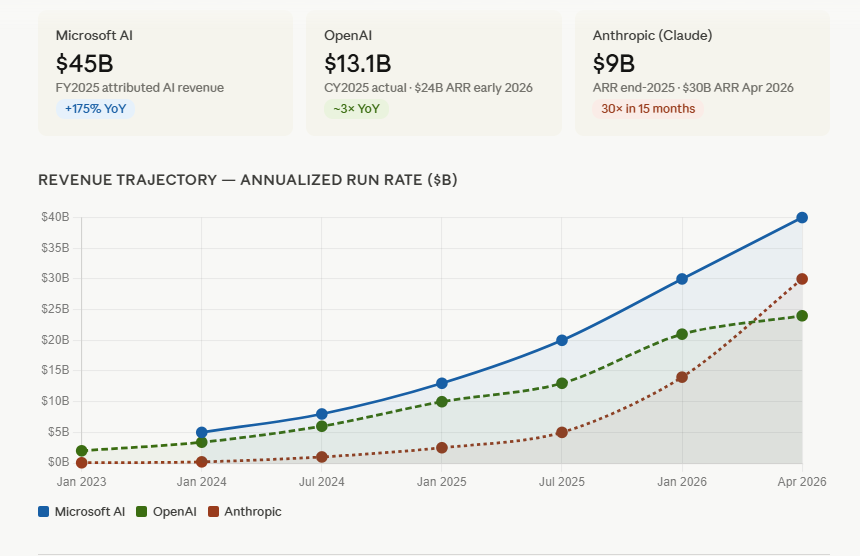
- Revenue Streams in the AI Landscape: Current estimates suggest that OpenAI’s revenue may largely stem from consumer subscriptions, while Anthropic might derive a significant portion from providing AI compute to other providers. In contrast, Microsoft appears to be generating substantial revenue from its "surface" offerings.
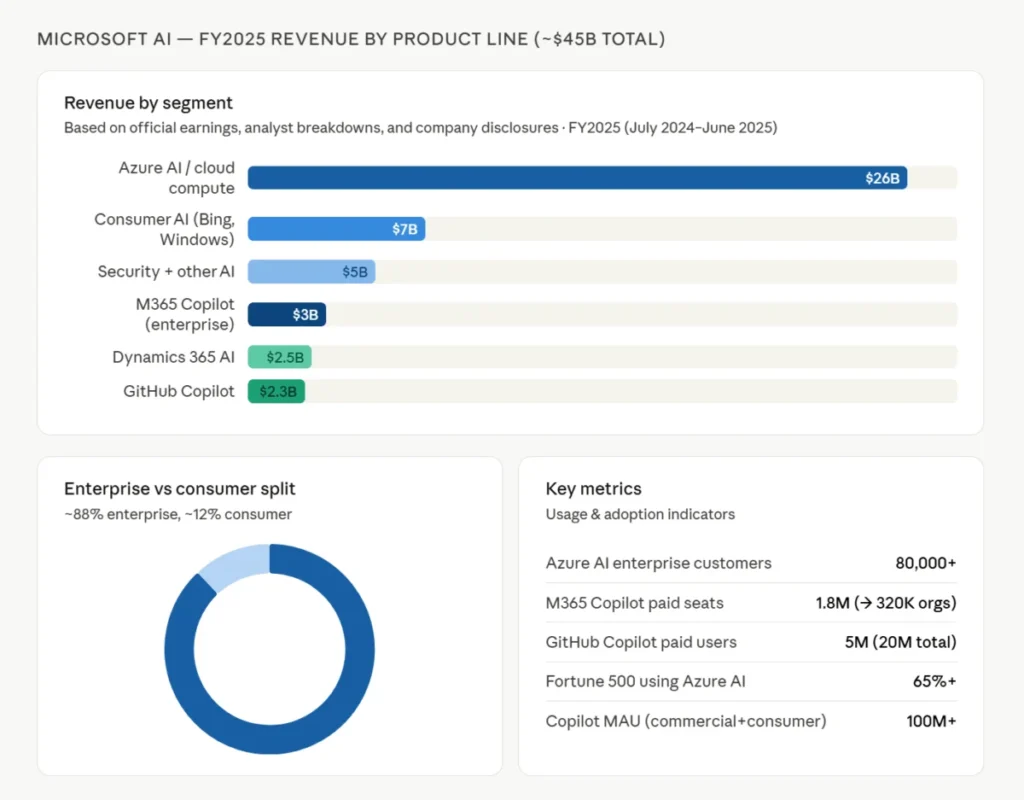
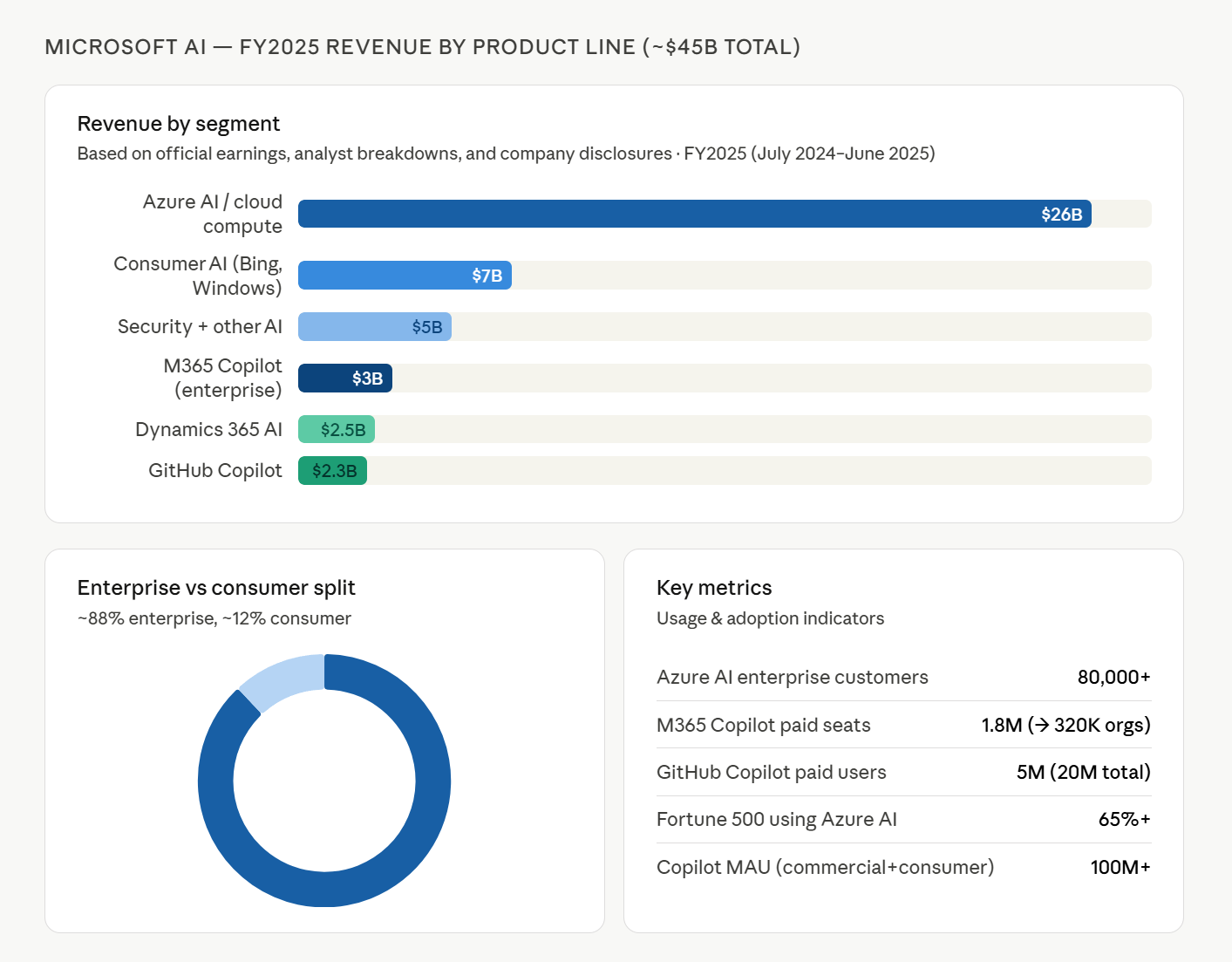
- Copilot’s Financial Impact: Microsoft has reported over 15 million licensed users of its Copilot feature, generating an estimated $4.5-5 billion in annual revenue based on an average price of $25 per month. When combined with fees from Azure API services, Microsoft’s AI-related revenue is projected to exceed $25 billion, with its AI business experiencing robust growth.
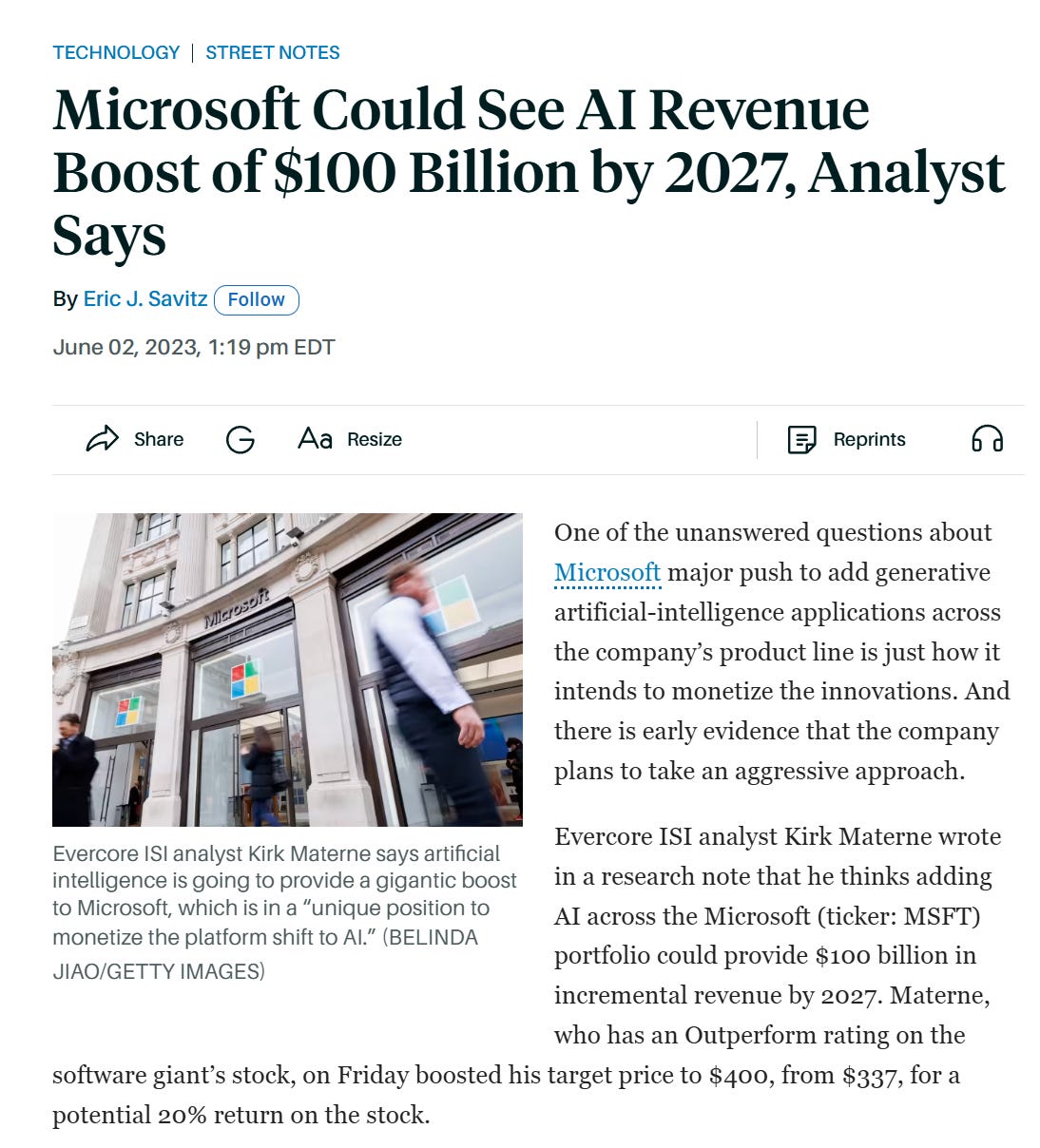
- Projected Growth: Microsoft itself anticipates generating over $100 billion in new AI revenue over the next three years, a figure that some analysts believe could be achieved even faster.
Evolution of Microsoft Copilot: From Components to a Unified Platform
Microsoft’s journey with Copilot showcases a strategic evolution from disparate components to a cohesive, integrated platform.
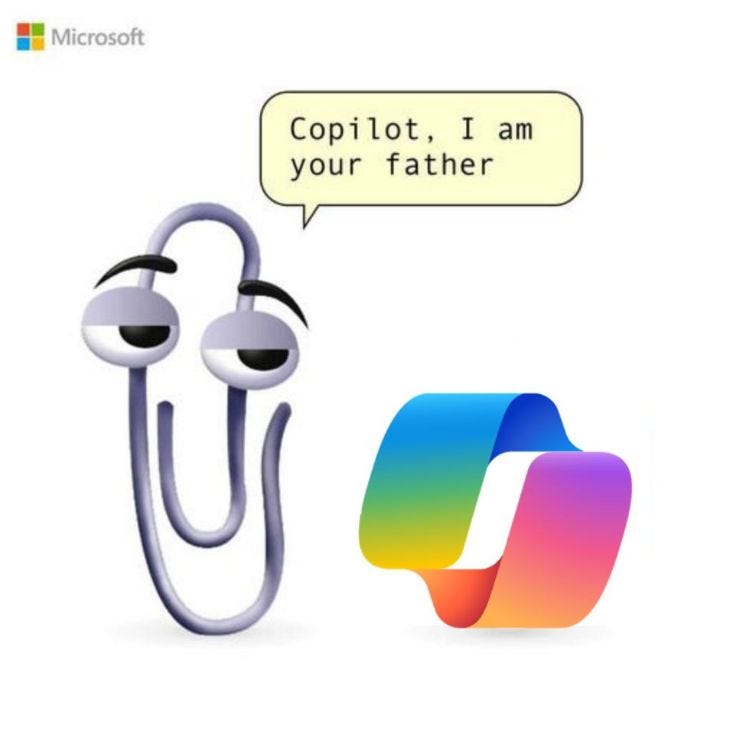
- Early Stages (2022): The initial phase was marked by the significant OpenAI partnership, leading to the integration of ChatGPT into Bing. This was followed by the introduction of Microsoft Copilot, which, in its early iterations, resembled an intelligent assistant akin to the long-familiar "Clippy."
- Broadening the Surface: Microsoft rapidly expanded its Copilot offerings across its product suite, launching versions for Microsoft 365, Dynamics, Excel, GitHub, and other applications. This aggressive rollout of "surfaces" aimed to embed AI capabilities into familiar workflows.
- Developing the Ecosystem: Concurrently, Microsoft invested in tools to enhance its AI ecosystem, including M365 Graph Connectors for data integration and fine-tuning capabilities for data optimization. This period saw a flurry of product launches, sometimes creating a perception of fragmentation.
- Strategic Reorganization: Recognizing the need for a more unified approach, Microsoft underwent a significant reorganization. Satya Nadella consolidated Copilot product teams into a single organization, a move designed to streamline development and align strategies. This allows Microsoft to operate more like Nvidia, with integrated engineering layers supporting a singular vision.
- Leadership Consolidation: The leadership structure was also revamped, with dedicated teams now focused on the overall Copilot platform, M365 applications, and agent enablement. This integrated leadership is poised to drive greater corporate and consumer value.
Why Microsoft is Poised for Continued Success
Microsoft’s strategic focus on the integrated AI surface positions it for continued growth in the enterprise market for several key reasons:
- Integrated Enterprise Toolset: The corporate world demands a comprehensive suite of tools that includes desktop applications, development environments, IT management capabilities for AI agents, and seamless connectivity to legacy systems. Microsoft, through its extensive partner network and initiatives like WorkIQ and Agent365, is building this integrated solution.
- Developer Ecosystem: The vast application development community is actively seeking integrated tools. ERP, financial, productivity, and analytics vendors are increasingly looking to build APIs and integrations into the "Copilot-land" ecosystem. While navigating the various Microsoft APIs (Teams, Graph, WorkIQ, Fabric) can be complex, the path toward integration is becoming clearer.
- End-User Experience: The current Copilot experience is continuously improving, and Microsoft’s commitment to enhancing its user interface design is evident. The goal is to present a unified and intuitive AI experience that integrates seamlessly into the Microsoft desktop environment, moving beyond its current "Frankensteinish" appearance towards a more polished aesthetic.
- Accelerated Partner Network: As Microsoft opens up its Copilot platform with new APIs, its partner network is expected to expand significantly. Corporate cloud vendors, concerned about being disrupted by AI agents, are likely to seek opportunities to integrate with and leverage the Copilot framework.
Microsoft’s Value Proposition: Beyond Basic AI
Microsoft’s strategic advantage extends beyond simply providing access to AI models. Its value proposition is built on several key pillars:
- Deep Research and Contextualization: Features like the "Researcher" button, which leverages the Microsoft Graph, enable deep analysis of user data (calendars, emails, etc.) to provide contextual advice and insights. As these capabilities are enhanced with memory and context, they offer significant value to individuals and leaders.
- Intelligent Routing and Optimization: New Microsoft Agents are being developed to compare queries across different AI models, helping users optimize for cost and performance. Over time, these agents will be capable of decomposing complex AI tasks and distributing them to the most suitable models.
- Agentic Interface for Productivity Suites: The ability to interact with complex documents in Word, PowerPoint, and Excel through Copilot, enabling tasks like data analysis, report generation, and graph creation, represents a significant advancement. This extends the "in-app" Copilot experience across the entire Microsoft productivity suite.
- Intelligent Context Layer for Enterprise Applications: The forthcoming WorkIQ API will allow companies to import and build custom "context" into Copilot. This integration transforms Copilot into a truly agentic system for specific business functions like HR, finance, and sales, enabling personalized and automated workflows.
By integrating its AI models with a robust, user-centric "surface" and fostering a comprehensive ecosystem, Microsoft is strategically positioning itself to capture a dominant share of the enterprise AI market. While the competition between AI model developers intensifies, Microsoft’s focus on the holistic application experience and its deep integration into existing enterprise workflows suggests a potent strategy for sustained leadership in the age of artificial intelligence.







