The cost of essential goods and services, from fuel and transportation to housing and food, has surged dramatically, yet wage growth has lagged significantly behind, raising questions about whether this is a temporary anomaly or a deeper, systemic issue. The stark reality is that many households are finding it increasingly difficult to maintain their standard of living, forcing retirees back into the workforce and putting immense pressure on workers and families nationwide.

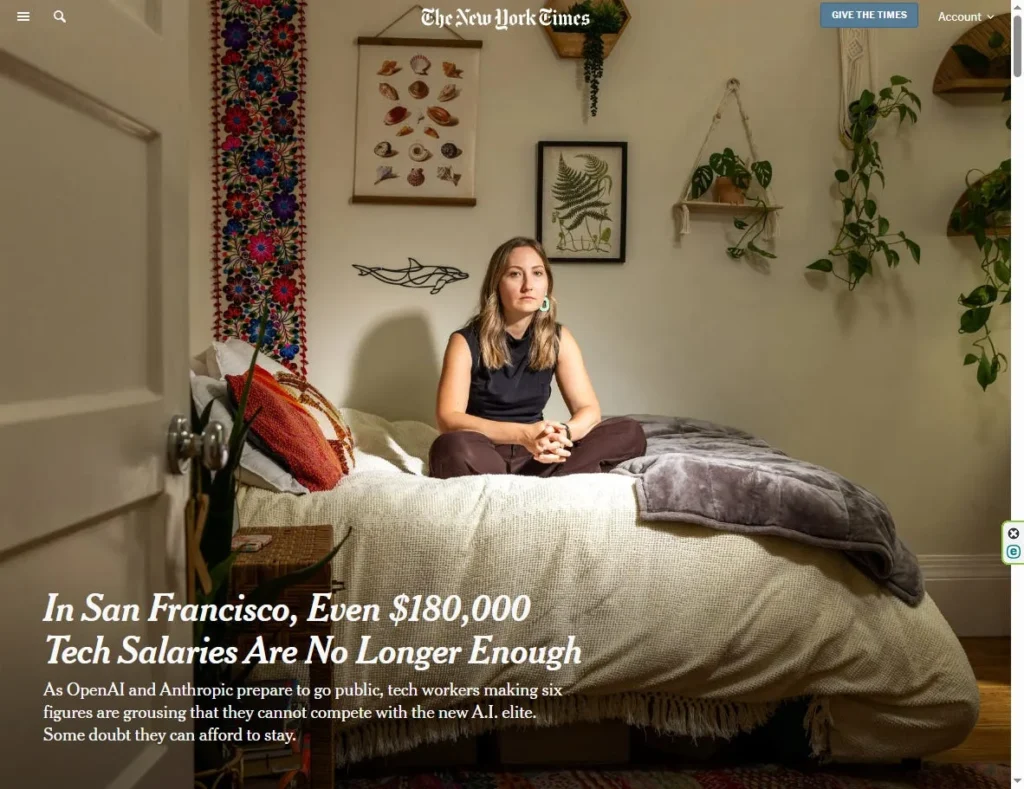
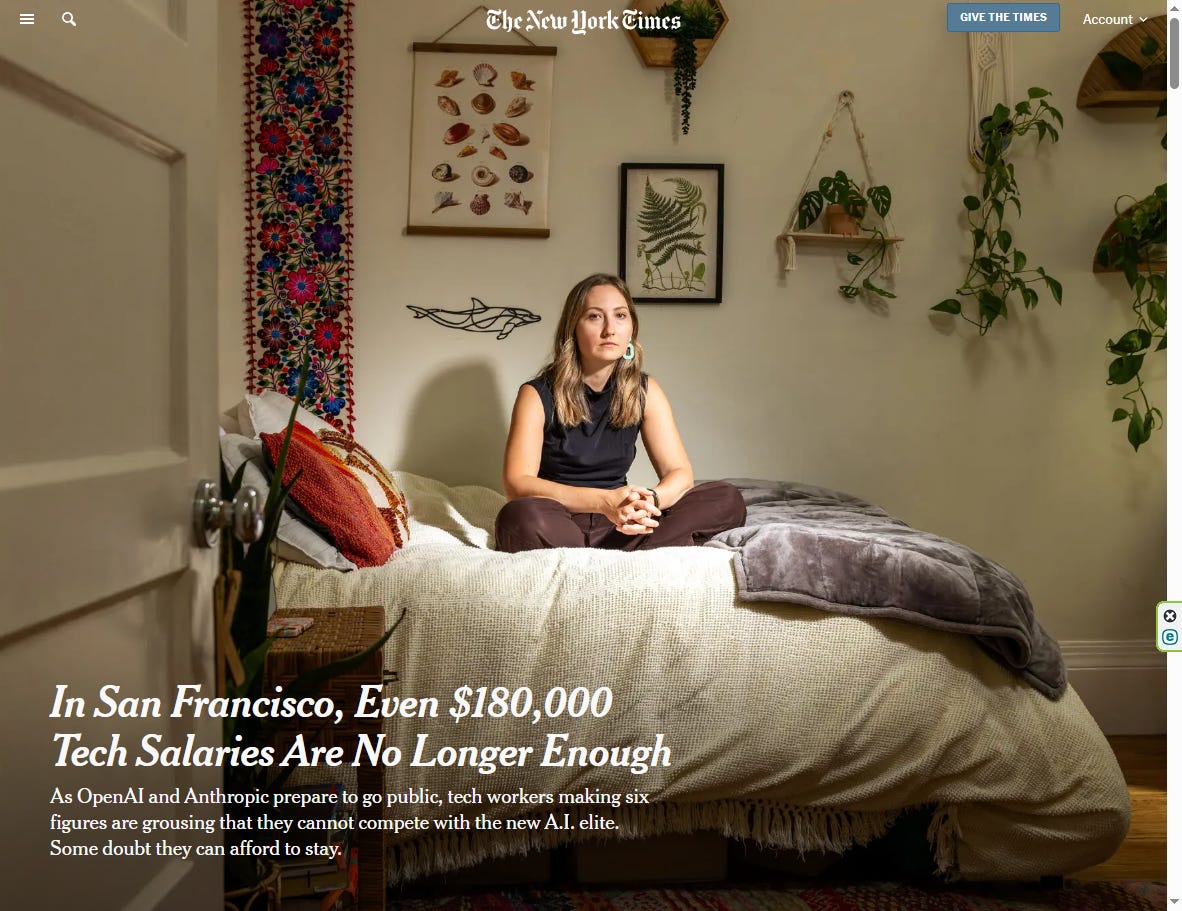
A recent analysis by The New York Times highlighted the severity of the housing affordability crisis, noting that in San Francisco, a household income of $370,000 is reportedly insufficient to secure a desirable apartment. This challenge is not confined to a single metropolitan area; it reflects a national trend where the cost of living continues to outpace earnings. Data for the current year (2026) reveals a significant uptick in prices: gas prices have risen by 24%, energy costs by 27%, airline fares by 26%, and even staple goods like fruits and vegetables have seen a 5% increase. In stark contrast, average private sector wages have only grown by a modest 3.5%.
This widening gap between expenses and income has a profound impact across demographics. For workers, it means a diminished ability to save, invest, or even cover basic necessities. For families, it translates to difficult choices between essentials and discretionary spending, impacting educational opportunities and overall quality of life. Retirees, who have planned for a period of financial stability, are now finding their savings eroded by inflation, leading to a phenomenon termed "unretirement." According to AARP, 7% of retirees have re-entered the workforce in 2026, with an additional 12% of seniors returning to work this year, primarily driven by the inability to afford escalating healthcare, food, and energy costs.
The roots of this economic disjunction are complex and have been developing for decades. As micro-economists and business consultants who engage daily with large employers, we’ve observed this trend closely. The current situation is not merely episodic; it is the culmination of a long-term economic trajectory where the benefits of productivity gains have not been equitably distributed.
Decades of Eroding Purchasing Power
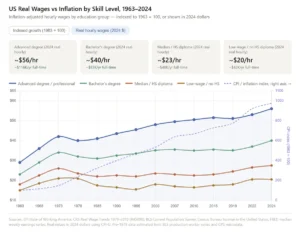
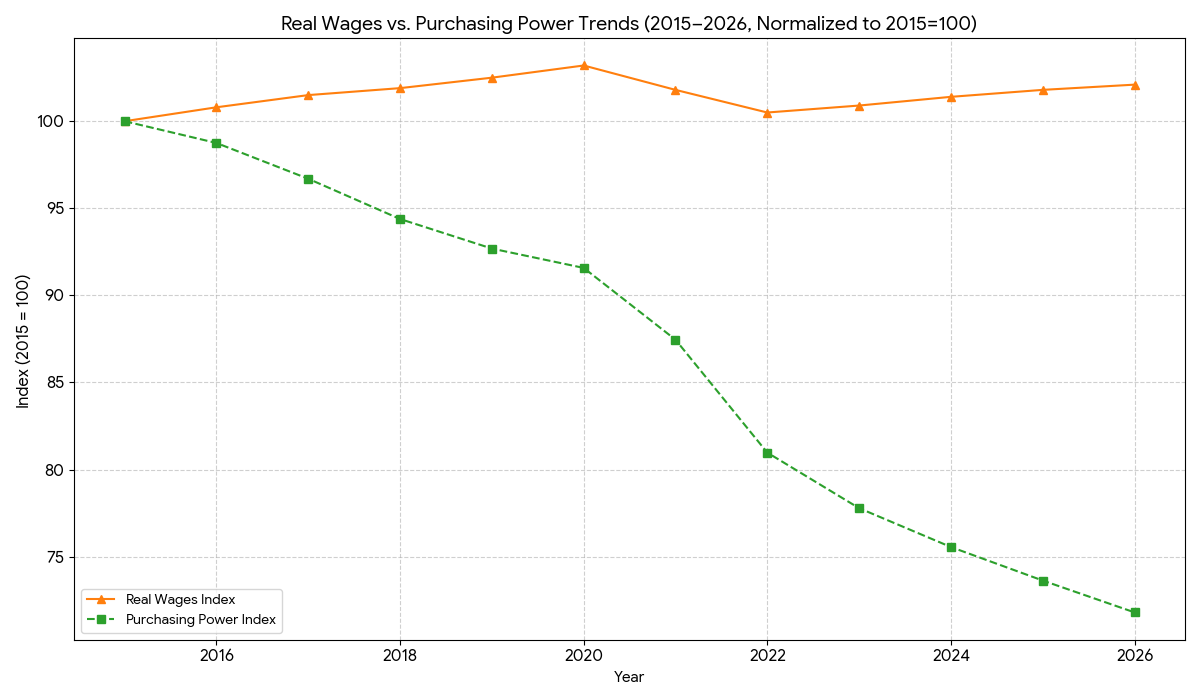
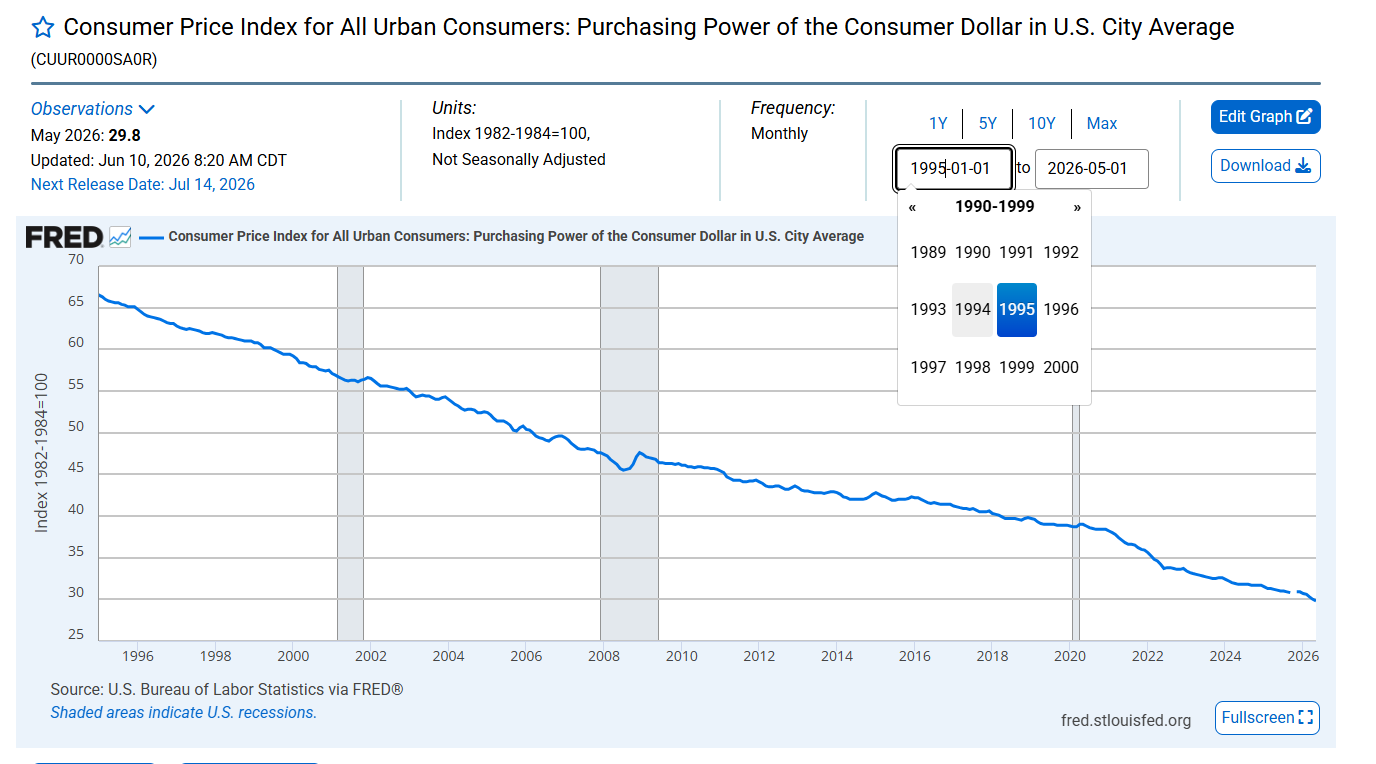
A critical examination of wage growth relative to inflation over the past two to three decades reveals a concerning trend: real purchasing power in the United States has been steadily declining. While inflation has accelerated, wages, when adjusted for price increases, have seen minimal growth, particularly in the last ten years. Data from various economic indicators, including those from the St. Louis Federal Reserve, paint a clear picture of this erosion. Charts illustrating "Purchasing Power" show a steep decline, with some analyses indicating a drop of nearly 40% over a comparable period. This sustained decrease means that the same amount of money buys less and less over time, forcing individuals and families to work harder and longer to maintain their economic standing.
The Productivity Paradox: Growth Without Wage Gains
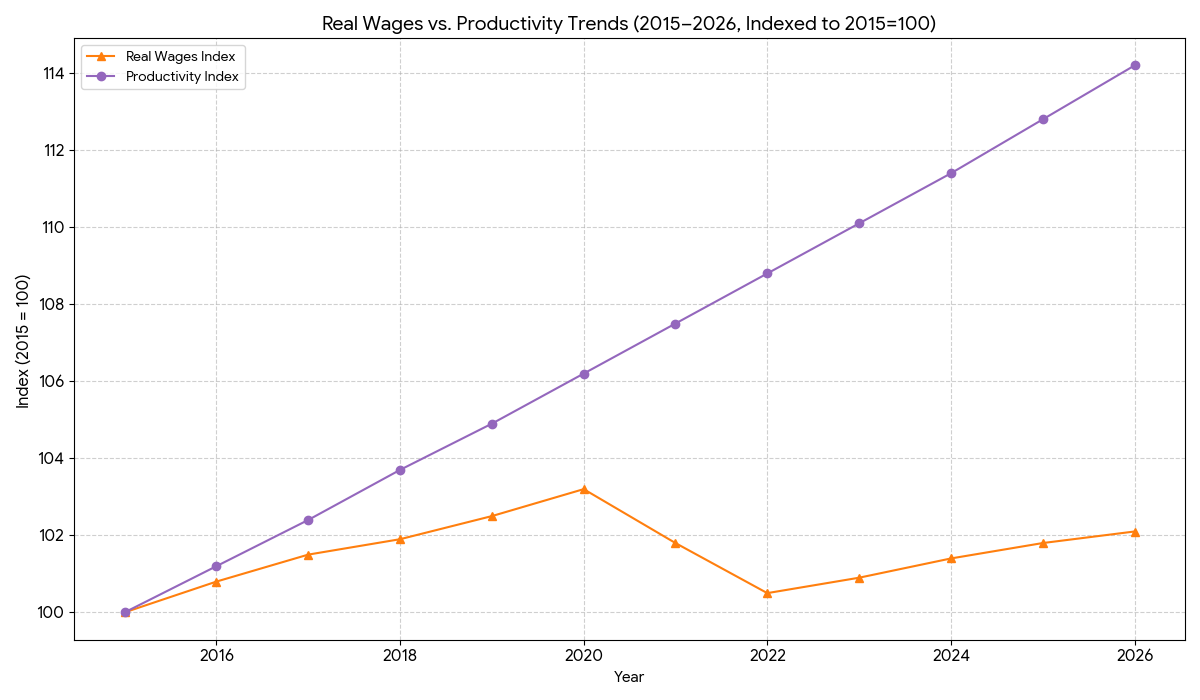
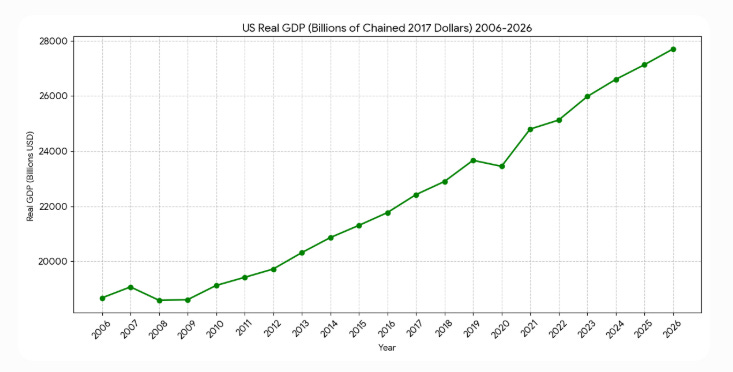
The technological advancements of the past thirty years have been undeniable, leading to significant increases in productivity and Gross Domestic Product (GDP). However, the benefits of this increased efficiency have not consistently trickled down to the average worker. Analysis of productivity versus wage growth shows a widening chasm. For instance, one chart indicates a 14% increase in productivity over a specific period, while wages only rose by 2%. This suggests that approximately 12% of the economic gains generated by increased productivity have not been reflected in employee compensation.
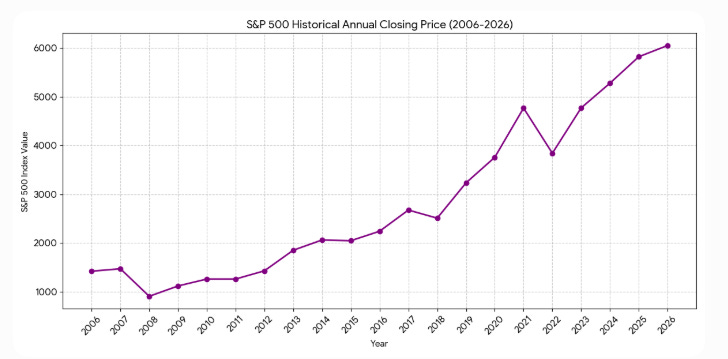
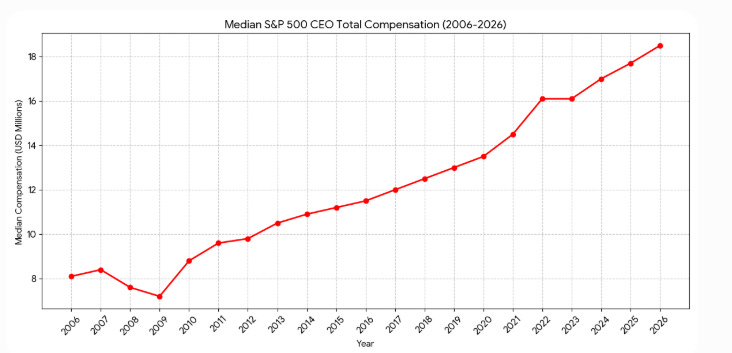
This divergence raises the question of where these productivity benefits have been directed. The data points towards shareholders and corporate owners as the primary beneficiaries. As GDP has continued to rise, corporate profits have swelled, fueling stock market growth, dividends, and increased executive compensation. This shift in economic returns, from labor to capital, has been a defining feature of the American economy for the last several decades.
The Shifting Landscape of Corporate Rewards
The focus on shareholder value and capital investment over wage growth has become deeply embedded in corporate strategy. This emphasis is often driven by the business school curriculum and investor pressure, leading to decisions that prioritize automation and technological investment over workforce development and compensation. While this strategy can yield impressive returns for investors, it has contributed to the stagnant purchasing power of the majority of the workforce.
Evidence of this trend is visible in the soaring compensation packages for top executives. A recent study by Equilar indicated that the average pay for Chief Human Resources Officers (CHROs) has reached $3.7 million, with average CEO pay likely two to three times higher. This stark contrast between executive rewards and the stagnant wages of the average employee highlights a significant disconnect in how economic gains are being distributed within corporations. The increasing prevalence of AI is further exacerbating this, with some corporate leaders viewing it as a tool for workforce reduction rather than an opportunity to enhance employee capabilities and productivity.
Stagnant Minimum Wage and Declining Unionization
Compounding the issue of lagging wage growth is the static nature of the federal minimum wage. For years, it has remained largely unchanged, failing to keep pace with inflation or the rising cost of living. In real terms, the minimum wage has lost significant purchasing power since its peak in the late 1960s. This stagnation, initiated in part during the Reagan administration’s focus on combating inflation and reducing government intervention, has had a particularly detrimental effect on low-wage workers.
Simultaneously, labor union participation has seen a dramatic decline. The historical role of unions in advocating for fair wages, benefits, and working conditions has been significantly diminished. While policies shifted towards individualistic wealth-building strategies like 401(k)s, the collective bargaining power that once helped to ensure more equitable distribution of economic gains has waned. This decline in unionization, coupled with the stagnant minimum wage, has left a substantial portion of the workforce with limited recourse to negotiate for better compensation.
The Entrenchment of Inflationary Expectations
The current inflationary environment, exacerbated by a confluence of factors including supply chain disruptions, geopolitical events, and increased global demand, has further intensified the affordability crisis. Since 2021, inflation has remained consistently above the Federal Reserve’s target of 2%, leading to a normalization of high prices for everyday necessities. Consumers have grown accustomed to significant price increases for groceries, fuel, and housing, a phenomenon fueled by ongoing capital spending, shortages in critical sectors like semiconductors, and broader economic pressures.
This persistent inflation, coupled with the lack of commensurate wage growth, has resulted in employee satisfaction with pay reaching its lowest point in years, as reported by the Federal Reserve Bank of New York. The desperation to keep pace with rising costs has led some individuals to engage in speculative activities, from cryptocurrency trading to participation in prediction markets, in search of any avenue that might offer a hedge against economic erosion.
The Path Forward: Employer Responsibility and Strategic Investment
While external factors such as government policy, international conflicts, and global economic shifts play a role, employers bear a significant responsibility in addressing the affordability crisis. The prevailing mindset that labor is merely an "expense" to be minimized is fundamentally flawed. Instead, labor should be viewed as a strategic investment.
Rethinking Labor as an Investment
Companies that prioritize fair and above-average compensation often experience greater success. Investing in employees yields significant returns:
- Talent Acquisition and Retention: Attracting and retaining top talent becomes easier when competitive wages are offered. This builds a strong talent pipeline and reduces the substantial costs associated with employee turnover, which can range from 50% to over 200% of an employee’s annual salary when factoring in recruitment, onboarding, and lost productivity.
- Enhanced Productivity and Innovation: Employees who feel valued and fairly compensated are more engaged, motivated, and productive. This fosters a culture of innovation and commitment, driving business growth. The concept of "Talent Density," where organizations focus on cultivating a workforce of high-performing individuals, becomes a key strategy for leveraging human capital.
- Internal Mobility and Employee Development: Instead of relying heavily on external hiring, companies can foster internal mobility. By investing in reskilling and upskilling existing employees, organizations can fill critical roles, adapt to changing market demands, and create a more dynamic and resilient workforce. This approach not only retains institutional knowledge but also enhances employee engagement and loyalty. Studies indicate that companies with strong internal mobility programs are significantly more profitable over the long term.
The "Superworker" Model and AI Integration
The advent of artificial intelligence presents an opportunity not for mass layoffs, but for the creation of "superworkers." AI tools can augment human capabilities, enabling employees to achieve greater speed and scale in their tasks. Rather than focusing on headcount reduction, businesses should explore how AI can empower their existing workforce, leading to increased productivity that can then be reinvested in higher wages and employee development.
The Costco Model: A Blueprint for Success
Companies like Costco have demonstrated the long-term benefits of investing in their employees. By offering competitive wages and benefits, Costco has cultivated a loyal and highly productive workforce, leading to superior customer service and sustained profitability. The recent reporting on Costco cashiers becoming millionaires due to above-average pay serves as a powerful testament to the efficacy of this strategy.
In conclusion, the current economic climate, characterized by rising costs and stagnant wages, is not an inevitable outcome but a consequence of decades of economic policy and corporate decision-making. Employers have a critical role to play in reversing this trend by viewing their workforce not as a cost center, but as their most valuable appreciating asset. By investing in fair compensation, employee development, and internal mobility, businesses can not only improve the lives of their employees but also build more resilient, profitable, and sustainable organizations for the future. The economic landscape is evolving, and a shift towards a more equitable distribution of gains is not just socially responsible but also a sound business strategy.