This week, Cornerstone OnDemand, a titan in the corporate learning technology sector with an estimated annual revenue of $1 billion, announced a significant strategic pivot into the rapidly evolving landscape of Artificial Intelligence. The move, detailed in a comprehensive platform update, signals a proactive response to the seismic shifts currently reshaping the $400 billion global e-learning market. Cornerstone’s reinvention arrives as the company prepares to launch its "HR 2030" initiative, a forward-looking exploration of the future of human resources.
Cornerstone OnDemand: A Legacy of Talent Management
Established 27 years ago as a pioneering e-learning platform, Cornerstone OnDemand has built a formidable presence in the corporate learning and talent management space. The company boasts over 7,000 enterprise clients, including many of the world’s largest corporations, and serves an estimated 140 million users. Its core business revolves around robust Learning Management Systems (LMS) and Learning Experience Platforms (LXP), complemented by a comprehensive talent management suite.

Cornerstone has historically demonstrated a strong market position, having either outpaced or acquired numerous standalone LMS companies over the past quarter-century. While the overall human capital management market is estimated at $30 billion, including significant contributions from giants like Workday, Oracle, and SAP, Cornerstone has carved out a dominant niche with its superior functionality.
The company’s trajectory shifted following its acquisition by private equity in 2021 for $5.5 billion, a valuation representing approximately five times its then-current revenues. Since then, Cornerstone has strategically integrated key technologies through acquisitions, including EdCast for LXP capabilities, Skyhive for skills and labor market data, and Tailspin for virtual reality training solutions. Despite being a profitable entity, its market valuation has seen modest growth, a trend attributed to the broader market’s disruption. Cornerstone has been diligently working to expand its channel partnerships, offer more integrated solutions, and enhance its feature set. However, the company acknowledges a need to refresh its brand perception and address customer retention challenges that arise as existing systems are perceived as "legacy" amidst the emergence of newer, more dynamic technologies.
The AI Disruption: A Paradigm Shift in Learning
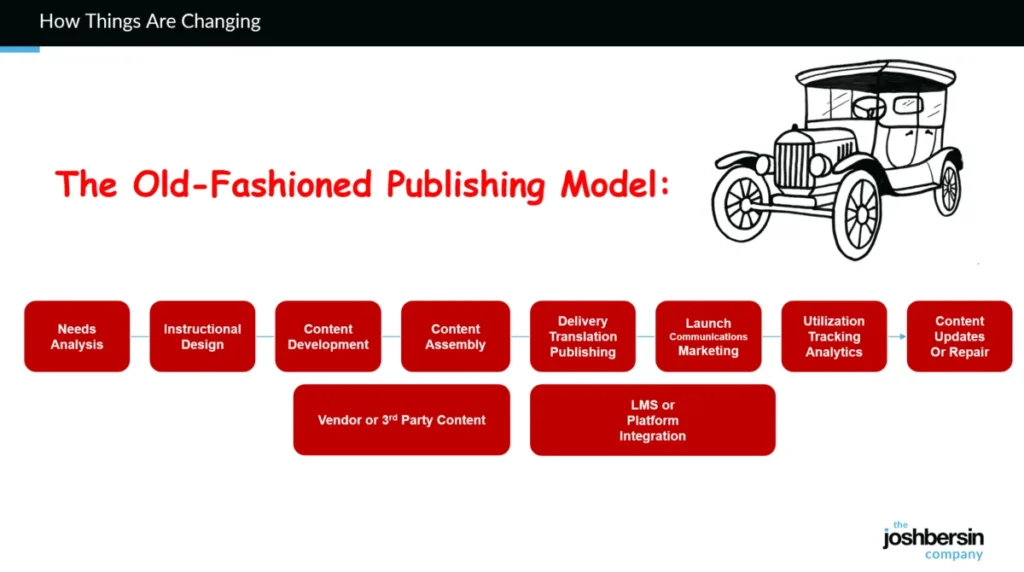
The emergence of advanced AI, exemplified by the public release of ChatGPT in the fall of 2022, has catalyzed a fundamental reinvention of the e-learning and corporate training market. For decades, the industry relied on a meticulously crafted model of content development: instructional designers, graphic artists, and subject matter experts painstakingly authored, produced, and licensed training materials. This process, akin to writing and publishing a book, involved months of development, translation, testing, and integration into LMS platforms, often adhering to the 35-year-old SCORM standard for tracking learner progress.
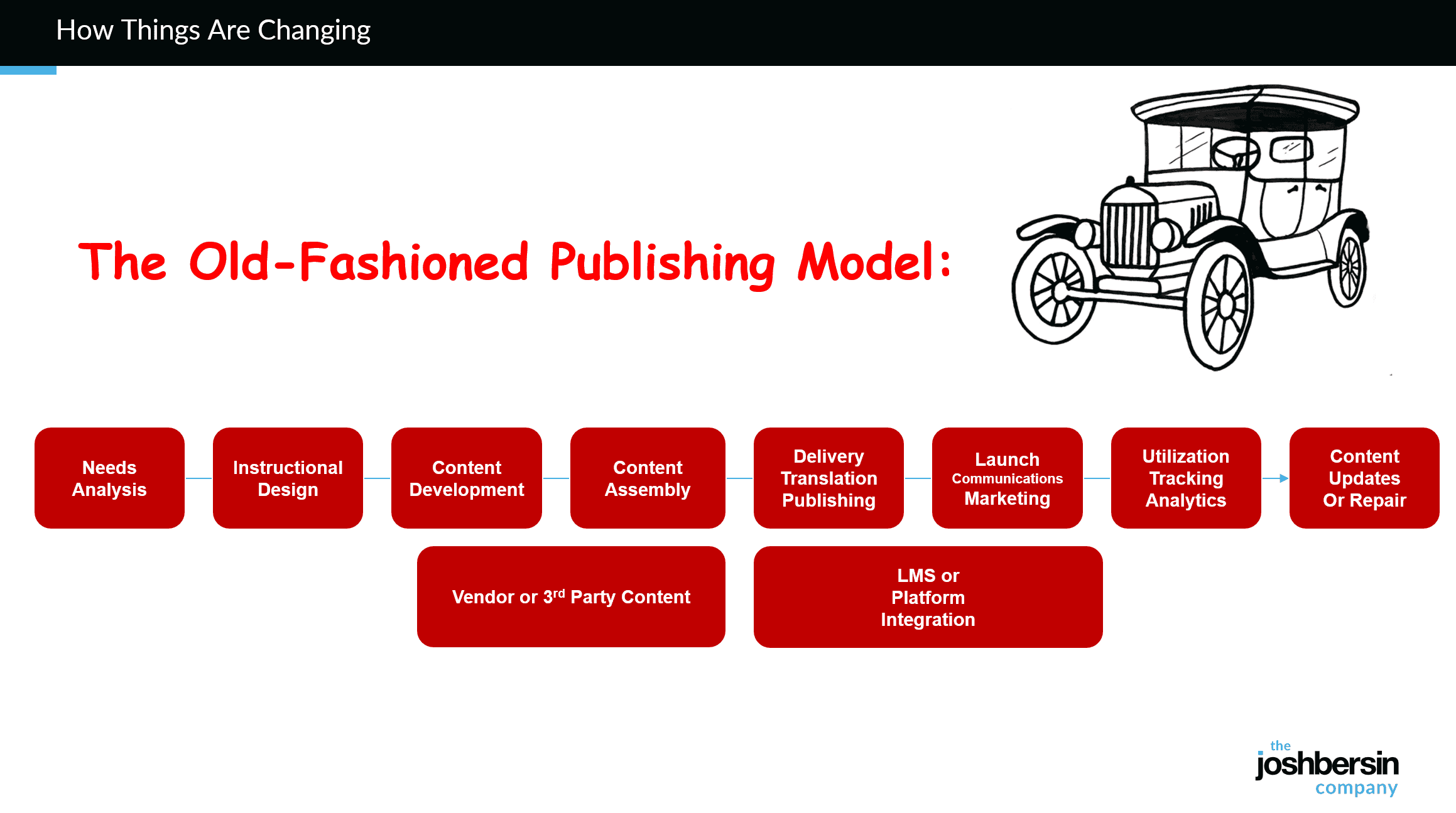
This traditional approach, while producing valuable content, was inherently slow, inflexible, and costly. Individual courses could incur development costs of $50,000 or more, leading to constant constraints on time and budget for content creators and internal L&D departments. The return on investment for such extensive projects often faced scrutiny. The author notes that while YouTube has become a valuable informal learning resource, its content lacks the structured tracking and corporate security typically provided by LMS platforms. This gap represents a substantial market opportunity for AI-driven solutions.
AI’s Transformative Impact on Learning
Artificial Intelligence is poised to revolutionize how learning content is created and consumed. While initial AI-generated content might have been perceived as rudimentary, its capabilities have advanced rapidly. AI can now generate high-quality course materials in a matter of days or hours, a dramatic reduction from the months required for traditional development. Even if AI-generated content is not immediately perfect, the accelerated development cycle allows for efficient refinement.
Beyond content generation, AI fundamentally alters the learning experience. Instead of navigating through static chapters, learners can engage with AI-powered "courses" as interactive experts, posing questions and receiving immediate, contextually relevant answers. This allows for personalized learning pathways, where each employee receives a tailored version of the information they need, a significant departure from the one-size-fits-all approach of SCORM-compliant materials.
Furthermore, AI-powered learning platforms can create interconnected knowledge ecosystems. If an employee needs information on a specific topic, such as sulfur dioxide safety in a refinery, they can simply ask the system. The AI can then provide the answer directly, without requiring the user to locate a dedicated "sulfur dioxide safety" course. This shifts the focus from passive "learning" to active "enablement," where AI provides real-time support, information, tips, and advice to facilitate on-the-job performance.
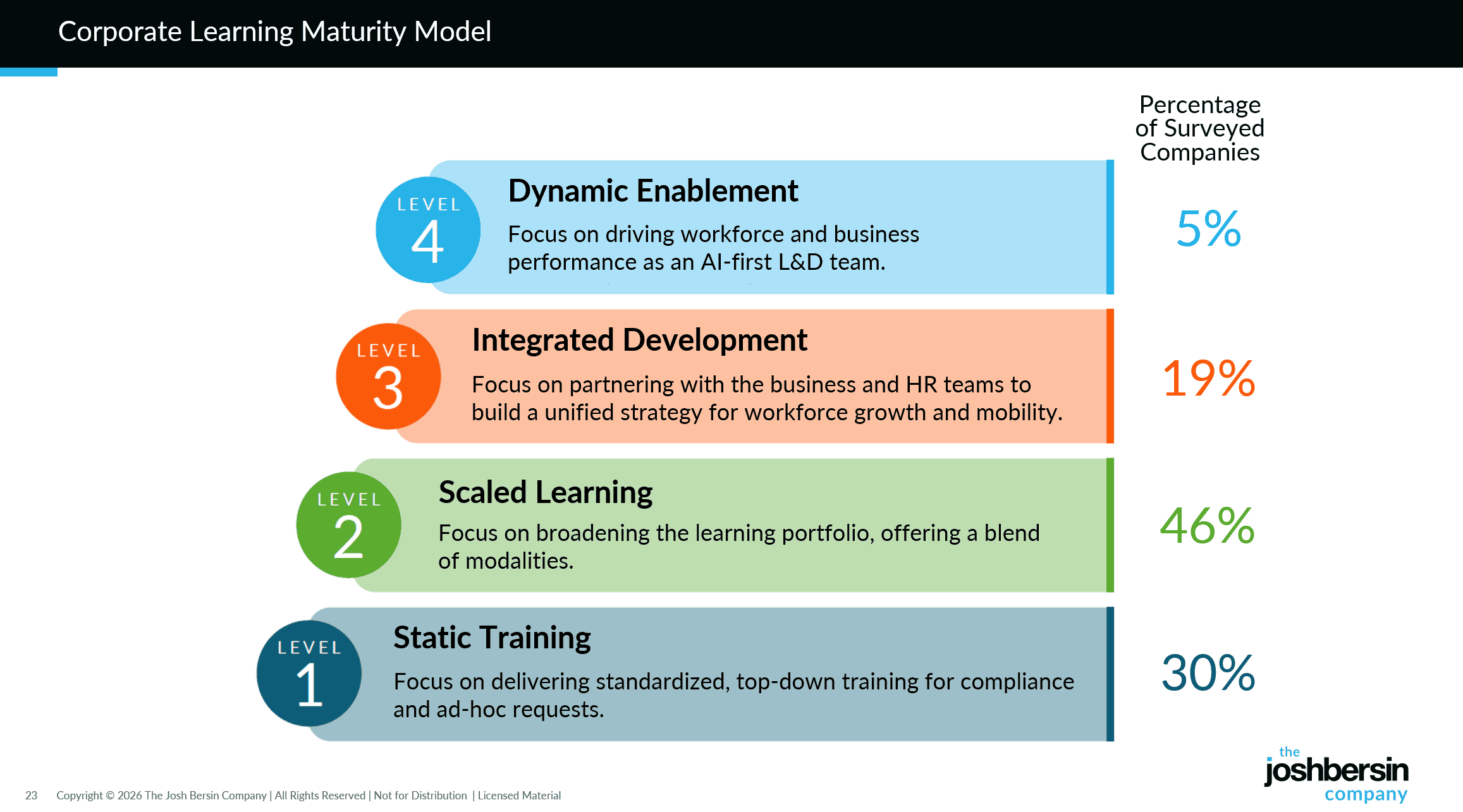
This evolution signifies a "Revolution in L&D," and more broadly, a "Revolution in Business." L&D departments are likely to see a significant reduction in size as AI handles many traditional tasks. The function will transform into a strategic "enablement" operation, with many L&D professionals transitioning into direct business support roles. The author posits that the reinvented L&D function may no longer be solely housed within HR but will act as a direct business enabler, with the exception of compliance-related training. Research indicates that companies operating at higher levels of learning maturity are significantly more innovative and responsive in their skills development, fostering strong relationships with business units by rapidly generating content aligned with emerging challenges.
Cornerstone’s Strategic Response: Workforce AI
In light of these transformative trends, Cornerstone OnDemand has launched "Cornerstone Workforce AI," a comprehensive initiative representing a significant reinvention for the company. Led by Guna Jayaraman, the new AI team has developed a platform designed to integrate skills and capability inference, a flexible "People Graph" capable of importing data from diverse enterprise systems (including HRMS, LMS, project management tools, and employee engagement surveys), and a suite of data services. These services incorporate labor market intelligence from Skyhive and pre-configured "Readiness Agents" designed to address immediate business needs.
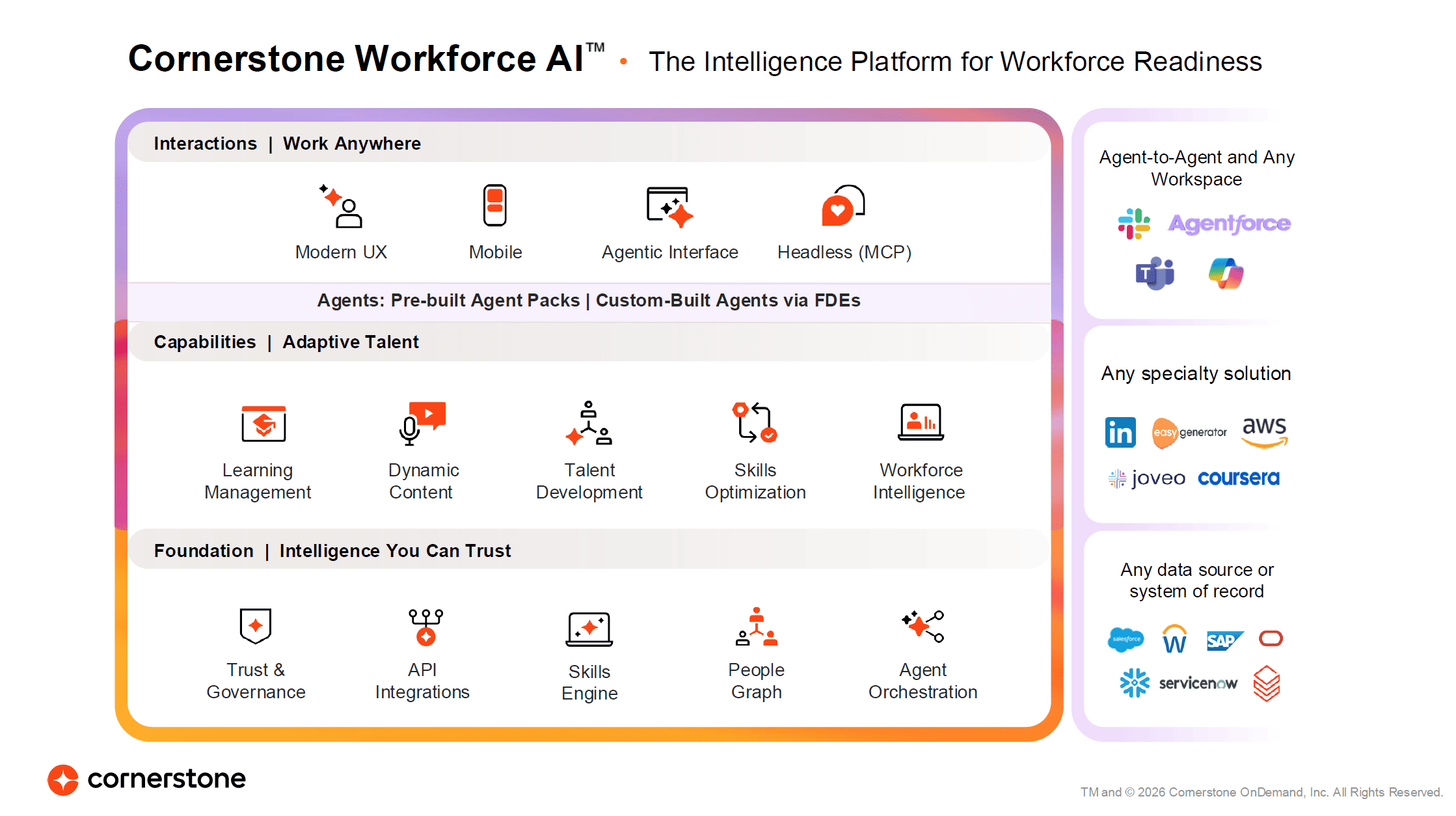
While some functionalities are still being integrated from Cornerstone’s existing Galaxy platform, the new capabilities can be accessed either as a standalone offering or through an upgrade to existing licenses. Early customer feedback from a wealth management firm and a large media company indicates strong interest in leveraging Workforce AI for critical skills transformation, talent mobility, organizational redesign, and risk mitigation initiatives.
While not yet a fully "AI-Native" platform on par with emerging competitors like Sana, Cornerstone Workforce AI is rapidly evolving. The company has already introduced an AI content development tool and agents to streamline LMS administration and analysis. These AI-native content features are being rolled out across both existing and new platform environments. The currently available packaged Agents, while not yet fully customizable by users, effectively harness the comprehensive data and intelligence within Workforce AI.
Market Implications and Future Outlook
The rapid ascent of AI in corporate learning presents both challenges and opportunities for established players like Cornerstone. New entrants such as Sana, Docebo, and Absorb are already offering AI-native learning solutions, and major AI providers like OpenAI are beginning to integrate content from learning platforms. This competitive landscape suggests a future where every employee can access information and support through AI agents, leveraging a rich "People Graph" that encompasses their skills, experiences, work data, and career aspirations.
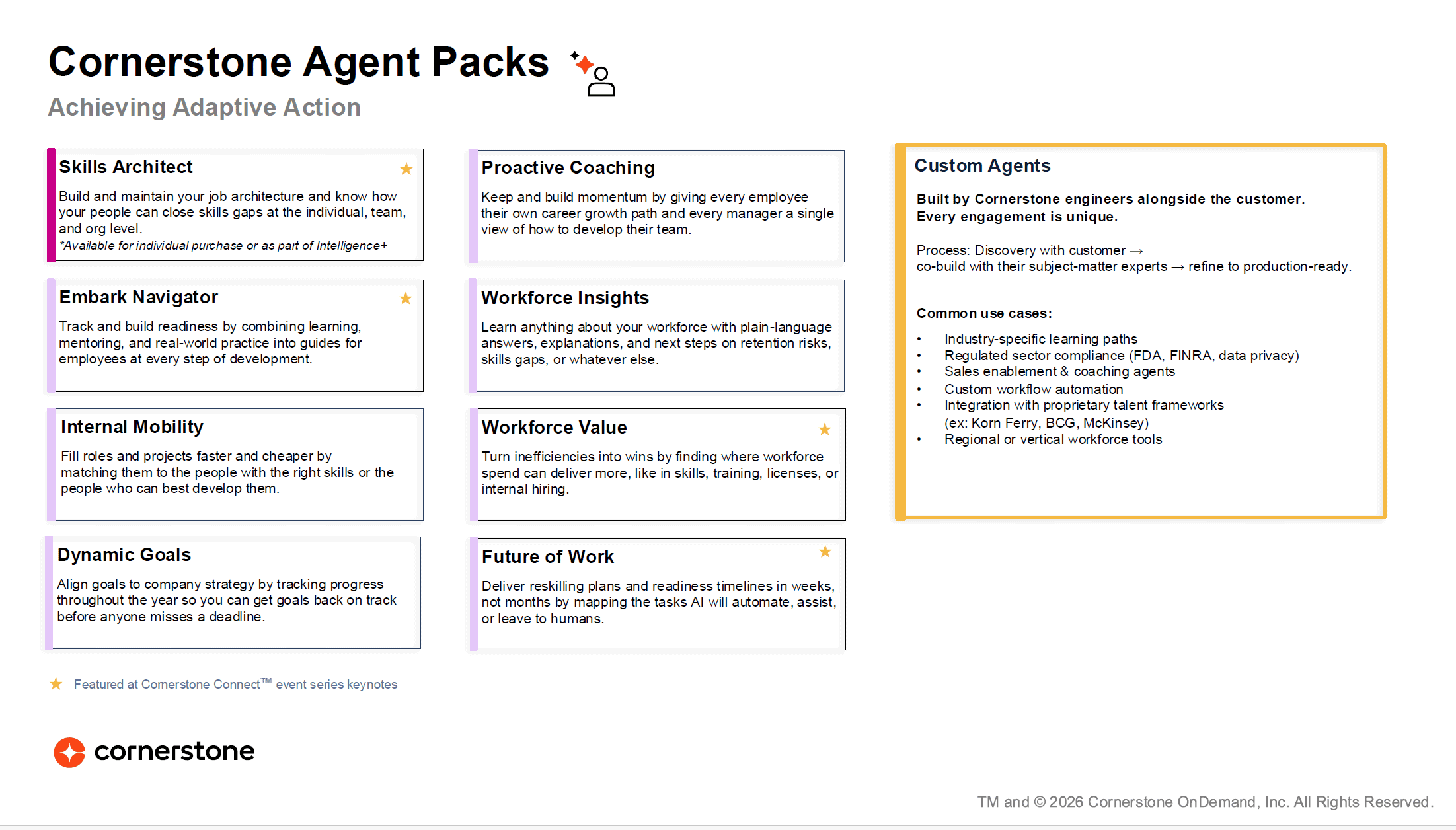
As detailed in the "HR 2030" framework, employees will soon have personalized AI agents, such as Microsoft Copilot, that understand their roles, process communications, and index all digital interactions. This agent, combined with peer feedback and performance data, can proactively offer guidance, onboarding plans, or coaching. Cornerstone’s "People Graph" is central to enabling this personalized, proactive approach.
This shift poses a significant challenge to traditional L&D spending, which is increasingly moving towards AI-native solutions. L&D leaders who fail to adapt to these AI-driven platforms risk losing budget, seniority, and relevance within their organizations. The question is no longer about the ROI of traditional training programs but about the efficiency and impact of AI-powered enablement.
Cornerstone’s strategic pivot to Workforce AI is a bold move, acknowledging the imperative to adapt or risk obsolescence. While the platform is still in its nascent stages and requires further development, its powerful AI foundation offers substantial potential. The company faces the challenge of clearly articulating its value proposition in the dynamic and rapidly evolving AI market. However, by embracing this AI revolution, Cornerstone has the opportunity to redefine its role and empower organizations to foster an environment where every employee feels "enabled to succeed" in a personalized and impactful manner. The coming months will be crucial in observing how Cornerstone navigates this transition and solidifies its position in the future of corporate learning and development.