The landscape of enterprise artificial intelligence is undergoing a profound transformation, moving beyond static systems and applications to dynamic, learning agents that increasingly embody the very essence of a company. This paradigm shift, spearheaded by Microsoft’s latest advancements in AI personalization, promises to unlock unprecedented levels of efficiency, strategic advantage, and operational intelligence. At the forefront of this evolution is Microsoft’s "Frontier Tuning" capability, a groundbreaking approach that allows organizations to deeply embed their unique intellectual property, policies, and cultural nuances into AI agents, creating truly bespoke digital collaborators.
The core of this disruptive innovation lies in understanding that AI Agents and Superagents are not merely tools but evolving entities. As these agents engage in critical business functions such as recruitment, training, or employee service delivery, they continuously learn and adapt, becoming repositories of an organization’s specific operational knowledge. This is particularly significant for "tacit knowledge"—the implicit, often unwritten, historical experiences, policies, and practices that form a company’s competitive differentiator. These include intricate cultural behaviors, risk management protocols, and the fundamental "way we do business."
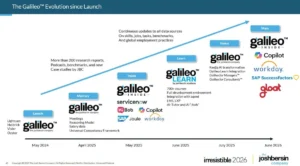
A pivotal demonstration of this capability occurred recently when Microsoft integrated its Galileo intelligence, a comprehensive knowledge engine, into MS Copilot. The results, as observed by the Microsoft HR team, were "astoundingly more useful, detailed, and trusted," primarily due to the AI’s ability to cite its knowledgeable sources. This effectively transformed MS Copilot into a world-class HR business partner and consultant, capable of navigating complex organizational specifics with a level of accuracy and depth previously unattainable.
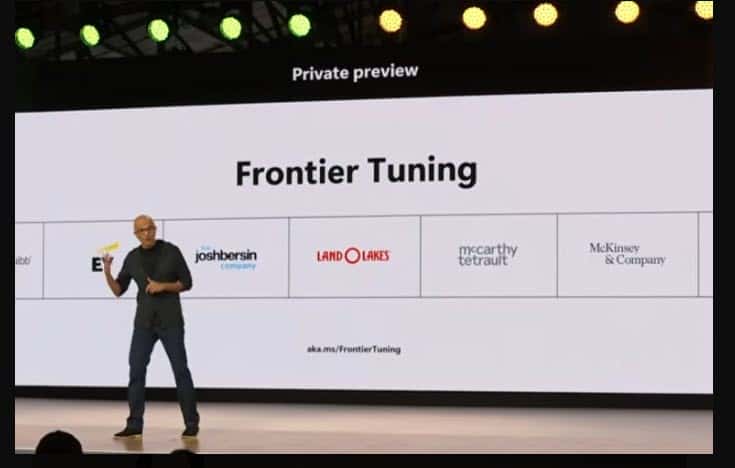
Microsoft is now productizing this technology, enabling enterprises to "fine-tune" their Copilot instances. This means IT and HR departments can directly input proprietary information, including policies, hiring guides, compensation structures, and onboarding procedures, thereby "institutionalizing" this knowledge directly into the AI system. This moves beyond traditional Retrieval Augmented Generation (RAG) implementations, which primarily augment existing knowledge bases, to a more profound form of AI adaptation.
The Power of Autonomous Reinforcement Learning
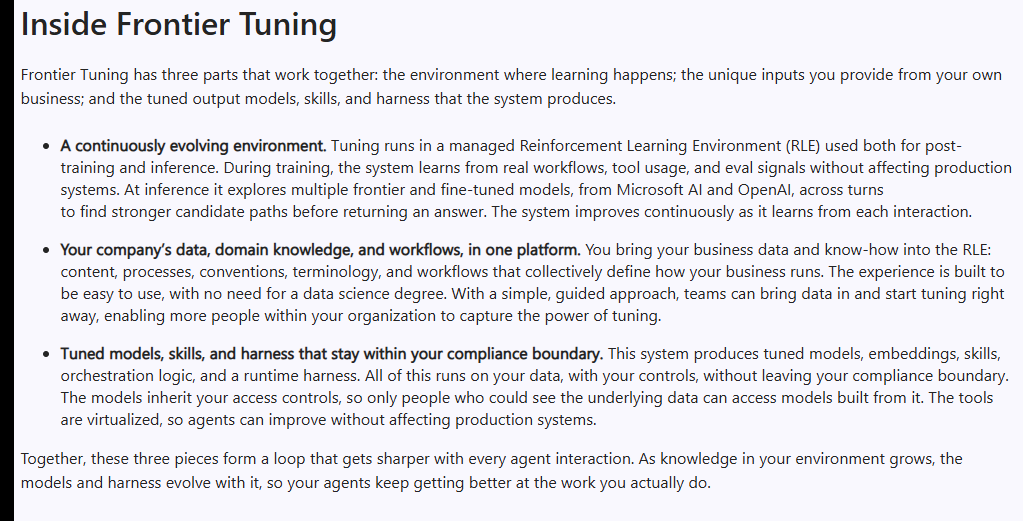
A key differentiator of Microsoft’s Frontier Tuning is its capacity for autonomous learning. Unlike RAG, which doesn’t fundamentally "train" the system, Frontier Tuning leverages what Microsoft terms the "Reinforcement Learning Environment." This allows the AI agent to learn independently from real-world feedback provided by users. This continuous loop of learning and refinement mirrors human cognitive processes, enabling AI agents to evolve and improve their utility over time.
This advanced capability was showcased at the recent Build 2024 conference in San Francisco, where attendees witnessed its potent application. The Reinforcement Learning feature allows organizations to activate an autonomous learning agent that analyzes the effectiveness of its actions. This is crucial for adapting to unforeseen circumstances and evolving operational requirements.
Microsoft provided a compelling example: an internal AI agent designed for crisis management. While effective in many scenarios, global events such as the war in Ukraine and subsequent conflicts introduced novel challenges, including employees facing connectivity issues and requiring relocation assistance. By enabling the reinforcement learning feature, this crisis management agent could autonomously update itself with new policies and protocols needed to address these complex, real-world situations. This demonstrates a significant leap from static AI solutions to adaptive, resilient systems.
While other methods exist for "training" MS Copilot, such as the Microsoft Graph Connector which allows access to data across SharePoint, PowerPoint, Word, Outlook, and Work IQ, these interfaces do not offer the same deep, integrated learning that reinforcement learning provides. The autonomous learning aspect, crucial for true adaptation, is not applicable in these more conventional integration methods.
Microsoft’s Strategic Push with New AI Models
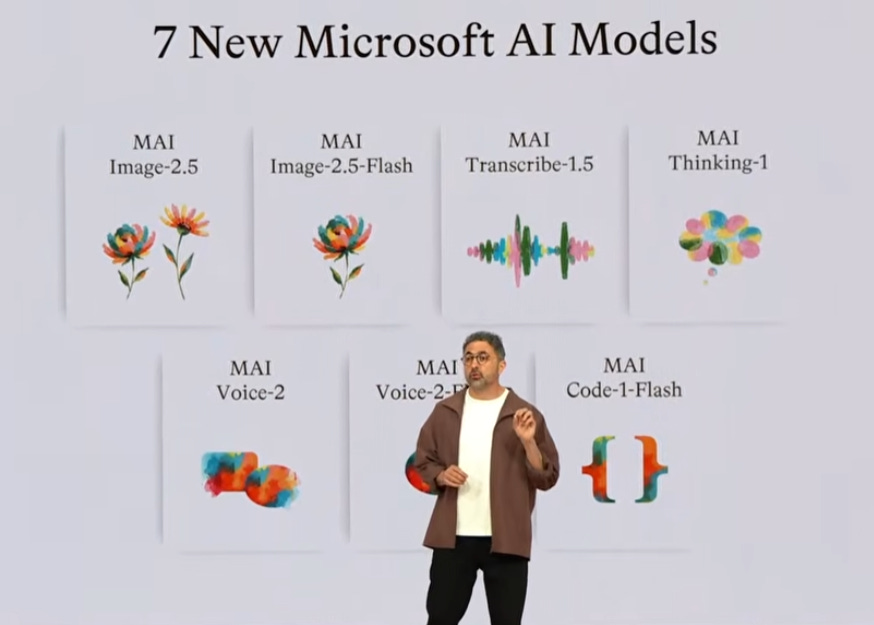
Beyond personalization capabilities, Microsoft is also making significant strides in developing its own suite of AI models. At the forefront of this initiative is Mustafa Suleyman, who announced the launch of seven new AI models optimized for specific business use cases. This move signals Microsoft’s strategic intent to compete directly with leading AI providers like Anthropic and OpenAI.
Historically, Microsoft’s partnership with OpenAI may have presented limitations on developing cutting-edge proprietary models. However, this new development allows Microsoft to offer a cost-effective and cleaner AI infrastructure. These new models are designed for high efficiency and are built on licensed data, avoiding the ethical and legal complexities associated with training on publicly available internet content, which can be problematic for intellectual property concerns.
Suleyman articulated the strategic rationale, stating, "We pay a lot of money to Anthropic—so our goal is to reduce and ultimately eliminate that cost." This focus on cost reduction, coupled with the ability to offer proprietary, licensed models, positions Microsoft Copilot as an even more attractive and versatile platform.
A key advantage highlighted by Microsoft is the assurance that these new models do not share intellectual property (IP) with other customers. Unlike some third-party AI services where user data, if not explicitly opted out, can be used for further model training and then potentially exposed to other users, Microsoft’s approach emphasizes data privacy and IP protection. This is particularly attractive for businesses that handle sensitive proprietary information, such as research and development data or confidential financial information. The prospect of building solutions that do not inadvertently leak sensitive data is a significant draw for enterprise clients.
Frontier Models: Tailored Solutions for Industry Challenges
The development of these specialized AI models, termed "Frontier Models," is geared towards addressing specific industry needs. For instance, Mayo Clinic is collaborating with Microsoft to create a "New Frontier Model for Healthcare." This specialized model aims to provide clinicians with deep insights derived from established clinical practices, enhancing diagnostic capabilities and treatment recommendations. This mirrors the approach taken in human capital management, where observing, studying, and documenting best practices leads to improved outcomes.
Another compelling use case involves Land-O-Lakes. The agricultural giant has been testing Microsoft’s MAI-Thinking-1 reasoning model for automating tasks within its butter formulation process. By employing Frontier Tuning, Land-O-Lakes customized the model by feeding it thousands of internal documents, along with communications from Microsoft Teams and Outlook. According to Microsoft senior product manager Tanaya Yadav, this fine-tuned version of MAI-Thinking-1 demonstrated superior accuracy and was an order of magnitude more cost-efficient than OpenAI’s GPT-4.5. This exemplifies the tangible return on investment achievable through personalized AI solutions.
These advancements were prominently featured at Build 2024, with demonstrations illustrating the power and flexibility of these new capabilities. Microsoft CEO Satya Nadella has emphasized the strategic importance of customizing AI models, stating that the true value lies in making them unique to a company, rather than broadly accessible. This focus on personalization and privacy is a cornerstone of Microsoft’s enterprise AI strategy.
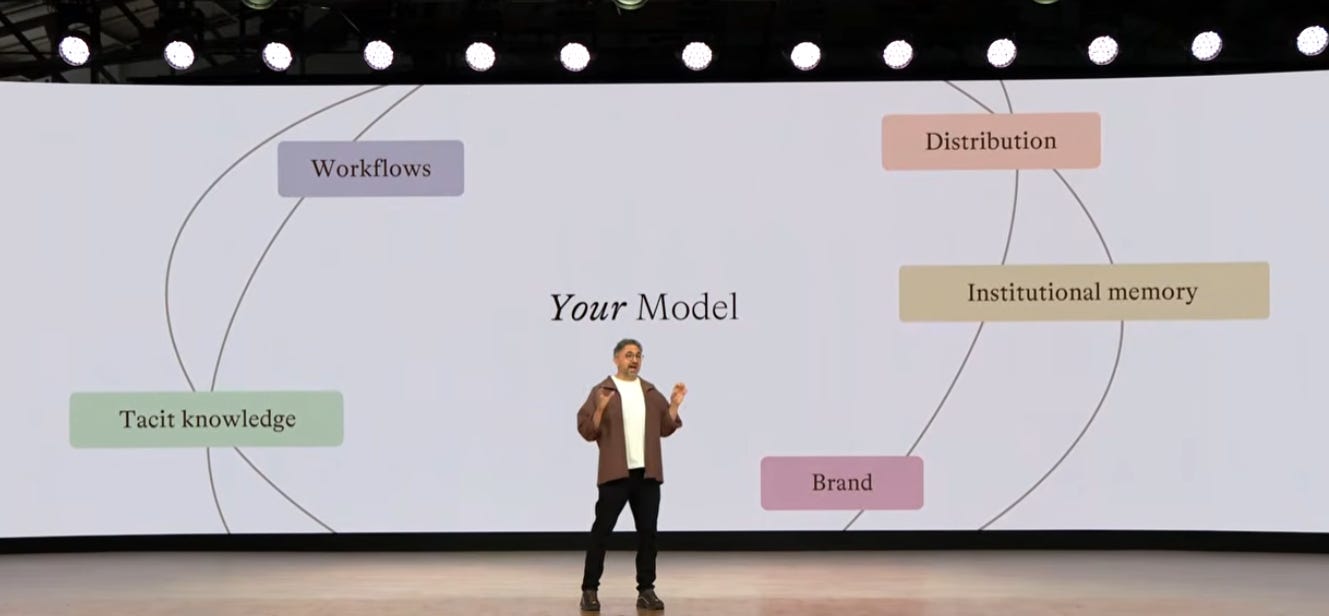
The introduction of Copilot’s "harness" layer, a concept explored in recent industry discussions, further enhances this strategy. This harness allows Copilot to host a variety of AI models, including those from OpenAI, Anthropic, Microsoft’s own proprietary models, and customer-tuned models. This flexibility enables organizations to deploy specialized models for specific departments or functions. For example, R&D teams could utilize a fine-tuned model trained on their proprietary confidential data, ensuring that sensitive research remains secure and accessible only to authorized personnel.
Broader Implications for the Enterprise AI Ecosystem
The implications of Microsoft’s Frontier Tuning and its expanding AI model portfolio are far-reaching. Firstly, it democratizes access to advanced AI capabilities, enabling companies of all sizes to leverage AI in a manner that is deeply aligned with their unique operational realities. This is particularly significant for businesses that have been hesitant to adopt AI due to concerns about data privacy, integration complexity, or the perceived lack of customization.
Secondly, it fosters a more competitive AI market. By developing its own robust models and providing powerful tuning capabilities, Microsoft is creating an environment where innovation is driven not only by foundational model developers but also by enterprises themselves. This can lead to a more diverse and specialized AI ecosystem, with solutions tailored to niche industries and complex business processes.
Thirdly, the emphasis on autonomous learning through reinforcement learning marks a significant step towards truly intelligent and self-improving systems. As AI agents become more adept at learning from their environment and user feedback, they will require less manual intervention, freeing up human resources for more strategic and creative endeavors. This could redefine the nature of work, with humans collaborating more closely with highly specialized, adaptive AI partners.
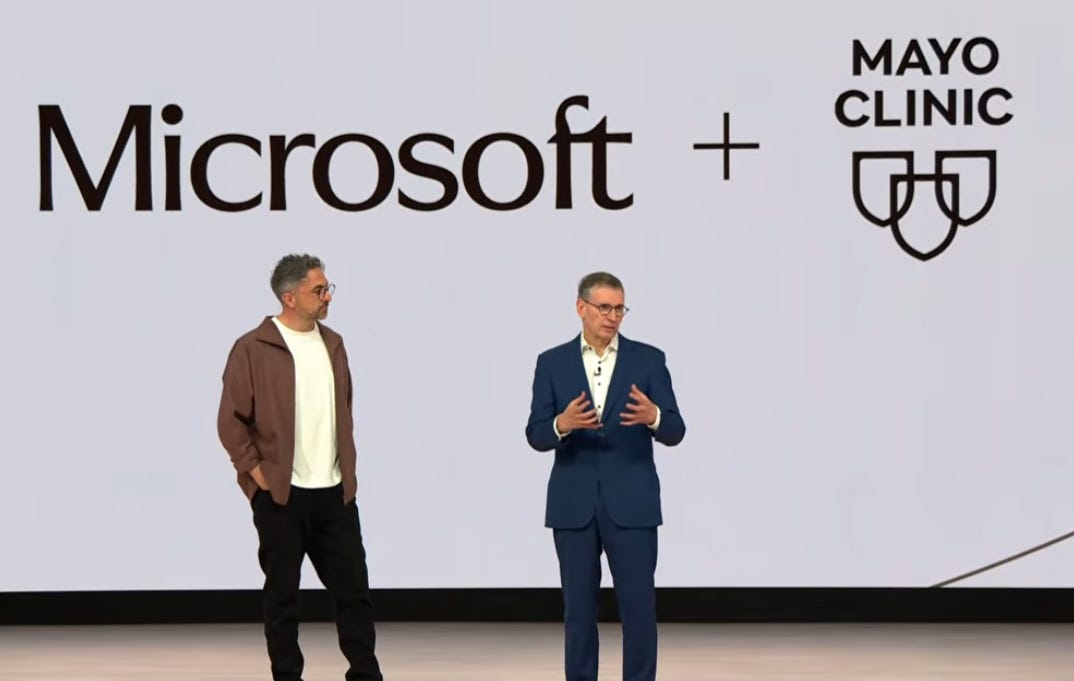
The strategic partnership between Microsoft and organizations like Mayo Clinic and Land-O-Lakes underscores the real-world impact of these advancements. These collaborations serve as blueprints for other enterprises seeking to harness the power of personalized AI. The success stories, like the ten-fold cost efficiency achieved by Land-O-Lakes, provide concrete evidence of the tangible benefits that can be realized.
Looking ahead, Microsoft’s trajectory in the enterprise AI space appears robust. With strong leadership and a clear vision for creating AI that is both powerful and deeply integrated into business operations, the company is well-positioned to shape the future of how organizations leverage artificial intelligence. The ability to fine-tune, personalize, and empower AI agents to learn autonomously represents a fundamental shift, moving AI from a peripheral tool to an integral, evolving component of the enterprise.
The ongoing development and adoption of these advanced AI capabilities, particularly through initiatives like Frontier Tuning, signal a new era where artificial intelligence is not just about processing information but about embodying the unique identity and operational wisdom of an organization. This promises to unlock new levels of productivity, innovation, and competitive advantage for businesses navigating the complexities of the modern global economy.