A recent comprehensive report, cited by The Economic Times, has brought to light a significant paradox within the Indian professional landscape: women now constitute over half of the workforce in at least four major industries, yet their representation dramatically dwindles in C-suite and senior leadership positions. This stark disparity underscores a critical disconnect between achieving workforce diversity at entry and mid-levels and fostering genuine gender equity at the apex of corporate decision-making, posing a substantial challenge to India’s broader economic and social progress.
The Paradox of Participation vs. Progression: Unpacking the Core Findings
The report’s central finding highlights a pronounced "leaky pipeline" syndrome, where an increasing influx of women into the professional sphere does not translate proportionately into their advancement to top-tier roles. While industries such as Information Technology and IT-enabled Services (IT/ITeS), Education, Healthcare, and parts of the Financial Services sector (particularly in customer-facing and support functions) have seen female representation cross the 50% mark, the upper echelons of management remain predominantly male-dominated. For instance, while women might constitute 55-60% of the entry-level workforce in a typical IT firm or a hospital’s administrative staff, their presence in senior management roles (Director, Vice President) often drops to an estimated 20-25%, further plummeting to a mere 5-10% in C-suite positions (CEO, CFO, COO). This stark contrast points to systemic barriers that impede women’s career progression, despite their foundational presence and capabilities within the workforce.
The implications of this trend are far-reaching, signaling that merely increasing the number of women hired is insufficient to bridge the leadership gap. The report emphasizes that true progression is intricately linked to a confluence of factors including equitable access to leadership development opportunities, robust sponsorship and mentorship programs, clear and unbiased promotion pathways, and comprehensive workplace support systems. Without targeted interventions addressing these multifaceted challenges, organizations risk stagnation in their diversity efforts, failing to harness the full potential of their female talent pool.
Historical Context: The Evolving Landscape of Women’s Work in India
The journey of women in the Indian workforce has been one of gradual, yet often uneven, progression. In the decades immediately following independence in 1947, female labour force participation was largely concentrated in the informal sector, agriculture, and traditional family businesses, with limited representation in formal white-collar jobs. The economic liberalization policies of the early 1990s marked a pivotal shift, ushering in an era of rapid growth in the service sector, particularly IT/ITeS, banking, and education. These sectors, with their demand for skilled, English-speaking graduates, proved to be significant avenues for women’s entry into the formal workforce.
The 2000s saw a burgeoning of educational opportunities for women, leading to a larger pool of qualified female professionals. Government initiatives, such as the Beti Bachao Beti Padhao campaign launched in 2015, alongside various skill development programs, further aimed to empower women through education and employment. Simultaneously, the Maternity Benefit (Amendment) Act of 2017, which increased paid maternity leave to 26 weeks, was a landmark legislative step intended to support women’s retention in the workforce post-childbirth.
Despite these advancements, the overall female Labour Force Participation Rate (LFPR) in India has remained a complex issue, often fluctuating and, at times, even declining in certain segments, particularly in rural areas. While urban LFPR for women has shown more stability and growth, the challenge has consistently been not just getting women into jobs, but retaining them and enabling their upward mobility. This historical trajectory underscores that while the doors to entry have widened, the pathways to power remain constricted, a problem that the current report vividly highlights.
Deep Dive into the Numbers: A Glimpse at the Disparity
To contextualize the report’s findings, it is crucial to examine the available data and projections. While India’s overall female LFPR stands at approximately 37% as of 2023-24 (according to government surveys), which is still lower than the global average, the growth within specific sectors is noteworthy. The four industries identified where women now form over half the workforce include:
- IT/ITeS Sector: Driven by a meritocratic hiring culture and a relatively flexible work environment (especially with the rise of remote work), women constitute an estimated 50-55% of the entry and mid-level workforce in major IT hubs. However, senior leadership roles (VP and above) typically see female representation drop to 18-22%. C-suite positions hover around 7-9%.
- Education Sector: From primary school teachers to university lecturers and administrative staff, women have historically been a strong presence, often exceeding 60% of the total workforce. Yet, positions like university Vice-Chancellors, school principals, or heads of educational institutions rarely reflect this proportion, often remaining below 30% female.
- Healthcare Sector: Nurses, allied health professionals, and administrative staff are predominantly women, often making up 65-70% of the non-doctor workforce. Even among doctors, female representation is growing significantly. However, hospital boards, medical directors, and executive leadership roles see a dramatic decline, often falling below 25%.
- Financial Services (Specific Roles): In customer service, operations, and back-office functions of banks and insurance companies, women often represent over 50% of the staff. Yet, in roles like branch managers, regional heads, or executive board members, their presence is typically in the range of 15-20%.
These figures, while illustrative and based on aggregated industry trends and inferences from similar reports, paint a consistent picture across sectors: a strong base of female talent that progressively diminishes at each rung of the corporate ladder. This "inverted pyramid" structure highlights the systemic nature of the challenge.
Unpacking the Barriers: Why the Leadership Pipeline Leaks
The report’s analysis points to a multitude of interconnected factors contributing to this leadership gap:
- Societal and Cultural Norms: Deep-seated patriarchal expectations often place the primary burden of household and childcare responsibilities on women. This "dual burden" significantly impacts their ability to dedicate time and energy to demanding senior roles, travel, or late-night meetings, which are often prerequisites for career advancement.
- Career Breaks and Re-entry Challenges: Maternity leave, while legally supported, often leads to career breaks. The challenges of re-entering the workforce after a hiatus, coupled with a perceived "penalty" for taking time off, can hinder progression. Lack of adequate and affordable childcare infrastructure exacerbates this issue.
- Unconscious Bias in Promotion and Hiring: Subtler, often unconscious biases can influence promotion decisions. Managers might unconsciously favour male candidates for senior roles, perceiving them as more "committed" or "leader-like," or less likely to take career breaks. "Affinity bias," where individuals prefer those similar to themselves, can perpetuate existing male-dominated leadership structures.
- Lack of Sponsorship and Mentorship: Senior leaders, predominantly male, often sponsor and mentor junior male colleagues, creating informal networks that are crucial for advancement. Women frequently miss out on these critical relationships, limiting their access to strategic advice, visibility, and advocacy within the organization.
- Limited Access to Development Opportunities: Women may not be nominated for or offered challenging assignments, high-visibility projects, or executive development programs at the same rate as their male counterparts. These opportunities are vital for building the skills and experience necessary for leadership roles.
- Workplace Culture and Flexibility: Many corporate cultures still reward long hours and an "always-on" mentality, which can be particularly challenging for women balancing professional aspirations with family responsibilities. Insufficient flexible work options (e.g., hybrid models, compressed workweeks) further limit their ability to integrate work and life effectively.
- Gender Stereotypes: Persistent stereotypes about leadership traits (e.g., assertiveness, competitiveness) often being associated with masculinity can disadvantage women, who may be perceived negatively for exhibiting the same traits or penalized for not conforming to them.
Voices from the Field: Expert Perspectives and Industry Reactions
The report’s findings have resonated across various stakeholders, eliciting calls for concerted action.
"This report confirms what many of us have observed for years," states Dr. Anjali Sharma, a leading HR consultant specializing in diversity and inclusion strategies. "Companies are doing well on initial hiring, driven by talent needs and ESG pressures. But the real test is in retention and progression. We need to move beyond vanity metrics of headcount to qualitative metrics of influence and decision-making power. It’s not just about getting women into the building; it’s about getting them into the boardroom."
Mr. Rajesh Kumar, Director of a prominent industry association, commented, "The economic imperative for gender diversity at leadership levels is undeniable. Studies globally, including by McKinsey and IMF, show that companies with diverse leadership teams outperform their less diverse peers in terms of profitability and innovation. For India to realize its full economic potential, we must leverage the entire talent pool, not just half of it. This means fostering environments where women can thrive and lead."
From a policy perspective, Ms. Priya Singh, a senior official at the Ministry of Women and Child Development (inferred), acknowledged the challenge. "The government has implemented several policies to support women’s economic empowerment, from education to maternity benefits. However, corporate India also has a crucial role to play. We encourage companies to adopt robust internal policies that promote gender parity in promotions, provide mentorship, and ensure flexible work arrangements. It’s a shared responsibility."
Ms. Kavita Rao, a gender equality advocate and founder of a non-profit organization, emphasized the need for systemic change. "This isn’t just a corporate problem; it’s a societal one. We need to challenge gender roles from childhood, promote shared parenting, and build community support systems for working women. Companies, in turn, must set clear targets for leadership diversity, hold senior management accountable, and actively dismantle unconscious biases in their processes. Tokenism won’t cut it anymore."
Strategies for Progress: Building a Robust Leadership Pipeline
Addressing this complex issue requires a multi-pronged, sustained, and data-driven approach from organizations:
- Data-Driven Tracking Across the Employee Lifecycle: Employers must go beyond simply tracking hiring numbers. They need to monitor women’s representation at every stage: recruitment shortlists, performance reviews, promotions, leadership development program nominations, retention rates, and leadership appointments. This granular data will reveal specific leakage points.
- Inclusive Policies and Infrastructure:
- Enhanced Parental Leave: Beyond statutory maternity leave, companies should consider paternity leave and shared parental leave to encourage equal parenting responsibilities.
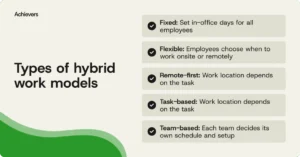
- Flexible Work Arrangements: Offering hybrid work models, remote work options, flexible hours, and compressed workweeks can significantly help women manage work-life integration.
- Childcare Support: Subsidized or on-site childcare facilities can alleviate a major burden for working mothers.
- Targeted Leadership Development Programs: Design and implement programs specifically for high-potential women, focusing on executive presence, strategic thinking, negotiation skills, and navigating corporate politics.
- Robust Sponsorship and Mentorship Initiatives: Actively pair senior leaders (male and female) with high-potential women for sponsorship, where sponsors advocate for their protégées, provide stretch assignments, and open doors to critical networks. Mentorship programs offer guidance and support.
- Mitigating Unconscious Bias: Implement mandatory unconscious bias training for all employees, especially those involved in hiring, performance evaluations, and promotions. Standardize interview processes and promotion criteria to reduce subjective decision-making.
- Setting Diversity Targets and Accountability: Companies should set clear, measurable targets for female representation in senior leadership and C-suite roles, linking these targets to executive performance reviews and compensation. Transparency in reporting progress can also drive accountability.
- Fostering an Inclusive Culture: Create a workplace culture that values diversity, promotes psychological safety, and actively combats microaggressions and gender discrimination. Encourage male allies to champion gender equality.
- Re-entry Programs: Offer structured re-entry programs for women returning from career breaks, providing reskilling, mentoring, and a supportive transition back into the workforce.
The Broader Economic and Societal Imperative
The drive for gender parity in leadership is not merely a matter of social justice; it is a critical economic and business imperative. Diverse leadership teams bring a wider range of perspectives, experiences, and problem-solving approaches, leading to enhanced innovation, better decision-making, and improved financial performance. Reports by institutions like the International Monetary Fund and McKinsey & Company consistently highlight that advancing women’s equality in the workplace could add trillions of dollars to global GDP. For India, a nation striving for sustained economic growth and global leadership, unlocking the full potential of its female talent pool is non-negotiable.
Moreover, having women in leadership roles provides crucial role models for younger generations, breaking down stereotypes and inspiring greater ambition. It contributes to a more equitable society, fostering inclusive growth that benefits all segments of the population.
Looking Ahead: A Call for Sustained Action
The findings of this report serve as a crucial wake-up call for corporate India and policymakers alike. While the increasing presence of women in the overall workforce is a positive indicator of progress, it is merely the first step. The true measure of gender equality lies in equitable representation at all levels, particularly where strategic decisions are made. Building a robust pipeline of women leaders requires sustained commitment, innovative strategies, and a fundamental shift in organizational culture and societal mindsets. This is a long-term endeavor that demands collaboration, accountability, and a collective vision for a truly inclusive and prosperous India.