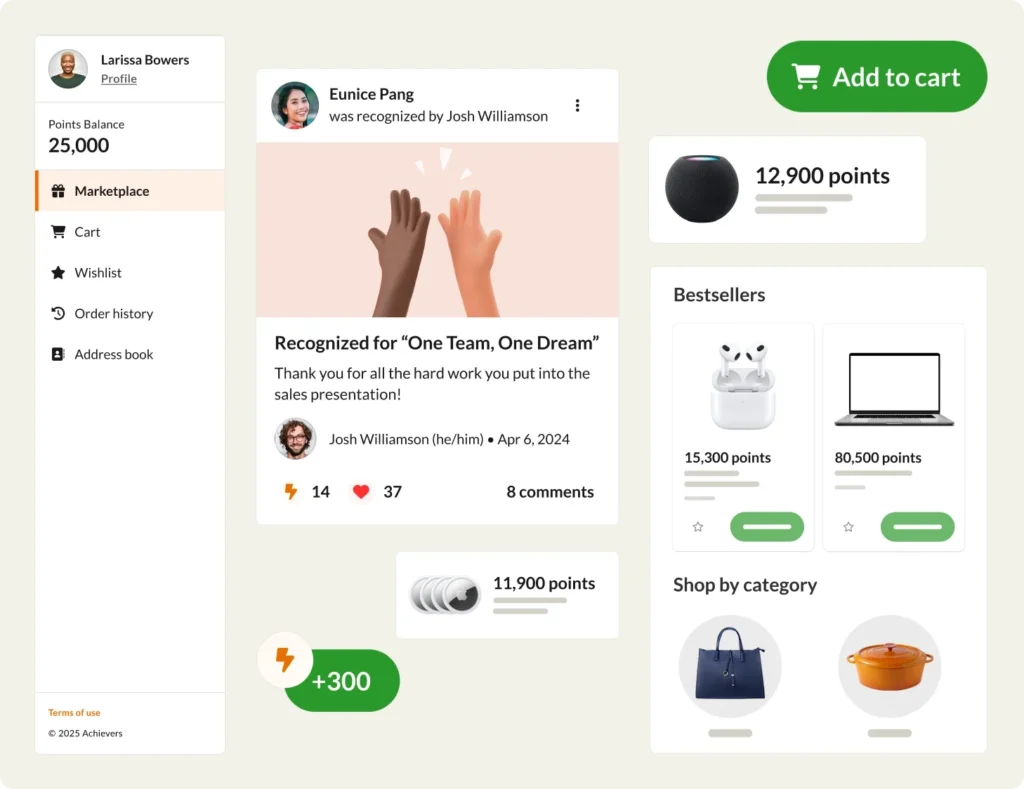
Choosing employee rewards software has become a strategic imperative for organizations aiming to recognize contributions, reward meaningful work, and cultivate a consistent, positive employee experience. These advanced platforms seamlessly integrate recognition, rewards, reporting, automation, and essential business integrations into a single, cohesive ecosystem. This holistic approach empowers companies to effectively reinforce desired behaviors, bolster employee engagement, improve retention rates, and ultimately drive performance goals.

The Evolving Landscape of Employee Recognition and its Strategic Importance
The modern workplace is undergoing a profound transformation, characterized by the rise of remote and hybrid work models, evolving employee expectations, and intensified competition for talent. In this dynamic environment, traditional compensation and benefits alone are often insufficient to foster deep employee loyalty and motivation. This shift has propelled employee recognition from a discretionary perk to a critical component of human capital strategy.
Historically, employee recognition largely consisted of annual awards, length-of-service ceremonies, or sporadic manager-led commendations. While well-intentioned, these approaches often lacked consistency, immediacy, and personalization, failing to resonate with a diverse and distributed workforce. The advent of digital employee rewards platforms marks a significant evolution, offering scalable, real-time, and highly customizable solutions that align with contemporary organizational needs. This progression reflects a broader understanding within HR circles that employee experience (EX) is paramount, directly influencing productivity and an organization’s ability to attract and retain top talent.
The imperative for robust recognition and rewards programs is underscored by compelling data. According to the 2026 Engagement & Retention Report, a staggering 75% of surveyed employees indicated that a lack of appreciation through rewards would directly influence their decision to stay with their employer. This statistic highlights the tangible link between effective recognition, tangible rewards, and talent retention. Beyond retention, strong recognition cultures are correlated with higher productivity, improved customer satisfaction, and a more positive employer brand. Industry analysts, such as Everest Group, consistently highlight the growing maturity and strategic importance of the employee recognition and rewards solutions market, noting its increasing role in shaping positive workplace cultures and mitigating issues like "quiet quitting." The global market for employee recognition and rewards software is projected to grow significantly, reflecting its increasing adoption as a core HR technology.
Defining Customizable Employee Rewards Platforms
Customizable employee rewards platforms are sophisticated digital software solutions designed to empower organizations in crafting recognition programs, reward options, and milestone celebrations that are deeply integrated with their unique culture, strategic goals, and workforce demographics. These platforms move beyond generic offerings, enabling a tailored approach that resonates with individual employees and reflects organizational values. They provide the infrastructure for a continuous feedback loop of appreciation.
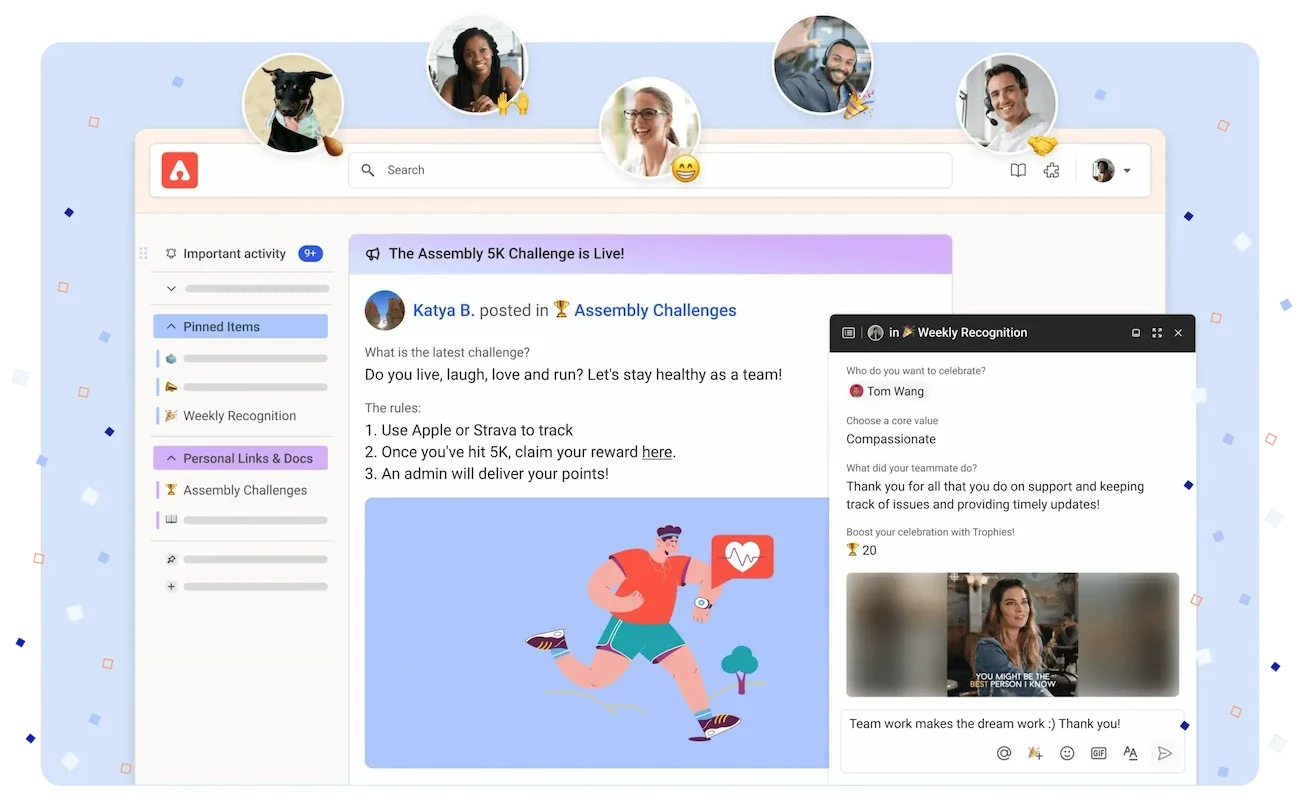
Key functionalities typically found in these platforms include:
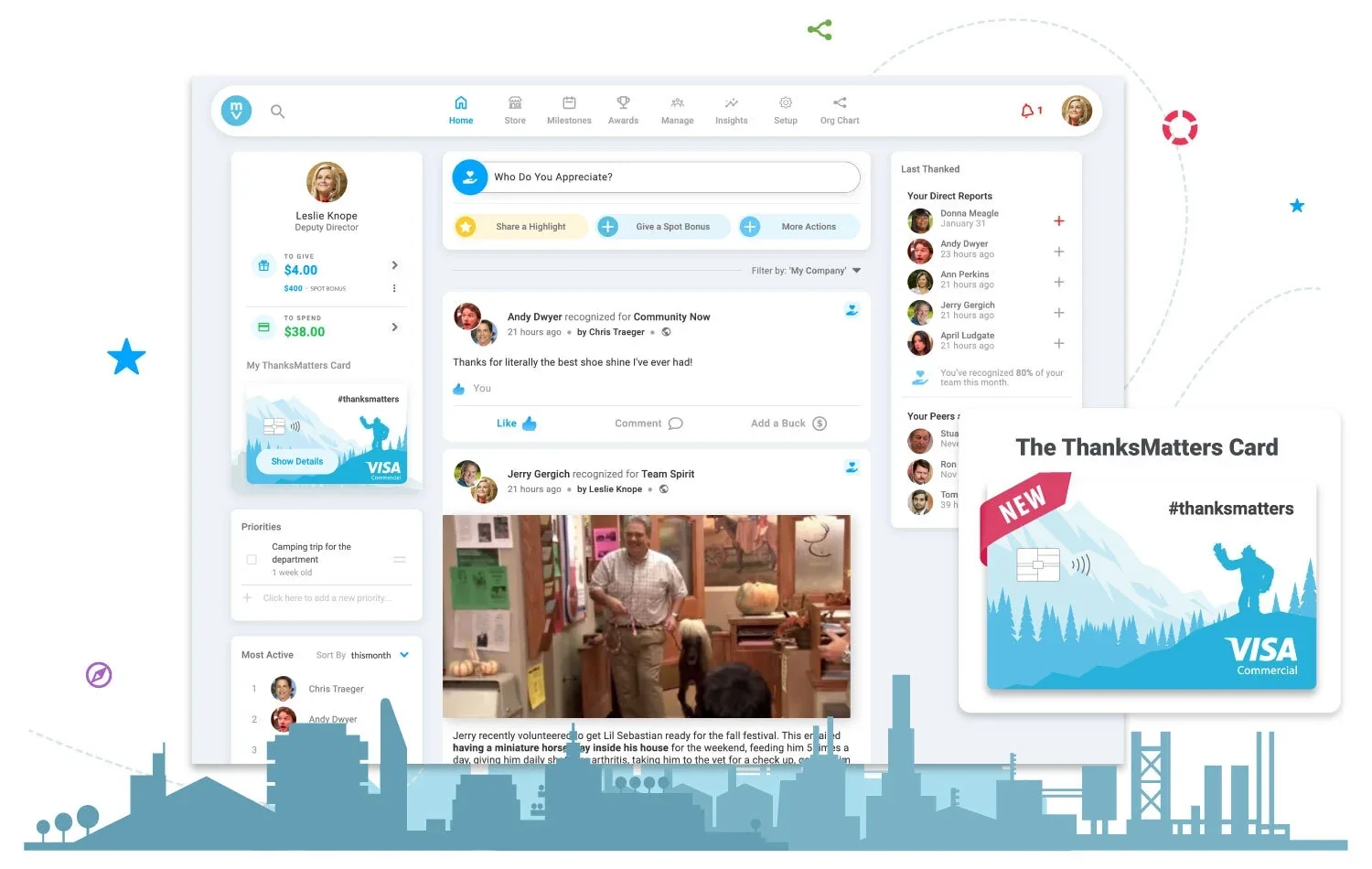
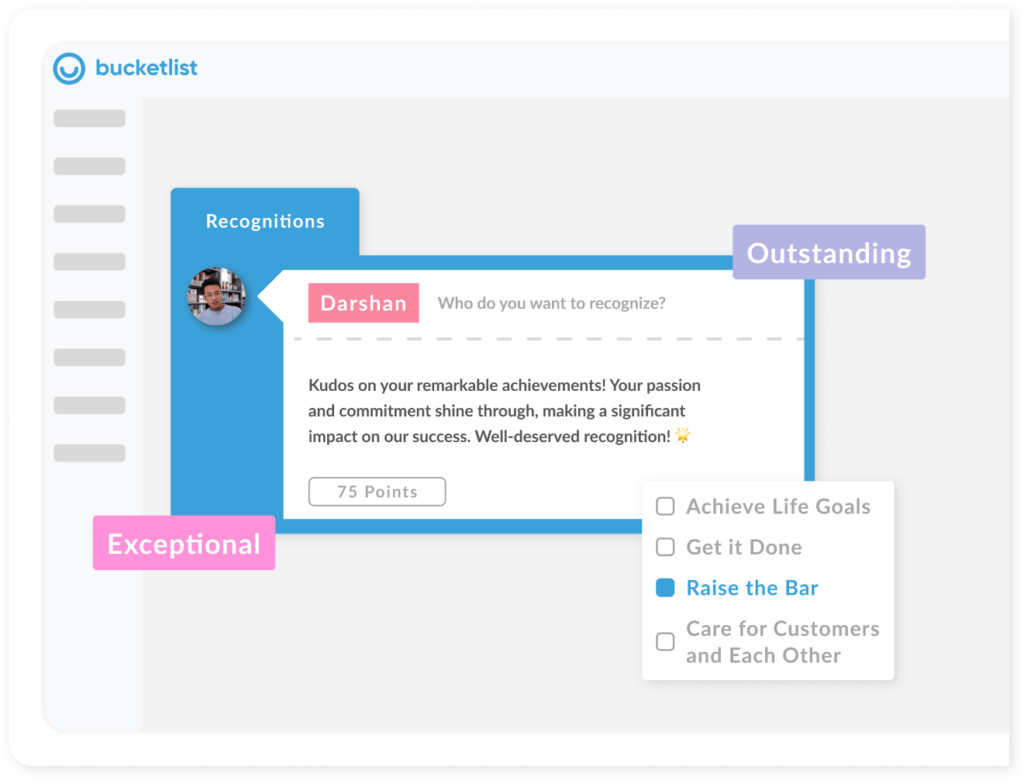
- Peer-to-Peer Recognition: Facilitating direct recognition among colleagues, fostering a culture of mutual appreciation and teamwork. This informal, frequent recognition is crucial for daily morale.
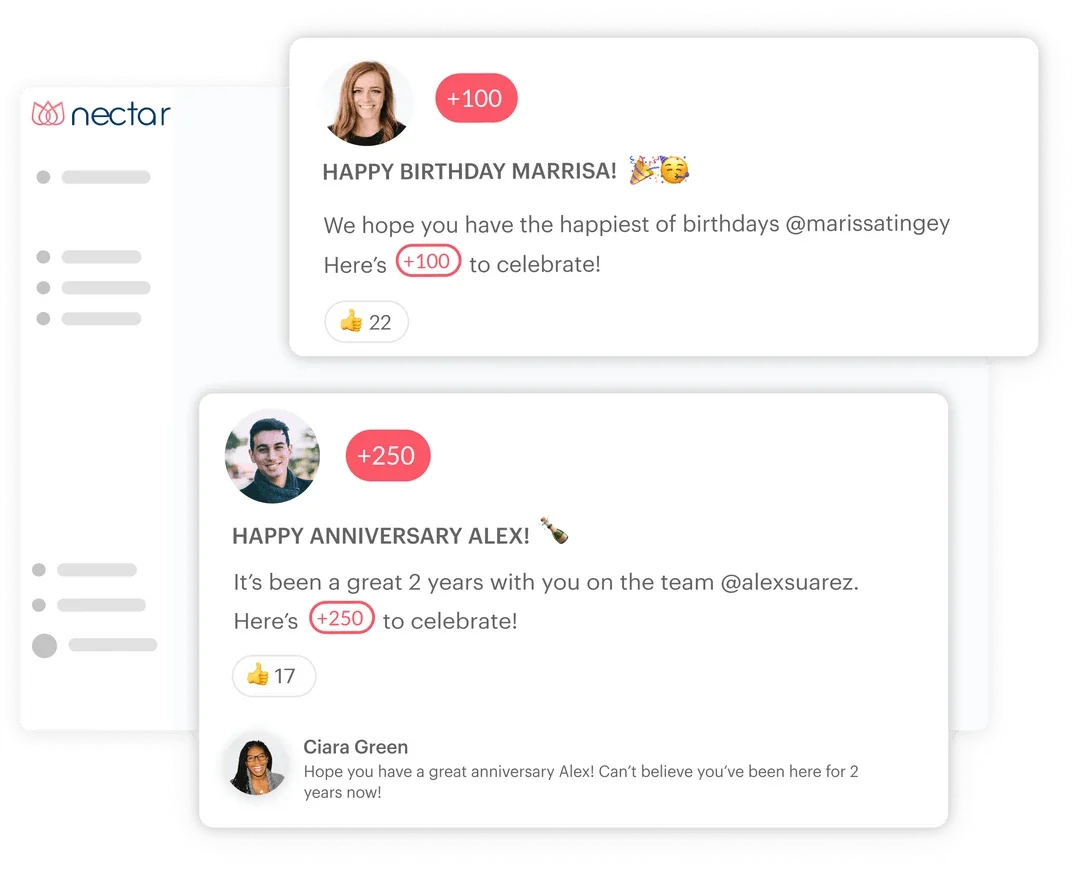
- Automated Celebrations: Automatically recognizing and celebrating significant milestones such as work anniversaries, birthdays, project completions, and other key career events. This ensures consistency and prevents oversight.
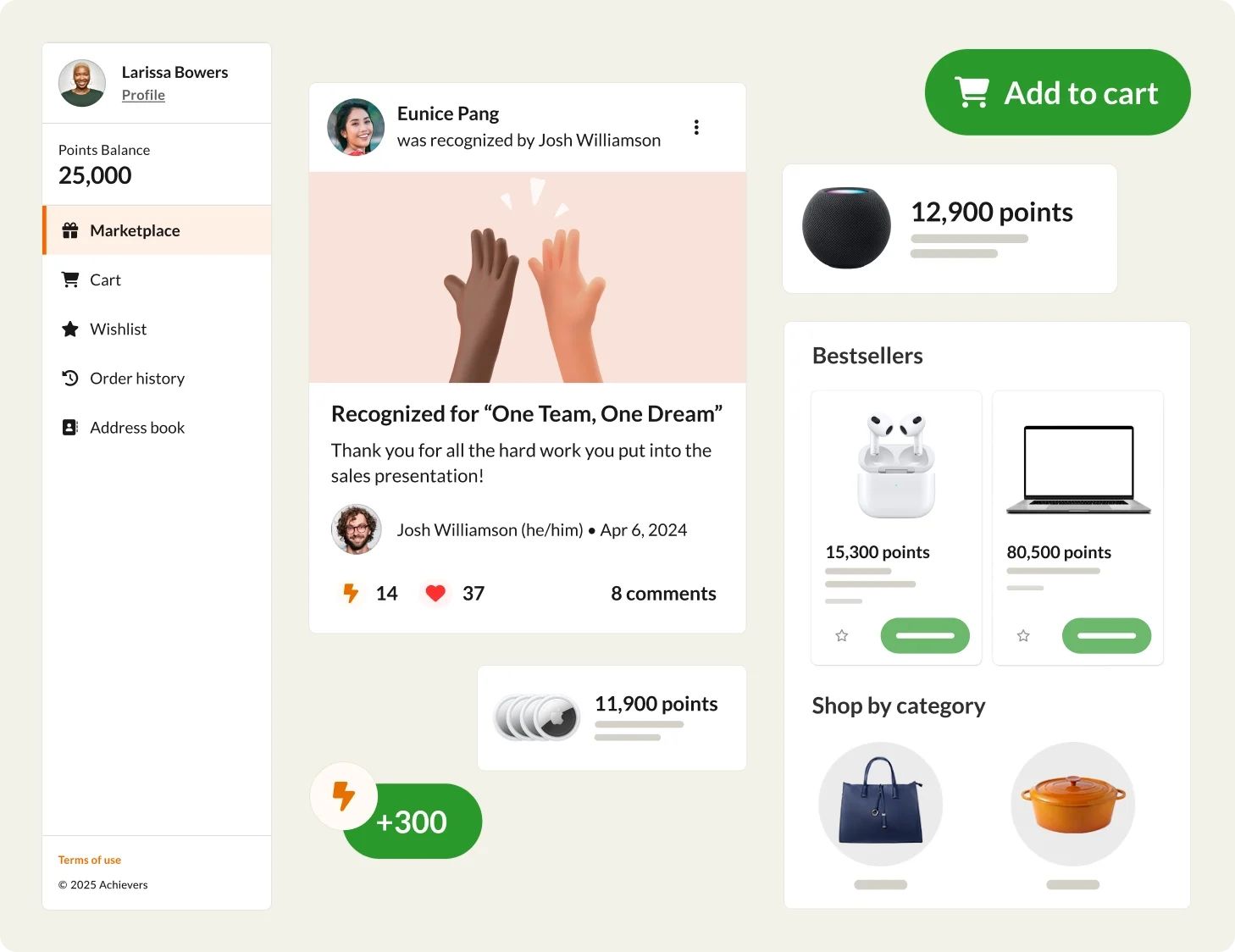
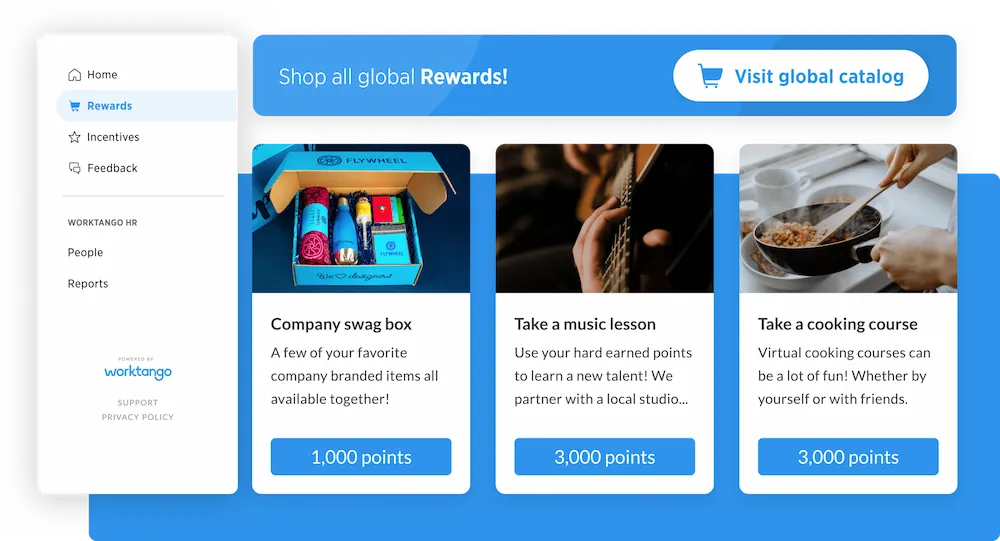
- Configurable Rewards Marketplaces: Offering a diverse catalog of rewards that can be customized to local preferences, cultural nuances, and budgetary constraints. This often includes global gift cards, experiential rewards (e.g., travel vouchers, unique activities), charitable donations, company merchandise, and even personalized concierge-level perks.
- Program Management Tools: Providing HR and leadership teams with comprehensive dashboards, analytics, and administrative controls to design, manage, track, and optimize recognition programs effectively. This includes budget allocation, approval workflows, and reporting on key metrics.
These features collectively streamline the delivery and scaling of recognition, ensuring that appreciation is timely, visible, and impactful, regardless of an employee’s location or role within the organization. They transform recognition from an occasional event into an embedded cultural practice.
Comprehensive Impact Across the Organization: Employees, Managers, and HR
Employee rewards software creates a ripple effect, positively impacting key stakeholders across an organization:
-
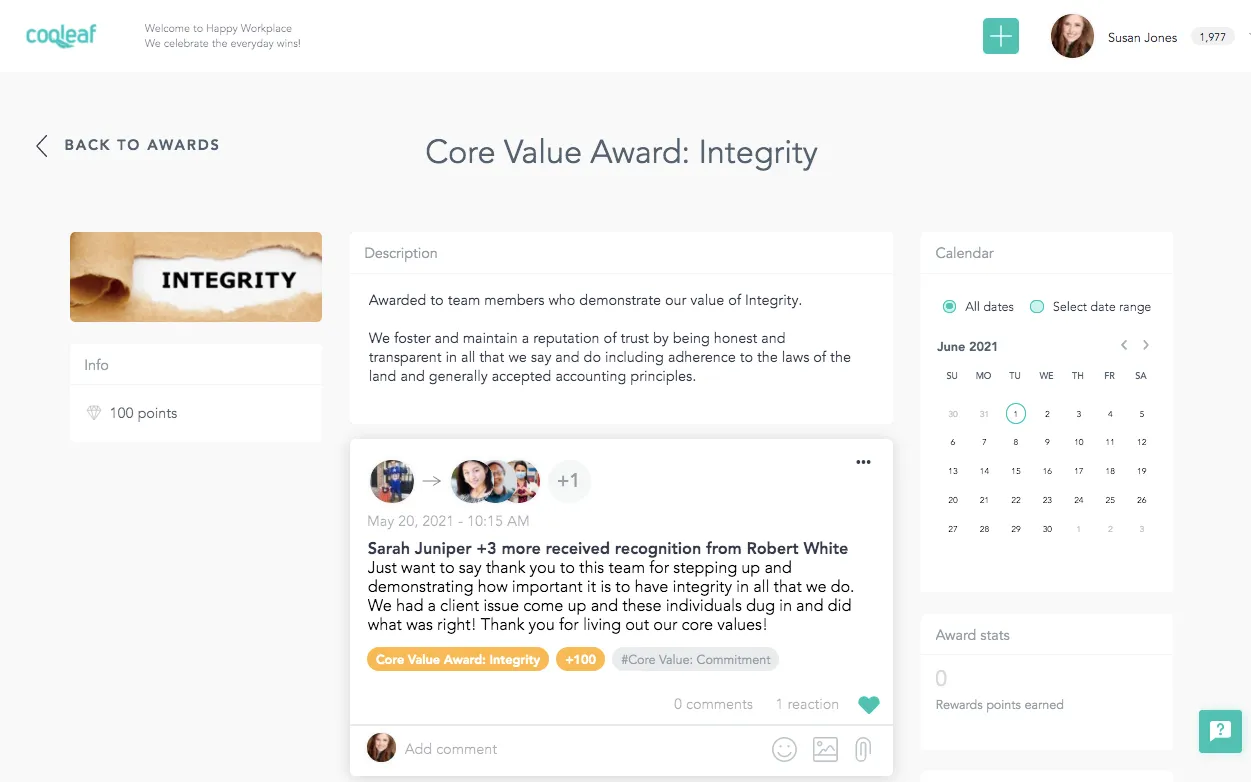
Employees: For employees, the most direct benefit is experiencing more consistent, meaningful, and personalized appreciation. Receiving recognition, particularly through tangible rewards, reinforces that their contributions are noticed, valued, and contribute to the company’s success. This boosts morale, job satisfaction, and a sense of belonging, directly combating feelings of being overlooked. The flexibility in reward options allows employees to choose what truly motivates them, making the recognition feel more personal and impactful. As one sales consultant noted, "I love that the selection of different things you can buy with Achievers points is wide and expansive. There is something for everyone!" This sentiment reflects a common desire for choice and relevance in rewards.
-
Managers: Managers gain an intuitive and efficient tool to recognize good work and celebrate achievements in real-time. This empowers them to be more effective leaders, fostering stronger team cohesion and individual motivation. The platforms often provide prompts, templates, and budget management features that simplify the recognition process, allowing managers to focus on meaningful interactions rather than administrative hurdles. Consistent recognition from managers is a cornerstone of employee engagement, and these platforms make it easier to embed this practice into daily workflows, even for managers with large or distributed teams.
-
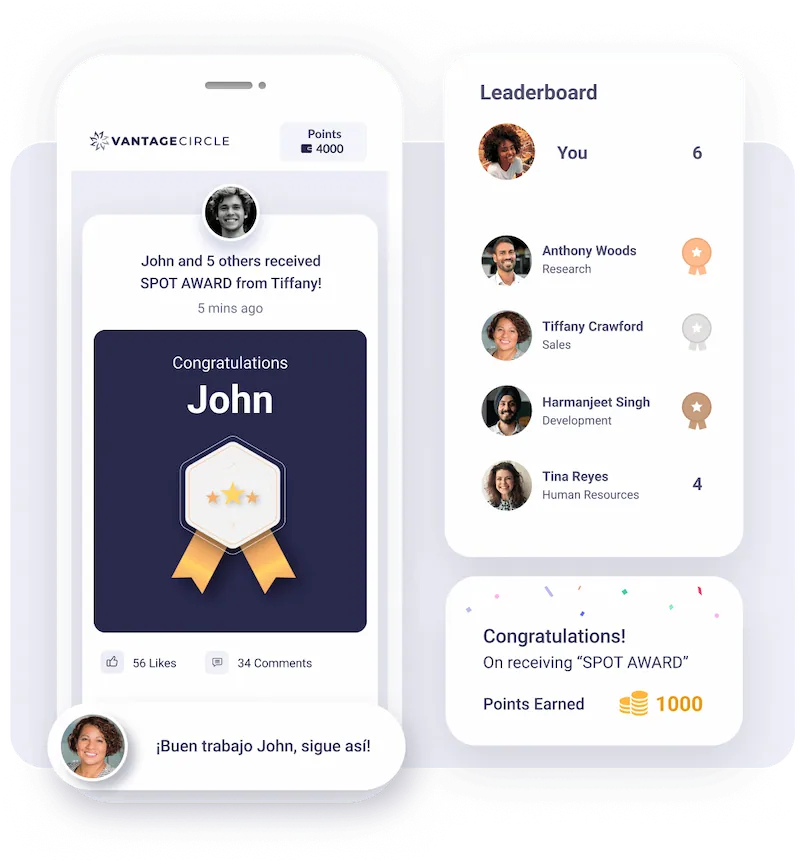
HR Teams and Leadership: HR leaders benefit from enhanced visibility into recognition activity and program effectiveness. Dashboards provide data on participation rates, popular reward choices, recognition trends across departments, and alignment with company values. This data is invaluable for understanding employee sentiment, identifying engagement gaps, and making data-driven adjustments to HR strategies. Furthermore, automation of milestone celebrations reduces administrative burden, freeing up HR professionals to focus on more strategic initiatives. The ability to scale recognition programs across diverse employee populations—from in-office to hybrid, remote, and frontline teams—ensures equity and consistency, supporting broader engagement and retention goals. HR leaders can leverage analytics to demonstrate the return on investment (ROI) of recognition programs, linking them to reduced turnover and increased productivity.
Keys to Success and Potential Pitfalls in Implementation
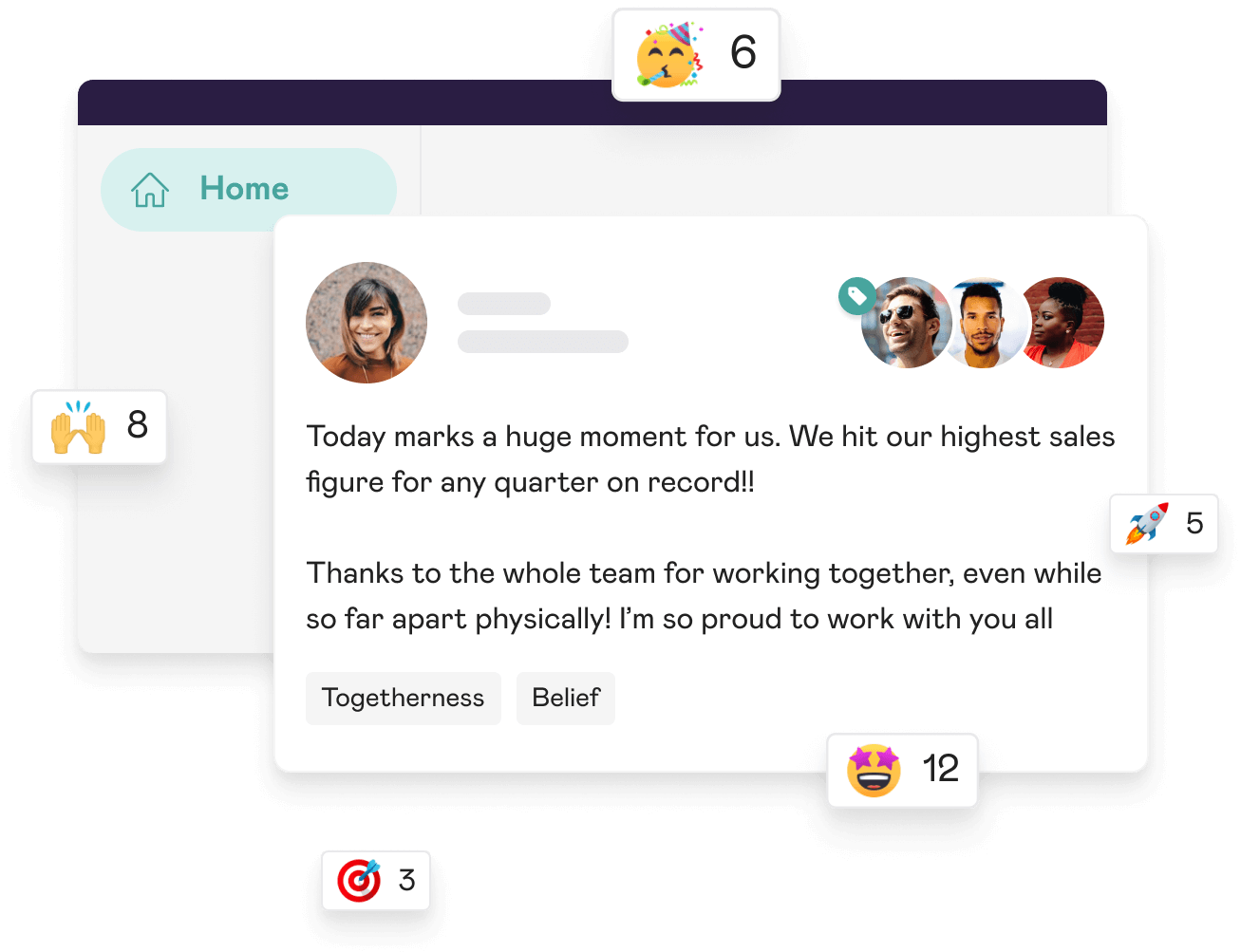
The effectiveness of employee rewards software hinges on strategic implementation and ongoing management. Its success is not merely about the technology, but how that technology is integrated into the organizational culture.
When Employee Rewards Software Works:
- Integrated Strategy: The software thrives when rewards are an integral part of a broader, well-defined recognition strategy. Employees must perceive a clear, consistent connection between their efforts, contributions, and the appreciation they receive.
- Authenticity and Timeliness: Recognition that is authentic, specific, and delivered promptly after an achievement is far more impactful. Platforms that facilitate immediate peer-to-peer or manager-to-employee recognition excel, aligning with the principle that "recognition delayed is recognition denied."
- Meaningful Rewards: The reward options must be diverse, flexible, and genuinely appealing to the workforce. When employees can choose rewards that truly resonate with their preferences, the system is perceived as more valuable. This requires understanding employee demographics and preferences.
- High Participation: Broad and consistent participation across all levels of the organization is crucial. When recognition becomes a widespread cultural norm, rather than an isolated activity, its impact is maximized. This fosters a sense of shared responsibility for positive culture.
- Alignment with Values: Successful platforms reinforce desired behaviors and company values, making recognition a powerful tool for cultural reinforcement and organizational alignment. This moves recognition beyond mere "thank yous" to strategic reinforcement.
When Employee Rewards Software Fails:
- Inconsistent Recognition: Sporadic or infrequent recognition undermines the program’s credibility and impact. Employees may feel that their efforts are only acknowledged occasionally, diminishing motivation and fostering cynicism.
- Generic or Unappealing Rewards: If rewards feel impersonal, limited, or irrelevant to employees, they lose their motivational power. A "one-size-fits-all" approach rarely works for a diverse workforce, leading to low redemption rates and perceived waste.
- Limited Participation: If only a small group of employees or managers actively uses the platform, it fails to create a pervasive culture of appreciation. This can lead to feelings of inequity and disengagement among those not recognized, creating an "us vs. them" dynamic.
- Lack of Visibility or Transparency: If employees don’t see how their peers are being recognized or understand the criteria for rewards, the system can feel opaque and unfair, eroding trust.
- Poor Integration or User Experience: Clunky interfaces, lack of mobile access, or poor integration with existing workplace tools can create friction, discouraging adoption and consistent use. A platform that adds to administrative burden rather than reducing it is doomed to fail.
Where Recognition and Rewards Intersect with the Employee Lifecycle
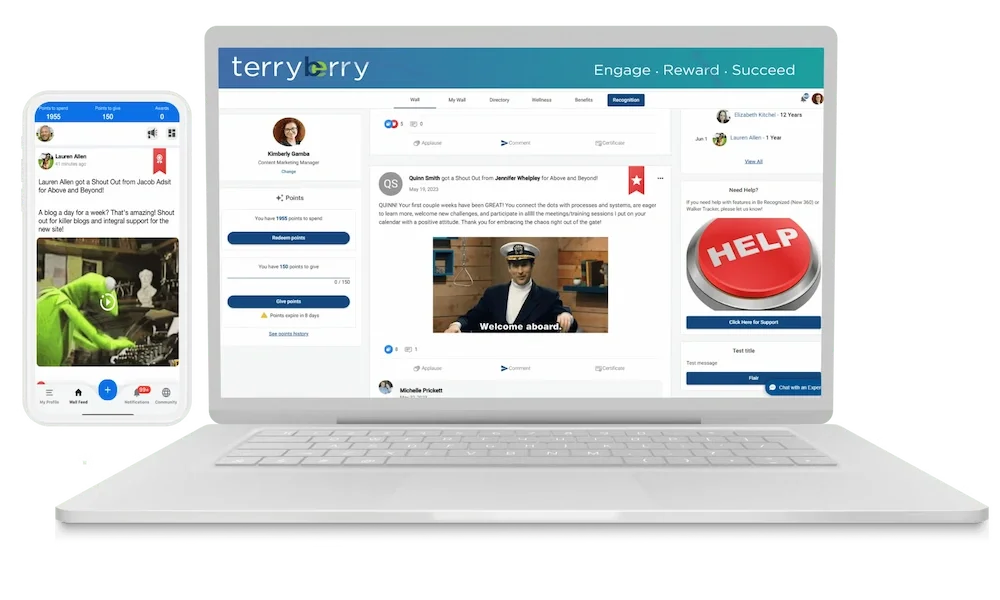
Employee rewards software is not a standalone tool but rather an embedded component across the entire employee lifecycle. Its applications are manifold, touching every stage of an employee’s journey with an organization:
- Onboarding: Recognizing early contributions and milestones helps new hires feel welcomed, integrated, and valued from day one, setting a positive tone for their employment.
- Performance Recognition: Acknowledging successful project completion, exceeding targets, demonstrating core competencies, or embodying company values on an ongoing basis reinforces desired behaviors and motivates continuous improvement.
- Service Anniversaries: Automating celebrations for years of service demonstrates long-term appreciation and reinforces loyalty, often with tiered rewards that grow with tenure.
- Career Milestones: Recognizing promotions, significant professional development achievements, or successful transitions within the company highlights growth opportunities and career progression.
- Engagement Initiatives: Supporting broader employee engagement efforts, team-building challenges, and cultural reinforcement across various work settings—in-office, hybrid, remote, and frontline—by providing incentives and recognition for participation and achievement.
Essential Features of Modern Employee Rewards Software
To effectively support these diverse applications, modern employee rewards software typically includes a robust set of features that address the full spectrum of recognition needs:
- Peer-to-Peer Recognition: Empowers all employees to give recognition, fostering a truly collaborative and appreciative environment.
- Manager-Led Recognition: Provides dedicated tools for managers to easily acknowledge and reward their direct reports, aligning recognition with performance management.
- Automated Milestone Celebrations: Configurable triggers for key events like work anniversaries and birthdays, ensuring no important moment is missed.
- Global Rewards Marketplace: Offers an extensive and regionally relevant array of reward options, including gift cards, merchandise, experiences, and charitable donations, with support for various currencies and local fulfillment.
- Points-Based System: A flexible and transparent system where recognition can be tied to points that employees accumulate and redeem at their leisure.
- Social Recognition Feed: A public, real-time feed where recognitions are visible to the broader team or organization, amplifying