September 12 marks the annual observance of National Day of Encouragement, a dedicated occasion to uplift and support individuals through genuine appreciation and optimism. This day serves as a powerful reminder of the profound impact that simple acts of kindness and encouragement can have, particularly within the professional sphere. In today’s dynamic and often demanding work environments, fostering a culture where employees feel seen, valued, and motivated is paramount. This holds true especially during periods of high workload, ambitious projects, or challenging circumstances. The National Day of Encouragement offers a timely and natural alignment with robust employee recognition strategies, providing organizations with a valuable opportunity to weave everyday human support into the fabric of their operations, whether through swift messages, team-wide acknowledgments, or thoughtfully crafted digital greetings.
The Intertwined Power of Encouragement and Recognition
While closely related, encouragement and recognition are distinct yet complementary forces in building a positive workplace. Recognition typically focuses on past achievements, acknowledging efforts, outcomes, behaviors, or milestones. It is a statement of affirmation, often articulated as, "You did a great job." In contrast, encouragement looks toward the future. It is about building confidence, offering reassurance, and reinforcing the belief that an individual is supported in their ongoing endeavors. Encouragement conveys a message like, "Keep going – you’re making an impact."
The synergy between these two elements creates a powerful reinforcement loop. When employees receive both recognition for their accomplishments and encouragement for their future efforts, the message of their value and potential is significantly amplified. Recognition validates their contributions, demonstrating that their work is noticed and appreciated. Simultaneously, encouragement fuels their resilience, sustains their motivation, and bolsters their confidence as they face new challenges or continue their work. Together, they cultivate an environment where appreciation is not solely reserved for completed successes but is a continuous stream of support, actively contributing to employee well-being and performance. This integrated approach is particularly valuable for managers and HR professionals aiming to enhance the overall employee experience. Not every significant contribution needs to be tied to a major event; often, a timely word of encouragement can be as impactful as a formal commendation.

The Historical Context and Evolution of Workplace Encouragement
The concept of encouraging others is as old as human interaction itself. However, its formal recognition as a dedicated day is a more recent development. While the precise origins of National Day of Encouragement are somewhat diffused, its emergence reflects a growing understanding in both psychology and organizational behavior about the critical role of positive reinforcement and social support in human motivation and performance. Early 20th-century psychology, particularly the work of figures like B.F. Skinner on operant conditioning, highlighted the power of reinforcement in shaping behavior. Later, humanistic psychology, with proponents like Abraham Maslow and Carl Rogers, emphasized the importance of self-actualization and the need for positive regard and support for individual growth.
In the corporate world, the late 20th century saw a shift from purely command-and-control management styles to more employee-centric approaches. This evolution was driven by research demonstrating the link between employee morale, engagement, and productivity. The rise of the "knowledge worker" and the increasing complexity of business environments necessitated workplaces that fostered innovation, collaboration, and adaptability – all of which are nurtured by a supportive and encouraging atmosphere. National Day of Encouragement, falling on September 12, has become an opportune moment for organizations to intentionally cultivate these positive dynamics, serving as a mid-year impetus to reinforce these values before the year-end rush.
Data-Driven Insights: The Impact of Encouragement on Employee Engagement
Numerous studies underscore the tangible benefits of encouragement and recognition in the workplace. A 2023 report by Gallup, "State of the Global Workplace," revealed that only 21% of employees worldwide are engaged at work, with a significant portion experiencing stress and burnout. This highlights a critical need for more supportive and motivating work environments. Research consistently shows that regular, meaningful recognition and encouragement are key drivers of employee engagement. For instance, a study published in the Journal of Applied Psychology found that employees who received frequent positive feedback and encouragement reported higher job satisfaction, lower turnover intentions, and improved performance.
Furthermore, the impact extends to mental well-being. A survey by the American Psychological Association indicated that workplace stress is a significant contributor to poor mental health. Encouragement acts as a buffer against this stress by fostering a sense of belonging and psychological safety, making employees feel more resilient and capable of handling workplace pressures. Data from industry leaders in employee experience platforms often shows a correlation between the use of recognition and encouragement tools and a decrease in absenteeism and an increase in employee retention rates. For example, companies that implement consistent recognition programs often report a 10-15% reduction in voluntary turnover.
Practical Strategies for Implementing Encouragement
Organizations can leverage National Day of Encouragement to implement or enhance their existing appreciation strategies. The key is to make these gestures authentic, timely, and specific. Here are several effective approaches:
1. Launching Targeted E-Card Campaigns
Digital greetings offer a scalable and accessible method for disseminating encouragement. These e-cards can be designed for various scenarios:
- For Overcoming Challenges: "You’ve got this, and we’re cheering you on!" This message is ideal for employees tackling new responsibilities, navigating busy periods, or preparing for significant presentations or deadlines. It acknowledges the difficulty and provides a clear vote of confidence.
- For Consistent Impact: "Keep shining! Your work makes a difference." This e-card is well-suited for recognizing employees who consistently demonstrate a positive attitude, contribute to a strong team culture, or exhibit unwavering dedication. It celebrates their ongoing influence.
- For General Appreciation: "A little encouragement for someone who deserves a lot of appreciation." This versatile message serves as a broad expression of gratitude, particularly beneficial for employees whose contributions might not always be in the spotlight but are nonetheless vital to the organization’s success.
These e-cards can be deployed through internal communication channels, employee recognition platforms, or even email, encouraging peer-to-peer and manager-to-employee sharing.
2. Integrating Encouragement Prompts into Daily Communication
Providing employees with specific prompts can demystify the act of giving encouragement and make it more actionable. These prompts can be shared via internal newsletters, team chat channels, or during team meetings:

- "I really appreciate how you handled [specific situation]. Your approach was [positive attribute, e.g., insightful, patient, creative]."
- "Your dedication to [project/task] is inspiring. Keep up the great work!"
- "I’m impressed by your willingness to [help a colleague, take on a new challenge]. Thank you for being such a supportive team member."
- "Remember that challenge you faced last week? I saw how you persevered, and I’m confident you’ll continue to succeed."
3. Elevating Team Meetings with Recognition Moments
Dedicate a brief segment of regular team meetings, perhaps five minutes, to peer-to-peer shoutouts. This practice ensures that encouragement becomes a regular fixture, fostering a consistent culture of appreciation. Managers can facilitate these moments by inviting team members to share brief acknowledgments of colleagues’ efforts, positive contributions, or helpfulness. This format is inclusive, quick, and easy for leaders to manage, ensuring that positive reinforcement is embedded into routine operational cadences.
4. Establishing a Digital Encouragement Wall
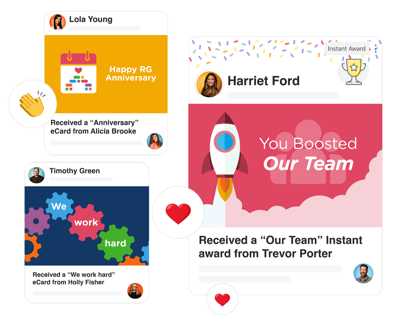
A virtual space for employees to share supportive messages can create a powerful sense of community and collective affirmation. This can take the form of a dedicated channel on an internal communication platform, an intranet page, or a collaborative online board. Such platforms can allow employees to post notes, share reactions, and even attach small spot awards, amplifying the impact of their messages. For instance, Reward Gateway | Edenred’s platform features a "Wow wall" where recognition across the company is visible, fostering cross-team acknowledgment and engagement.
5. Highlighting Everyday Impact Beyond Major Milestones
National Day of Encouragement serves as an excellent reminder to celebrate not only significant achievements but also the consistent effort, collaboration, and progress that often go unnoticed. Recognizing these everyday contributions is crucial, as they form the bedrock of sustained organizational success and employee morale. This shift in focus from solely celebrating "wins" to acknowledging the journey and the incremental progress reinforces that every contribution, big or small, is valued.
Official Responses and Inferred Statements from Industry Leaders
While specific official statements for National Day of Encouragement are not typically issued by governmental bodies, its observance aligns with broader corporate social responsibility and human resources best practices. Leaders in the HR and employee experience space consistently advocate for cultures of appreciation. An inferred statement from a Chief People Officer at a leading tech firm might read: "At [Company Name], we believe that fostering an environment of continuous encouragement and appreciation is not just a ‘nice-to-have,’ but a strategic imperative. National Day of Encouragement provides a valuable focal point for us to reinforce our commitment to supporting our employees, celebrating their resilience, and empowering them to achieve their fullest potential. Our investment in recognition and encouragement is an investment in our people and, consequently, in our collective success."

Similarly, an HR Director might comment: "This day is a fantastic opportunity to remind our teams that a few well-chosen words can have a profound impact. It’s about building psychological safety, ensuring that every team member feels heard and valued, especially during demanding periods. We aim to integrate these principles into our daily operations, making encouragement a natural part of our organizational DNA."
Broader Impact and Implications for the Future of Work
The emphasis on encouragement and appreciation, amplified by observances like National Day of Encouragement, has significant implications for the future of work. As organizations navigate increasing complexity, rapid technological change, and evolving employee expectations, fostering a supportive and motivating environment becomes a competitive differentiator. Companies that prioritize genuine encouragement are likely to experience:
- Enhanced Employee Loyalty and Retention: Employees who feel consistently supported are less likely to seek opportunities elsewhere. This reduces recruitment and training costs and preserves institutional knowledge.
- Increased Productivity and Innovation: A culture of encouragement fosters psychological safety, encouraging employees to take calculated risks, share ideas freely, and collaborate effectively, leading to greater innovation and improved output.
- Improved Mental Health and Well-being: By mitigating workplace stress and fostering a sense of belonging, encouragement contributes to a healthier and happier workforce, reducing burnout and absenteeism.
- Stronger Organizational Culture: Consistent acts of encouragement build trust, strengthen interpersonal relationships, and create a more positive and cohesive organizational culture.
In conclusion, National Day of Encouragement is more than just a date on the calendar; it is an invitation to actively cultivate a workplace where human support and positive reinforcement are integral to daily operations. By understanding the distinction and synergy between encouragement and recognition, leveraging data-driven insights, and implementing practical strategies, organizations can harness the power of this day to build more engaged, resilient, and thriving workforces. The lasting impact of a culture that genuinely encourages its people extends far beyond a single day, shaping a more positive and productive future for all.