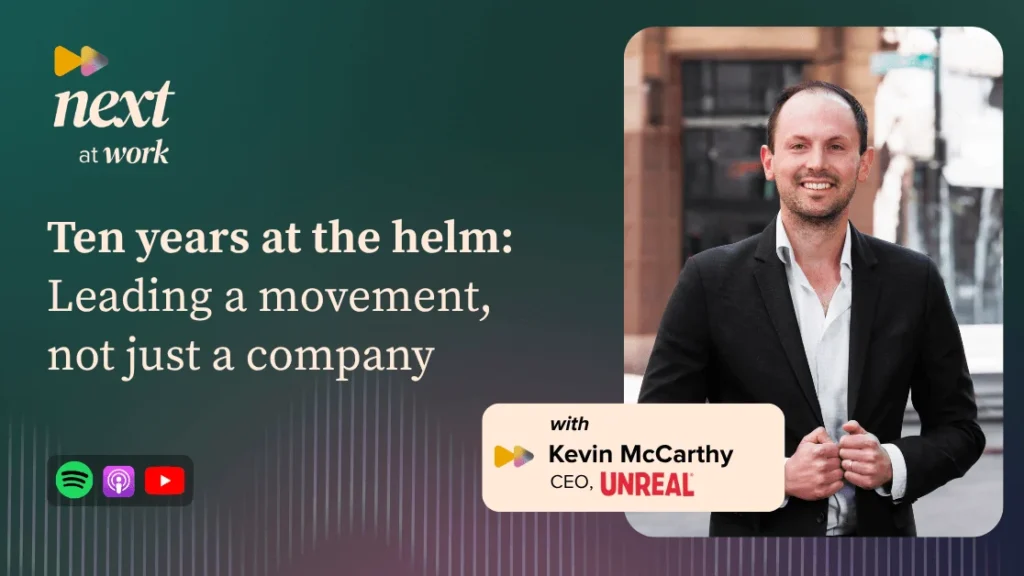
At just 24 years old, Kevin McCarthy stepped into the demanding role of CEO at UNREAL, a burgeoning chocolate company with an ambitious mission: to fundamentally alter the American perception and consumption of candy. A decade later, McCarthy remains firmly at the helm, having meticulously guided UNREAL from a passionate startup to the preeminent better-for-you chocolate brand in the United States, overseeing a fully remote team dispersed across the nation. This journey, marked by rapid growth, strategic innovation, and a steadfast commitment to its core values, offers profound insights into modern leadership, entrepreneurship, and the cultivation of a resilient, mission-driven enterprise in a fiercely competitive consumer goods landscape.
The Genesis of a Sweet Revolution: UNREAL’s Ascent
UNREAL’s inception predates McCarthy’s CEO tenure, emerging from a simple yet powerful idea: to craft chocolate that was as delicious as traditional offerings but with significantly less sugar and superior, real ingredients. This vision positioned the company squarely within the nascent "better-for-you" movement, a trend that has since blossomed into a multi-billion dollar segment of the global food industry. When McCarthy first joined UNREAL as an employee twelve years ago, the company was still finding its footing, navigating the complexities of product development, supply chain logistics, and market entry. His subsequent appointment as CEO, at an age when many are just beginning their professional careers, was a testament to his innate understanding of the business and a profound belief in its transformative potential.
Under McCarthy’s leadership, UNREAL has achieved remarkable market penetration, with its products now gracing the shelves of over 35,000 retail locations nationwide, including major players like Target, Costco, and Whole Foods. This extensive distribution network underscores the brand’s successful challenge to established confectionery giants, demonstrating that consumers are increasingly seeking indulgent treats that align with healthier lifestyle choices. The company’s consistent growth, evidenced by a reported 15% year-over-year increase in mainstream retailers, highlights the sustained demand for transparently sourced, high-quality snacks.
However, building a successful brand over ten years involves navigating a myriad of challenges extending far beyond securing shelf space. For McCarthy, this journey has encompassed the intricate process of scaling an organization while simultaneously evolving as a leader, fostering a robust company culture in a distributed work environment, and championing sustainable business practices against a backdrop that often glorifies relentless, round-the-clock work. These pivotal experiences and the lessons gleaned from them formed the core of a recent discussion between McCarthy and host Brendan Jeannetti on the "Next at Work" podcast, delving into leadership, entrepreneurship, and the realities of establishing a lasting, mission-centric business.
Leadership’s Unconventional Start: The "Readiness is a Trap" Philosophy
A common trope in leadership narratives is the idea of being "ready" for the next big step. When questioned about his readiness to lead UNREAL at just 24, McCarthy offered a refreshingly candid perspective: "I don’t think you’re ever, like, ready ready." He acknowledged possessing a solid foundational understanding of the business, having spent two years immersed in its operations, supply chain, and various roles. Yet, the leap to CEO demanded a different kind of preparedness, one that transcends checklists and conventional experience metrics.
McCarthy’s ascent challenges the prevailing wisdom that dictates waiting until every box is checked before pursuing a leadership role. His approach was rooted in a profound belief in UNREAL’s mission and an unwavering drive to prove its viability. While credentials and prior experience can open doors, McCarthy asserts that genuine conviction in the purpose of what one is building is the ultimate fuel for navigating the inherent uncertainties of entrepreneurship. The board, in their decision to appoint him, evidently recognized this potent combination of practical knowledge and fervent belief. This move by UNREAL’s board was indicative of a broader trend seen in venture-backed companies, where agility, innovative thinking, and an entrepreneurial spirit are often prioritized over traditional, rigid corporate hierarchies and extensive C-suite track records.
McCarthy’s advice to aspiring leaders is direct and actionable: "Stop chasing roles. Find something you genuinely care about solving. Put the pressure on yourself to deliver for that mission, not for a title. Your career takes many turns. If you care about the problem and the impact, the trajectory usually follows." This philosophy informed his early hiring decisions. When assembling his initial team of ten, McCarthy sought individuals who mirrored the qualities the board had identified in him: entrepreneurial hunger, a willingness to embrace risk for a greater mission, and an absence of ego concerning the work itself. Remarkably, eight years later, many of those foundational team members remain with UNREAL, a testament to the power of aligning personal drive with collective purpose and the enduring strength of a shared vision. This stability in leadership and core team members is often cited by organizational development experts as a critical factor in a startup’s long-term success, fostering institutional knowledge and a coherent strategic direction.
Combating the "Hustle Culture": Burnout as a Leadership Imperative
The contemporary business landscape frequently romanticizes "hustle culture," extolling the virtues of burning the midnight oil and relentless work schedules. However, McCarthy has witnessed firsthand the destructive toll this ethos can take on individuals and organizations. "There’s a lot of celebration of the grind and working super hard. That’s not sustainable. That can be a sprint, but everything is a marathon in life," he reflected. This perspective underscores a critical insight: while intense periods of effort are sometimes necessary, a sustained culture of overwork is ultimately detrimental to long-term success and employee well-being.
McCarthy identifies a significant pitfall for leaders: if they absorb all the pressure and consistently model extreme work habits, their team will invariably follow suit. This creates a ripple effect, where the leader’s unsustainable pace trickles down, fostering an environment ripe for widespread burnout. The global pandemic further exacerbated this issue, with studies by organizations like Gallup showing that employee burnout reached alarming levels, impacting productivity, engagement, and retention across industries.
To counter this pervasive challenge, McCarthy advocates for a leadership approach centered on "situational awareness." The core question, he posits, should always be: "How do you serve the company and the mission?" When viewed through this lens, protecting personal and team boundaries transitions from a personal preference to a strategic necessity. A healthy, energized team is indispensable for consistent execution and innovation. The economic cost of burnout, encompassing increased absenteeism, higher turnover rates, and decreased productivity, makes its prevention a sound business decision. According to a recent study by the American Psychological Association, workplace stress and burnout cost the U.S. economy an estimated $300 billion annually.
Practically, McCarthy implements several strategies to foster a sustainable work environment. He emphasizes hiring individuals who possess strengths in areas where he is weaker, building a complementary and robust leadership team. He actively seeks out mentorship, recognizing the value of external perspectives and guidance. Crucially, he encourages self-reflection, prompting himself and his team to assess whether they are genuinely enjoying their work and feeling adequately challenged. Furthermore, McCarthy stresses the importance of foresight, urging leaders to anticipate the company’s needs a year or two down the line and proactively build capacity to meet those future demands, rather than reacting under pressure. This proactive approach to talent management and organizational health is a hallmark of resilient, forward-thinking companies.
Mission as the Cultural Anchor: UNREAL’s Remote Ethos
At the heart of UNREAL’s identity lies its unwavering core mission: "to create a world where all food is 100% real." This isn’t merely a marketing slogan; it’s the fundamental operating principle that permeates every aspect of the company, from product development to internal culture. McCarthy recalls joining UNREAL when its office environment was "dark… with no energy." Over his decade as CEO, he consciously rebuilt the company’s internal culture to align with the brand’s external promise: one that is fun, transparent, and profoundly mission-driven.
A vivid illustration of this mission-driven culture is UNREAL’s distinctive "Chocolate Expensing Policy." This unique perk allows employees to purchase and expense chocolate from any brand, not just UNREAL’s. The policy’s popularity is evident, with employees reportedly expensing over 3,900 pounds of chocolate in 2025. However, the policy’s true genius lies beyond the indulgence. It serves as a tangible mechanism to ensure the entire team remains intimately connected to the product category, understands the competitive landscape, empathizes with the customer experience, and stays deeply rooted in the "why" of their work. This innovative approach to employee engagement transforms a simple benefit into a powerful tool for market research, competitive analysis, and cultural reinforcement, fostering a sense of shared purpose and continuous learning.
The shift to a fully remote operational model, with approximately 100 employees dispersed across the United States, presented a new frontier for UNREAL’s culture. McCarthy candidly admits the inherent difficulties: the absence of informal lunch conversations, the challenge of gauging non-verbal cues on a video call, and the potential for communication distortions. These are common challenges faced by organizations globally, as the post-pandemic era cemented remote and hybrid work as mainstream models. Studies by institutions like Stanford University have highlighted the benefits of remote work in terms of flexibility and talent access, but also the complexities in maintaining team cohesion and spontaneous collaboration.
McCarthy’s solution to these remote culture challenges is straightforward yet demanding: "You have to put real effort in. You can’t declare it solved and move on." He stresses that remote culture building is not a one-time initiative but an ongoing, iterative process, constantly adapting to technological advancements and evolving team dynamics. Leaders, he asserts, must be the primary architects and models of this intentionality. When McCarthy demonstrates a commitment to protecting his own work-life boundaries, it sends a clear message to his team that such practices are不仅 permissible but encouraged. This leadership-by-example is critical in shaping a remote work environment where trust, autonomy, and well-being are prioritized.
The UNREAL Difference: Prioritizing Product Over Personal Brand
Over the past decade, Kevin McCarthy’s unwavering focus has been on the foundational element of UNREAL’s success: the product itself. In an era where personal branding has become an almost mandatory component of leadership, particularly for young CEOs in high-growth startups, McCarthy has deliberately chosen a different path. He has dedicated less energy to cultivating his public persona or reveling in the attention that often accompanies leading a successful company at a young age. Instead, his attention remains firmly fixed on the metrics that truly drive business longevity: "Do people buy the product again? Do they recommend it to others? What’s the repeat purchase rate?" These are the fundamental questions that guide his strategic decisions and measure the brand’s true impact.
This product-centric approach has been instrumental in UNREAL’s transformation from a struggling startup into the largest better-for-you chocolate brand in America, achieving impressive 15% year-over-year growth in mainstream retail channels. This sustained growth is a direct reflection of a consumer base increasingly seeking indulgent products that do not compromise on ingredient quality or health considerations. The market for natural and organic foods, of which better-for-you snacks are a key component, has seen consistent expansion, driven by growing health consciousness, dietary concerns, and a desire for greater transparency in food labeling.
McCarthy’s perspective on the burgeoning emphasis on personal branding among business leaders is refreshingly pragmatic: "It shouldn’t be about any one person. It’s about how you build something serving consumers." This statement encapsulates a philosophy that places the collective mission and the customer experience above individual recognition. For leaders grappling with the pressures of maintaining visibility and a curated online presence, McCarthy offers a compelling alternative: redirecting that energy towards building a superior product, fostering a robust team, and nurturing a culture that authentically reflects the brand’s values. His own story, while compelling, is deliberately downplayed in favor of highlighting the company, its pioneering mission, and the delicious products that keep consumers returning for more.
Looking Ahead: The Future of Conscientious Confectionery
As consumer preferences continue to shift towards healthier, more transparent food options, UNREAL is exceptionally well-positioned to capitalize on these evolving market dynamics. The demand for indulgent treats made with simpler, recognizable ingredients is not merely a fleeting trend but a fundamental recalibration of dietary values. UNREAL’s consistent innovation in product development, coupled with its robust distribution and a deeply embedded mission, suggests a trajectory of continued growth and influence within the confectionery industry.
Kevin McCarthy’s journey with UNREAL offers a compelling blueprint for modern entrepreneurship. His story is a powerful reminder that true leadership often involves a blend of audacious vision, humble self-awareness, and an unwavering commitment to both product excellence and people-centric values. By treating his career as a marathon, consciously building a team of mission-aligned individuals, and cultivating a culture that embodies the brand’s core promises, McCarthy has demonstrated how an ambitious idea can evolve into a sustainable, impactful business built to last. For an industry increasingly driven by quick wins and fleeting trends, UNREAL stands as a testament to the enduring power of genuine purpose and thoughtful, human-centered leadership.
Further Engagement with Thought Leadership
The comprehensive insights shared by Kevin McCarthy were originally featured on the "Next at Work" podcast, available on platforms such as Apple Podcasts, Spotify, and YouTube. This podcast is produced by Workable, an all-in-one talent platform dedicated to streamlining the hiring and management of teams with clarity and speed. Workable’s robust suite of solutions, which integrates recruiting, employee management, time-off tracking, and payroll, all powered by advanced AI, serves over 30,000 companies across 100 countries. By producing content like "Next at Work," Workable contributes to the broader discourse on effective organizational strategies and the future of work, aligning with McCarthy’s focus on building strong, sustainable teams. For those interested in connecting further, Kevin McCarthy can be found on LinkedIn, and UNREAL snacks on Instagram, with their full product range available at unrealsnacks.com.