The modern office, once a monolithic space defined by fixed desks and sprawling meeting rooms, is undergoing a profound transformation. As organizations embrace the flexibility of hybrid work models, a new set of challenges and opportunities are emerging, particularly concerning the optimal utilization of physical office space. Recent data indicates a significant resurgence in office attendance, prompting a critical re-evaluation of how workspaces are designed and managed. In this dynamic environment, acoustic office pods and booths are rapidly becoming an indispensable tool for creating functional, adaptable, and people-centric work settings, offering a sophisticated solution to the demand for both collaborative hubs and private sanctuaries.
The Resurgence of the Office: Data Points to Increased In-Person Collaboration
The narrative of the empty office is rapidly becoming a relic of the past. Leading real estate and workplace analytics firms are reporting a clear upward trend in employee presence. JLL’s Global Occupancy Planning Benchmark Report 2026, a comprehensive study tracking workplace trends, highlights a striking shift: the proportion of employees commuting to the office three to four days per week has surged to 55%, a notable 19 percentage point increase within a single year. Complementing this, 62% of organizations are now implementing a fixed number of office days for their teams, signaling a move towards structured in-person engagement. This strategic approach has propelled global office utilization rates to 56%, a figure that is steadily approaching pre-pandemic benchmarks.
This trend is further corroborated by CBRE’s 2026 Global Workplace and Occupancy Insights. Their findings reveal a similar upward trajectory, with average peak office utilization reaching an impressive 80%. This robust return to the office is not merely about fulfilling contractual obligations; it reflects a conscious choice by employees to engage in face-to-face collaboration, knowledge sharing, and team building. The resurgence underscores the enduring value of physical proximity for fostering innovation, strengthening company culture, and facilitating client relationships. However, this increased demand also presents a logistical puzzle: how can organizations effectively accommodate a higher volume of employees within their existing spatial configurations? The answer, it appears, lies not in simply expanding square footage, but in a more intelligent and nuanced allocation of space.
Reimagining Workday Dynamics: The Rise of Micro-Spaces
The hybrid work model has fundamentally reshaped the daily routines of office-based professionals. Video conferencing, once a supplementary communication tool, is now an integral component of nearly every role, often involving one or two individuals in the office connecting with remote colleagues or clients. These frequent, often brief, interactions, along with quick one-on-one discussions and periods of deep, focused work, necessitate quiet, private environments. In the absence of dedicated spaces, employees inevitably gravitate towards larger meeting rooms, repurposing them for activities that require a fraction of their intended capacity. This leads to a significant underutilization of valuable meeting room resources and can create bottlenecks on busy office days.
The strategic deployment of acoustic office pods and booths offers a direct and effective solution to this challenge. These modular units are meticulously designed to provide dedicated, acoustically insulated spaces for a wide spectrum of work activities. From the solo video call to the informal team huddle, each type of interaction can now have its own designated "home." This not only enhances individual productivity and well-being by offering respite from the open-plan environment but also liberates larger meeting rooms for their intended purpose: collaborative workshops, strategic planning sessions, client presentations, and other high-value group activities that justify the commute and foster a sense of shared purpose.
A Spectrum of Solutions: Pods and Booths Tailored to Diverse Needs
The contemporary market offers a sophisticated array of acoustic pod and booth solutions, enabling organizations to curate a flexible workspace ecosystem that mirrors their unique operational rhythms. This diversity ensures that companies can invest in solutions that precisely address their specific needs, rather than resorting to one-size-fits-all approaches.
Single-Person Phone Booths: The Epitome of Personal Privacy
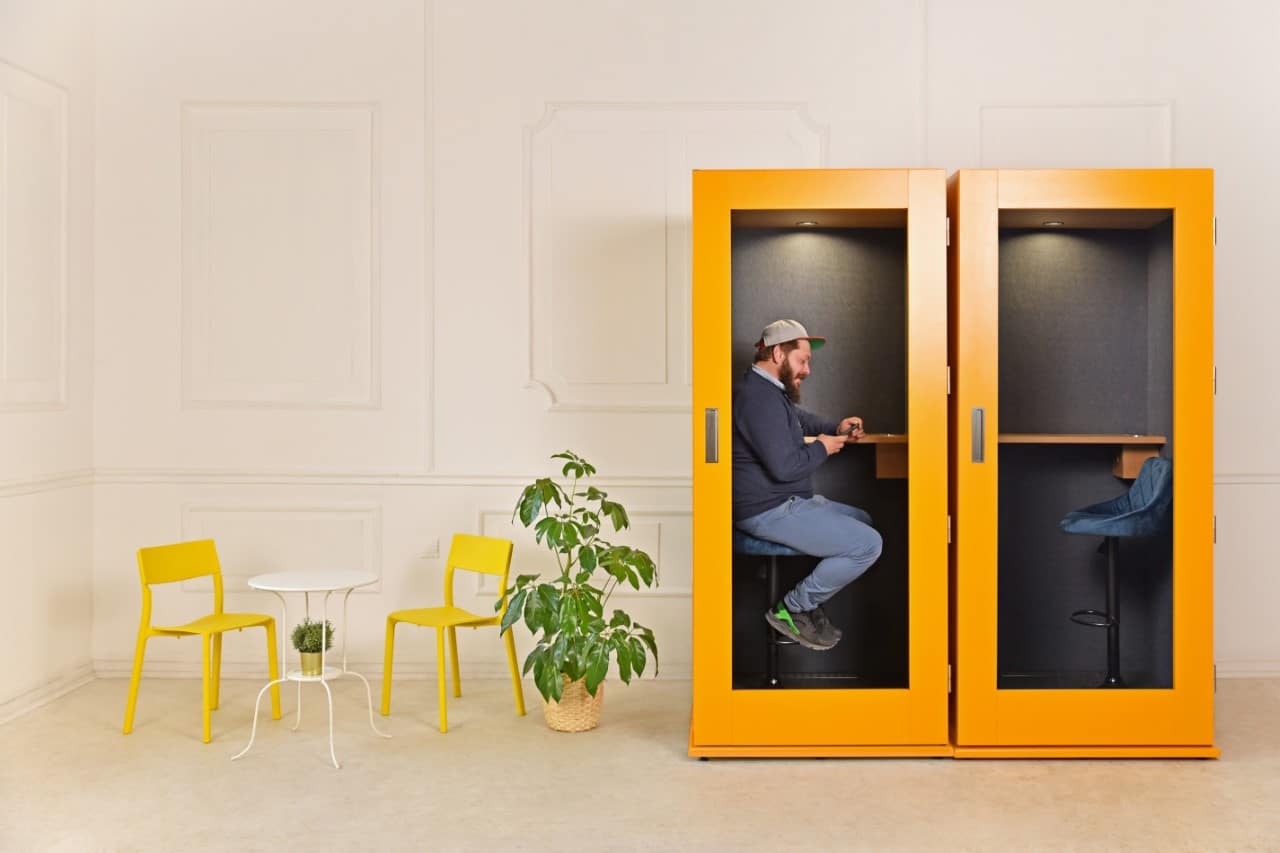
Designed for individual use, these compact, acoustically sealed units are the cornerstone of modern office communication. They provide an essential sanctuary for private phone calls, video conferences, and moments of deep concentration. Their primary function is to offer a quiet space where individuals can conduct their business without disturbing colleagues or being inadvertently overheard. The minimal footprint of these booths also makes them an ideal addition to busy desk areas, providing immediate access to privacy without requiring significant spatial reallocation.
Meeting Pods for Small Teams: Facilitating Agile Collaboration
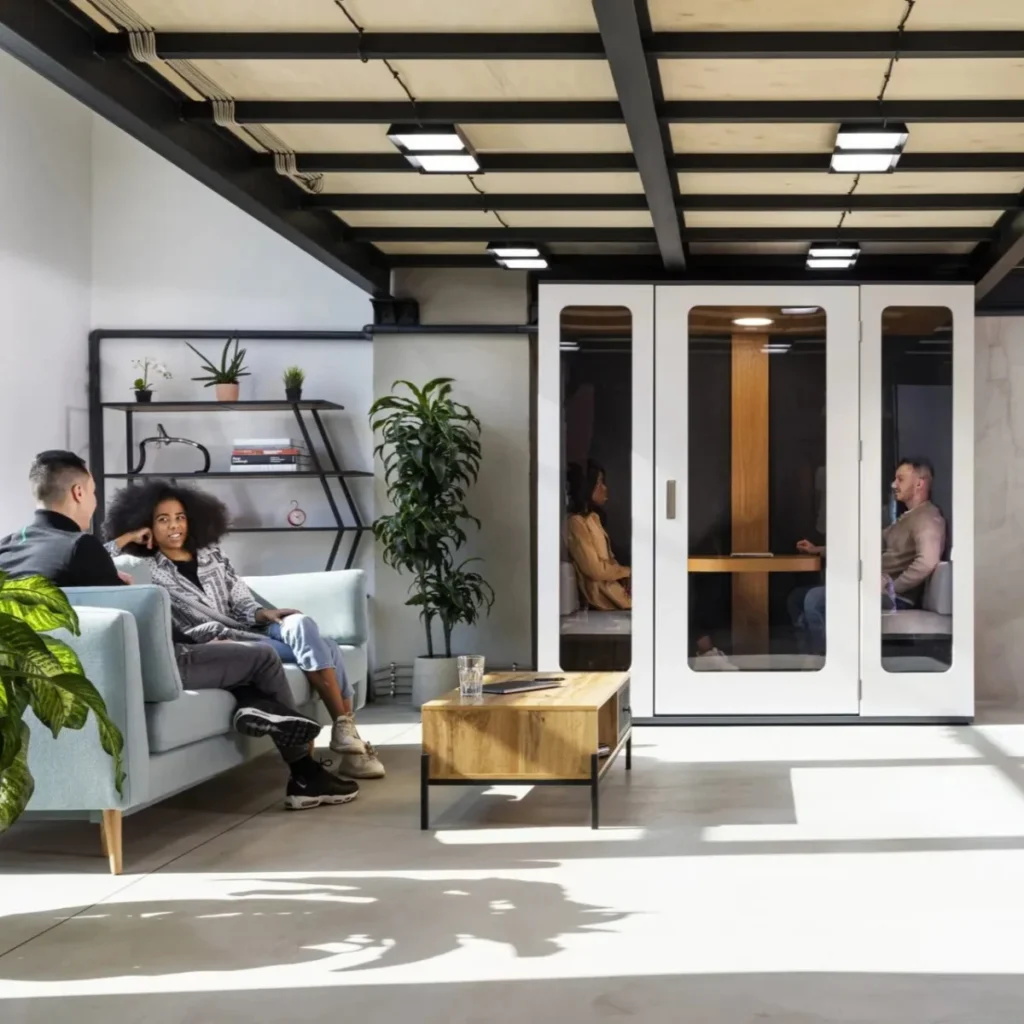
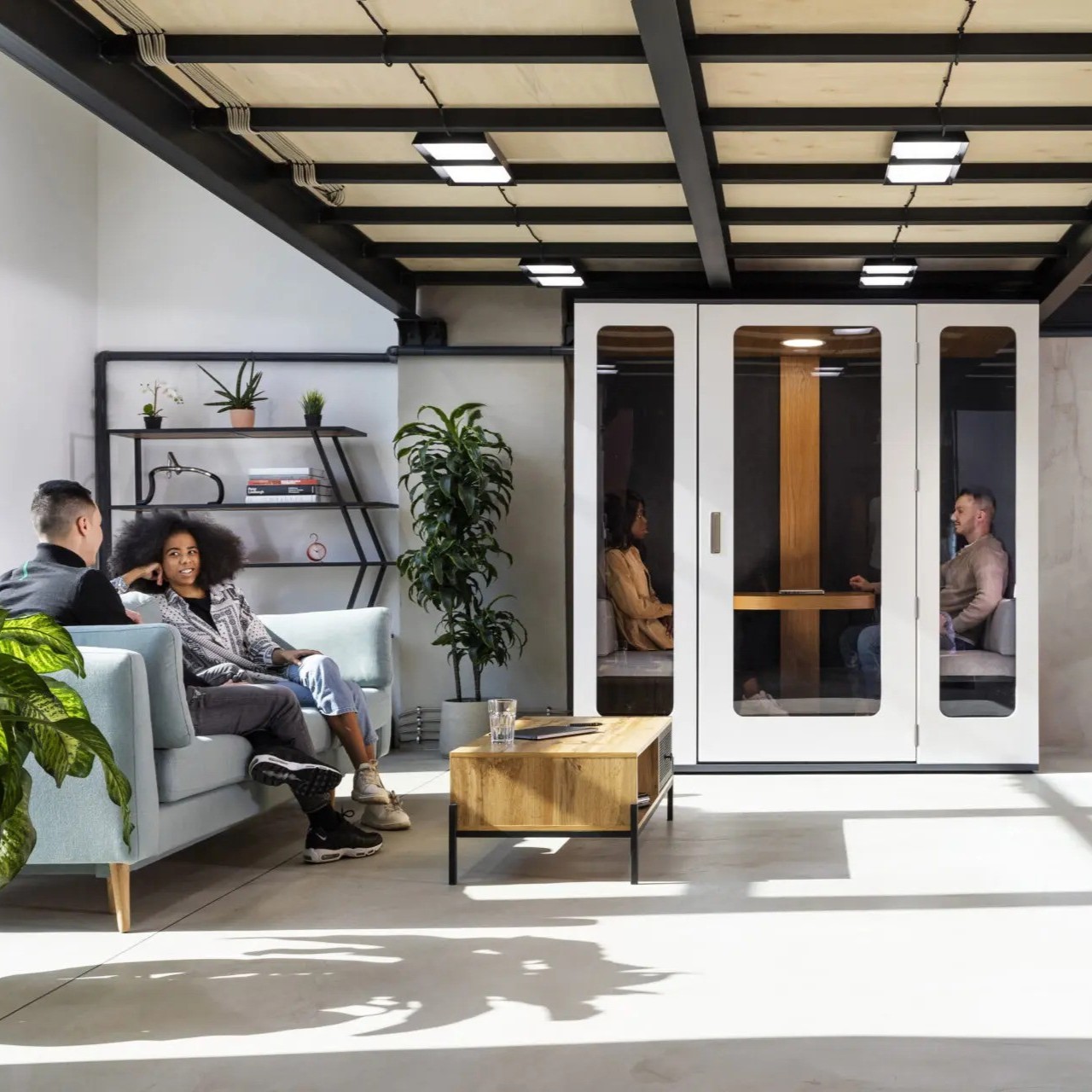
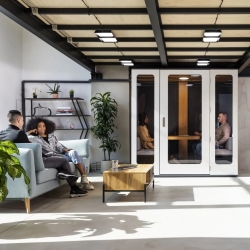
For small group interactions, such as quick team huddles, project planning sessions, or hybrid meetings involving a few participants, dedicated meeting pods have emerged as a vital resource. Typically accommodating up to four people, these pods are equipped with comfortable seating, a table, and the necessary infrastructure to support video conferencing. They bridge the gap between individual workspaces and larger boardrooms, offering a semi-private environment for focused team discussions and collaborative problem-solving. Strategically placed near team neighborhoods, these pods foster spontaneous collaboration and efficient information exchange.
Together, these different formats form a comprehensive toolkit for spatial optimization. A single office floor can be transformed by incorporating a judicious mix of single-person booths in high-traffic zones, a few focus booths in quieter areas for uninterrupted work, and several meeting pods strategically positioned to support emergent team activities. This modular approach allows organizations to create an agile and responsive workspace that adapts to the ever-changing demands of the hybrid work environment.
Maximizing Value: The Economic Imperative of Smart Space Utilization
Office space represents one of the most significant capital investments for any organization. The associated costs extend far beyond the initial rent, encompassing business rates, service charges, energy consumption, and ongoing fit-out expenses. Lambert Smith Hampton’s Total Office Cost Survey, a benchmark study analyzing occupancy costs across the UK, defines a single workstation as occupying approximately 100 square feet. In stark contrast, a single-person phone booth typically occupies little more than a square meter, roughly one-tenth of the space required for a traditional desk.
This substantial difference in footprint translates directly into significant cost efficiencies. When private calls and small team meetings are successfully relocated to dedicated pods and booths, the availability of larger meeting rooms for their intended collaborative purposes is effectively enhanced. This means organizations can increase their meeting capacity without incurring the substantial expense of acquiring additional floor space or undertaking costly construction projects. For companies considering lease renewals or planning for future growth, this ability to accommodate more people and activities within their existing footprint can be a critical factor in optimizing their real estate strategy and mitigating escalating occupancy costs.
Flexibility as a Core Advantage: The Agility of Modular Solutions
Beyond their space-saving attributes, acoustic pods and booths offer a level of flexibility that fixed, built-in structures simply cannot match. As freestanding units, they can be rapidly installed with minimal disruption and without the need for extensive partition construction or complex building modifications. This ease of deployment is particularly advantageous in dynamic office environments where team structures and spatial requirements may evolve. Furthermore, their portability means that these investments can be relocated to new premises during office moves, ensuring that the value of the initial investment is retained and carried forward. This mobility represents a smart, sustainable approach to workspace investment, offering longevity and adaptability.
The economic benefits are tangible. By creating meeting capacity through the deployment of pods and booths, organizations can circumvent the considerable costs associated with building new rooms or leasing additional office space. These savings extend to construction expenses, incremental rent payments, and the ongoing burden of rates and service charges associated with every extra square foot. Moreover, the ability to relocate these modular units means that the investment continues to yield returns across multiple office moves, a significant advantage in an era of flexible and often transient corporate real estate strategies. For many organizations, the adoption of acoustic phone booths and meeting pods represents not only a more efficient utilization of space but also a demonstrably more cost-effective approach to workspace management.
A Strategic Approach to Implementation: Paving the Way for Success
Successful integration of acoustic pods and booths into the office environment begins with a clear and comprehensive understanding of current workplace dynamics. A data-driven approach is paramount to ensuring that investments align with actual needs and deliver tangible benefits.
Deconstructing Meeting Room Usage Patterns
A crucial first step involves meticulously analyzing how existing meeting rooms are currently booked and utilized over a representative period, such as several weeks. This analysis should focus on key metrics, including the typical number of attendees for each meeting and the frequency with which rooms are occupied by solo users or small groups for brief conversations. This granular data will reveal the extent to which larger meeting rooms are being repurposed for smaller-scale activities, thus highlighting the potential demand for dedicated micro-spaces.
Designing for Peak Occupancy
The fluctuating nature of hybrid work often means that office attendance is not uniform throughout the week. Many organizations observe peak attendance mid-week, with Mondays and Fridays potentially seeing lower occupancy. Therefore, workspace design strategies should be tailored to accommodate these peak days rather than relying solely on weekly averages. By planning for the busiest scenarios, organizations can ensure that they have sufficient capacity and appropriate types of spaces available when the majority of employees are present.
Initiating with a Pilot Program
To mitigate risk and gather invaluable user feedback, organizations are encouraged to commence with a pilot program. This involves introducing a curated selection of phone booths and meeting pods into popular and high-traffic areas of the office. During the pilot phase, it is essential to actively monitor their usage patterns and solicit direct feedback from employees regarding their functionality, comfort, and overall utility. This iterative approach allows for adjustments and refinements before a wider rollout.
Iterative Refinement and Future Planning
Insights gleaned from the pilot program should inform subsequent decisions regarding the mix and placement of pods and booths. This data-driven approach allows for continuous optimization of the workspace. Furthermore, the release of larger meeting rooms from the burden of accommodating smaller calls and focused work can open up opportunities to reimagine these spaces as dedicated collaboration zones, further enhancing the office’s appeal and functionality.
The quality of the chosen acoustic pods and booths is a critical determinant of their success. Products that feature verified acoustic performance, efficient and quiet ventilation systems, and optimal lighting create environments that employees genuinely enjoy using. Investing in high-quality solutions ensures that these spaces become sought-after amenities, contributing positively to employee satisfaction and productivity.
The Future of the Office: Embracing Agility and Purpose
Acoustic phone booths and meeting pods represent a straightforward yet powerful answer to one of the most compelling design challenges of the hybrid office: how to provide the optimal setting for every distinct type of work activity. By creating dedicated, purpose-built environments for private calls, focused concentration, and intimate team discussions, these modular solutions effectively liberate larger meeting rooms for their intended collaborative functions. This strategic reallocation of space not only brings a sense of calm and order to bustling open-plan areas but also significantly enhances the value derived from every square foot of office real estate. As offices continue to evolve into more dynamic and purposeful hubs, the inherent flexibility offered by these innovative spatial solutions is precisely what organizations require to thrive in the contemporary work landscape. This paradigm shift in workspace design is not merely about aesthetics; it is about fostering productivity, enhancing employee experience, and ensuring that the physical office remains a relevant and valuable asset in an increasingly distributed world.