A recent report by Gartner, published on September 24, 2026, underscores a critical mandate for Human Resources departments: to aggressively prioritize talent mobility and cultivate capabilities for continuous work redesign. This strategic pivot is deemed essential to rapidly deploy skills and expertise precisely where they are needed, responding to the profound and accelerating disruption heralded by artificial intelligence (AI) across global industries. The report, drawing insights from senior director analyst Caroline Hewings, suggests that organizations failing to move beyond static workforce planning and traditional job structures risk significant consequences for productivity and competitiveness.
The Unprecedented Pace of AI Transformation and Its Impact on Work
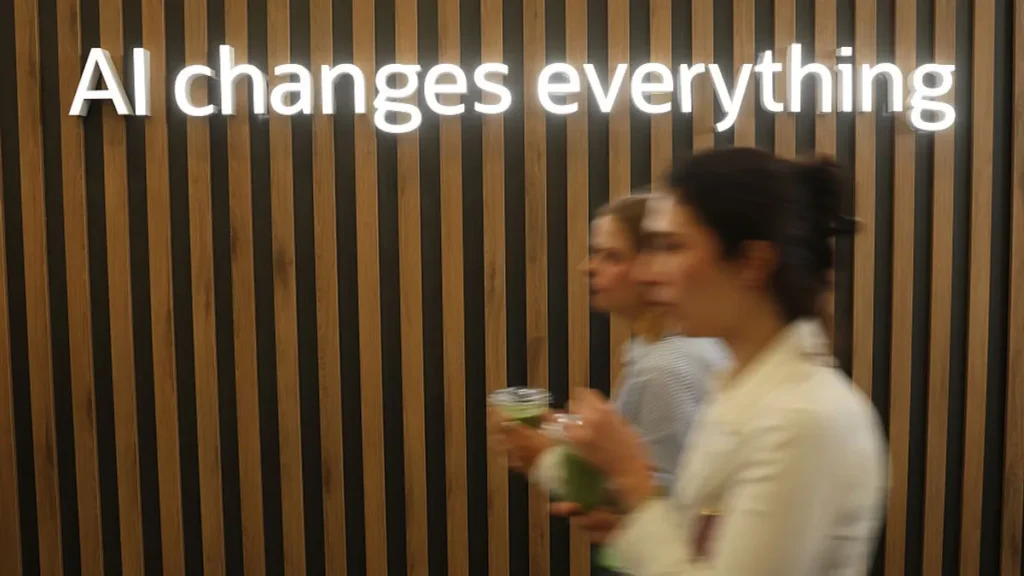
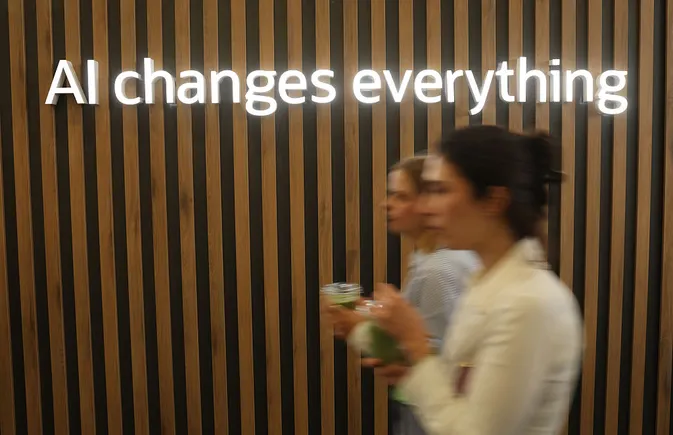
The year 2026 marks a pivotal moment in the integration of artificial intelligence into the global economy. What was once the realm of science fiction has firmly entered operational reality, fundamentally reshaping business processes, job roles, and strategic imperatives. This transformative shift, highlighted by the "AI changes everything" sign prominently displayed at the Oracle stand during the 2026 ITB tourism trade fair in Berlin on March 4, 2026, serves as a stark reminder of AI’s pervasive influence. Unlike previous technological revolutions, AI’s capacity for learning, automation, and generative creation is not merely augmenting human capabilities but redefining the very nature of work.
Over the past few years, the evolution of AI has accelerated dramatically. Early applications focused on automating repetitive tasks, but by 2026, advanced AI systems are capable of complex problem-solving, data analysis, content generation, and even strategic decision support. This rapid advancement has created a dynamic environment where skills requirements are in constant flux, and traditional job descriptions quickly become obsolete. A recent study by the World Economic Forum, for instance, projected that by 2027, over 60% of employees globally would require reskilling or upskilling due to AI adoption, with a significant portion needing entirely new skill sets. This unprecedented pace demands a radical re-evaluation of how organizations manage their most valuable asset: their people.
Beyond "Been There, Done That": A New Mindset Imperative for Leaders
Despite the clear and present evidence of AI’s transformative power, many business leaders, according to Gartner’s Insights report, harbor a "been there, done that" mindset toward change. This complacency, born from navigating previous waves of technological disruption such as the internet boom or the rise of mobile computing, risks severely underestimating the unique challenges and opportunities presented by AI. Leaders may mistakenly believe that incremental adjustments to existing strategies will suffice, failing to grasp the fundamental nature of the current disruption.
This reluctance to embrace radical change can have "significant consequences for productivity," the report warns. In an environment where competitors are leveraging AI to optimize operations, innovate products, and enhance customer experiences, organizations clinging to outdated models will find themselves increasingly disadvantaged. The productivity gap between AI-fluent and AI-resistant companies is widening, impacting market share, talent attraction, and overall profitability. Instead of merely adapting to change, organizations must now "build the capability to redesign work in real time as technology, business priorities and workforce needs evolve," as articulated by Caroline Hewings, a senior director analyst in Gartner’s HR practice. This necessitates a proactive, agile, and continuous approach to organizational and workforce planning.
Talent Mobility as a Strategic Imperative for Agility
At the heart of Gartner’s recommendations lies the prioritization of talent mobility. In an AI-driven economy, the ability to swiftly move talent to where it’s most needed is no longer a luxury but a strategic imperative. Talent mobility encompasses a range of internal movements, including lateral transfers, project-based assignments, internal gig work, and focused reskilling and upskilling initiatives that enable employees to transition into new roles or enhance their current ones.
The traditional model of static job roles and linear career paths is ill-suited for an era where skills can become redundant or highly coveted almost overnight. Organizations must cultivate an internal talent marketplace where employees’ skills and aspirations are transparently matched with evolving business needs. This involves:
- Skills Inventory and Gap Analysis: Comprehensive mapping of current employee skills against future requirements, identifying critical gaps.
- Internal Talent Marketplaces: Platforms that allow employees to discover and apply for internal projects, short-term assignments, or new roles, fostering cross-functional collaboration.
- Dynamic Career Paths: Moving away from rigid ladders to more fluid career lattices that encourage diverse experiences and continuous learning.
- Reskilling and Upskilling Programs: Robust learning and development initiatives that proactively equip the workforce with AI-relevant skills, such as data analytics, AI literacy, prompt engineering, and human-AI collaboration.
Recent industry data corroborates the value of talent mobility. A 2025 survey by a leading HR technology firm indicated that companies with mature internal talent mobility programs reported a 25% higher employee retention rate for critical roles and were 30% faster in deploying new strategic initiatives compared to their peers. This agility is vital for capitalizing on emerging opportunities and mitigating risks in a volatile market. By fostering internal mobility, companies not only address immediate skill gaps but also boost employee engagement, career satisfaction, and overall organizational resilience.
Continuous Work Redesign: A Paradigm Shift for Operational Excellence
Beyond talent mobility, Gartner emphasizes the critical need for "continuous work redesign." This concept moves beyond periodic process improvements or organizational restructuring, advocating for an ongoing, iterative approach to how work is performed, structured, and managed. The key enabler for this continuous redesign, the firm notes, is AI-enabled visibility.
Traditionally, organizations relied on static process maps and retrospective analyses to understand how work should occur. However, AI-enabled visibility provides real-time insights into how work is actually being performed. AI tools, integrated with workflow systems, can monitor task completion, resource utilization, communication patterns, and potential bottlenecks. As Hewings explained, "With continuous visibility, leaders can identify bottlenecks, inefficiencies and improvement in real time rather than through periodic assessments." This granular, data-driven understanding allows for immediate adjustments and optimizations, transforming operational improvement from a reactive exercise into a proactive, continuous loop.
For example, AI can analyze data from project management tools, communication platforms, and employee feedback to identify inefficient steps in a product development cycle, pinpoint overworked teams, or highlight opportunities for automation. This real-time feedback loop enables managers to:
- Optimize workflows: Streamline processes by eliminating redundant steps or reallocating resources based on live data.
- Redefine roles: Adjust responsibilities as AI takes over certain tasks, allowing human employees to focus on higher-value, more complex activities requiring creativity, critical thinking, and emotional intelligence.
- Enhance collaboration: Identify communication gaps or areas where cross-functional teamwork could be improved through AI-facilitated information sharing.
- Personalize learning: Recommend specific training modules to employees based on their current performance and the evolving demands of their roles.
This continuous redesign fundamentally alters the traditional job architecture, moving towards more dynamic, skill-based roles rather than rigid, title-based positions. It requires a cultural shift where experimentation, learning from data, and iterative improvement are embedded in the organizational DNA.
The Rebalancing of HR in the AI Era: A Strategic Evolution

The profound shifts brought by AI also necessitate a new architecture, or "rebalancing," for the Human Resources function itself. A June 2026 report from The Josh Bersin Co. highlighted that while AI agents are increasingly taking on administrative, heavy-lifting jobs within HR, the human element of HR will continue to lead strategy.
AI agents are proving highly effective in automating transactional HR tasks such as:
- Answering routine employee queries: Via chatbots and virtual assistants for payroll, benefits, policies, and IT support.
- Onboarding and offboarding logistics: Automating paperwork, system access, and equipment provision.
- Data entry and record management: Maintaining employee profiles, training records, and compliance documentation.
- Scheduling and coordination: Arranging interviews, meetings, and training sessions.
However, Josh Bersin emphasized that replacing human HR professionals with AI agents is unlikely to yield significant cost savings and could, in fact, be detrimental. The firm warned that such a move would eliminate employees possessing crucial institutional knowledge and a nuanced understanding of the organization’s unique culture and challenges. Human HR professionals are indispensable for:
- Strategic Workforce Planning: Designing talent strategies that align with long-term business goals and anticipate future skill needs.
- Complex Employee Relations: Handling sensitive issues, mediating conflicts, and fostering a positive work environment.
- Ethical AI Deployment: Ensuring AI tools are used fairly, without bias, and in compliance with privacy regulations.
- Change Management: Guiding employees and leaders through periods of significant transformation, like the integration of AI.
- Human-Centric Design: Ensuring that technology solutions enhance the employee experience rather than dehumanizing it.
- Interpreting AI Outputs: Understanding when AI makes an error, diagnosing its root cause, and crucial to fixing it.
The rebalanced HR department of the future will be less focused on administrative tasks and more on strategic partnerships, data analytics, employee experience design, and ethical stewardship of AI. HR professionals will need to develop new competencies in AI literacy, data science, behavioral psychology, and organizational design to effectively leverage AI as a strategic tool rather than merely a cost-saving measure.
Broader Implications and Strategic Imperatives for Businesses
The imperative for talent mobility and continuous work redesign extends far beyond the HR department, carrying significant implications for entire organizations:
- Competitive Advantage: Early adopters who successfully implement dynamic talent strategies and continuous work redesign will gain a significant competitive edge in talent attraction, innovation, and market responsiveness. They will be better equipped to adapt to unforeseen market shifts and capitalize on new opportunities.
- Productivity and Innovation: By placing the right skills in the right place at the right time, and continuously optimizing workflows, organizations can unlock unprecedented levels of productivity and foster a culture of continuous innovation.
- Employee Experience and Retention: Offering diverse career paths, opportunities for reskilling, and a transparent internal talent marketplace significantly enhances employee engagement, loyalty, and retention. Employees are more likely to stay with organizations that invest in their growth and provide avenues for internal mobility.
- Leadership Development: Leaders must evolve from traditional managers to facilitators of growth, coaches, and strategic orchestrators of talent. They need to champion internal mobility and empower teams to adapt to continuously redesigned work processes.
- Ethical Governance of AI: As AI becomes more embedded in work processes and HR functions, organizations must establish robust ethical guidelines, ensure data privacy, and actively work to mitigate algorithmic bias. This responsibility falls to leaders across the organization, with HR playing a critical role in policy development and training.
- Cultural Transformation: Embracing these changes requires a fundamental cultural shift towards agility, continuous learning, transparency, and a growth mindset. Organizations must foster an environment where employees feel psychologically safe to learn new skills, take on new roles, and even fail fast and learn.
Implementing the Change: Practical Steps for the Future
To successfully navigate this new landscape, organizations must undertake several practical steps:
- Secure Leadership Buy-in: Top leadership must unequivocally champion talent mobility and continuous redesign, allocating necessary resources and demonstrating commitment.
- Invest in Technology: Deploy robust HR technology platforms that support skills mapping, internal talent marketplaces, AI-powered analytics for workforce planning, and real-time performance insights.
- Develop a Skills Taxonomy: Create a comprehensive, dynamic skills taxonomy that goes beyond job titles to define the specific competencies required for current and future roles.
- Launch Scalable Learning Programs: Implement accessible and personalized reskilling and upskilling programs, potentially leveraging AI to tailor learning paths for individual employees.
- Foster a Culture of Agility: Encourage experimentation, cross-functional collaboration, and a mindset of continuous improvement at all levels of the organization.
- Reimagine HR’s Role: Empower HR professionals to transition from administrative roles to strategic partners, equipped with data analytics skills, AI literacy, and strong change management capabilities.
The insights from Gartner and The Josh Bersin Co. serve as a clarion call for organizations worldwide. The AI transformation is not merely another wave of technological change; it is a fundamental reshaping of how work is conceived, organized, and executed. HR, therefore, stands at a critical juncture, with the opportunity to redefine its strategic value by leading the charge in building adaptable, resilient, and future-ready workforces through proactive talent mobility and continuous work redesign. The organizations that embrace this imperative will not just survive the AI era; they will thrive within it, harnessing its power to drive unprecedented growth and innovation.