The capacity of employees to adapt to change and foster innovation is profoundly influenced by the prevailing workplace culture, according to groundbreaking new polling. The research, spearheaded by O.C. Tanner, a renowned workplace culture consulting firm, emphasizes the critical need for organizations to prioritize compassion, robust employee development, and genuine trust as foundational pillars of a thriving work environment. The findings are detailed in the firm’s comprehensive 2027 Global Culture Report, which draws upon an extensive dataset of over 25,000 workers across 23 diverse countries. This extensive study posits that organizational culture acts as a powerful amplifier, capable of either exacerbating feelings of uncertainty and burnout or, conversely, fortifying employees’ sense of trust, connection, and purpose.
The report meticulously identifies four key areas that O.C. Tanner deems particularly crucial for cultivating a positive and productive workplace. These are: the systematic integration of compassion into organizational processes; the proactive creation of ample opportunities for employee growth and advancement; the deliberate development of what the report terms "active trust"; and the consistent recognition of individuals for their contributions, including their willingness to propose ideas, even those that may not ultimately achieve success.
The Power of Compassion and a Culture of Growth
The data unequivocally demonstrates a strong correlation between organizational compassion and tangible business outcomes. According to the research, organizations that successfully embed care into their operational systems and policies are a remarkable 11 times more likely to report significant organizational growth and a heightened capacity for innovation. This finding is particularly impactful for frontline employees, where the presence of what the report defines as organizational compassion is directly associated with an astonishing 88 percent lower likelihood of experiencing burnout. This suggests that a caring work environment is not merely a feel-good initiative but a strategic imperative for sustained productivity and employee well-being.
Furthermore, the report distinguishes between traditional, often narrowly focused, learning and development programs and a more holistic concept: a "culture of growth." O.C. Tanner elaborates on this broader framework, defining it through the lens of six interconnected factors: empathy, open communication, a strong sense of community, unwavering support, abundant opportunities, and a healthy work-life balance. When all six of these elements are present and actively fostered within an organization, the research indicates a dramatic increase in "cultural elasticity." Specifically, organizations exhibiting these characteristics possess 48 times higher odds of demonstrating the ability to develop new skills and adeptly adapt to evolving challenges. Moreover, frontline workers within these supportive environments report a substantially greater sense of opportunity and personal success, underscoring the profound impact of a growth-oriented culture on employee morale and perceived value.
Cultivating Active Trust and the Fuel of Recognition
Beyond growth and compassion, the report underscores the vital role of trust, advocating for its treatment as an active organizational practice rather than a passive byproduct of interpersonal relationships. O.C. Tanner outlines six essential components that constitute "active trust": transparency, reliability, accountability, sound judgment, safety, and care. The presence of these characteristics within an organization significantly bolsters employee perception. Findings reveal that where these elements are demonstrably evident, employees are 14 times more likely to believe their organization genuinely cares about their well-being. This is particularly salient for frontline workers, who, according to the research, are less inclined than their office-based counterparts to report a high level of trust in their immediate managers. Bridging this trust gap among frontline staff appears to be a critical area for organizational improvement.
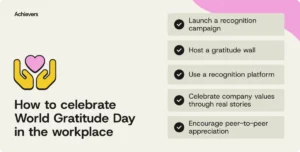
Recognition emerges as another pivotal factor in creating fertile ground for innovation. The report’s findings are stark: employees who do not receive acknowledgment for their efforts in trying new things are 93 percent less likely to report thinking creatively. Conversely, individuals who are recognized across the entire lifecycle of idea development – from conception and sharing to practical implementation – are a striking 21 times more likely to exhibit innovative behaviors. This highlights the critical importance of a systematic and inclusive recognition framework that encourages risk-taking and rewards the entire innovation process, not just successful outcomes.
Expert Perspectives and Broader Implications
Dr. Alexander Lovell, Vice President of the O.C. Tanner Institute, offered a critical perspective on the current corporate landscape, observing that many organizations are responding to rapid technological and economic shifts by placing increased demands on their employees without adequately addressing the underlying workplace conditions necessary to sustain these heightened expectations. "We cannot keep extracting more from employees and expect their capacity to be limitless," Dr. Lovell stated. "People want to contribute, grow, and do work that matters to them and to the organization." His remarks highlight a potential disconnect between organizational aspirations and the practical realities faced by employees.
Robert Ordever, Managing Director Europe at O.C. Tanner, acknowledged the progress made by European employers in areas such as work-life balance and flexibility. However, he suggested that recognition is often being overlooked as organizations grapple with economic uncertainty and the transformative influence of Artificial Intelligence. "Organizations that build cultures of growth will strengthen trust, innovation and engagement," Ordever asserted, emphasizing the interconnectedness of these vital organizational attributes. His commentary points to a strategic opportunity for businesses to leverage cultural development as a means of navigating complex external pressures.

The Amplifying Effect of Culture: A Deeper Dive
The 2027 Global Culture Report’s central thesis—that culture acts as an "amplifier"—merits further exploration. In an era characterized by rapid technological advancements, evolving market demands, and shifting employee expectations, the organizational environment plays an outsized role in determining a company’s resilience and adaptability. When a culture is steeped in fear or uncertainty, it can stifle creativity and create a climate of resistance to change. Employees may become risk-averse, hesitant to propose novel ideas or embrace new processes, fearing reprisal or failure. This can lead to stagnation, missed opportunities, and a general decline in organizational agility.
Conversely, a culture that actively fosters compassion, growth, trust, and recognition acts as a powerful catalyst for positive outcomes. Compassion, for instance, creates a safe space for employees to express concerns, admit mistakes, and seek support, all of which are essential for learning and problem-solving. A genuine culture of growth ensures that employees feel invested in, with clear pathways for skill development and career progression. This not only enhances individual capabilities but also cultivates a sense of loyalty and commitment. Active trust, built on transparency and reliability, empowers employees to take initiative and collaborate effectively, knowing their contributions are valued and their efforts are supported. Finally, recognition, applied consistently and fairly, reinforces desired behaviors and motivates individuals to continue pushing boundaries and seeking innovative solutions.
Historical Context and the Evolution of Workplace Culture
The emphasis on workplace culture is not entirely new, but its strategic importance has gained significant traction in recent decades. The early 2000s saw a rise in discussions around employee engagement and morale, often linked to productivity. However, the current discourse, as highlighted by O.C. Tanner’s report, represents a more nuanced and holistic understanding. It moves beyond simply measuring employee satisfaction to understanding how specific cultural elements directly influence an organization’s capacity for innovation and its ability to navigate disruptive change.
The COVID-19 pandemic, in particular, served as a global catalyst for re-evaluating workplace dynamics. The rapid shift to remote work exposed existing cultural strengths and weaknesses, forcing many organizations to confront issues of trust, communication, and employee well-being in unprecedented ways. This period underscored the critical need for adaptable and resilient organizational cultures that can support employees through periods of significant upheaval. The findings of the 2027 Global Culture Report can be seen as a continuation and deepening of these post-pandemic insights, offering a roadmap for organizations seeking to thrive in an increasingly dynamic global landscape.
Analyzing the Data: Quantifiable Impacts
The quantifiable data presented in the report provides compelling evidence for the strategic value of investing in workplace culture:
- Compassion and Innovation: An 11-fold increase in reported organizational growth and innovation for companies embedding compassion into their processes.
- Burnout Reduction: An 88 percent lower likelihood of burnout among frontline employees in organizations demonstrating compassion.
- Cultural Elasticity: A 48-fold higher likelihood of demonstrating "cultural elasticity" (adaptability and skill development) in organizations with a strong culture of growth.
- Employee Belief in Care: A 14-fold higher likelihood of employees believing their organization cares about them when active trust principles are in place.
- Creative Thinking: A 93 percent decrease in the likelihood of employees reporting creative thinking when not recognized for trying new things.
- Innovative Behaviors: A 21-fold higher likelihood of demonstrating innovative behaviors among employees recognized for their idea development process.
These figures are not mere statistical curiosities; they represent tangible business advantages. Organizations that can foster higher levels of innovation are better positioned to develop new products and services, enter new markets, and stay ahead of competitors. Reduced burnout leads to lower employee turnover, decreased healthcare costs, and sustained productivity. Enhanced adaptability allows organizations to pivot quickly in response to market shifts or technological disruptions, ensuring long-term viability.
Future Outlook and Strategic Imperatives
The insights from O.C. Tanner’s report offer a clear call to action for leaders across all sectors. As businesses navigate the complexities of economic uncertainty, rapid technological evolution, and evolving workforce expectations, the cultivation of a positive and supportive workplace culture is no longer a "nice-to-have" but a strategic imperative. Organizations that proactively invest in compassion, provide robust opportunities for growth, build active trust, and implement effective recognition systems will not only enhance employee well-being but will also unlock their full potential for innovation and resilience. The "amplifier" effect of culture means that these investments yield amplified returns, positioning companies for sustained success in the years to come. The data suggests that the future of work will be defined not just by what companies do, but by how they do it, and the human-centric environments they create.
Image credit: Morey Smith