The intricate process of talent acquisition, crucial for organizational growth and innovation, often encounters significant bottlenecks, with interview scheduling consistently identified as the most time-consuming aspect. Recruiters report that coordinating interviews can consume an inordinate amount of time, with a staggering two out of three professionals indicating it can take up to two hours to schedule a single interview. This administrative burden, characterized by endless toggling between calendars, email threads, spreadsheets, candidate resumes, and even manual notes, transforms the hiring process into a lengthy and often inefficient endeavor, directly impacting both operational costs and the critical candidate experience. The imperative to leverage interview scheduling software to automate this manual, repetitive task has thus become paramount for modern organizations seeking to optimize their talent pipelines and secure top-tier talent in an increasingly competitive market.
The Administrative Burden: A Persistent Challenge in Talent Acquisition
For decades, the recruitment landscape has grappled with the inherent complexities of coordinating schedules among multiple stakeholders. Before the advent of specialized software, the process was predominantly manual, relying heavily on a recruiter’s organizational skills and persistence. A typical scenario involved a recruiter emailing a candidate with a list of available slots, waiting for their response, checking with hiring managers and interview panels, only to find the initial slots were no longer viable, initiating a new round of communications. This iterative and often frustrating "email ping-pong" could extend the scheduling phase by days, if not weeks, significantly delaying the progression of candidates through the hiring funnel. This challenge is further exacerbated in organizations with distributed teams, multiple time zones, and complex interview panels involving diverse departmental representatives. The human element, while indispensable in relationship building, proved to be a major constraint in the logistical orchestration of interview logistics, leading to inefficiencies that rippled across the entire talent acquisition ecosystem.
The Financial and Operational Costs of Inefficient Scheduling
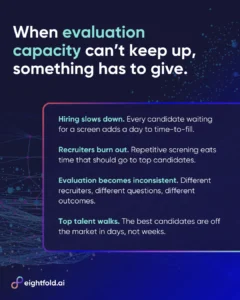
The impact of inefficient interview scheduling extends far beyond mere inconvenience; it translates into tangible financial and operational costs for organizations. A prolonged hiring cycle due to scheduling delays can lead to several adverse outcomes. Firstly, it increases the "cost per hire" by extending the recruiter’s time spent on administrative tasks rather than strategic sourcing and candidate engagement. Secondly, critical roles remain vacant for longer periods, potentially hindering project timelines, delaying product launches, or impacting service delivery, all of which carry significant economic implications. The Society for Human Resource Management (SHRM) estimates that the average cost per hire can range from thousands to tens of thousands of dollars, depending on the role and industry, with a substantial portion of this attributed to recruiter time and operational overhead.
Furthermore, a protracted and cumbersome scheduling process can severely damage an organization’s employer brand. In today’s candidate-driven market, a seamless and respectful hiring experience is a powerful differentiator. Candidates, particularly those in high-demand fields, are often simultaneously engaged in multiple interview processes. A company that demonstrates organizational inefficiency from the outset through its scheduling practices risks alienating promising candidates, leading to higher candidate drop-off rates and ultimately, the loss of valuable talent to more agile competitors. Research consistently shows that a negative candidate experience can lead to potential hires disengaging or even publicly sharing their dissatisfaction, further eroding a company’s reputation. The opportunity cost of missing out on a top performer due to a slow, frustrating scheduling process is immeasurable, impacting team dynamics, innovation, and competitive advantage.
Automated Interview Scheduling: A Paradigm Shift
The integration of automated interview scheduling solutions represents a significant technological leap in addressing these pervasive challenges. These platforms are designed to streamline and accelerate the scheduling workflow, freeing recruiters from mundane administrative tasks and empowering them to focus on more strategic, human-centric aspects of their role.
Eliminating the Email Ping-Pong: Candidate Self-Service
One of the most immediate and profound benefits of interview scheduling software is the eradication of endless back-and-forth emails. Recruiters are all too familiar with the scenario: proposing interview slots, waiting for a candidate’s reply, only to find those slots are no longer available by the time a response is received. This cycle can consume days, delaying the crucial initial screening or subsequent interview rounds. Automated solutions circumvent this by providing candidates with a self-service portal, typically a secure link, where they can view real-time availability pulled directly from the calendars of designated interviewers. Candidates can then select a time slot that best suits their schedule, confirming the appointment instantly. This not only saves immense time for both the recruiter and the candidate but also offers a superior, more respectful experience for the applicant, demonstrating efficiency and consideration from the prospective employer. This instantaneous confirmation drastically reduces the time from initial contact to interview, accelerating the entire hiring process.
Navigating Multi-Stakeholder Interviews with Ease
Complex interview structures, especially for senior roles or team-based positions, often involve multiple, back-to-back sessions with various team members, departmental heads, and hiring managers. Traditionally, coordinating these multi-stakeholder interviews has been a logistical nightmare. Recruiters would manually cross-reference calendars, send individual invitations, and manage a cascade of acceptances, declines, and rescheduling requests. This "availability puzzle" could consume hours, even days, particularly when dealing with busy executives or geographically dispersed teams. Automated scheduling solutions integrate directly with the calendars of all involved parties, instantly identifying overlapping availability for the entire panel or for specific combinations of interviewers. With a single click, the system can propose optimal interview blocks, allowing recruiters to set up complex interview days in seconds rather than hours. This capability is critical for maintaining momentum in the hiring process, especially for high-priority roles where delays can lead to the loss of top candidates.
Leveraging AI for Optimal Scheduling Precision
The evolution of interview scheduling software has introduced advanced capabilities, most notably the integration of Artificial Intelligence (AI). Traditional scheduling, even with automation, often requires a degree of human logic to account for specific requirements: perhaps only two out of three interviewers are needed for a particular session, or the final interview slot must be reserved for the hiring manager, or mandatory breaks need to be factored into a full-day schedule. These nuanced requirements can significantly limit available slots and complicate manual scheduling efforts. AI-powered scheduling tools transcend simple availability checks. They can analyze complex rules and preferences, scanning all participant calendars to predict and propose optimal interview times that adhere to these specific criteria. For instance, an AI algorithm can identify patterns, prioritize interviewers based on their role in the process, and intelligently suggest schedules that maximize efficiency while respecting individual constraints. This capability transforms a recruiter’s hours of manual deliberation into seconds of automated optimization, significantly enhancing the precision and effectiveness of the scheduling process. Moreover, many such systems retain a human-in-the-loop approach, allowing recruiters to review and fine-tune AI-generated schedules based on any remaining human preferences or unforeseen circumstances, ensuring flexibility and control.
Mastering the Art of Rescheduling with Minimal Disruption
One of the most frustrating yet inevitable aspects of interview coordination is rescheduling. Calendar conflicts arise, interview plans evolve, and unforeseen circumstances necessitate changes. In a manual system, rescheduling often means essentially starting from scratch, repeating the laborious process of checking availability and sending new communications. This can be as time-consuming as the initial scheduling and often leads to further delays and potential candidate frustration. Interview scheduling tools fundamentally simplify the rescheduling process. Instead of re-building the interview from the ground up, recruiters can access the system to instantly identify which specific sessions require adjustment. The software then leverages real-time calendar availability to suggest the best alternative times for the affected parties. This capability allows interviews to be rescheduled in mere clicks, drastically reducing the administrative burden from hours of manual work or days of renewed email exchanges. The efficiency of rescheduling minimizes disruption to both the internal team and the candidate, maintaining a professional image and ensuring the hiring process remains on track.
Accelerating the Candidate Journey and Reducing Drop-off
While the immediate benefits of scheduling software often focus on internal team efficiencies, its impact on the candidate experience is equally profound. In a competitive talent market, speed is a critical factor in securing desirable candidates. A prolonged hiring process, often exacerbated by slow scheduling, provides ample opportunity for candidates to lose interest, accept competing offers, or simply disengage. Interview scheduling software directly addresses this by ensuring interviews are scheduled as quickly as possible. By streamlining the coordination process, companies can significantly reduce the "time-to-interview" and consequently, the overall "time-to-hire." This agility helps organizations keep candidates engaged, maintaining their enthusiasm and reducing the likelihood of drop-off. When candidates experience a prompt, well-organized process, it reflects positively on the prospective employer, reinforcing their decision to pursue the opportunity. This means recruiters spend less time cycling through candidates only to have them accept another offer, allowing them to focus on closing roles rather than constantly returning to the drawing board.
Beyond Efficiency: Broader Strategic Implications
The strategic implications of implementing automated interview scheduling solutions extend beyond mere operational efficiency, contributing to a more robust and effective talent acquisition strategy.
Elevating the Candidate Experience and Employer Brand: A smooth, professional, and efficient interview scheduling process signals to candidates that an organization values their time and operates with a high degree of professionalism. This positive first impression significantly enhances the candidate experience, which in turn strengthens the employer brand. In an era where Glassdoor reviews and social media narratives heavily influence job seekers, a positive experience from the outset can be a powerful recruitment tool, attracting more qualified applicants in the future.
Empowering Recruiters for Strategic Impact: By offloading the tedious and time-consuming administrative tasks associated with scheduling, recruiters are freed to focus on higher-value, strategic activities. This includes deeper engagement with candidates, proactive sourcing, building talent pipelines, developing stronger relationships with hiring managers, and contributing to broader talent strategy initiatives. This shift from administrative burden to strategic partnership enhances recruiter job satisfaction and retention, transforming their role from a logistical coordinator to a genuine talent advisor.
Driving Business Agility Through Faster Hiring: The ability to accelerate the time-to-hire directly impacts an organization’s business agility. Filling critical roles faster means projects can commence sooner, teams can be fully staffed and productive, and strategic objectives can be met more efficiently. In fast-paced industries, this speed can be a significant competitive advantage, allowing companies to innovate, expand, and respond to market changes with greater flexibility.
Data-Driven Recruitment Insights: Modern scheduling platforms often come equipped with analytics capabilities. These systems can track key metrics such as average scheduling time, rescheduling rates, candidate drop-off points, and interviewer utilization. This data provides invaluable insights into potential bottlenecks in the hiring process, allowing HR and talent acquisition leaders to identify areas for continuous improvement, optimize workflows, and make data-informed decisions to refine their recruitment strategies.
Industry Adoption and Future Outlook
The adoption of interview scheduling software is part of a broader trend towards digital transformation within Human Resources, specifically within the talent acquisition technology stack. Major HR technology providers and specialized recruitment platforms are increasingly integrating advanced scheduling capabilities, recognizing its critical role in modern hiring. Companies across various sectors, from tech startups to multinational corporations, are investing in these solutions to gain a competitive edge in the global war for talent.
Looking ahead, the evolution of these tools is expected to continue with deeper integration of predictive analytics and machine learning. Future iterations may offer more sophisticated forecasting of hiring needs, proactive identification of optimal interview panel compositions based on success metrics, and even personalized candidate journeys driven by AI. The goal remains consistent: to make the hiring process as efficient, engaging, and effective as possible, ensuring organizations can consistently attract, assess, and secure the talent necessary to drive their missions forward.
In conclusion, the days of recruiters spending endless hours in a scheduling loop are rapidly becoming a relic of the past. Automated interview scheduling is not merely a convenience; it is a fundamental shift in how organizations approach talent acquisition. By simplifying the process, reducing administrative overhead, enhancing the candidate experience, and empowering recruiters, these solutions are proving to be indispensable tools for any organization committed to building a robust workforce and achieving its strategic objectives in today’s dynamic global marketplace. The bottom line is clear: eliminating scheduling inefficiencies allows recruiters to focus on what truly matters – building meaningful relationships with candidates, fostering a positive employer brand, and ultimately, delivering the talent that propels organizational success.