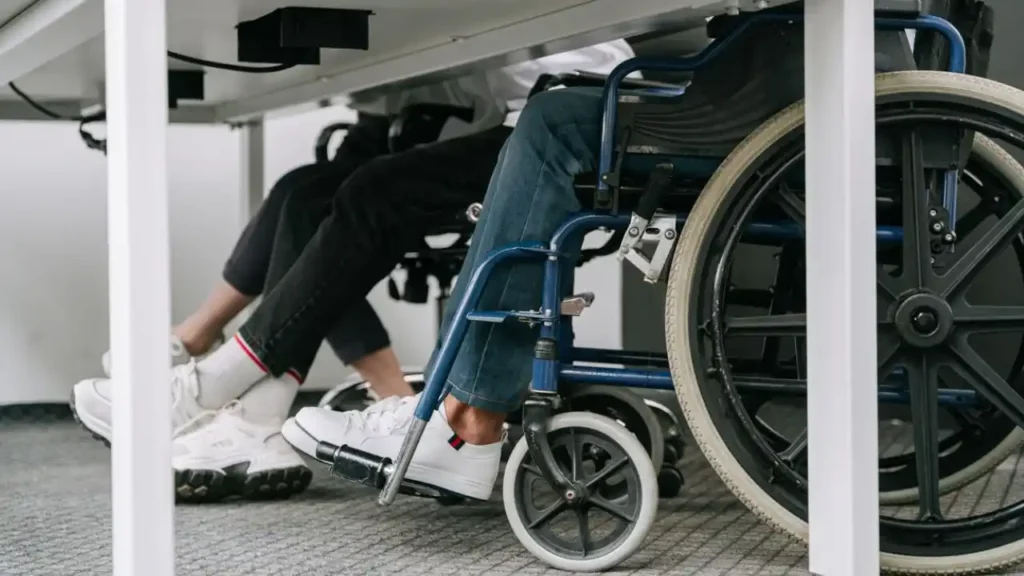
Artificial intelligence holds significant promise for leveling the playing field in the workplace for individuals with disabilities, offering pathways to enhanced productivity, expanded career opportunities, and the dismantling of long-standing barriers. However, without a deliberate focus on accessible design and robust safeguards, these same transformative technologies risk exacerbating existing discrimination in hiring processes and stifling career advancement, according to a comprehensive analysis from Cornell University’s Center for Applied Research on Work (CAROW). The stark reality of the employment gap for people with disabilities underscores the urgency of this issue: in 2025, a mere 22.8% of individuals with disabilities were employed, a figure dramatically lower than the 65.2% employment rate for their non-disabled counterparts.
The CAROW report, released by the esteemed institution known for its rigorous research into labor and employment dynamics, highlights a critical juncture where technological innovation intersects with decades of efforts to promote inclusivity and equal opportunity. The findings are not speculative; they are grounded in an examination of current trends and potential future trajectories of AI adoption in the professional sphere. The center’s work aims to provide actionable insights for policymakers, employers, and technology developers to navigate this complex landscape responsibly.
Automated Hiring: A Minefield for Applicants with Disabilities
The report identifies automated hiring systems, including AI-powered screening tools and timed assessments, as potential points of exclusion for applicants with disabilities. When these systems are not designed with universal accessibility in mind, they can inadvertently penalize candidates whose needs are not accommodated. This oversight directly conflicts with the principles enshrined in the Americans with Disabilities Act (ADA), which mandates that employers ensure their hiring technologies do not discriminate against individuals with disabilities. The ADA, enacted in 1990, has been a cornerstone of legal protection, requiring employers to provide reasonable accommodations and prohibiting discrimination based on disability. However, the rapid evolution of AI presents new challenges in enforcing these protections.
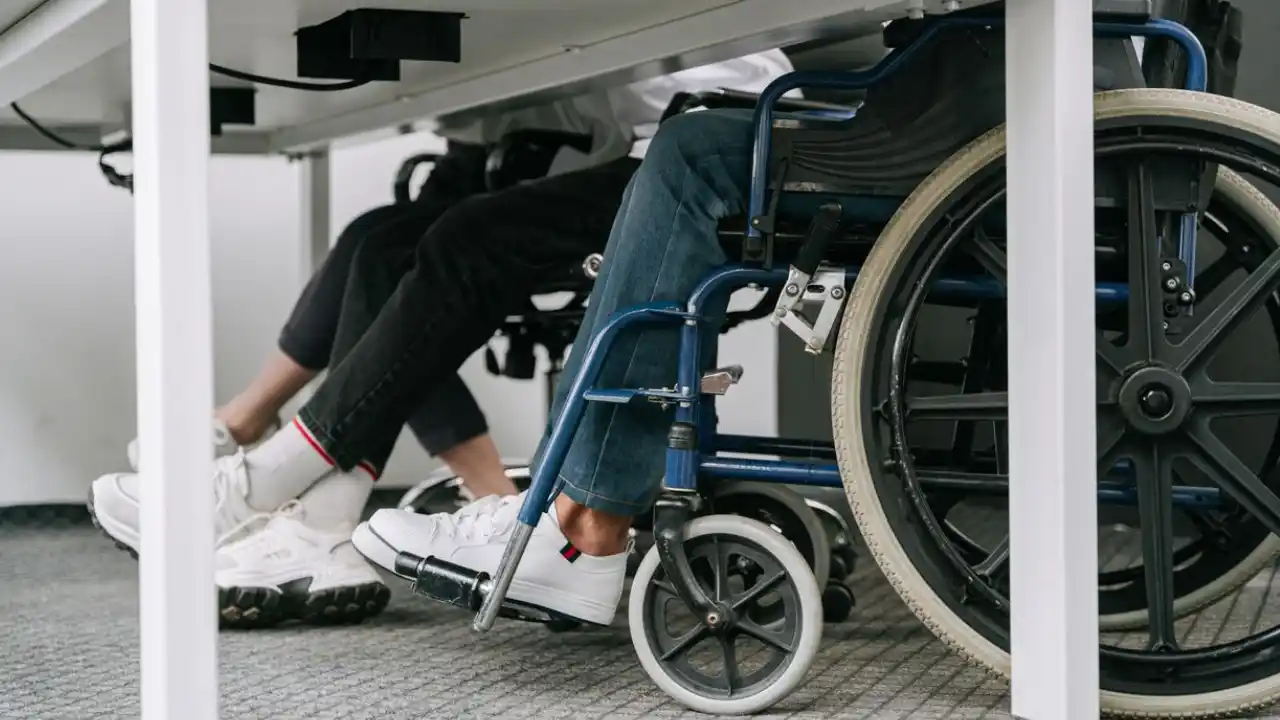
To mitigate these risks, CAROW suggests a proactive approach for employers. This includes rigorous testing of AI systems for inherent biases, ensuring that algorithms do not favor or disadvantage specific groups. Furthermore, the report emphasizes the critical importance of offering reasonable accommodations throughout the hiring process, a practice that extends beyond mere compliance to fostering genuine equity. This might involve providing alternative assessment formats, extended time limits, or assistive technologies, depending on an individual’s specific needs.
The implications of biased hiring algorithms are far-reaching. Beyond the immediate denial of employment, such systems can perpetuate a cycle of underemployment and limit the professional growth of individuals with disabilities. This not only impacts the affected individuals but also deprives employers of valuable talent and diverse perspectives. The economic consequences are also significant, with a substantial portion of the population facing reduced earning potential and increased reliance on social support systems.
Bridging the Skills Gap: Empowering the Workforce with AI Literacy
A key recommendation from the Cornell study is the imperative for workforce development programs to actively integrate AI skills training for individuals with disabilities. Agencies such as vocational rehabilitation services and American Job Centers play a crucial role in preparing job seekers for the evolving demands of the labor market. By equipping people with disabilities with the knowledge and skills to navigate AI-driven hiring processes and adapt to AI-integrated workplaces, these programs can act as vital bridges to opportunity.
The report also points out that these very organizations can leverage AI to enhance their own service delivery. However, this potential is often hampered by a lack of adequate training for their staff and restrictive organizational policies. This creates a paradoxical situation where the tools that could help the most vulnerable are underutilized due to internal limitations. The CAROW analysis advocates for stronger partnerships between employers, workforce agencies, and educational institutions. Such collaborations are essential for developing comprehensive AI training curricula, identifying accessibility barriers in emerging technologies, and creating more inclusive pathways to employment.

The timeline for this skills development is critical. As AI integration accelerates across industries, the window of opportunity to equip individuals with the necessary competencies narrows. Early and targeted interventions are paramount to prevent a widening digital divide that could further marginalize individuals with disabilities. The future of work is undeniably intertwined with AI, and proactive skill-building is not merely beneficial but a necessity for equitable participation.
AI as an Enabler: Enhancing Daily Work and Productivity
Beyond the hiring process, the CAROW report highlights the significant potential of AI tools to act as powerful enablers for individuals with disabilities in their day-to-day work. These technologies can provide invaluable assistance with a range of tasks, including communication, organization, time management, and information processing. AI-powered tools can also be instrumental in converting complex information into plain language and accessible formats, thereby democratizing access to knowledge and improving comprehension.
A compelling example cited in the report is a Microsoft study involving over 300 employees with disabilities who utilized Copilot, an AI assistant. The findings indicated that Copilot effectively addressed barriers related to communication, memory, and focus. For individuals with cognitive or learning disabilities, these AI tools can offer personalized support, breaking down tasks into manageable steps, providing reminders, and organizing information in a way that aligns with their cognitive strengths. Similarly, for those with physical disabilities, AI can enhance interaction with digital interfaces and automate repetitive tasks, thereby increasing efficiency and reducing physical strain.
However, the report issues a cautionary note: without equitable access to these AI tools and the training to use them effectively, individuals with disabilities risk being left behind as employers increasingly integrate AI into core work functions. This creates a new form of digital inequality, where access to productivity-enhancing technologies becomes a prerequisite for success. Ensuring that AI adoption is accompanied by universal access and training is therefore crucial to realizing its full potential as an inclusive force in the workplace.

The broader implication is that AI is not just a tool for efficiency; it is becoming a fundamental component of workplace functionality. To exclude individuals with disabilities from this technological wave would be to erect new, albeit digital, barriers to participation and advancement.
The Policy Imperative: Addressing AI Bias and Ensuring Equity
The CAROW report underscores the significant role of policymakers in shaping the future of AI and its impact on disability employment. Through strategic regulation, targeted funding, dedicated research initiatives, and robust workforce training programs, policymakers can foster an environment where AI development and deployment prioritize accessibility and equity. The report suggests that public-private partnerships are particularly vital, bringing together employers, technology developers, and government agencies to collaboratively address accessibility challenges and actively combat discrimination.
The current regulatory landscape is still catching up with the rapid advancements in AI. While existing anti-discrimination laws like the ADA provide a framework, their application to complex AI systems requires ongoing interpretation and potentially new legislative measures. The CAROW study implicitly calls for a more proactive and adaptive regulatory approach that can keep pace with technological change.
The analysis concludes with a powerful statement on the overarching determinant of AI’s impact on disability employment: "AI’s impact on disability employment will depend on whether people with disabilities can access the technology and participate fairly in AI-driven hiring." This highlights that the ethical and societal implications of AI are not predetermined by the technology itself but by the choices made in its design, implementation, and governance.

Broader Context and Future Implications
The findings from Cornell’s Center for Applied Research on Work arrive at a time of unprecedented global conversation about artificial intelligence. From generative AI creating art and text to sophisticated algorithms influencing financial markets and medical diagnoses, AI is rapidly permeating every facet of modern life. This rapid evolution has prompted widespread discussion about job displacement, ethical considerations, and the future of human work.
Within this broader context, the specific challenges and opportunities for individuals with disabilities represent a critical litmus test for the equitable development of AI. If the technologies designed to enhance human capability inadvertently exclude or disadvantage a significant segment of the population, it signals a fundamental flaw in their design and implementation.
The CAROW report provides a timely and essential reminder that technological progress must be guided by a commitment to human rights and social justice. The employment gap for individuals with disabilities is not merely a statistical anomaly; it represents a persistent societal challenge that requires innovative solutions. While AI offers a powerful new set of tools, its effective and ethical deployment hinges on intentional design, inclusive policies, and a collective will to ensure that no one is left behind in the digital revolution. The recommendations from Cornell serve as a roadmap for navigating this complex terrain, urging a conscious and collaborative effort to harness AI’s potential for a more equitable and productive future for all. The ongoing dialogue surrounding AI’s societal impact must therefore explicitly include the voices and needs of people with disabilities to ensure that this transformative technology serves as a bridge, not a barrier, to opportunity.