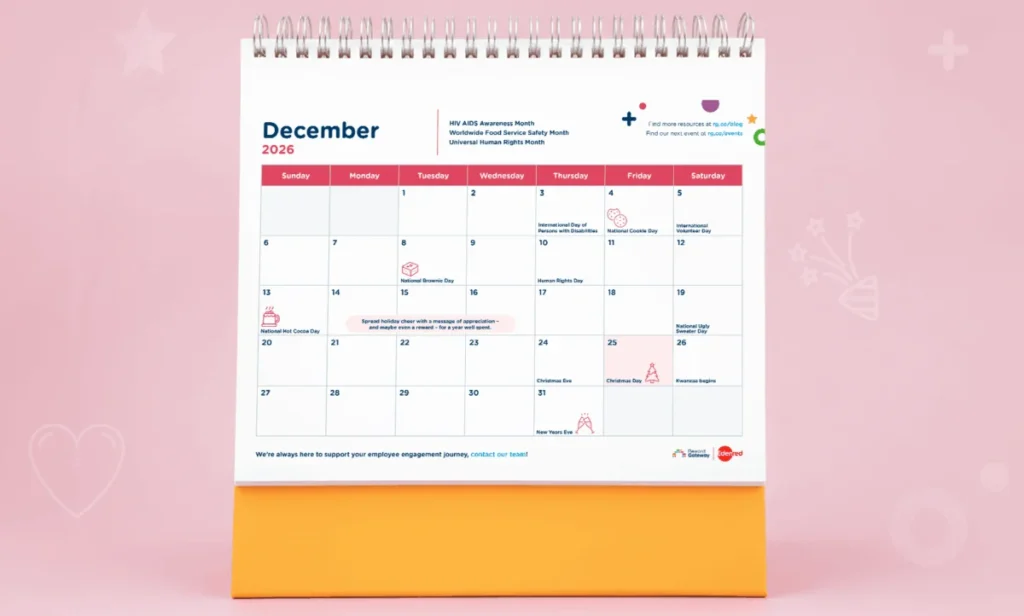
As November draws to a close, HR professionals are stepping into December, a month brimming with opportunities to foster employee appreciation, promote wellbeing, and acknowledge diverse cultural and professional contributions. This period, often characterized by year-end responsibilities and preparations for the upcoming year, presents a unique chance for Human Resources departments to strategically engage their workforce. By recognizing a wide array of holidays, observances, and special days, organizations can cultivate a more inclusive, energized, and connected employee base heading into the new year. This comprehensive guide outlines key dates and thematic areas for HR to leverage in December, aiming to simplify planning and maximize positive impact.
Navigating the Festive Landscape: Special Holidays and Cultural Inclusivity
December is widely associated with a series of significant holidays, and acknowledging this diversity is paramount for creating an inclusive workplace culture. Beyond the universally recognized Christmas, a multitude of religious and cultural celebrations offer opportunities for meaningful engagement.
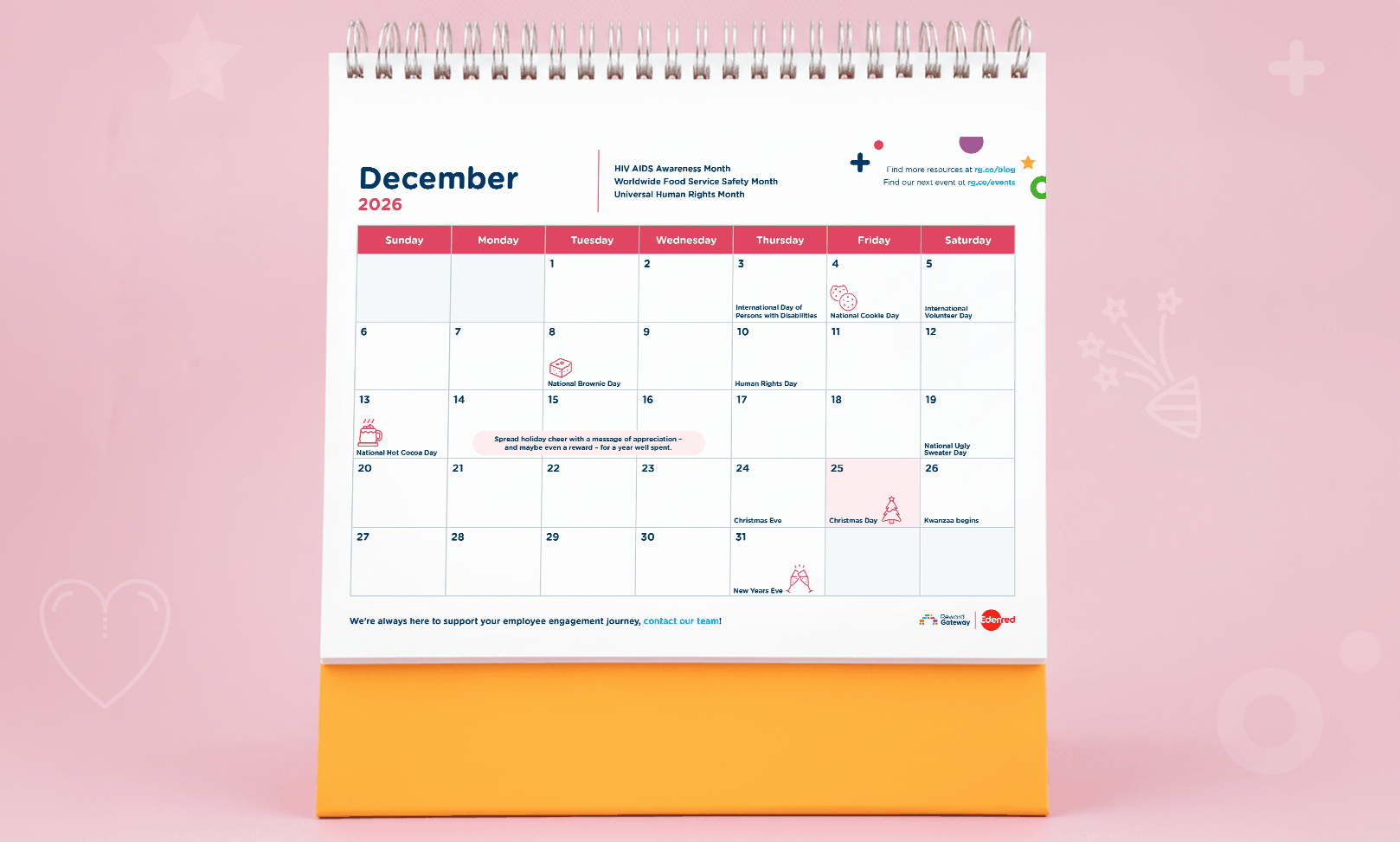
- Advent (November 29 – December 23): This Christian observance, marking the four Sundays leading up to Christmas, signifies a period of preparation and anticipation. For workplaces, it can be a time to reflect on spiritual themes and the spirit of giving.
- Hanukkah (December 5 – 12): The Festival of Lights, a Jewish celebration commemorating the rededication of the Second Temple, spans eight days. Recognizing Hanukkah demonstrates respect for Jewish employees and provides an opportunity to learn about their traditions.
- Yule (December 21): Also known as the Winter Solstice, Yule is an ancient Germanic festival celebrated around the shortest day of the year. It often symbolizes the rebirth of the sun and the turning of the season, offering a moment for reflection on nature’s cycles.
- Winter Solstice (December 21): The astronomical event marking the shortest day and longest night in the Northern Hemisphere. This natural marker can be acknowledged as a time of transition and renewal.
- Christmas Eve (December 24): The evening before Christmas Day, observed by Christians worldwide.
- Christmas (December 25): A Christian holiday celebrating the birth of Jesus Christ, observed globally.
- Kwanzaa (December 26 – January 1): An annual celebration of African-American culture that is observed by many African-Americans. It celebrates family, community, and culture.
- New Year’s Eve (December 31): The last day of the Gregorian year, marked by celebrations and reflections on the year past and the year ahead.
HR professionals can integrate these observances through various initiatives. The use of festive e-cards within employee recognition platforms, themed internal communications, and diverse office decorations can help create a more vibrant and inclusive atmosphere. For instance, a company intranet could feature brief explanations of these holidays, accompanied by employee-submitted photos or stories. According to a 2022 study by Deloitte, 80% of employees believe that an inclusive culture is important to their organization’s success, highlighting the business imperative of recognizing diverse holidays.
Prioritizing Wellbeing: Addressing Winter Challenges and Health Awareness
The winter months can present unique challenges to employee wellbeing, with shorter days and colder weather potentially impacting morale and productivity. December offers several key observances that HR can use to promote health and safety.
Food Safety Month: While often observed in September, December’s focus on food preparation for holiday gatherings makes it an opportune time for food service organizations to reinforce food handling protocols. This can involve refresher training on certifications and licenses, ensuring staff are up-to-date on best practices to prevent foodborne illnesses. This proactive approach not only ensures compliance but also safeguards both employees and customers. Data from the Centers for Disease Control and Prevention (CDC) indicates that millions of foodborne illnesses occur each year, underscoring the critical importance of robust food safety measures.

Beyond food safety, December highlights broader health and awareness days:
- World AIDS Day (December 1): An annual observance dedicated to raising awareness about AIDS and HIV, and to mourn those who have died of the disease. This day provides an opportunity for companies to promote health education and support relevant charitable causes.
- International Day of Persons with Disabilities (December 3): This UN-sanctioned day aims to promote the rights and wellbeing of persons with disabilities in all spheres of society and development. HR can use this day to review and enhance accessibility initiatives within the workplace and foster a culture of inclusion for employees with disabilities. A 2023 report by the International Labour Organization (ILO) found that inclusive workplaces benefit all employees, leading to greater innovation and problem-solving.
- International Day for Epidemic Preparedness (December 27): This day emphasizes the importance of preparedness and response to epidemics. In a post-pandemic world, this observance serves as a crucial reminder for organizations to review and strengthen their health and safety protocols, business continuity plans, and employee support systems for potential health crises.
Culinary Delights and Engagement Opportunities
The holiday season is intrinsically linked with food, and December presents a multitude of culinary celebrations that can be leveraged for lighthearted employee engagement and appreciation. These occasions, when managed thoughtfully, can boost morale and foster a sense of community.
- National Eggnog Month: A festive beverage synonymous with the holiday season, offering a thematic link for office treats or virtual gatherings.
- National Cookie Day (December 4): A simple yet universally enjoyed observance that can be celebrated with office bake-offs, cookie decorating contests, or simply by providing a variety of cookies for employees to enjoy.
- National Cotton Candy Day (December 7): A whimsical day that can bring a touch of fun and nostalgia.
- National Pastry Day (December 9): Similar to cookie day, this offers another opportunity for sweet treats and shared enjoyment.
- Gingerbread House Day (December 13): A creative and collaborative activity that can be adapted for team-building exercises, either in-person or virtually.
- National Maple Syrup Day (December 17): A celebration of a distinct flavor, perhaps incorporated into a themed breakfast or dessert offering.
- National Eggnog Day (December 24): A specific nod to this holiday favorite, potentially tied into Christmas Eve celebrations.
The strategic use of food-related engagement opportunities throughout the year is a proven method for boosting employee morale. A 2021 survey by Achievers found that 83% of employees feel more valued when their company celebrates holidays and milestones. Offering variety throughout the year is also crucial for inclusivity, ensuring that employees with dietary restrictions or allergies can participate and feel included. Even small gestures, such as a themed graphic in a company newsletter or a lighthearted comment in a team meeting, can serve as effective acknowledgments.

Corporate Social Responsibility: Extending Kindness Beyond the Workplace
December provides a timely opportunity for organizations to engage in meaningful Corporate Social Responsibility (CSR) initiatives. These activities not only benefit society but also enhance employee pride and foster a positive company image.
- National Day of Giving (December 1): This day serves as a perfect kickoff for year-end charitable activities. Companies can organize donation drives, volunteer events, or matching gift programs for employee contributions to their chosen charities. This aligns with employee values; a 2023 Cone Communications report indicated that 66% of consumers are willing to switch brands based on a company’s stance on social issues.
- Rosa Parks Day (December 1): A day to honor the civil rights activist and reflect on the ongoing struggle for equality and justice. Companies can use this as an opportunity for educational discussions or to highlight diversity and inclusion initiatives.
- Special Education Day (December 2): Recognizing the importance of special education services, this day can prompt reflection on inclusive educational practices and support for employees with educational needs.
- World Wildlife Conservation Day (December 4): An occasion to raise awareness about the importance of protecting biodiversity and endangered species. Companies can support conservation organizations or promote eco-friendly practices within the workplace.
- National Pearl Harbor Remembrance Day (December 7): A solemn day to honor the victims of the attack on Pearl Harbor and reflect on the sacrifices made.
- Human Rights Day (December 10): Celebrated globally, this day commemorates the adoption of the Universal Declaration of Human Rights. It’s a pivotal moment for organizations to reaffirm their commitment to human rights principles in their operations and employee relations.
- Nobel Prize Day (December 10): Recognizing achievements in various fields, this day can inspire employees by highlighting innovation and significant contributions to humanity.
- Worldwide Candle Lighting Day (December 13): A day dedicated to remembering and honoring children who have died, often observed by lighting candles at 7 PM local time. This day offers a moment for collective remembrance and support.
- Bill of Rights Day (December 15): Commemorating the adoption of the U.S. Bill of Rights, this day can be an occasion to discuss civil liberties and employee rights.
- International Human Solidarity Day (December 20): A UN day that promotes unity and collective action in addressing global challenges. It encourages a spirit of shared responsibility and collaboration.
Professional Spotlights: Celebrating Skills and Contributions
Recognizing the diverse talents and hard work of employees is crucial for a thriving work environment. December offers several professional spotlights that HR can use to acknowledge specific roles and contributions.
- National Bartender Day (December 5): While perhaps niche, this can be extended to recognize all staff involved in hospitality or customer service roles within the organization.
- National Blue Collar Day (December 8): A day to honor the contributions of skilled tradespeople and manual laborers, whose work is foundational to many industries.
- Dewey Decimal System Day (December 10): While originating in library science, this day can be a playful nod to organizational systems, information management, and the value of knowledge within any profession.
- National Device Appreciation Day (December 17): In an increasingly digital world, this day is a reminder to acknowledge and appreciate the technology that facilitates daily work, from personal devices to complex machinery. A brief appreciation message or a quick check-in on device functionality can go a long way.
Acknowledging these professional roles, even through simple gestures like a shout-out in a team meeting or a brief mention in internal communications, reinforces employee value and fosters a sense of appreciation. A recent Gallup study indicated that employees who feel recognized are more likely to be engaged and productive, with a significant reduction in turnover rates.

Special Interests: Unlocking Everyday Engagement
Beyond formal holidays and professional roles, December also presents opportunities to connect with employees on a more personal level through shared interests. These seemingly small observances can unlock surprising insights into employee personalities and foster camaraderie.
- National Cat Lover’s Month: A month-long observance that can be tapped into through themed Slack channels, virtual pet photo sharing, or even a "bring your pet to work" day (if feasible and appropriate).
- National Make a Gift Day (December 3): Encourages creativity and thoughtfulness, potentially sparking DIY office craft sessions or sharing of handmade gifts.
- National Sock Day (December 4): A lighthearted day that can lead to fun office traditions, such as a "funniest socks" competition.
- International Mountain Day (December 11): A day to appreciate the natural world, which can inspire discussions about outdoor activities, environmental consciousness, or simply shared appreciation for natural beauty.
- International Cinema Day (December 28): A perfect occasion for a virtual movie club, sharing favorite film recommendations, or discussing cinematic trends.
These "special interest" days are particularly valuable because they require minimal organizational effort but can yield significant returns in employee connection. By providing platforms for employees to share their passions and interests, HR can foster a more human-centric workplace. This approach aligns with modern employee expectations, where a sense of belonging and personal connection is increasingly valued.
Conclusion: Building a Connected and Appreciated Workforce
As the year draws to a close, December offers HR professionals a rich palette of opportunities to reinforce their commitment to employee wellbeing, inclusion, and appreciation. By strategically integrating the diverse holidays, health observances, culinary celebrations, CSR initiatives, professional spotlights, and special interest days into their engagement strategies, organizations can foster a more connected, motivated, and valued workforce. The impact of these efforts extends beyond the festive season, laying a strong foundation for a positive and productive employee experience in the year ahead. Proactive planning and a genuine commitment to recognizing the multifaceted lives of employees are key to navigating this busy period successfully and ushering in the new year with renewed vigor and unity.