The imperative for organizations to prioritize employee wellbeing is no longer a subject of debate among HR leaders; it is a critical strategic necessity. The challenge, however, lies not in recognizing its importance, but in effectively implementing programs that resonate with employees, remain financially sustainable, and cater to the diverse needs of a workforce increasingly defined by flexible schedules, distributed locations, and varied personal circumstances. A one-size-fits-all approach is demonstrably insufficient, necessitating a nuanced and adaptable strategy.
The shift towards hybrid and remote work models, accelerated by recent global events, has fundamentally altered the employee experience. This new paradigm has blurred the lines between professional and personal life, making it more challenging for individuals to disconnect and maintain a healthy work-life balance. Consequently, issues such as burnout and employee retention have become paramount concerns for businesses worldwide. In this evolving environment, robust wellbeing programs are not merely a perk but a fundamental component of organizational health, demonstrating to employees that their day-to-day experience is valued.
The Rising Significance of Employee Wellbeing

The modern workplace is characterized by a dynamic interplay of technological advancements, evolving employee expectations, and a growing awareness of the impact of mental and physical health on overall productivity and engagement. Data consistently underscores this trend. For instance, a 2023 report by Deloitte found that organizations with high wellbeing scores reported 2.1 times higher revenue growth and 3.3 times higher innovation growth compared to those with low scores. Furthermore, the Society for Human Resource Management (SHRM) reported that 86% of employees in a recent survey considered wellbeing benefits to be an important factor when choosing an employer.
The traditional understanding of employee benefits often centered on health insurance and retirement plans. However, the contemporary definition of wellbeing encompasses a broader spectrum of support, addressing not only physical health but also mental, emotional, social, and financial dimensions. This holistic approach recognizes that an employee’s ability to perform at their best is intrinsically linked to their overall state of being.
Foundational Pillars of a Comprehensive Wellbeing Strategy
Effective employee wellbeing programs are built upon a foundation of interconnected pillars, each addressing a distinct yet complementary aspect of an individual’s life that impacts their work experience. While the specific initiatives will vary based on organizational culture, industry, and employee demographics, a framework encompassing the following four pillars provides a robust starting point:

Physical Health Initiatives
Promoting physical wellbeing involves encouraging movement, ensuring adequate rest, and providing access to essential health resources. This can manifest in various forms, from organizing company-wide step challenges and providing ergonomic assessments for home offices to offering subsidies for gym memberships or access to preventive health screenings. Crucially, these initiatives must be designed with flexibility in mind, accommodating individuals with diverse physical abilities, work schedules, and personal interests. For example, a larger organization might offer a range of fitness classes catering to different times of the day and skill levels, while a smaller team might focus on a weekly walking group followed by a casual social gathering. The key is to offer choices that are accessible and appealing to the majority of the workforce.
Mental Health and Emotional Wellbeing
The recognition of mental health as an integral component of overall wellbeing has been a significant development in recent years. Mental wellbeing initiatives aim to provide employees with the necessary support to navigate stress, anxiety, and other emotional challenges. This can include offering confidential access to counseling services through Employee Assistance Programs (EAPs), providing mental health resources and training for managers to better support their teams, and fostering a culture that encourages regular breaks and discourages overwork. Transparency regarding the availability of these resources and a steadfast commitment to employee privacy are paramount to building trust and encouraging utilization. According to the World Health Organization, depression and anxiety disorders cost the global economy US$1 trillion each year in lost productivity, highlighting the critical importance of addressing these issues proactively.
Social Wellness
Positive social connections are vital for fostering a sense of belonging and strengthening team cohesion. Social wellness initiatives aim to create opportunities for employees to connect with their colleagues, particularly in distributed or hybrid work environments. This can involve organizing informal social gatherings, implementing peer recognition programs, or establishing buddy systems for new hires. For remote employees, virtual coffee breaks or online team-building activities can help bridge geographical divides. The emphasis should always be on creating welcoming and optional opportunities for interaction, ensuring that these activities feel like genuine opportunities for connection rather than an additional work obligation. Research from the University of Oxford has indicated that people with strong social ties are up to 50% more likely to recover from illness and have a lower risk of premature death.
Financial Wellness
Financial concerns can significantly impact an individual’s mental and emotional state, and consequently, their performance at work. Financial wellbeing programs aim to equip employees with the knowledge and resources to manage their finances effectively. This might include offering workshops on budgeting and financial planning, providing access to financial advisors, or educating employees about the benefits and financial implications of workplace compensation and retirement plans. It is important to offer practical, actionable information without making assumptions about employees’ individual financial circumstances or goals. A survey by PwC revealed that 60% of employees reported that financial stress negatively impacted their work performance.

Innovative Wellbeing Program Ideas for the Modern Workplace
Implementing a successful wellbeing program does not require an immediate overhaul of all existing benefits. A phased approach, starting with a few well-chosen initiatives that align with the company’s culture and employee needs, can yield significant results.
-
Physical Wellbeing:
- Flexible Fitness Challenges: Introduce virtual or in-person challenges that allow for individual participation across different locations and time zones, such as step challenges, hydration goals, or healthy eating initiatives.
- Ergonomic Support: Provide resources and guidance for setting up healthy workspaces, whether at home or in the office, including virtual ergonomic assessments.
- Wellness Webinars: Host sessions on topics like stress management, nutrition, sleep hygiene, and mindfulness, making recordings available for asynchronous access.
-
Mental and Emotional Wellbeing:

- Expanded EAP Access: Ensure employees are aware of and can easily access their Employee Assistance Program, potentially offering a wider range of specialized services.
- Manager Training: Equip managers with the skills and knowledge to identify signs of distress in their team members and to provide appropriate support and resources.
- Mindfulness and Meditation Resources: Offer subscriptions to meditation apps or host guided meditation sessions to promote stress reduction and mental clarity.
-
Social Wellbeing:
- Virtual Social Events: Organize online game nights, virtual trivia, or themed happy hours to foster camaraderie among remote and hybrid teams.
- Employee Resource Groups (ERGs): Support the formation and growth of ERGs that cater to shared interests and identities, fostering a sense of community.
- Peer-to-Peer Recognition Platforms: Implement digital tools that allow employees to easily recognize and appreciate the contributions of their colleagues.
-
Financial Wellbeing:
- Financial Literacy Workshops: Conduct sessions on budgeting, debt management, saving for retirement, and understanding employee benefits.
- Access to Financial Planning Tools: Provide access to online budgeting tools or partner with financial advisory firms for discounted services.
- Benefit Education: Clearly communicate the financial benefits of existing employee programs, such as retirement plans, health savings accounts, and wellness stipends.
Building a Year-Round Wellbeing Calendar
A structured wellbeing calendar can transform sporadic initiatives into a consistent and integrated part of the organizational culture. This proactive approach ensures that wellbeing support is available throughout the year, rather than being confined to specific awareness months or annual campaigns.

The process begins with identifying themes that align with employee needs and organizational priorities. These themes can be inspired by seasonal changes, recognized awareness days (e.g., Mental Health Awareness Month, World Wellbeing Week), or practical topics like rest, movement, connection, and financial literacy. The calendar should be flexible, with each theme prompting a manageable activity or resource. This could range from a brief learning session, an optional team activity, a practical wellbeing tip shared via internal communications, or a reminder about existing company benefits.
Crucially, the communication strategy must be integrated with the calendar. Clear, consistent messaging about upcoming activities, their relevance, and how employees can participate is essential. Encouraging managers to champion these initiatives and directing employees towards accessible resources will amplify their impact. The emphasis must remain on voluntary participation and avoiding any communication that might create additional pressure.
Measuring Impact and Avoiding Common Pitfalls
To ensure the effectiveness and continuous improvement of wellbeing programs, robust measurement is essential. This doesn’t necessitate complex dashboards; rather, it involves identifying key indicators that align with program goals and reviewing them consistently.

Useful metrics may include:
- Participation Rates: Tracking engagement with various wellbeing initiatives.
- Employee Feedback: Gathering qualitative data through surveys, focus groups, and informal feedback channels to understand what employees find valuable.
- Employee Engagement Survey Scores: Monitoring trends in areas related to job satisfaction, stress levels, and sense of support.
- Utilization of Benefits: Observing how employees are accessing and using available wellbeing resources, such as EAP services or wellness stipends.
- Absenteeism and Retention Rates: While influenced by many factors, changes in these metrics can provide contextual insights into the overall health of the workforce.
Before launching new initiatives, establishing baseline data allows for a clear comparison of impact. Regularly reviewing these metrics and, most importantly, acting on the insights gained is critical. Sharing findings with employees and demonstrating how their feedback shapes future program development fosters a sense of partnership and reinforces the organization’s commitment to their wellbeing.
Despite good intentions, wellbeing programs can sometimes fall short. Common missteps to avoid include:
- Launching initiatives without employee input: What works for one organization may not resonate with another. Prioritize employee surveys and focus groups to understand needs and preferences.
- Adopting a "one-size-fits-all" approach: Recognize the diverse needs of your workforce in terms of schedules, locations, and personal circumstances. Offer a variety of options, including asynchronous resources.
- Treating wellbeing as an obligation: Compulsory activities or excessive event schedules can inadvertently increase stress. Emphasize voluntary participation and choice.
- Excluding managers: Managers play a pivotal role in shaping employee experience. Provide them with clear guidance and ensure they are well-informed about available resources.
- Poor communication and accessibility: A valuable resource is useless if employees are unaware of it or cannot easily access it. Centralize information and use multiple communication channels.
- Measuring activity without assessing usefulness: High attendance numbers do not always equate to program effectiveness. Combine participation data with feedback to understand the true value and impact of initiatives.
Getting Started: An Actionable Wellbeing Plan
Embarking on the journey of developing a comprehensive wellbeing program can begin with a clear understanding of employee needs, followed by the selection of a few impactful actions. Building upon learnings from these initial steps will pave the way for sustained growth and refinement.
- Assess Employee Needs: Conduct surveys, focus groups, or informal discussions to understand current wellbeing challenges and preferences.
- Prioritize Initiatives: Select a few high-impact, feasible initiatives that address the most pressing needs identified.
- Develop a Communication Plan: Clearly articulate the purpose, benefits, and accessibility of each initiative.
- Pilot and Gather Feedback: Launch initiatives on a smaller scale, collect feedback, and iterate based on learnings.
- Integrate and Scale: Gradually expand successful programs and integrate them into the broader organizational culture.
- Measure and Adapt: Continuously track progress, gather feedback, and make adjustments to ensure ongoing relevance and effectiveness.
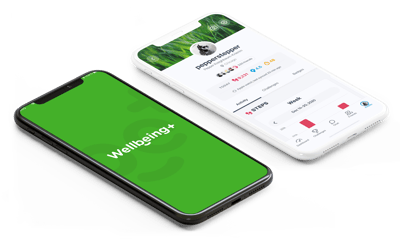
Platforms like Reward Gateway, which offer integrated employee engagement solutions, can significantly streamline the creation, communication, and management of wellbeing initiatives. Such platforms provide a centralized hub for employees to discover relevant support and resources, while enabling HR teams to maintain visibility and manage program activities efficiently.
Employee Wellbeing Program FAQs
-
Q: What are the most cost-effective employee wellbeing program ideas?
A: Low-cost options often involve leveraging existing resources more effectively. This includes providing clear information about current benefits, promoting flexible work practices, organizing simple initiatives like walking groups or peer connection activities, and offering short, accessible learning sessions. The most effective approach is to survey employees to identify what they would find most beneficial before investing in new programs. Piloting ideas can also help gauge interest and effectiveness before a full rollout.
-
Q: How do I measure the success of an employee wellbeing program?
A: Success measurement should align with the program’s specific objectives. Key indicators can include participation rates in wellbeing activities, qualitative employee feedback gathered through surveys or direct conversations, improvements in employee engagement survey scores related to wellbeing and job satisfaction, and tracking the utilization of EAPs and other wellbeing benefits. While metrics like absenteeism and retention can offer broader context, they are influenced by numerous external factors and should be considered alongside more direct wellbeing indicators. -
Q: What wellness program ideas work best for remote and hybrid teams?
A: A blend of flexible and accessible options is crucial. Virtual social events, online fitness challenges, and digital wellbeing resources cater to distributed teams. Asynchronous content, such as on-demand webinars or informational articles, allows employees to engage at their convenience, accommodating different time zones and work schedules. Crucially, directly asking remote and hybrid employees about their preferences and what formats best suit their needs is paramount. -
Q: What are the benefits of using an employee engagement platform for wellness programs?
A: Employee engagement platforms offer a centralized and user-friendly location for employees to access all wellbeing resources, activities, and benefit information. This enhances discoverability and ease of use. For HR teams, these platforms facilitate clear and consistent communication of wellbeing initiatives, enable tracking of employee engagement, and provide valuable data for program evaluation and improvement. Ultimately, they serve to make essential support more accessible and manageable.