
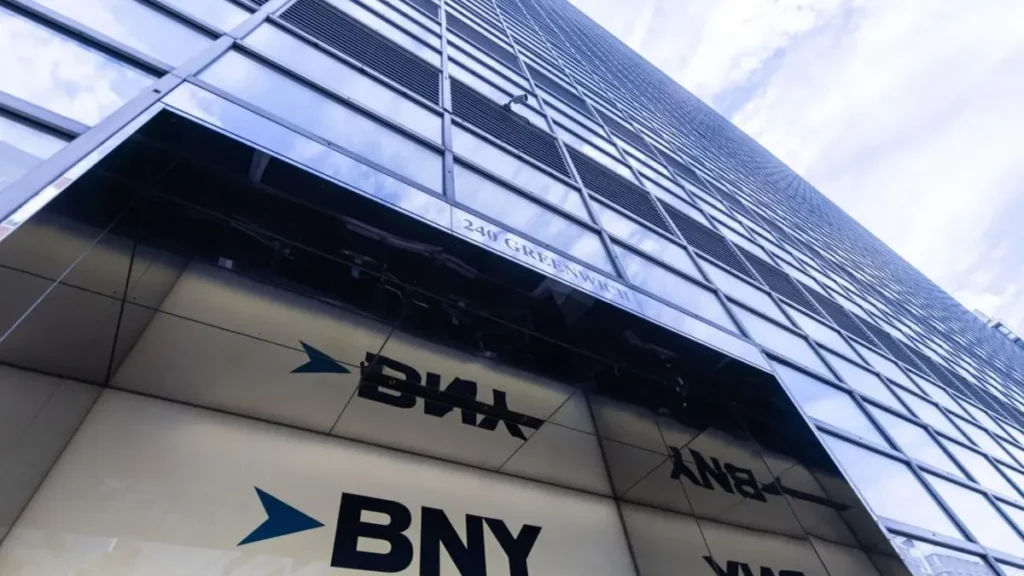
BNY, one of the nation’s oldest and most prominent financial institutions, announced on April 9, 2026, the launch of a new comprehensive Homeowner Program, designed to bolster the financial security and economic prosperity of its workforce. A cornerstone of this initiative is the provision of $6,500 in down payment assistance for U.S. employees earning $100,000 or less annually, aimed specifically at supporting their journey toward first-time homeownership. This latest move underscores BNY’s ongoing strategy to enhance employee benefits, building on previous commitments such as raising its minimum wage and offering company stock to a wider segment of its workforce.
A Deeper Dive into the Homeowner Program
The newly introduced Homeowner Program is multifaceted, extending beyond direct financial aid to encompass crucial educational and support services. Eligible U.S. employees who qualify based on the income threshold can utilize the $6,500 assistance towards the down payment of their inaugural home purchase. This direct financial injection is designed to alleviate one of the most significant barriers to homeownership, particularly for individuals in the lower to middle-income brackets who often struggle to save the substantial capital required for a down payment.
Beyond the monetary benefit, BNY is equipping its entire U.S. employee base with vital knowledge and resources through on-demand digital homeowner education and live seminars. These educational modules, delivered by a third-party expert, are meticulously structured to cover the entire spectrum of the home-buying process. Topics include essential financial planning aspects such as budgeting and credit readiness, a thorough exploration of various mortgage options, an understanding of closing costs, and critical long-term financial planning for homeowners. Furthermore, the program facilitates access to mortgage origination and additional benefits, all enabled by BNY and provided through a trusted third-party partner, ensuring a holistic support system for aspiring homeowners.
BNY’s Enduring Commitment to Employee Well-being: A Timeline
This initiative is not an isolated event but rather a continuation of BNY’s proactive and progressive approach to employee compensation and benefits over recent years. The bank has steadily demonstrated a commitment to fostering a supportive and financially stable environment for its employees, particularly those at the foundational levels of its operations.
Late 2021 / Early 2022: BNY introduced a significant perk by offering 10 shares of company stock to all eligible new employees. This program was innovative for its time, aiming to directly link employee success with the company’s overall performance, fostering a sense of ownership and shared prosperity. By providing equity, BNY sought to engage its workforce more deeply and offer a tangible asset that could grow in value over time, contributing to long-term financial security. This move was particularly noteworthy for extending stock ownership beyond executive levels, democratizing access to capital gains for a broader segment of the workforce.
Mid-2022: In a move that garnered considerable attention across the financial sector, BNY quietly but decisively raised its minimum hourly wage to $25. This benchmark surpassed a highly publicized goal set by its competitor, Bank of America, which had publicly committed to reaching a $25 minimum wage by 2025. BNY’s accelerated implementation not only positioned it as a leader in fair wage practices within the banking industry but also provided a substantial boost to the earning power of its lowest-paid workers, enhancing their financial stability well ahead of schedule. This decision reflected an understanding that competitive wages are fundamental to attracting and retaining talent, as well as promoting employee morale and productivity.
April 2026: The launch of the Homeowner Program, with its $6,500 down payment assistance and extensive educational resources, marks the latest chapter in this ongoing commitment. This initiative directly addresses another critical aspect of financial wellness: asset building through homeownership. By tackling the challenge of down payments and providing educational tools, BNY is actively working to transform the financial trajectory of its employees, enabling them to achieve a significant life milestone that often feels out of reach for many.

These initiatives collectively paint a picture of a financial institution that views its employees as integral to its growth journey and invests strategically in their overall well-being.
Leadership Vision and Corporate Philosophy
BNY CEO Robin Vince articulated the strategic rationale behind the new program, stating, "Homeownership is a pathway to financial security and economic prosperity, and we’re committed to helping our people reach it. By offering benefits that strengthen financial wellness and family stability, we are investing in our employees and the communities we serve – helping build a more resilient economy." This statement encapsulates the bank’s philosophy, positioning employee benefits not merely as expenses but as strategic investments that yield broader societal and economic returns.
The bank further emphasized in its official press release that the Homeowner Program "complements this commitment and BNY’s broader suite of holistic, leading benefits that aim to enhance financial well-being for employees across every life stage." This suggests a comprehensive approach to employee support, recognizing that financial needs evolve throughout an individual’s career and life journey. From entry-level wages to long-term wealth building, BNY aims to provide relevant and impactful benefits.
Broader Industry Context and Economic Realities
The introduction of BNY’s Homeowner Program comes at a time when homeownership remains a significant challenge for many Americans, particularly first-time buyers. The housing market has been characterized by several compounding factors that make entry difficult:

- Soaring Home Prices: National median home prices have seen substantial increases over the past decade, driven by low inventory, high demand, and inflationary pressures. While regional variations exist, the overall trend has made accumulating a down payment more daunting.
- Rising Interest Rates: The Federal Reserve’s efforts to combat inflation have led to a series of interest rate hikes, significantly increasing the cost of borrowing for mortgages. Higher rates translate to larger monthly payments, further eroding affordability even for those who can manage a down payment.
- Inflationary Pressures: Broader inflation has impacted the cost of living, making it harder for individuals to save for large purchases like a home. Disposable income, after covering essential expenses, has diminished for many households.
- Student Loan Debt: A significant portion of the younger workforce is burdened by student loan debt, which can impair credit scores, reduce borrowing capacity, and divert funds that would otherwise go towards a down payment.
In this challenging environment, a $6,500 down payment assistance program, while not covering the entirety of a typical down payment (which can range from 3.5% for FHA loans to 20% or more for conventional mortgages), represents a substantial boost. For a median-priced home of, say, $400,000, a 3.5% FHA down payment would be $14,000. BNY’s assistance covers nearly half of this amount, significantly lowering the upfront capital required from the employee. For a lower-priced home, the impact could be even more profound. This assistance can be particularly impactful for employees in less expensive housing markets or those who have already saved a portion of their down payment but need a final push.
This initiative also aligns with a growing trend among corporations to offer robust "financial wellness" programs. Employers are increasingly recognizing that employee financial stress can impact productivity, retention, and overall morale. Beyond traditional benefits like health insurance and retirement plans, companies are investing in programs that address housing, debt management, and financial literacy. Such benefits are not just altruistic; they are strategic investments in human capital, enhancing an employer’s appeal in a competitive job market.
BNY’s Broader Community Impact
It is important to contextualize BNY’s employee homeownership program within its larger commitment to fostering affordable housing and economic development. The bank highlighted in its press release that it has supported affordable housing development in the U.S. through nearly $3 billion in loans, investments, and mortgage-backed security purchases since 2023. This substantial investment demonstrates a consistent and comprehensive approach to addressing housing affordability challenges, both internally for its employees and externally within the communities it serves.
This dual focus on internal and external housing initiatives positions BNY as a leader in corporate social responsibility (CSR). By investing in affordable housing development, the bank contributes to a more equitable housing landscape, while its employee program directly empowers its workforce to participate in that landscape. This synergy reinforces the bank’s stated goal of "helping build a more resilient economy" through its actions.
Implications and Future Outlook
The launch of BNY’s Homeowner Program carries several significant implications:
- Enhanced Employee Morale and Retention: Employees are likely to view such a benefit as a strong indicator of corporate care and commitment. This can significantly boost morale, foster loyalty, and reduce turnover, as employees feel valued and supported in achieving major life goals.
- Recruitment Advantage: In the competitive financial sector, attractive benefits packages are crucial for recruiting top talent. BNY’s progressive approach to wages, stock ownership, and now homeownership assistance positions it as an employer of choice, particularly for individuals seeking long-term financial stability.
- Potential Industry Ripple Effect: BNY’s pioneering moves in minimum wage and employee stock offerings have often set benchmarks. This new homeownership program could inspire other large financial institutions and corporations to explore similar benefits, potentially leading to a broader improvement in employee financial wellness programs across industries.
- Contribution to Local Economies: By facilitating homeownership, BNY’s program indirectly stimulates local economies. New homeowners often invest in home improvements, purchase goods and services from local businesses, and contribute to the property tax base, generating a positive economic ripple effect.
- Addressing Wealth Inequality: While not a panacea, programs like this can play a small but meaningful role in addressing wealth inequality by helping lower and middle-income individuals build equity, which is a primary driver of long-term wealth accumulation.
- Challenges and Limitations: Despite its benefits, the $6,500 assistance, while substantial, may still be insufficient for down payments in extremely high-cost-of-living areas. Employees in such markets might still face significant hurdles, even with the aid. However, the accompanying educational resources are universally beneficial, providing crucial knowledge regardless of market conditions.
In conclusion, BNY’s new Homeowner Program is a significant step in its ongoing commitment to employee well-being and financial empowerment. By strategically combining direct financial assistance with comprehensive educational support, the bank is not only investing in its workforce but also reinforcing its broader corporate philosophy of fostering financial security and contributing to a more resilient economy. This initiative further solidifies BNY’s reputation as a progressive employer in the financial industry, potentially setting new standards for corporate benefits in the years to come.






