
When teams are geographically dispersed, the traditional methods of recognizing employee contributions can feel like trying to high-five someone through a screen. Spontaneous desk drop-bys, celebratory lunches, and casual hallway congratulations no longer translate to a remote work environment. Yet, the need for appreciation among remote employees is as significant, if not more so, than for their in-office counterparts. The challenge lies not in whether to recognize remote workers, but in how to ensure that recognition feels genuine, timely, and impactful, even when separated by miles. This article delves into the critical importance of remote employee appreciation, explores a comprehensive range of strategies, and outlines best practices for fostering a culture of recognition that transcends physical distance.
The Imperative of Remote Employee Appreciation
Remote employees navigate a unique landscape of challenges that makes consistent appreciation essential for engagement and retention. The phenomenon often referred to as "out of sight, out of mind" can lead to contributions going unnoticed, successes uncelebrated, and dedication unacknowledged simply because individuals are not physically present in the room where discussions and decisions occur. This visibility gap has tangible consequences. Research consistently highlights loneliness and disconnection as top struggles for remote workers, directly impacting their sense of belonging and commitment to their organization. According to Buffer’s State of Remote Work reports, these feelings can lead to disengagement, reduced discretionary effort, and ultimately, higher turnover rates. The cost of replacing a disengaged remote employee can be substantial, encompassing recruitment expenses, onboarding time, and lost productivity.

Employee appreciation serves as a crucial bridge, creating intentional moments of connection and visibility. When implemented effectively, it helps remote workers feel like valued members of the team, rather than isolated contributors. This recognition reinforces the importance of their work, acknowledges their presence and contributions, and underscores their role in driving organizational success, irrespective of their location.
Innovative Strategies for Recognizing Remote Talent
The most effective employee appreciation ideas for remote workers blend thoughtfulness with practicality, forging meaningful connections that overcome geographical barriers. Here are twenty proven approaches designed to make distributed teams feel valued, connected, and motivated:
Digital Expressions of Gratitude
-
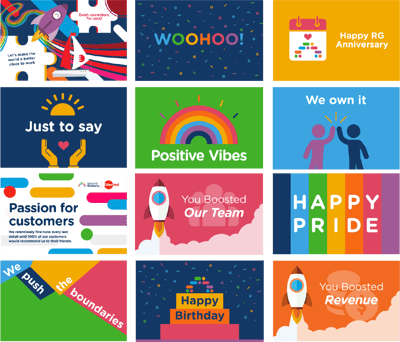
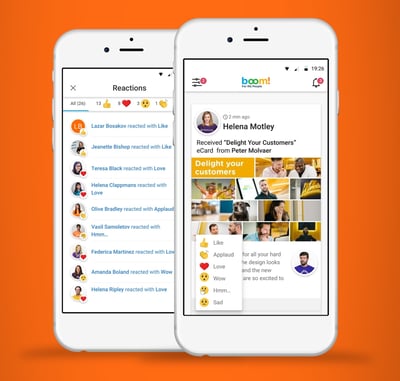
Share Digital eCards: Digital eCards offer an immediate and visual means of expressing gratitude, feeling more personal than a standard text or email. Customizable for specific occasions, achievements, or simply "just because," these cards create a lasting record of appreciation that employees can revisit. Platforms that facilitate branded eCards can align with company culture while enabling seamless peer-to-peer recognition across all locations.

-
Highlight Achievements During Team Meetings: Dedicating time in virtual team meetings to spotlight individual and collective accomplishments provides public recognition that boosts morale. This practice ensures visibility across the entire group and models appreciation as a core team value. Making these spotlights a standing agenda item encourages consistent recognition, and empowering team members to nominate their peers further strengthens the practice.
-
Feature Remote Employees on Company Social Channels: Showcasing remote workers on platforms like LinkedIn, Instagram, or internal social networks amplifies their visibility beyond their immediate teams. Sharing professional wins, highlighting expertise through thought leadership posts, or featuring "day in the life" content humanizes remote work and recognizes individuals. This approach demonstrates an organizational commitment to celebrating all employees equally.
-
Build Dedicated Recognition Channels or Walls: Establishing a specific digital space for appreciation—whether a Slack channel, a Microsoft Teams space, or a dedicated recognition wall within an employee engagement platform—gives gratitude a permanent home. These channels become living archives of appreciation, where employees can celebrate wins, thank colleagues, and organically build a culture of gratitude. Encouraging leadership to model consistent recognition behavior is key to their success.
Structured Recognition Programs
-
Establish Monthly or Quarterly Award Programs: Structured award programs provide a predictable rhythm and build anticipation for recognition efforts, ensuring consistent appreciation for the remote workforce. Recognizing top performers, culture champions, or innovation leaders creates milestones that employees can strive towards. Pairing these programs with meaningful rewards and public celebration maximizes their impact and reinforces desired behaviors and values.
-
Curate High-Quality Company Swag: While often maligned, thoughtfully designed, high-quality branded items can become cherished favorites. Focusing on premium items like quality jackets, stylish water bottles, comfortable hoodies, or useful tech accessories ensures that swag is genuinely appreciated and used. When remote employees use company swag, it reinforces their connection to the organization and can foster brand advocacy.
-
Celebrate Personal Milestones with Thoughtful Gifts: Work anniversaries, birthdays, and significant life events deserve personal and intentional recognition. For remote employees, these moments are even more critical for maintaining connection. Sending personalized gifts aligned with individual interests, coordinating surprise virtual celebrations with their team, or offering experience gifts for them to enjoy with family and friends can make these occasions memorable.
Tangible and Experiential Appreciation
-
Deliver Curated Care Packages: Physical care packages create tangible touchpoints that remind remote employees of their value. These packages can be themed around seasons, company milestones, well-being initiatives, or simply "thinking of you" gestures for personal achievements. Thoughtful curation, reflecting an understanding of individual preferences—whether gourmet snacks, self-care items, local artisan products, or practical work-from-home essentials—is paramount.
-
Distribute Flexible Digital Gift Cards: Digital gift cards offer immediate gratification and personal choice, allowing remote employees to select rewards that genuinely resonate with their preferences. Unlike physical gifts that might miss the mark, gift cards empower employees to choose experiences, products, or services they will actually use and appreciate. Access to a wide range of retailers and experience providers ensures that rewards are meaningful.
-
Upgrade Home Office Equipment: Investing in quality home office equipment demonstrates a commitment to remote employees’ comfort, productivity, and long-term well-being. Providing stipends or allowances for ergonomic chairs, standing desks, quality headphones, or improved lighting shows that their home workspace is valued. This approach acknowledges that their work environment deserves the same consideration as a corporate office.
-
Add Lifestyle or Learning Subscriptions: Subscription services for streaming platforms, audiobooks, meditation apps, fitness programs, or professional development platforms offer ongoing value. These gifts support remote worker well-being and acknowledge that employees have interests and growth aspirations beyond their job descriptions. The recurring nature of subscriptions also provides multiple touchpoints of appreciation over time.
Fostering Connection and Community
-
Facilitate Virtual Team-Building Sessions: Structured virtual team-building activities, such as virtual escape rooms, collaborative cooking classes, or online trivia competitions, create shared experiences that strengthen relationships and build camaraderie. These sessions serve as morale boosters for remote employees, demonstrating that the organization values connection and fun. The key is selecting activities that genuinely engage participants.
-
Run Friendly Online Competitions: Online games and friendly competitions can foster ongoing engagement and provide common ground for remote teams beyond work projects. Whether it’s a fantasy sports league, a video game tournament, or a word game challenge, these competitions build community and create natural conversation starters. Offering small prizes or recognition for winners can increase participation and excitement.

-
Sponsor "Lunch on Us" Experiences: Covering the cost of lunch delivery for remote employees recreates the communal lunch experience often missed in remote settings. This can involve coordinated team lunches where everyone orders from local restaurants and eats together virtually, or simply providing meal credits for employees to use at their convenience. This gesture acknowledges that remote workers deserve similar perks to their in-office counterparts while also supporting local businesses.
-
Host Virtual Happy Hours: Virtual happy hours provide informal spaces for remote teams to connect without the pressure of work agendas. These casual gatherings are most effective when optional, time-limited, and incorporate fun elements like themed backgrounds, show-and-tell segments, or light games. Sending cocktail (or mocktail) kits or beverage credits in advance can enhance the experience and inclusivity.
Investing in Growth and Well-being
-
Invest in Professional Development Opportunities: Supporting remote employees’ career growth through conferences, courses, certifications, or coaching demonstrates an investment in their long-term success. These opportunities signal that remote workers are valued team members worthy of advancement. Making these accessible by covering costs, providing dedicated learning time, and celebrating newly acquired skills is crucial.
-
Introduce Dedicated Mental Health Days: Offering mental health days specifically for rest and recharge acknowledges the unique stressors of remote work, such as Zoom fatigue and blurred work-life boundaries. These days should be separate from standard PTO and framed as proactive well-being support. Encouraging leaders to model taking these days normalizes their use and reinforces organizational commitment to employee well-being.

-
Include Families in Select Company Moments: Inviting families of remote employees to participate in certain company events helps bridge the gap between work and home life and acknowledges the support systems that enable remote work. Virtual family-friendly events, holiday celebrations, or "bring your family to (virtual) work" days create inclusive moments that honor the whole person.
-
Launch Virtual Wellbeing Challenges: Team-based well-being challenges focused on steps, hydration, meditation, or sleep can foster healthy competition and promote positive habits. These challenges provide structure and accountability, which can be particularly beneficial for those working from home. Utilizing apps or platforms that track progress, celebrate milestones, and encourage friendly competition without focusing on perfection is key.
-
Offer Flexible Wellbeing Stipends: Wellbeing stipends that employees can use for gym memberships, therapy sessions, massage appointments, or other health-related expenses demonstrate trust and acknowledge that well-being is personal. This flexibility is especially valuable for remote workers who may lack access to corporate wellness programs. Clear guidelines and straightforward reimbursement processes ensure these stipends are utilized and appreciated.
Best Practices for Effective Remote Appreciation

Implementing successful remote employee appreciation requires more than just selecting from a list of ideas. The most effective programs adhere to core principles that ensure recognition is genuine, inclusive, and impactful:
Timeliness and Frequency
Recognition loses its impact when delayed or reserved for infrequent formal reviews. Remote employees require frequent touchpoints of appreciation that acknowledge contributions in real-time. This reinforces positive behaviors and outcomes while they are still fresh. A balanced cadence should include daily peer-to-peer appreciation, weekly manager recognition, and monthly or quarterly formal awards. The shift to digital recognition platforms makes this frequency achievable by removing logistical barriers and enabling instant acknowledgment across time zones and schedules.
Tailored Recognition
Not all employees desire public recognition, and not all rewards resonate equally. Some remote workers thrive on public shoutouts during team meetings, while others prefer private messages of gratitude. Some value experiences over physical gifts, while others appreciate tangible items. Understanding individual preferences through surveys, one-on-one conversations, or recognition platform data is essential for personalizing the approach and ensuring appreciation lands with maximum impact.
Maintaining Visibility
Remote employees often miss the informal recognition that occurs organically in office environments. Therefore, intentional visibility is crucial. Establishing systems that ensure remote workers’ contributions are seen by leadership, celebrated across teams, and documented in ways that support career advancement is vital. This can include recognition dashboards, regular leadership reports highlighting remote employee achievements, or structured processes for nominating remote workers for awards and opportunities.

Blending Digital and Tangible Experiences
The most effective remote employee appreciation strategies combine digital convenience with tangible touchpoints that create memorable experiences. While digital recognition offers immediacy and frequency, tangible rewards and experiences create lasting impressions that reinforce appreciation over time. Effective communication with remote workers involves using multiple channels and formats to ensure appreciation efforts reach employees in ways that resonate with their preferences and circumstances.
Conclusion
Building a robust culture of appreciation across distributed teams requires a strategic and intentional approach. By embracing a diverse range of recognition strategies—from digital eCards and social media shoutouts to curated care packages and professional development opportunities—organizations can foster a sense of belonging and value among their remote workforce. Adhering to best practices such as timely and frequent recognition, personalization, and maintaining visibility ensures that appreciation efforts are not only implemented but also deeply felt. As the landscape of work continues to evolve, prioritizing the art and science of appreciating remote employees is no longer optional, but a fundamental pillar of employee engagement, retention, and overall organizational success.