April is recognized annually as National Volunteer Month, a dedicated period to celebrate and acknowledge the profound impact of volunteerism on communities worldwide. This year, National Volunteer Week, observed from April 19th to 25th, serves as a focal point, underscoring the inherent power within individuals to contribute positively to society, regardless of their geographical location or personal circumstances. Reward Gateway | Edenred, a company committed to enhancing workplaces, actively champions this spirit by providing its employees with Volunteer Time Off (VTO). This initiative offers dedicated paid time away from work, enabling staff to immerse themselves in community service and charitable endeavors. The company’s dedication to fostering a better world, one organization at a time, extends to honoring and celebrating the personal commitment of its employees to donate their time and energy to their respective communities.
The Genesis of Generosity: Privilege, Community, and Innate Drives
The underlying motivation for engaging in volunteer work often stems from a deep-seated sense of gratitude and a desire to contribute to a more equitable society. For many, acknowledging personal privilege is the catalyst for actively working to create opportunities for others. This belief fuels a personal drive to make a difference, often intertwined with a craving for a sense of community among like-minded individuals who share a common goal of leaving places in a better state than they found them.
Research from Baylor University offers compelling insights into the psychological underpinnings of generosity. A study highlighted in their research indicates that inducing gratitude can significantly increase individuals’ willingness to offer their time, money, and volunteer efforts. This generosity often extends beyond immediate beneficiaries, encompassing strangers with whom no prior relationship exists, suggesting a ripple effect of altruism. While not always a conscious application of this research, the innate human drive towards generosity, potentially linked to feelings of gratitude, can be a powerful motivator for volunteerism. This innate inclination suggests that the desire to contribute is not solely learned but may be a fundamental aspect of human social behavior.
From Personal Conviction to Collective Impact: The Evolution of Volunteerism
The journey into volunteerism is often shaped by personal experiences and a growing awareness of societal needs. Witnessing firsthand the challenges faced by vulnerable populations, such as children making sacrifices for their families or individuals struggling with healthcare and housing insecurity, can profoundly impact an individual’s perspective. These observations can lead to a realization that one’s time is a most valuable resource to offer.
Early in their careers, many individuals, juggling full-time and part-time employment, discover that evenings and weekends become the primary windows for dedicating themselves to charitable causes. The initial enthusiasm, sometimes fueled by youthful optimism, can lead to overcommitment. This phase, while driven by a strong will to contribute, can result in an imbalanced life, with personal well-being and professional performance being compromised. The adage "where there’s a will, there’s a way" holds true, but it is equally important to acknowledge the need for sustainability and balance.
Finding the Sweet Spot: Moderation and Sustainable Engagement
The most challenging aspect of volunteerism for many lies in identifying the right niche and establishing healthy boundaries regarding time commitment. Overextending oneself can lead to burnout, negatively impacting physical health, personal enrichment, and career trajectory. A crucial learning curve often involves scaling back volunteer efforts to a manageable pace, ensuring that engagement remains sustainable and does not detract from other essential aspects of life.
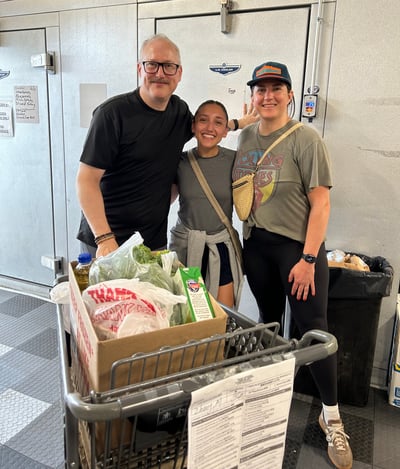
Many find that dedicating a specific, manageable portion of their week, such as one day, to volunteer work strikes an effective balance. This approach allows for continued engagement, fosters desired connections with like-minded individuals, and ensures that tangible contributions are made to chosen organizations and communities. As life circumstances evolve, volunteer commitments may naturally fluctuate. Recognizing that participation may ebb and flow is essential, and accepting that one’s capacity to give can change is a sign of mature self-awareness. The goal is not to maintain an unsustainable pace but to contribute meaningfully within one’s current capacity.
The Collective Power of Shared Effort: Amplifying Impact Through Organized Volunteerism
The impact of volunteerism is significantly amplified when individuals come together for a common cause. The sheer scale of potential volunteer hours highlights the immense capacity for positive change. For instance, if every adult in America were to volunteer just one day per month, it would equate to approximately 100 million volunteer hours. This statistic underscores the transformative power of collective action.
The decision to volunteer often begins with a feeling of gratitude for one’s own circumstances, which then inspires a desire to extend that positive experience to others. This sentiment can be a powerful motivator for individuals to get involved. The process of finding a suitable volunteer opportunity can be approached systematically. Many organizations offer virtual orientations, allowing potential volunteers to gauge the level of commitment required and the overall organizational structure before making a formal decision. This accessibility ensures that individuals can explore various causes and organizations to find a perfect fit for their interests and schedules. With numerous causes and organizations dedicated to community betterment, there is virtually a place for everyone to contribute. Once a suitable group is identified, sign-up processes are often streamlined through apps, making it easy to integrate volunteer activities into existing schedules.
While the ideal scenario might be to structure one’s life around volunteerism, the realities of modern life often necessitate a more pragmatic approach. Dedicating a few hours after work one day a month can profoundly impact another person’s life, and equally, it can enrich one’s own existence. This balanced approach acknowledges the demands of daily life while still prioritizing community contribution.

The Broader Implications: Fostering a Culture of Engagement and Belonging
The widespread adoption of volunteerism, both by individuals and organizations, has far-reaching implications. Companies like Reward Gateway | Edenred recognize that fostering a culture of volunteerism is intrinsically linked to employee engagement and overall organizational well-being. By providing resources and opportunities for employees to give back, businesses not only contribute to the community but also enhance their internal culture.
National Volunteer Month and Week provide an opportune moment for organizations to actively promote and facilitate volunteer activities. Utilizing HR planning calendars to map out engagement opportunities throughout the year can ensure consistent support for these initiatives. Celebrating with employees and encouraging participation can drive engagement, build a stronger sense of community, and foster a culture of belonging. These efforts extend beyond mere corporate social responsibility; they are strategic investments in human capital and community development. The interconnectedness of individual well-being, community health, and organizational success is increasingly evident, and volunteerism stands as a powerful testament to this synergy. By embracing and promoting volunteerism, organizations can cultivate a workforce that is not only productive but also deeply connected to the values of service and social impact, ultimately contributing to a more positive and sustainable future for all.