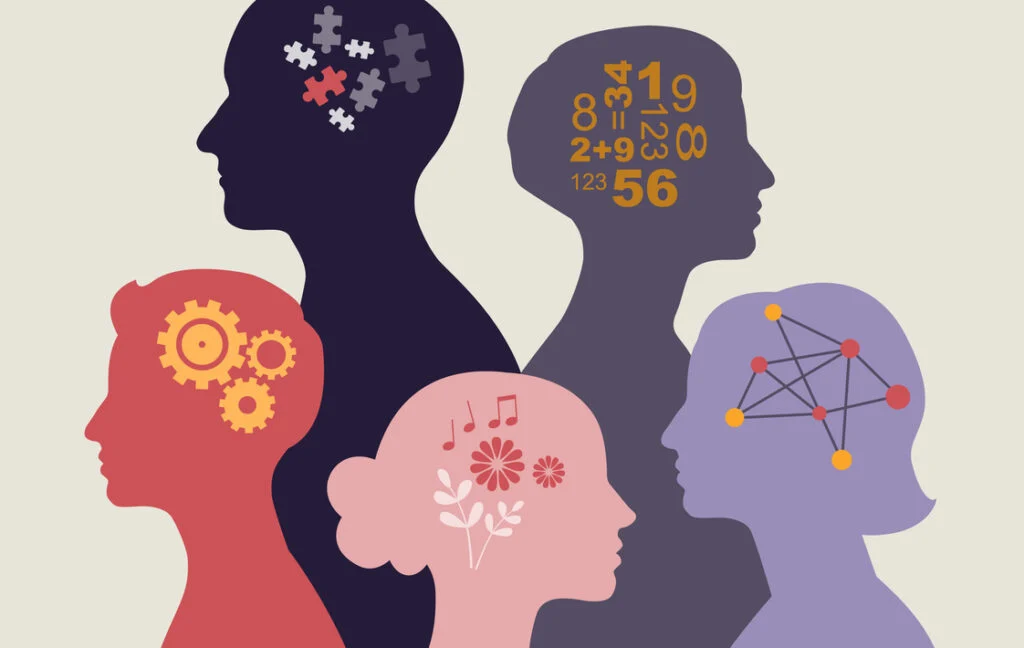
Just a handful of years ago, the term “neurodiversity” was largely relegated to academic spheres and niche discussions; today, the profound concept that human brains function differently, and that some individuals require nontraditional support for optimal functioning, has firmly entered mainstream discourse. This critical shift, however, has unveiled a significant challenge: not all Human Resources (HR) functions are adequately equipped to support their neurodiverse employees, nor are they fully prepared to navigate the intricate compliance landscape on this rapidly evolving front. The confluence of increased awareness, broadened diagnostic criteria, and robust community-building efforts, particularly amplified through social media, has led to an unprecedented surge in neurodivergent diagnoses, particularly among adults actively engaged in the workforce.
The historical trajectory of understanding cognitive differences has undergone a profound transformation. For decades, conditions like autism or Attention-Deficit/Hyperactivity Disorder (ADHD) were primarily viewed through a deficit model, focusing on impairments and limitations. However, the neurodiversity movement, gaining significant traction in the late 20th and early 21st centuries, reframed these differences as natural variations in human cognition, akin to biodiversity. This paradigm shift encourages recognizing the unique strengths and perspectives that neurodivergent individuals bring to society and the workplace, moving away from the sole focus on "fixing" or "curing." This change in perspective has been instrumental in destigmatizing these conditions, fostering an environment where more individuals feel comfortable seeking diagnosis and advocating for their needs.
The data unequivocally supports this narrative of increasing prevalence. One compelling study revealed a staggering 450% increase in autism diagnoses among adults aged 26-34 between 2011 and 2022, indicating a substantial demographic shift within the prime working age population. Concurrently, another report documented that ADHD diagnoses among adults aged 30-44 soared by more than 60% between 2021 and 2024, a rate that is even higher for older adults. These statistics are not merely medical curiosities; they represent a demographic transformation within the global workforce. Experts suggest that these increases are multifactorial, stemming from improved diagnostic tools, a greater understanding of how these conditions manifest in adults (often differently than in children), reduced societal stigma encouraging more individuals to seek evaluation, and enhanced public awareness facilitated by accessible information online. It is now widely estimated that neurodivergent individuals constitute approximately 15-20% of the global population, making their inclusion and effective support not just a matter of fairness, but a strategic imperative for any forward-thinking organization.
Given that a significant portion of these newly diagnosed or identified individuals are integral members of the workforce, employers across all sectors are facing an unavoidable reckoning. This challenge is dual-faceted: it involves both refining talent strategies to harness the unique strengths of neurodivergent employees and ensuring rigorous compliance with existing and evolving disability accommodation laws. Jeff Nowak, co-chair of employment law firm Littler’s Leaves of Absence and Disability Accommodation Practice Group, underscores this reality. He notes that while "neurodiversity accommodations are definitely not new under the Americans with Disabilities Act (ADA)," the sheer frequency of these requests, coupled with their often stark difference from traditional ADA accommodations, is making this a particularly "hot issue" for employers. The ADA, enacted in 1990 and subsequently amended by the ADA Amendments Act (ADAAA) in 2008, broadened the definition of "disability," making it easier for individuals with "invisible" disabilities, including many neurodivergent conditions, to establish coverage. This legal framework has long mandated reasonable accommodations, but the nature of these accommodations is now rapidly evolving.
HR professionals have historically been adept at managing ADA-driven workplace accommodations primarily focused on physical disabilities. This might involve providing an ergonomic keyboard or chair, a screen reader for visually impaired employees, or installing a ramp for wheelchair accessibility. These are often tangible, visible adjustments to the physical environment. However, with conditions such as autism spectrum disorder, ADHD, generalized anxiety disorders, or dyslexia, the required accommodations are frequently far more nuanced and less visible. They are often intrinsically linked to how work itself is structured, the specific ways in which information is communicated and processed, and the nature of social interactions expected within the workplace.
Nowak elaborates on this distinction, stating, "Many of these accommodations are connected to things that are less visible and more nuanced than what we might traditionally see under the ADA—and that’s why it’s proving to be difficult for managers and HR professionals." These adjustments delve into the cognitive and social architecture of the workplace, requiring a deeper understanding of neurodivergent experiences. Examples of increasingly common requests include: approvals for employees to keep cameras off during virtual meetings to reduce social pressure or sensory overload; modifications to meeting structures, such as providing detailed agendas in advance, scheduling breaks, or allowing non-verbal participation; extensions of deadlines to accommodate varying processing speeds or executive function challenges; shifts in the sensory environment, such as adjustments to lighting, noise levels, or workspace configurations; and a reduction in obligatory social interactions, which can be draining for some neurodivergent individuals. These accommodations aim to mitigate challenges like sensory sensitivities, difficulties with executive function (planning, organizing, time management), social anxiety, and processing speed differences, thereby enabling neurodivergent employees to perform at their best.
One of the most significant and frequently requested accommodations by neurodivergent workers is the option for remote or hybrid work. The broad access to remote and hybrid work models, largely accelerated by the COVID-19 pandemic, is widely considered to have leveled the playing field for many neurodivergent employees. For some, traditional office environments can be overwhelming, characterized by constant distractions, unpredictable social interactions, sensory overstimulation (fluorescent lights, open-plan office noise), and an implicit pressure to "mask" or conform to neurotypical behaviors. Remote work allows individuals to control their immediate sensory environment, minimize social demands, and structure their day in a way that aligns with their unique cognitive rhythm, often leading to increased focus and productivity. Research conducted by Littler last year corroborated this trend, finding that in organizations that increased the amount of time workers were expected to spend in the office, a substantial 56% reported an increase in requests for remote work accommodations. Nowak emphasizes the importance of this, stating, "Remote work allowed a lot of neurodiverse individuals to be more effective in how they performed their work. It absolutely needs to be considered as an accommodation when it’s requested because it does tend to be effective in addressing a number of limitations that neurodiverse people face." This highlights the need for employers to approach Return-to-Office mandates with flexibility and an understanding of their potential impact on neurodivergent staff.
One of the most significant obstacles to effectively supporting neurodiverse populations—and a potential impediment to ensuring compliance—is the persistence of fundamental misunderstandings about neurodivergence itself. The core concept that there isn’t one "right" way of thinking, learning, or even behaving can be a difficult notion for managers and HR professionals to fully embrace, especially when they are guided by sometimes-rigid workplace standards and long-held assumptions about productivity and professionalism. This entrenched environment can inadvertently foster hesitance to provide accommodations that, while unconventional, could be profoundly meaningful and effective. "That’s where employers frankly struggle," Nowak explains, "because those elements are often seen as ‘Well that’s just how the job works,’ rather than areas that can actually be adjusted." This rigid mindset prevents organizations from seeing the potential for innovation in work design and often leads to the underutilization of talented individuals.
Moreover, HR departments need to critically re-evaluate their expectations regarding how employees communicate their struggles and needs. It is unreasonable to expect workers who are experiencing difficulties to use "perfect legal language" or explicitly state that they require an "ADA accommodation" to trigger formal support processes. Statements as seemingly innocuous as, "I’m overwhelmed," "I’m struggling with my workload," or "Meetings are really hard for me" must be sufficient to trigger the ADA’s interactive process. This crucial process involves a collaborative dialogue between the employer and employee to identify the employee’s limitations and explore potential reasonable accommodations. "Many times, managers and HR just aren’t recognizing the need for accommodations in the first first place," Nowak cautions, underscoring a critical training gap. A lack of awareness at the managerial level means that many requests for help, even if not phrased formally, are overlooked or misinterpreted, leading to increased employee stress, decreased productivity, and heightened legal risk for the employer.
While education and awareness must remain at the forefront of any organizational strategy, Nowak also stresses that HR should proactively prioritize removing "unnecessary barriers." This means fostering a culture of thoughtful collaboration with employees who express a need for support, and maintaining "getting to yes" as the ultimate goal. This collaborative approach often requires thinking outside the traditional box of accommodations. It does not imply that HR must acquiesce to every single request, but rather that the focus should be on finding a mutually agreeable solution that addresses the employee’s needs while also serving the legitimate business interests of the organization. This requires an empathetic lens that embraces, rather than resists, the realities of neurodiversity.
Beyond mere compliance, creating a neuroinclusive workplace offers significant strategic advantages. By actively recruiting and retaining neurodivergent talent, organizations can tap into a largely overlooked talent pool known for unique strengths such as exceptional pattern recognition, intense focus, innovative problem-solving, attention to detail, and distinct perspectives. Companies like SAP, Microsoft, and JPMorgan Chase have already established successful neurodiversity hiring programs, recognizing the competitive edge these individuals bring. An inclusive environment also leads to higher employee retention and engagement across the board, as all employees benefit from flexible, empathetic policies. Furthermore, embracing neurodiversity enriches diversity, equity, and inclusion (DEI) initiatives, signaling a truly progressive and welcoming organizational culture. The economic impact is tangible: reduced recruitment costs, increased productivity through optimized work environments, and an enhanced reputation as a desirable employer.
The path forward necessitates comprehensive training for all levels of management and HR professionals. This training should move beyond basic definitions to cultivate a deep understanding of different neurocognitive profiles, communication styles, sensory sensitivities, and executive function challenges. Organizations must develop flexible policies and processes that can adapt to individual needs, rather than enforcing rigid, one-size-fits-all approaches. Cultivating psychological safety is paramount, ensuring employees feel secure enough to disclose their neurodivergence and request support without fear of stigma or reprisal. Leadership plays a crucial role in championing inclusion, setting the tone from the top, and visibly committing to creating an environment where all brains can thrive.
Looking ahead, the understanding and best practices surrounding neurodiversity will continue to evolve. Technological advancements will undoubtedly play an increasing role in facilitating accommodations, from specialized software to AI-powered tools that support executive function or communication. The overarching shift will be from reactive compliance—responding to accommodation requests only when legally required—to proactive, strategic inclusion that integrates neurodiversity into the very fabric of organizational culture, talent management, and innovation strategies. The ultimate goal is to build workplaces where individual differences are not merely tolerated but celebrated as valuable assets, thereby reducing legal risk, fostering greater innovation, and creating stronger, more resilient organizations capable of navigating the complexities of the modern world. Embracing neurodiversity is not just a legal obligation or a benevolent gesture; it is an intelligent business strategy for the 21st century.