
The annual performance review, once a cornerstone of organizational human resources strategy, is undergoing a profound transformation. Far from being a mere bureaucratic formality, the modern performance review has evolved into a dynamic, ongoing dialogue essential for employee growth, engagement, and organizational success. As businesses navigate increasingly complex and rapidly changing environments, the need for more agile and impactful performance management systems has become paramount. This shift signifies a move away from retrospective evaluations towards a proactive, collaborative approach that fuels continuous improvement and strengthens the employer-employee partnership.
At its core, the contemporary performance review serves as a foundational element for fostering employee development and achieving organizational objectives. It transcends the simple assessment of past performance, aiming instead to cultivate a culture of clear expectations, robust alignment between individual aspirations and company-wide priorities, and the identification of opportunities for career advancement. When implemented consistently, these reviews are instrumental in building trust, enhancing employee engagement, and equipping individuals with the clarity and support necessary to excel.
The prevailing philosophy today defines a performance review not as a singular event, but as a collaborative process designed to translate feedback into tangible forward momentum. This evolving definition acknowledges that in today’s fast-paced world, a static, year-end assessment is insufficient to capture the nuances of employee contribution or to provide timely guidance for development. Instead, organizations are increasingly embracing continuous feedback loops and integrated performance management systems to ensure that employees remain aligned with goals, receive timely recognition, and have avenues for addressing challenges proactively.
The Purpose of Modern Performance Reviews
The primary objective of a contemporary performance review is to establish and maintain a clear, ongoing conversation that illuminates an employee’s performance trajectory, highlights areas of growth, and identifies crucial support mechanisms for success. Concurrently, these feedback mechanisms empower organizations to gather invaluable employee insights, enabling them to implement targeted actions that cultivate thriving and productive teams.
Modern organizations are progressively adopting continuous review cycles, moving beyond the confines of annual check-ins. This approach facilitates access to real-time insights, which are critical for reinforcing alignment, boosting productivity, and fostering trust across the entire organization. This fundamental shift transforms performance reviews into a true partnership between employees and their managers, emphasizing shared responsibility and mutual growth.

The efficacy of continuous feedback in supporting the core purpose of performance reviews is becoming increasingly evident. It ensures that performance discussions are not relegated to a single, potentially high-pressure event, but are instead integrated into the regular workflow. This allows for more natural and timely feedback, enabling employees to course-correct, receive recognition for achievements, and feel supported in their development journey. In essence, the purpose of a performance review today is to enhance performance and foster growth through consistent, meaningful interactions that deepen an employee’s connection to the organization.
Navigating the Spectrum of Performance Review Methodologies
While a diverse array of performance review methodologies exists, they can generally be categorized into two primary approaches: multi-rater feedback systems and single-input reviews. The most effective performance review processes are those that are meticulously tailored to reflect an organization’s unique culture and provide genuinely meaningful insights to both employees and their managers. When reviews are designed to be engaging, relevant, and actionable, they become powerful catalysts for individual growth, enhanced team alignment, and ultimately, stronger overall organizational performance.
Performance reviews can be thoughtfully organized around four distinct, yet often interconnected, types:
1. Continuous Performance Reviews: The Shift Towards Agility
Continuous performance reviews represent a significant departure from traditional, infrequent evaluations. This approach emphasizes ongoing feedback and coaching, fostering a dynamic and responsive performance management system.
-
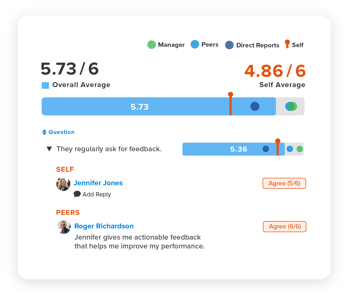
360-Degree Feedback: This comprehensive approach incorporates multiple perspectives into the performance evaluation process, providing a well-rounded view of an employee’s contributions. Feedback is gathered from peers, direct reports, supervisors, and even external stakeholders, offering a holistic understanding of an individual’s strengths and development areas. In today’s increasingly collaborative and matrixed work environments, 360-degree feedback is an essential tool for navigating complex interpersonal dynamics and understanding an employee’s impact across different teams and functions. When built upon a foundation of trust and focused on clear, actionable outcomes, 360-degree feedback can significantly enhance self-awareness and drive targeted development. Organizations leveraging this method often report improved team collaboration, more effective leadership development, and a greater sense of accountability among team members.
-
Peer Feedback: Recognizing that managers cannot and should not observe every aspect of an employee’s daily work, peer feedback emerges as a critical component of a robust review process. Coworkers are uniquely positioned to offer insights into an employee’s collaboration skills, team contributions, and day-to-day performance. Strong teams rely on the candid and constructive feedback of their members to identify blind spots and foster a supportive environment. Peer feedback is invaluable because it surfaces contributions that might otherwise go unnoticed, promotes a culture of mutual support, and encourages shared ownership of team success. This practice can also help to identify informal leaders and recognize individuals who consistently embody the organization’s values.

-
Team Performance Feedback: This review mechanism focuses on evaluating the collective progress and effectiveness of a team. It allows managers to coach within the specific context of team dynamics and identify development opportunities that benefit both individual members and the group as a whole. Team performance reviews are instrumental in assessing how well a team is working together towards shared goals, identifying any bottlenecks or areas of friction, and celebrating collective achievements. By fostering a sense of shared responsibility and recognizing team successes, these reviews can significantly boost morale and reinforce a collaborative work ethic.
-
Upward Feedback: Empowering employees to share their perspectives on their managers and leadership is a crucial element of a healthy feedback ecosystem. Upward feedback allows employees to articulate what is working well and what could be improved within the management structure. When approached with openness and a genuine commitment to improvement by both parties, this process builds profound trust and fuels continuous organizational development. It creates a more equitable feedback loop, ensuring that employees feel heard and valued, while providing leaders with actionable insights to refine their leadership styles and enhance team effectiveness. This can lead to more supportive management practices, clearer communication channels, and a more positive overall employee experience.
2. Structured or Formal Performance Reviews: The Foundation of Accountability
Structured or formal performance reviews are scheduled evaluations that adhere to a predefined process, consistent criteria, and clearly documented expectations across the entire organization. Typically conducted on a regular cadence—such as annually, semi-annually, or quarterly—these reviews provide a standardized framework for assessing progress, acknowledging achievements, and identifying developmental needs for both employees and managers.
These formal evaluations are indispensable to effective people management strategies, as they introduce transparency, ensure fairness, and equip leaders with the data necessary to make informed decisions regarding promotions, compensation, and succession planning. Furthermore, they strengthen the critical alignment between individual performance and overarching organizational goals, providing employees with a clear understanding of what constitutes success and offering guidance on pathways for professional growth within the company.
-
Annual Performance Review: This is a comprehensive, once-a-year evaluation that assesses an employee’s overall contributions, highlights their strengths, and identifies areas requiring development. Annual reviews serve as a formal benchmark for performance over a significant period, offering a structured opportunity to reflect on achievements and set the stage for the upcoming year. They are vital for reinforcing people management practices by providing a documented record of performance, facilitating discussions about career progression, and serving as a basis for compensation and reward decisions.
-
Mid-Year or Quarterly Reviews: These scheduled check-ins serve as crucial checkpoints to evaluate progress against established goals and performance expectations. They provide timely opportunities to realign objectives, offer targeted coaching to enhance performance, and maintain a pulse on the effectiveness of strategic initiatives and resource allocation. Mid-year and quarterly reviews are particularly valuable in dynamic environments where goals may need to shift, or where early intervention can prevent performance issues from escalating. They ensure continuous momentum and keep employees and managers actively engaged in the performance management process.

-
Continuous Performance Review (as a supplement): While the overarching concept of continuous performance reviews has been discussed, it can also be integrated as a specific component within a more structured framework. This involves regular, real-time feedback and coaching through ongoing conversations between managers and employees. This approach ensures that performance discussions are not limited to formal review periods but are embedded into the daily fabric of work, fostering agility and immediate responsiveness to performance needs.
-
Self-Assessment: This component of the performance review process fosters shared accountability and strengthens the alignment between employee and manager. By encouraging employees to reflect on their own contributions, challenges, and future aspirations, self-assessments provide managers with valuable insights that can inform their coaching strategies. This process empowers employees to take ownership of their performance and development, leading to more productive and collaborative review conversations.
3. Role/Project-Based Performance Reviews: Contextualizing Contributions
Role- or project-based performance reviews focus on evaluating an employee’s contributions within the specific context of their defined responsibilities, deliverables, or project-specific objectives. These reviews can adopt a single-rater (typically manager-led) or multi-rater approach, incorporating feedback from peers, project leads, cross-functional collaborators, or even clients, depending on the organizational culture and specific needs.
These assessments are crucial for ensuring alignment with overarching organizational goals, identifying potential execution gaps or resource deficiencies, and fostering stronger cross-functional collaboration by clearly demonstrating how individual and team efforts contribute to broader organizational outcomes. Examples of such reviews include:
-
Task-Based or KPI-Focused Review: This type of review systematically gathers feedback on an employee’s proficiency in meeting defined performance metrics, project milestones, or task-level expectations that directly contribute to broader team or company-wide objectives. By concentrating on quantifiable outcomes and specific deliverables, these reviews provide clear benchmarks for performance and identify areas where individuals or teams may need additional support or resources to achieve their targets.
-
Sales Performance Review: This specialized review assesses an employee’s effectiveness based on critical sales metrics such as achievement of sales targets, pipeline activity, client engagement, and revenue-generating behaviors. By focusing on key performance indicators within the sales function, these reviews help to identify high performers, pinpoint areas for coaching and development, and ensure that sales strategies are effectively executed to drive revenue growth.
-
Customer Service Review: This review measures performance through the lens of service quality, customer interactions, response times, and customer satisfaction metrics. In customer-facing roles, the ability to deliver exceptional service is paramount. These reviews provide valuable insights into an employee’s ability to meet customer needs, resolve issues effectively, and contribute to a positive brand reputation, ultimately impacting customer loyalty and retention.
-
Product Development Review: This assessment evaluates the effectiveness of an employee in driving product initiatives, encompassing all stages from initial roadmap planning and cross-functional collaboration to execution and post-launch performance monitoring. In fast-paced product development environments, these reviews ensure that individuals are contributing effectively to the product lifecycle, from ideation to market success, and help to identify opportunities for innovation and process improvement.
4. Probationary/New Hire Reviews: Laying the Groundwork for Success
Probationary or new-hire performance reviews are structured feedback mechanisms designed to assess how effectively a new employee is integrating into their role, team, and the broader company culture during the initial stages of their employment. These reviews provide critical insights for HR and management regarding the efficacy of onboarding processes, identify areas where additional support or clarification may be needed, and gauge how successfully the new hire is adapting to organizational expectations.
When executed effectively, these reviews contribute to a welcoming and supportive onboarding experience, instilling confidence and cultural alignment in new employees, and equipping them to become productive members of the team in a timely manner. While HR departments may collect feedback for various reasons to refine new hire processes, several common reviews are frequently utilized:
-
Interview Process Feedback: This review evaluates how accurately the interview process represented the role, its associated expectations, team dynamics, and the overall work culture, particularly once the employee is actively engaged in the position. This feedback is crucial for refining recruitment strategies and ensuring that the hiring process sets realistic expectations, leading to better long-term fit and employee satisfaction.
-
30-60-90 Day Feedback: This structured review process provides critical checkpoints over the initial three months of employment. It assesses progress against learning objectives, milestone achievement, cultural integration, and overall performance. These regular touchpoints are essential for identifying potential issues early on and providing targeted support to ensure a smooth transition and successful ramp-up period for new hires.
-
Manager Onboarding Feedback: This review allows new hires to provide feedback on how effectively their manager is supporting their onboarding journey through guidance, clarity, communication, and training. Constructive feedback in this area can lead to improved management practices and a more supportive environment for new team members, ultimately enhancing the onboarding experience and retention rates.
-
Cultural Alignment Review: This assessment examines the extent to which a new hire is integrating into the team’s core values, communication norms, and broader organizational behaviors. Successful cultural alignment is critical for long-term employee engagement and productivity. These reviews help to identify any disconnects and provide opportunities for coaching and support to ensure the new employee feels a sense of belonging and shared purpose.
The Collaborative Ecosystem of Performance Reviews
The performance review process is inherently collaborative, typically involving key stakeholders such as Human Resources, managers, and employees. Each participant plays a distinct and vital role in ensuring that reviews are conducted fairly, consistently, and with genuine meaning. HR professionals often provide the framework, policy guidance, and training necessary for effective performance management. Managers are responsible for conducting regular check-ins, providing feedback, and supporting employee development. Employees, in turn, are expected to actively participate, seek feedback, and take ownership of their growth.
When all team members actively engage in their designated roles, the performance review transforms into a structured, transparent, and highly effective process that fosters connection, drives growth, and cultivates stronger overall performance across the organization. This shared commitment is fundamental to unlocking the full potential of any performance management system.
Leveraging Technology for Enhanced Performance Reviews
In today’s business landscape, the effective implementation of performance reviews often necessitates leveraging technology to streamline processes and enhance the quality of interactions. Platforms like Quantum Workplace offer comprehensive solutions designed to make performance conversations more effective, efficient, and engaging for all parties involved.
These advanced software solutions empower managers and teams to prepare for, facilitate, and follow up on performance reviews with greater ease and impact. Key features often include:
-
Customizable Review Modules: Organizations can tailor review modules to align with their specific cultural needs and the diverse requirements of different departments or teams, ensuring that evaluations are relevant and meaningful across the board.
-
Manager Coaching Integration: These platforms facilitate the integration of coaching practices into existing workflows, making it simpler for managers to provide consistent and effective guidance. Formal conversation cycles can be established to ensure an appropriate frequency and consistency of performance touchpoints.
-
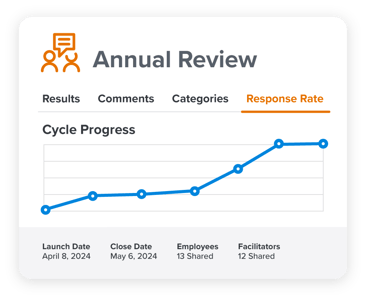
Response Rate Tracking: The ability to easily track review response rates helps teams maintain accountability and provides real-time visibility into the progress of performance evaluations, allowing for timely interventions if needed.
-
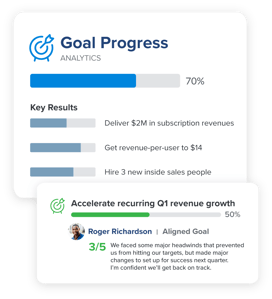
Embedded Performance Goals: Performance goals can be directly incorporated into performance evaluations, ensuring that discussions are anchored in strategic objectives. This feature aids managers in conducting objective, effective, and growth-oriented conversations.
-
Multi-Rater Feedback Orientation: Platforms can be configured to orient reviews around multi-rater feedback, incorporating valuable insights from colleagues and collaborators to provide a more comprehensive view of performance and development needs.
-
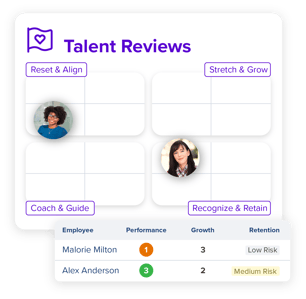
Data Visualization and Alignment: Talent dashboards offer a holistic view of organizational talent, enabling leaders to visualize performance data across teams and make more informed decisions regarding talent development and retention strategies.
By embracing these technological advancements, organizations can elevate their performance review processes from administrative tasks to strategic drivers of employee engagement, development, and sustained organizational success.