The latest edition of Works magazine, Issue 19, is now available, offering a comprehensive exploration of the trends, innovations, and critical discussions shaping the contemporary workplace. The digital edition has been released, with the print version currently en route, promising an even more immersive experience for readers. This issue delves into a rich tapestry of content, from global perspectives and expert commentary to in-depth case studies, insightful interviews, and a focused examination of the materials and products that are defining modern work environments.
Issue 19: A Multifaceted Look at Today’s Workplace
Works magazine has consistently provided a vital platform for understanding the complexities of the workplace. Issue 19 continues this tradition by presenting a diverse array of topics that address both the strategic and practical aspects of workplace design and management. The publication aims to equip professionals, designers, and business leaders with the knowledge and inspiration needed to navigate the rapidly changing world of work.
The issue kicks off with a look at Finland’s sustained position as the world’s happiest country, prompting reflection on the societal and environmental factors that contribute to well-being, and how these insights can be translated into workplace design. Additionally, a striking new development near Mount Ararat is featured, offering a glimpse into architectural innovation in diverse geographical contexts.
Key Themes and Expert Voices
A significant portion of Issue 19 is dedicated to addressing pressing themes within the sector. The comments section highlights crucial discussions, including Jo Sutherland’s analysis of the profound implications of Artificial Intelligence (AI) on the future of work and workplace design. Sutherland’s commentary likely explores how AI is not just automating tasks but also influencing the very nature of jobs, the skills required, and consequently, the physical and digital spaces that support these evolving roles. This could range from the need for more collaborative and adaptable spaces to the integration of AI-powered building management systems that optimize energy consumption and occupant comfort.
Complementing this, Georgia Nogas poses a pertinent question: is it time to rethink how we brand the workplace? This inquiry delves into the evolving role of the office as a brand ambassador, a recruitment tool, and a physical manifestation of a company’s culture and values. In an era where remote and hybrid work models are prevalent, the physical workplace needs to offer more than just a desk; it must provide an experience that reinforces the brand identity and fosters a sense of belonging and purpose for employees. Nogas’s perspective may address how companies can leverage their physical spaces to communicate their mission, values, and unique identity, thereby attracting and retaining top talent.
Design Innovation and Materiality
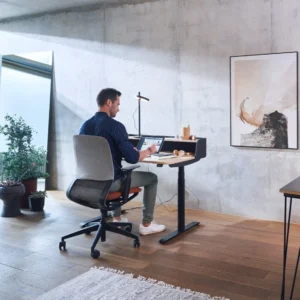
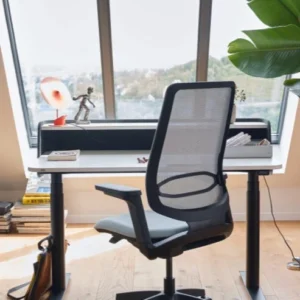
Works magazine places a strong emphasis on design innovation, a critical element in creating functional, inspiring, and sustainable work environments. The showroom pages are dedicated to showcasing new products from leading manufacturers, offering readers a curated selection of the latest in office furniture, technology, and architectural components. This section likely highlights advancements in ergonomic design, smart office solutions, and aesthetically pleasing materials that contribute to both form and function.
The issue also features a series of compelling case studies that illustrate how organizations are actively responding to changing employee expectations and the broader shifts in work culture. These case studies provide practical examples of how design principles are being applied in real-world scenarios.
One such case study profiles the London headquarters of a firm supporting the music industry. This project is highlighted for its ability to skillfully balance a deep respect for traditional design elements with the contemporary needs of a modern workplace. This suggests a thoughtful integration of heritage aesthetics with the functional requirements of a dynamic, creative industry, potentially incorporating elements that foster collaboration, inspire creativity, and provide spaces for both focused work and informal interaction.
Another international project examined juxtaposes Japanese minimalism with Parisian style. This offers a fascinating insight into cross-cultural design influences and how distinct aesthetic sensibilities can be harmoniously blended to create a unique and sophisticated work environment. This fusion could explore themes of tranquility, efficiency, and elegance, reflecting the cultural nuances of both Japan and France in a commercial setting.
Interviews and Roundtable Discussions
The human element and expert insights are central to Works magazine. Issue 19 includes a significant interview with Gary Helm, a recognized voice in the field, who reflects on the rapid evolution of acoustic pods. Helm’s discussion likely traces the trajectory of these increasingly ubiquitous workplace features, from their initial surge in popularity to the lessons learned about their design, integration, and effectiveness in creating focused work zones within open-plan offices. This conversation could touch upon the technological advancements, material innovations, and user experience considerations that have shaped the development of acoustic pods, offering valuable insights for architects and designers.
Furthermore, the issue hosts roundtable discussions that tackle the persistent gap between workplace strategy and its actual delivery. These discussions likely bring together diverse stakeholders—strategists, designers, facility managers, and HR professionals—to explore the challenges in translating high-level organizational goals into tangible workplace realities. Potential topics could include the difficulties in aligning budget constraints with aspirational designs, the complexities of change management, and the importance of robust communication throughout the planning and implementation phases.
In a similar vein, Jo Knight offers a closer examination of the ongoing debate surrounding sustainability in design and furniture. Knight’s analysis likely delves into the environmental impact of material sourcing, manufacturing processes, product lifecycle, and end-of-life considerations for office furniture and design elements. This could involve exploring certifications, ethical sourcing practices, the use of recycled and recyclable materials, and the broader concept of circular economy principles within the workplace design industry.
Events, Exhibitions, and the Future of Work
The dynamic nature of the workplace sector is further underscored by the coverage of events and exhibitions. Issue 19 features previews and reviews of key industry gatherings, including Clerkenwell Design Week, a prominent event showcasing cutting-edge design and innovation. The magazine also looks ahead to the future of workplace shows, offering insights into emerging trends and the evolving role of these events in connecting industry professionals and fostering dialogue.
The projects section continues its celebration of the ongoing evolution of the office, highlighting exemplary projects that demonstrate how businesses are adapting their physical spaces to meet new demands. This section likely showcases a range of innovative solutions, from flexible layouts and activity-based working environments to the integration of technology and biophilic design principles.
The dedicated section on materials delves into the creativity and performance drivers behind sustainability and innovation in product design and the broader environmental context. This exploration likely highlights how material science is advancing to create more eco-friendly, durable, and aesthetically versatile options for workplace applications.
Partnerships and Concluding Thoughts
Issue 19 also features a celebration of the Flooring Matters podcast series, produced in partnership with Shaw Contract. This collaboration highlights the importance of specialized content and partnerships in disseminating knowledge and fostering industry engagement.
The magazine concludes with its signature "Out of Office" section, this time revisiting the unlikely resilience of the fax machine in an increasingly digital world. This lighthearted yet insightful piece offers a humorous perspective on technological persistence and the enduring presence of older systems, prompting a reflection on the sometimes-unexpected ways technology integrates into our working lives.
Ultimately, Issue 19 of Works magazine provides a comprehensive snapshot of the ideas, challenges, and opportunities that are actively shaping the workplace today. Whether consumed cover-to-cover or dipped into for specific insights, the issue serves as an invaluable resource for anyone involved in the creation, management, or experience of modern work environments. The publication strongly suggests that while digital access is convenient, those who receive the print edition are privy to a particularly rich and engaging experience.