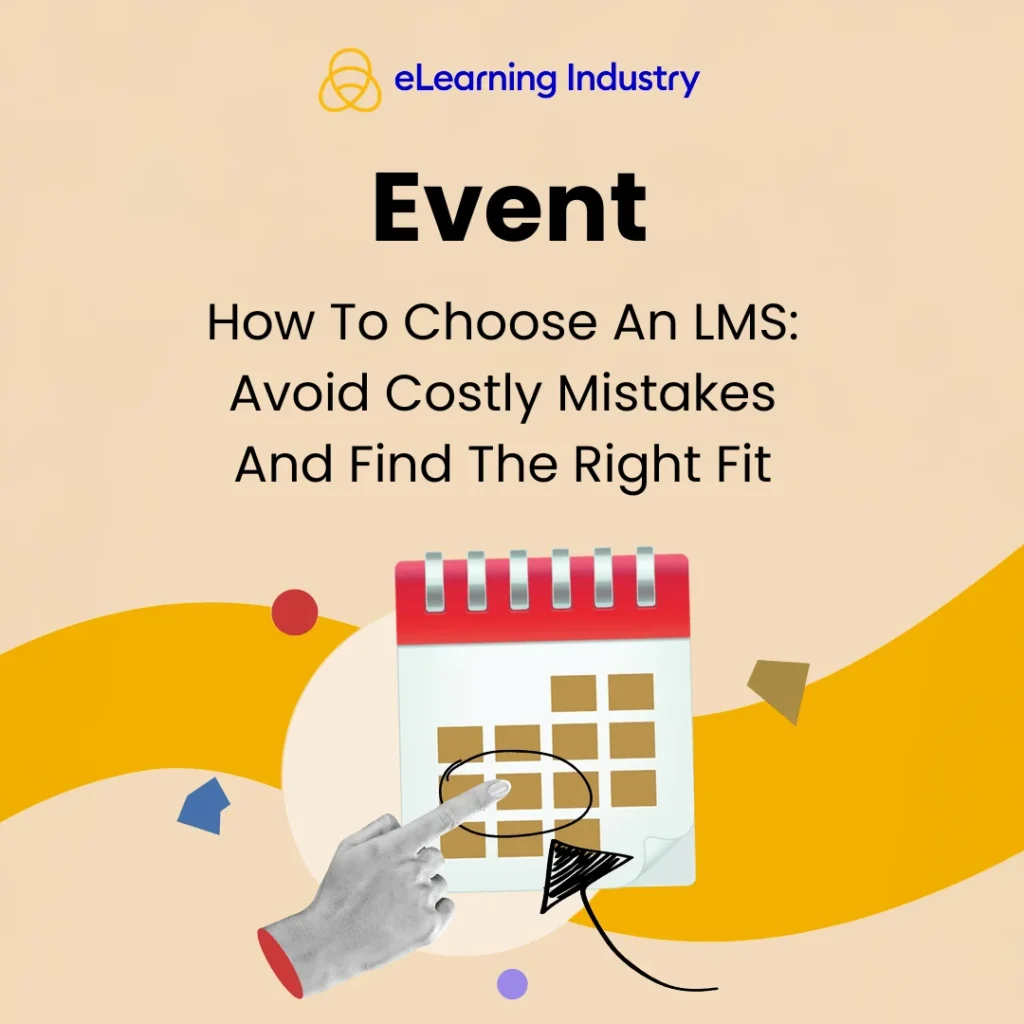
The global corporate training and education landscape is currently undergoing a radical transformation, driven by the rapid integration of digital technologies and an increasing reliance on remote learning environments. At the heart of this shift is the Learning Management System (LMS), a software category that has evolved from a simple repository for training materials into a complex, multi-functional engine for organizational growth. However, as the market for these platforms becomes increasingly saturated, organizations are finding it harder than ever to distinguish between superficial features and substantive value. In response to this growing challenge, industry experts are convening for an upcoming webinar titled "How to Choose an LMS: Avoid Costly Mistakes and Find the Right Fit," a session designed to provide decision-makers with a strategic roadmap for procurement and implementation.
The event comes at a critical juncture for the educational technology (EdTech) sector. According to recent market intelligence reports, the global LMS market size is projected to grow from approximately $18 billion in 2023 to over $40 billion by 2029. This explosive growth is fueled by the necessity of upskilling workforces in the face of artificial intelligence (AI) integration and the ongoing demand for scalable educational solutions. Despite this investment, industry data suggests that a significant percentage of LMS implementations fail to meet their initial objectives, often leading to costly "rip-and-replace" cycles within three years of purchase. The webinar aims to address these systemic failures by shifting the focus from feature-rich checklists to long-term strategic alignment.
The Economic and Strategic Landscape of LMS Procurement
The decision to acquire or upgrade an LMS is rarely just a technical one; it is a financial and operational commitment that can dictate the efficacy of an organization’s human capital development for a decade or more. The "costly mistakes" referenced by the webinar organizers often stem from a fundamental misunderstanding of the Total Cost of Ownership (TCO). While initial licensing fees are the most visible expense, the long-term costs associated with data migration, system integration, administrator training, and user support frequently exceed the sticker price of the software itself.
Market analysts observe that many organizations fall into the "feature trap," where they prioritize platforms with the most extensive lists of capabilities without assessing whether those features serve their specific pedagogical or corporate goals. This misalignment often results in "software bloat," where complex systems go underutilized because they are too cumbersome for the average user or too difficult for internal IT teams to maintain. The upcoming webinar is structured to dismantle this approach, encouraging a "requirements-first" methodology that prioritizes the learner’s experience and the organization’s specific outcomes over generic technological bells and whistles.
Core Objectives and Webinar Agenda
The session is designed to walk participants through the practicalities of decision-making in real-world scenarios. Unlike sales-driven demonstrations, this webinar focuses on the trade-offs that define the procurement process. For instance, an organization may have to choose between a highly customizable open-source platform that requires significant internal technical expertise and a "walled garden" SaaS (Software as a Service) solution that offers ease of use at the expense of flexibility.
The agenda is set to cover the following critical pillars:
- Defining Internal Requirements: How to conduct a needs analysis that involves stakeholders from HR, IT, and the end-user population.
- The Reality of Costs: Moving beyond the quote to understand hidden implementation and maintenance fees.
- Evaluating Trade-offs: Understanding what an organization must sacrifice to gain specific functionalities.
- Integration and Scalability: Ensuring the LMS can communicate with existing HRIS (Human Resources Information Systems) and ERP (Enterprise Resource Planning) software.
- Future-Proofing: Assessing a vendor’s roadmap to ensure the platform can adapt to emerging trends like AI-driven personalized learning and micro-credentialing.
A Chronology of the Selection Process
To provide a framework for the discussion, the webinar will outline a chronological approach to selecting an LMS. This timeline typically begins long before a vendor is ever contacted.
Phase 1: The Discovery Period
In this initial stage, organizations must identify the "why" behind the purchase. Is the goal compliance training, external customer education, or internal talent development? The webinar speakers are expected to emphasize that the failure to define these goals early is the primary cause of later dissatisfaction.
Phase 2: The RFP and Shortlisting Process
Once requirements are established, organizations move to the Request for Proposal (RFP) stage. Industry experts often advise against sending RFPs to dozens of vendors. Instead, the webinar will likely advocate for a targeted approach, selecting three to five vendors that align with the organization’s core values and technical constraints.
Phase 3: The Proof of Concept (PoC)
The most critical stage is the hands-on evaluation. The webinar will detail how to run an effective "sandbox" environment where actual users can test the system’s interface and functionality. This stage is where "fit" is truly determined, as it reveals the friction points in the user journey that are often hidden in polished sales demos.
Technical Standards and Interoperability
A major theme of the upcoming session is the technical infrastructure that supports modern learning. In the contemporary EdTech ecosystem, an LMS cannot exist in a vacuum. It must adhere to international standards such as SCORM (Shareable Content Object Reference Model), xAPI (Experience API), and LTI (Learning Tools Interoperability).
These standards allow for the seamless transfer of data between different educational tools and content providers. For organizations, ensuring compatibility with these standards is essential for avoiding "vendor lock-in," a situation where it becomes prohibitively difficult or expensive to move data to a different platform in the future. The webinar will provide a fact-based analysis of why these technical specifications are non-negotiable for any forward-thinking organization.
Stakeholder Reactions and Industry Sentiment
While the webinar is a proactive educational event, it reflects a broader sentiment of frustration among L&D (Learning and Development) professionals. In various industry forums and social media discussions, such as the LinkedIn community where the event is hosted, there is a palpable demand for more transparency from software vendors.
Consultants in the field frequently report that clients feel overwhelmed by the marketing jargon of the "LMS vs. LXP" (Learning Experience Platform) debate. By providing a session focused on "avoiding costly mistakes," the organizers are tapping into a desire for objective, peer-led guidance. Early reactions from registered attendees suggest a high level of interest in the "trade-off" discussion, as many organizations find themselves at a crossroads between upgrading legacy systems or migrating to entirely new architectures.
The Broader Impact of Informed Decision-Making
The implications of choosing the right LMS extend far beyond the training department. In an era where "the war for talent" is a primary concern for CEOs, the quality of an organization’s digital learning environment is a key factor in employee retention and engagement. A poorly chosen LMS can lead to frustration, decreased productivity, and a culture that views training as a chore rather than an opportunity.
Conversely, a "right-fit" LMS acts as a catalyst for organizational agility. It allows companies to rapidly deploy new training in response to market changes, track the development of critical skills, and foster a culture of continuous improvement. The webinar’s focus on "costly mistakes" is, therefore, not just about saving money in the procurement budget; it is about protecting the organization’s long-term competitive advantage.
Analysis of Future Trends in LMS Selection
As the webinar will likely touch upon, the criteria for choosing an LMS are shifting. We are moving toward an era of "Invisible LMS," where the learning management system acts as a backend engine that delivers content directly into the flow of work—via platforms like Microsoft Teams or Slack. This shift necessitates a different set of evaluation criteria, focusing more on API (Application Programming Interface) robustness than on the aesthetics of the LMS’s own dashboard.
Furthermore, the rise of data privacy regulations, such as GDPR in Europe and various state-level laws in the U.S., has made data security a top-tier priority in the selection process. The webinar is expected to address how organizations can audit a vendor’s security protocols to ensure that employee data is protected and that the organization remains compliant with global standards.
Conclusion and Registration Information
"How to Choose an LMS: Avoid Costly Mistakes and Find the Right Fit" promises to be a foundational session for any professional involved in the procurement of educational technology. By stripping away the marketing hype and focusing on the pragmatic realities of requirements, costs, and trade-offs, the webinar aims to empower attendees to make decisions that are both fiscally responsible and strategically sound.
The event will be hosted on the LinkedIn Live platform, allowing for real-time interaction and Q&A with the speakers. Interested parties can register via the official LinkedIn event page to gain access to the live session and any associated resources. As the digital learning market continues to expand and evolve, the insights shared in this webinar will likely serve as a vital resource for navigating the complexities of the modern EdTech landscape.