April is recognized globally as National Volunteer Month, a dedicated period to honor and celebrate the invaluable contributions of volunteers to communities worldwide. Within this month, National Volunteer Week, observed from April 19th to 25th, serves as a concentrated period of acknowledgment and action, highlighting the profound impact individuals can have when they dedicate their time and energy to causes larger than themselves. Companies and organizations increasingly recognize the significance of fostering a culture of volunteerism among their employees, understanding its dual benefits: strengthening community ties and enhancing employee engagement and well-being.
Reward Gateway | Edenred, a company committed to improving the world of work, exemplifies this commitment by providing its employees with Volunteer Time Off (VTO). This initiative grants employees dedicated paid time away from their professional duties to engage in community service. This policy underscores the company’s philosophy that contributing to society is not merely an extracurricular activity but an integral part of a holistic employee experience, aligning with their mission to make workplaces better, one organization at a time.
The impetus behind individual and corporate volunteerism often stems from a deeply felt sense of privilege and a desire to extend opportunities to others. As articulated by individuals within organizations, this drive can be fueled by a belief in equity and the inherent human desire to create positive change. The pursuit of community, particularly among like-minded individuals who share a passion for improving their surroundings, also emerges as a significant motivator. This collective spirit, amplified through organized volunteer efforts, can foster a powerful sense of belonging and shared purpose.
Research from Baylor University offers compelling insights into the psychological underpinnings of generosity and volunteerism. A study highlighted in their research suggests a strong link between the cultivation of gratitude and an increased propensity for prosocial behavior. Specifically, experimental data indicates that inducing feelings of gratitude can lead individuals to be more generous with their time, financial resources, and willingness to volunteer. Importantly, this generosity often extends beyond the direct beneficiaries of their gratitude, influencing their interactions with strangers and individuals with whom they have no prior relationship, even when there is no expectation of reciprocation. This scientific backing suggests that the drive to contribute, while often consciously motivated, may also be rooted in innate human psychological mechanisms that foster connection and altruism.
The Genesis of Generosity: Personal Reflections and Societal Observations
The personal journey into volunteerism is often a nuanced one, shaped by individual experiences and observations. For many, witnessing societal challenges firsthand can be a powerful catalyst for action. Stories of children making significant personal sacrifices to support their families, individuals struggling with access to essential healthcare, or the pervasive effects of housing insecurity can profoundly impact one’s perspective. These realities can spark a realization that one’s time and skills are among the most valuable resources that can be offered to address these pressing issues.
In the early stages of one’s professional life, the idea of dedicating personal time to volunteer work can be met with youthful idealism, fueled by a perception of boundless energy. Balancing full-time employment with part-time work, individuals often identify evenings and weekends as the primary windows for community engagement. This period can be characterized by an ambitious drive to contribute significantly, sometimes leading to an overestimation of one’s capacity. The adage "where there’s a will, there’s a way" often guides this phase, pushing individuals to find the time and energy to make a difference.
However, this initial enthusiasm can sometimes lead to overcommitment. The challenge of identifying the most impactful causes and establishing healthy boundaries for volunteer engagement can be significant. Without careful planning, individuals may find themselves spread too thin, impacting their personal well-being, career performance, and overall life balance. This experience, often rated as a less-than-ideal scenario, serves as a critical learning opportunity, emphasizing the importance of sustainability in volunteer efforts.
Finding the Right Balance: Moderation and Sustainable Engagement
The process of determining where to volunteer and how much time to dedicate is often the most challenging aspect of initiating and maintaining a volunteer practice. To safeguard physical well-being, personal enrichment, and professional effectiveness, a recalibration of volunteer commitments is often necessary. Scaling back to a more manageable pace, such as dedicating one day per week to volunteer activities, can significantly improve work-life balance while maintaining a strong sense of engagement and connection to the community. This sustainable approach allows individuals to make a tangible difference without sacrificing their own health and professional responsibilities.
As life circumstances evolve, so too can volunteer commitments. Acknowledging that capacity ebbs and flows is crucial. A shift from weekly to monthly volunteer engagements, for instance, reflects an adaptation to changing personal and professional demands. This flexibility is not a reduction in commitment but rather an intelligent adjustment, recognizing that consistent, albeit less frequent, contributions can still yield significant positive outcomes. The ability to increase participation in the future, as circumstances permit, remains a hopeful prospect.
The Collective Impact: Achieving More Together
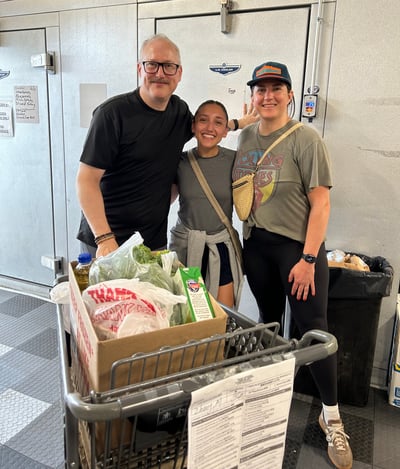
The potential for widespread community impact is immense when individuals unite in their efforts. Consider the hypothetical scenario where every adult in America volunteers just one day per month. This collective action would translate into an estimated 100 million volunteer hours annually, a staggering figure that underscores the power of coordinated community service.
The drive to volunteer is often rooted in a deep sense of gratitude for one’s own circumstances and a desire to extend that sense of security and opportunity to others. This intrinsic motivation can be a powerful force in inspiring wider participation. The act of volunteering itself can create a ripple effect, encouraging others to get involved.
For those considering embarking on their volunteer journey, a practical approach is recommended. The initial commitment can be low. If an organization or cause does not align with an individual’s interests or values, there is no obligation to continue. Many organizations now offer virtual orientations, allowing potential volunteers to gain a clear understanding of the time commitment, organizational structure, and mission before making a formal commitment. This allows for a more informed decision-making process, increasing the likelihood of finding a fulfilling and sustainable volunteer role.
With a vast array of causes and organizations available, it is highly probable that a suitable match exists for everyone. Online platforms and volunteer matching services can streamline the process of identifying opportunities that fit individual schedules and interests. Once a suitable group is found, the sign-up process is typically facilitated through user-friendly applications, making it convenient to integrate volunteer work into one’s existing commitments.
While the ideal scenario might be to structure one’s life entirely around volunteerism, the realities of modern life often necessitate a more pragmatic approach. Dedicating even a few hours after work one day a month can profoundly impact the lives of others, and often, the volunteer themselves experiences significant personal growth and fulfillment.

Supporting Employee Engagement and Community Building
Companies that actively support and facilitate employee volunteer programs often see a tangible return on investment. Beyond the direct benefits to the community, these initiatives can significantly boost employee morale, foster a stronger sense of camaraderie, and enhance overall employee engagement. When employees feel that their company values their contributions to society, it can lead to increased loyalty and a more positive perception of the organization.
A well-structured HR planning calendar often includes provisions for celebrating National Volunteer Month and Week. These periods offer numerous opportunities for organizations to organize group volunteer events, encourage individual participation, and recognize employees’ volunteer efforts. Such activities not only reinforce the company’s commitment to social responsibility but also create shared experiences that build a strong culture of community and belonging within the workplace.
The integration of volunteerism into corporate culture can be viewed as a strategic investment in human capital and community well-being. By empowering employees to contribute their time and talents, organizations can foster a more engaged, compassionate, and socially conscious workforce, ultimately creating a more positive and impactful presence in the world.