The global business landscape is undergoing a profound shift, driven by the rapid advancement and integration of Artificial Intelligence. While the technological aspects of AI transformation often dominate headlines, a critical realization is emerging: the true essence of this revolution lies not in algorithms and code, but in the fundamental impact on work, jobs, and people. At the forefront of this paradigm shift are Chief Human Resources Officers (CHROs), who are increasingly recognized as indispensable leaders orchestrating the human-centric aspects of AI adoption. Their strategic insights and hands-on approach are proving vital in ensuring that organizations navigate this complex transition equitably and effectively.
This pivotal role of CHROs is underscored by recent insights shared by industry analysts and HR leaders themselves. Josh Bersin, a leading HR industry analyst, has consistently highlighted the central position of CHROs in AI transformation initiatives. "I have the opportunity to meet many Chief HR Officers in my travels, and they are all focused on AI transformation," Bersin notes. "They’re playing a pivotal role because ultimately AI transformation is not about technology: it’s about work, jobs, and people." This perspective emphasizes that the success of AI integration hinges on its human implications, a domain where HR leaders possess unparalleled expertise.
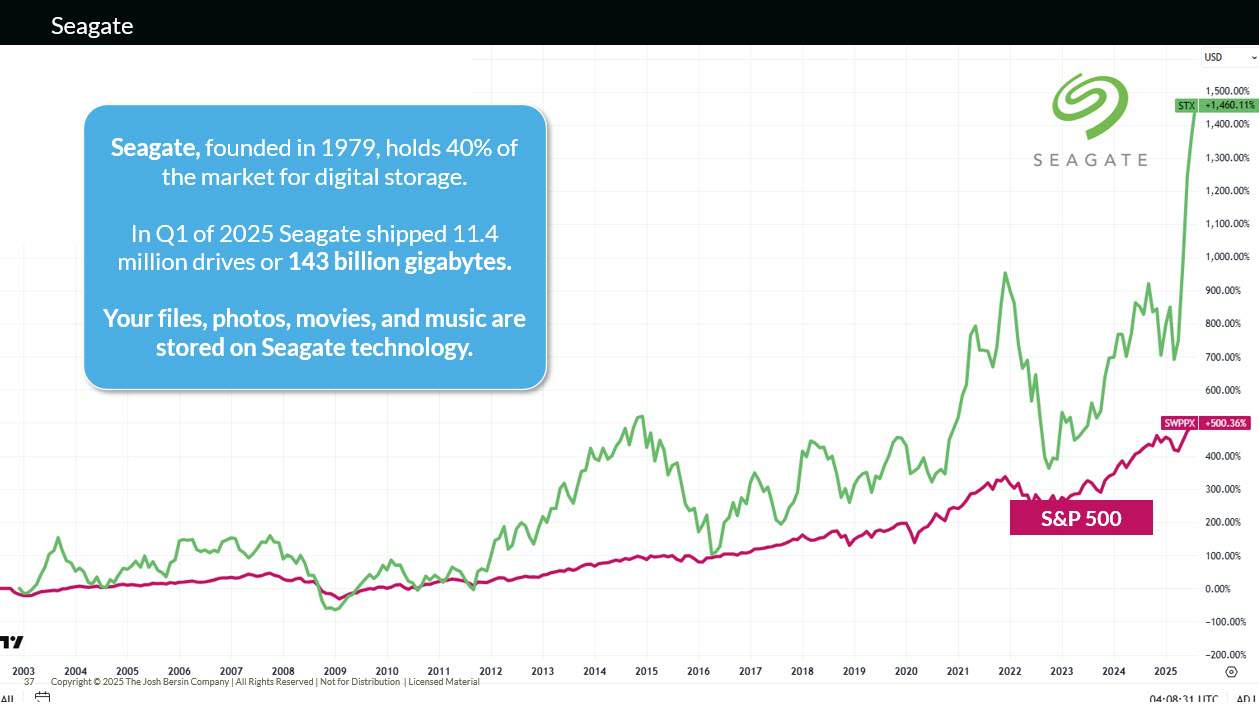
One such influential voice is Patricia Frost, the CHRO of Seagate. Frost, with a distinguished career spanning decades of military leadership, consulting, and extensive business experience, brings a "battle-tested" perspective to organizational transformation. Her approach, encapsulated in the mantra "Leave No One Behind," reflects a deep understanding of the human dynamics inherent in technological evolution. An interview with Frost, published recently, offers a compelling narrative of how seasoned leaders are tackling the challenges and opportunities presented by AI. Frost’s philosophy resonates with the core principle that AI transformation is fundamentally a people-centric endeavor.
The Human Element: A "Battle-Tested" Approach to AI Integration
Patricia Frost’s extensive experience, particularly her background in military leadership, provides a unique lens through which to view large-scale organizational change. Her insights reveal parallels between preparing a military unit for deployment and preparing a workforce for AI integration. "You go to combat with the team you have, not necessarily the team you want," Frost stated, drawing a direct analogy to the necessity of leveraging existing talent. "You can’t just hire in someone and say I want to bring you in my team and put you in close combat. Your team is your team. And you build that team. You build on their skill sets. We do a lot of upskilling in the military. It’s your team. You know everyone’s strengths and weaknesses." This underscores a fundamental HR principle: the importance of internal development, upskilling, and understanding the existing capabilities within an organization.
The critical role of management in facilitating change is another key theme. Frost emphasizes the often-underestimated power of middle managers. "Middle managers are really the powerhouse of any company," she remarked. "And I don’t know that we spend enough time on our managers, probably our frontline managers, and then the middle management. How well do they understand their teams and the skills within their teams and understand also what people are passionate about? Where would they like to go? What opportunities can be open to them?" This highlights the need for robust leadership development programs that equip managers to not only oversee technological adoption but also to nurture individual employee growth and aspirations within the evolving work environment.

Frost’s personal commitment to leading the AI conversation is unwavering. "I am front and center. I think every CHRO needs to be front and center in the AI conversation. They need to be leading," she asserted. Her proactive strategy aims to mitigate the anxiety often associated with technological disruption. "They need to be talking about, will AI take away certain functions within HR? First, we had to take the anxiety down from our workforce. So my approach this year is leave no one behind. I am going to give everyone the opportunity. We’re going to give everyone the same set of tools and training, and I will help you get there. Everyone has a choice." This commitment to transparency, equitable access to training, and empowering employee choice is a blueprint for responsible AI transformation.
A Global Chorus of CHROs Leading the AI Charge
Patricia Frost is by no means an isolated figure. A growing cadre of CHROs across diverse industries are actively steering their organizations through the complexities of AI adoption. These leaders are not merely overseeing the technological implementation; they are strategically reimagining organizational structures, talent development, and the very nature of work.
Jacqui Canney, Chief People and AI Transformation Officer at ServiceNow, is at the vanguard of fostering an AI-literate workforce. Her mandate encompasses "learn AI," "use AI," and "build with AI," driving corporate AI transformation efforts in close collaboration with IT and business units. Similarly, Tanuj Kapilashrami, Chief Strategy and Talent Officer at Standard Chartered, is spearheading the bank’s AI initiatives, directing HR and IT resources towards strategic opportunities. Her Chief Operating Officer, Melinda McKinley, is deeply involved in the technological underpinnings of these efforts.
At Hubspot, Helen Russell, the CHRO, leads the company’s AI transformation, a task that involves not only implementing AI but also educating the workforce to leverage its potential for market success. Tracey Franklin, Chief People and Digital Officer at Moderna, has been a pioneer in integrating AI across HR and management functions, a move that has garnered attention from publications like Fortune for its emphasis on HR-IT collaboration. Jin Montesano, CHRO of Lixil, is cultivating a culture of AI experimentation, driving transformation across HR and operations globally. Even at tech giants like Microsoft, Kathleen Hogan, formerly Chief People Officer, has transitioned to lead AI transformation initiatives within the company, signifying the strategic importance of this role.
The pervasiveness of this focus was evident during a recent series of meetings with over 40 CHROs across Asia, including leaders from prominent companies such as Grab, Lixil, DBS Singapore, Hitachi, TSMC, SAP, and LinkedIn. In every instance, these executives were identified as playing a crucial role in four key AI transformation strategies.
Four Pillars of AI Transformation: The CHRO’s Strategic Blueprint
The collective experience of CHROs worldwide points to a unified approach to AI transformation, built upon four interconnected strategic pillars.
1. Driving AI Readiness and Capabilities: Empowering the "Superworker"
Unlike traditional top-down technology rollouts, AI is characterized by its bottom-up, individual-empowerment nature. Similar to the personal computer revolution of the 1980s, each employee is being called upon to become a "Superworker" by learning to effectively utilize, train, and trust AI tools. This necessitates a significant investment in skills-building, fostering an environment of experimentation, encouraging knowledge sharing, and cultivating a culture that celebrates success stories. Organizations that adopt a purely directive approach, such as issuing ultimatums for increased productivity, risk failing to develop the essential internal capabilities. CHROs are keenly aware of this, leading the charge to ensure that while "no one is left behind," "everyone is responsible for reinventing their job." This proactive stance on workforce development is crucial for sustained competitive advantage.
2. Establishing Technology Platforms for Everyone: The Employee Experience at the Core
While IT departments are indispensable for technology selection, implementation, and governance, the ultimate measure of success lies in the employee experience. The concept of a "single pane of glass" or a unified "front door to work" is evolving beyond traditional portals or collaboration platforms. It is now morphing into a carefully curated AI technology stack designed with employee needs at its core. This aligns directly with ongoing advancements in Learning & Development (L&D) and the broader "Rise of the Superworker" movement. HR leaders, in partnership with IT, are instrumental in selecting, designing, and delivering these AI-powered platforms. SAP’s Joule AI strategy, for example, exemplifies this focus on maximizing employee and manager productivity through integrated AI capabilities.
3. Deciding Who and How to Hire (Or Not To Hire): Dynamic Talent Reconfiguration
A common initial perception is that AI will lead to widespread headcount reductions. However, the reality is far more nuanced. The focus is shifting towards reorganizing, redesigning jobs, and redeploying existing talent. This concept, termed "dynamic org design," is gaining traction across industries. The role of talent acquisition is also undergoing a rapid transformation, evolving from simply filling open positions to becoming a "precision science." CHROs and their teams are actively exploring strategies for redeploying internal resources, reskilling employees, and collaborating with leaders to redefine roles. This extends to developing new compensation models, evolving job titles, and implementing a holistic talent management process, often referred to as "Talent Density." The ability to strategically redeploy and upskill internal talent is becoming a critical differentiator in the AI era.
4. Enabling and Developing Leaders: Cultivating the "Supermanager"
The success of any transformation hinges on effective leadership. Organizations that demonstrate agility and resilience in adapting to AI are characterized by management teams that are culturally aligned, well-connected, and forward-thinking. This necessitates a departure from a focus on maintaining existing power structures towards embracing a new model of management – the "Supermanager." This emerging leadership paradigm, which is gaining significant attention, emphasizes adaptability, strategic vision, and the ability to foster innovation. CHROs are actively involved in redesigning leadership models, as seen in initiatives at SAP and Microsoft, and in companies like L’Oréal and Walmart. The principle is clear: AI is not a technology to be delegated; it requires collective learning, strategic rethinking, and seamless reintegration into business operations. Research into "Dynamic Organizations" further supports the notion that companies with adaptable leadership structures are better positioned to thrive amidst rapid change.
The Ascendancy of the CHRO: Navigating a Decade of Transformation
The contemporary CHRO role is dynamic and increasingly influential. As highlighted by extensive research programs dedicated to CHRO insights, the responsibilities and strategic impact of these leaders are rapidly evolving. The challenges and opportunities presented by AI transformation are creating an unprecedented demand for strategic HR leadership.
The implications of this shift are profound. Organizations that successfully integrate AI will be those that prioritize their people, invest in continuous learning, and foster adaptive leadership. The CHRO, as the steward of human capital, is uniquely positioned to guide this evolution. The next decade promises to be a period of significant business transformation, and the strategic acumen of CHROs will be paramount in ensuring that this transformation is not only technologically advanced but also profoundly human and equitable. For those aspiring to leadership roles within HR, the current landscape offers a remarkable opportunity to leverage a broad range of skills and make a substantial impact on the future of work.