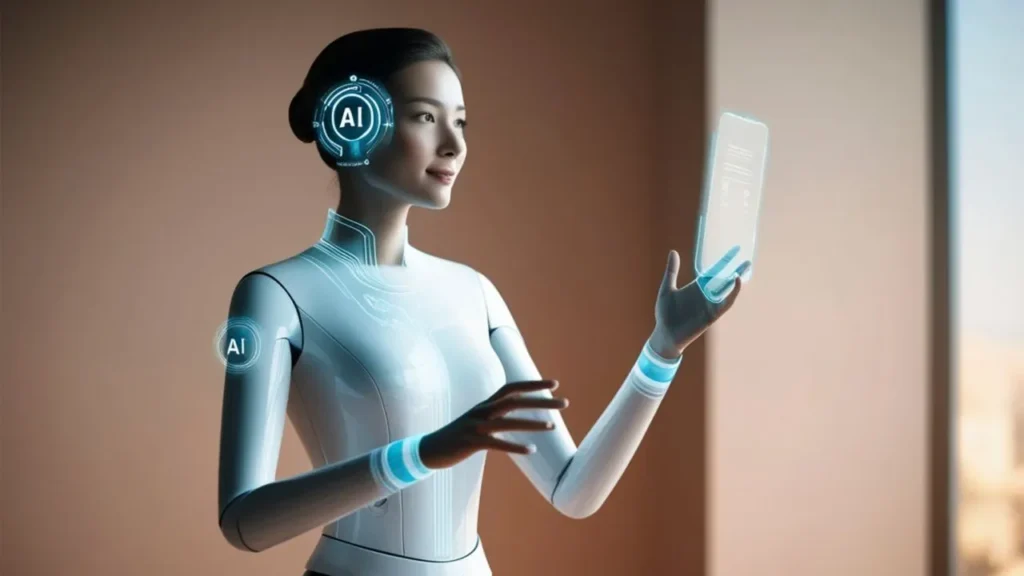
The global hiring process is undergoing a profound transformation, with Artificial Intelligence (AI) no longer confined to the backrooms of HR departments but actively shaping the strategies of both employers and job seekers. A recent comprehensive global survey conducted by HireVue, a leading talent technology company, reveals that AI has seamlessly integrated into the daily operations of hiring managers, while simultaneously empowering candidates to refine and submit applications at an unprecedented scale. This dual infiltration of AI signifies a fundamental shift in how talent is identified, assessed, and ultimately recruited, ushering in an era where data-driven insights and automated processes are becoming the norm.
The HireVue report, which surveyed a significant number of hiring managers worldwide, underscores the pervasive nature of AI across nearly every facet of the recruitment lifecycle. From the initial drafting of job descriptions to the intricate process of candidate screening, interview scheduling, and even contributing to final hiring decisions, AI tools are proving indispensable. This widespread adoption is evident in the statistics: a remarkable 77% of HR teams report regular utilization of AI within their hiring workflows, with nearly half confirming daily use. This suggests that AI has moved beyond a nascent experimental phase to become a core component of operational efficiency for many organizations.
However, this rapid integration is not without its complexities. While the adoption rates are high, the level of trust in these AI systems remains a critical point of discussion. The survey indicates that only approximately 41% of hiring managers express full confidence in the AI tools they currently employ. This trust deficit points to ongoing challenges related to algorithmic transparency, potential biases, and the need for robust validation mechanisms to ensure fairness and accuracy in AI-driven decisions.
Simultaneously, the influence of AI is equally potent on the candidate side. The report highlights that a substantial 71% of job seekers are leveraging AI to craft their resumes, a practice that extends to tailoring applications to specific roles, conducting in-depth employer research, and meticulously preparing for interviews. This signifies a democratization of sophisticated application preparation, enabling individuals to present themselves in a more polished and targeted manner, irrespective of their prior experience with resume writing or interview techniques.
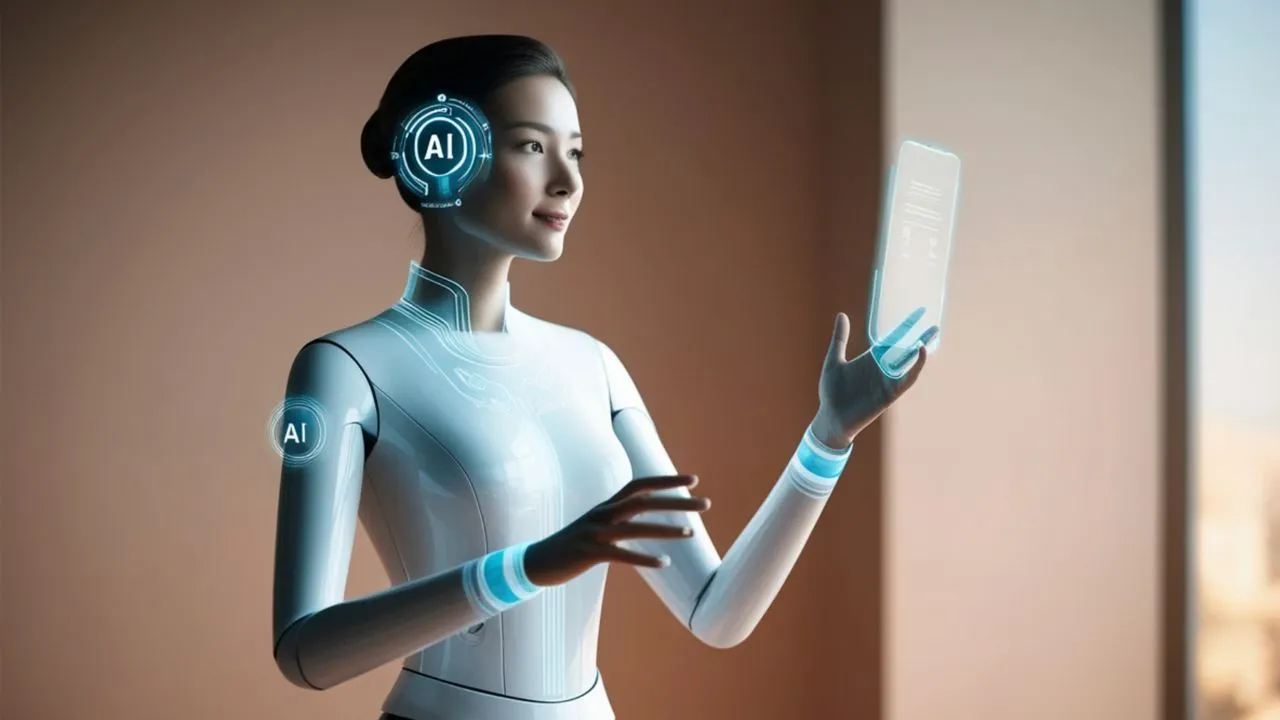
AI: From Auxiliary Tool to Integral System in Hiring
The journey of AI in hiring can be traced back a few years, initially appearing as experimental tools designed to augment specific tasks. However, the HireVue findings indicate a significant acceleration, with AI now deeply embedded into the very fabric of standard hiring infrastructure. This evolution from a supplementary tool to an integral system is driven by organizations seeking to manage escalating application volumes and expedite decision-making processes through automation and structured analytical frameworks.
The report further quantifies this shift, revealing that approximately 85% of HR departments are either actively using or have concrete plans to implement generative AI. This statistic is a strong indicator of AI’s rapid ascent to becoming a routine element in hiring operations. The past few years have witnessed a doubling in AI adoption within recruitment, fueled by the inherent advantages of automation in handling large datasets and the promise of more efficient and timely hiring outcomes. This trend suggests a strategic imperative for companies to embrace AI to remain competitive in the talent acquisition arena.
The Emerging Trust Gap: A Consequence of Expanded AI Use
As the application of AI in hiring broadens, a noticeable trust gap is beginning to emerge. While organizations are readily adopting these technologies, their confidence in the AI’s outputs is far from uniform. The HireVue report brings to light several key areas of concern for hiring managers. Approximately 46% of respondents expressed apprehension regarding potential biases within AI-generated recommendations, a perennial challenge in AI development. Furthermore, concerns about legal compliance (39%) and the candidate’s perception of AI-driven hiring decisions (39%) also feature prominently.

This internal trust deficit is compounded by an external challenge: the proliferation of AI-generated applications. The sheer volume and sophistication of these AI-assisted submissions make it increasingly difficult for hiring teams to discern genuine human input from automated content. This necessitates a greater emphasis on validating candidate skills and competencies through methods that go beyond traditional resume reviews, potentially involving more robust assessment tools and practical evaluations. The pressure on hiring teams to rigorously vet applications is intensifying, demanding a more nuanced approach to candidate assessment.
Candidate Perspectives: A Divided View on AI in the Hiring Process
On the other side of the recruitment equation, candidates are finding themselves evaluated within a system where AI is increasingly present at every touchpoint. The report reveals a divided opinion among HR leaders regarding the ethical implications of candidate AI usage. While a majority perceive the use of AI by candidates as an acceptable, or even "smart," strategy for job application preparation, a discernible and growing segment views it as fundamentally unfair. This divergence highlights the ongoing debate about equity and the leveling of the playing field in the job market when AI tools become widely accessible.
Despite the pervasive influence of AI in the application process, the human element remains highly valued by candidates. The survey data indicates that a significant 65% of job seekers still express a preference for direct human interaction during the hiring process, rather than solely engaging with automated systems. This preference underscores the importance of personalized communication, empathy, and the nuanced understanding that human recruiters can provide, even in an increasingly AI-driven environment. It suggests that while AI can streamline processes, it cannot fully replace the interpersonal aspects that are crucial for building candidate engagement and a positive employer brand.
The Data-Centric Future: Hiring Outcomes Driven by Measurable Signals

With AI now deeply integrated into hiring workflows, the decision-making process is progressively shifting from reliance on manual review alone to a more data-centric approach. Structured data, comprehensive assessments, and predictive analytics are becoming the bedrock upon which hiring decisions are made. This evolution signifies a move towards systems that prioritize measurable signals of capability and potential, moving beyond subjective interpretations of experience or traditional resume narratives.
The HireVue report implies that both employers and candidates are navigating a landscape where AI is an omnipresent force, continually shaping interactions and evaluations. This mutual adoption of AI tools means that hiring outcomes are becoming more closely tied to quantifiable metrics. For employers, this translates to potentially more objective and efficient talent acquisition. For candidates, it means an increased need to demonstrate skills and competencies through verifiable assessments and data-driven portfolios, rather than solely relying on written applications. This trend suggests a future where the "future of work" is not just about adapting to new technologies, but also about mastering the art of leveraging them effectively and ethically to achieve desired outcomes.
Broader Implications and Future Outlook
The pervasive integration of AI into hiring processes carries significant implications for the future of work. On one hand, it promises increased efficiency, reduced time-to-hire, and potentially more objective candidate evaluations by minimizing human biases. AI can help sift through vast numbers of applications, identify qualified candidates more quickly, and even predict candidate success based on data patterns. This could lead to more diverse workforces by identifying talent that might otherwise be overlooked through traditional methods.
However, the challenges associated with AI in hiring are equally profound. The potential for algorithmic bias to perpetuate or even amplify existing societal inequalities remains a critical concern. Ensuring fairness, transparency, and accountability in AI systems is paramount. Furthermore, the increasing reliance on AI raises questions about the evolving role of human recruiters. While AI can automate many tasks, the need for human oversight, ethical judgment, and empathetic interaction will likely remain crucial. Recruiters may need to transition from task-focused roles to more strategic positions, focusing on relationship building, complex problem-solving, and ensuring the ethical application of AI technologies.

The ongoing "arms race" between employers using AI to screen and candidates using AI to apply also presents a complex dynamic. This could lead to a scenario where the most skilled applicants are not necessarily those with the best human capabilities, but those who are most adept at leveraging AI tools. This necessitates a continuous re-evaluation of assessment methods to ensure that genuine skills and potential are accurately identified.
As organizations continue to adopt and refine AI in their hiring processes, the emphasis on data and measurable outcomes will likely intensify. This shift demands a proactive approach from both employers and job seekers. Employers must invest in robust, ethical, and transparent AI systems, coupled with ongoing training for their HR teams. Job seekers, in turn, must develop a nuanced understanding of AI tools, using them as enhancers rather than replacements for genuine skill development and personal expression. The future of hiring is undeniably intertwined with AI, and navigating this evolving landscape will require adaptability, continuous learning, and a steadfast commitment to ethical practices. The HireVue report serves as a crucial indicator of this ongoing revolution, highlighting the need for thoughtful consideration and strategic adaptation by all stakeholders involved in the talent acquisition ecosystem.