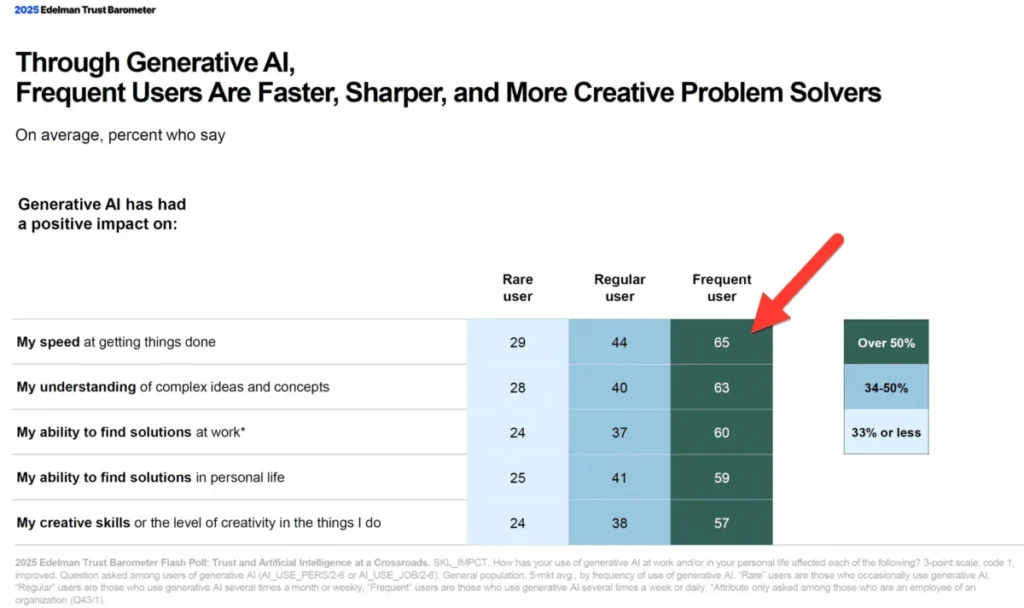
The United States job market is undergoing a significant transformation, with burgeoning unemployment rates, particularly among recent college graduates, signaling a departure from previous trends. While earlier analyses suggested artificial intelligence (AI) had a minimal impact on job displacement, the landscape is demonstrably changing as 2026 commences. The overall US unemployment rate has climbed to 4.6%, a notable increase from 4.2% a year prior and a substantial 24.7% jump from the 3.7% recorded in November 2023. This uptick, especially when contrasted with the 3.6% unemployment rate in November 2022, indicates a broader economic deceleration following the post-pandemic surge in consumer spending. This slowdown is further compounded by a confluence of economic pressures including escalating US tariffs, persistent inflation, and relatively high interest rates.
Divergent Fortunes: Experienced Professionals vs. New Graduates
A deeper examination of unemployment data reveals a growing divergence between different demographic groups, particularly when dissecting the workforce into two key segments: new college graduates (aged 24 and younger) and more established professionals (aged 25-35). This segmentation highlights a crucial shift in labor market dynamics.
Tenured college graduates, characterized by their accumulated experience, specialized skills, and seasoned judgment, have maintained a steady unemployment rate that remains below the national average. This stability is logically attributed to their established value within organizations, their proven track record, and their ability to navigate complex professional environments. Their contributions are often seen as indispensable, making them less susceptible to immediate workforce reductions driven by economic uncertainty or technological shifts.
Conversely, the unemployment rate for recent college graduates is on a steep upward trajectory. Currently hovering near 10%, this figure represents the highest level observed since July 2021, a period marking the zenith of the pandemic recovery. Historical parallels suggest a concerning trend; the last time young college graduate unemployment reached such heights was in 2011, a challenging period of economic recovery following the 2008 Great Recession. Data from the St. Louis Federal Reserve corroborates this observation, indicating that recent college graduates are bearing the brunt of current labor market shifts.
The Widening Gap: AI’s Role and the Value of Non-Degree Positions
The implications of this trend extend beyond the immediate unemployment figures. Concurrently, the availability of jobs that do not require a college degree remains robust, comprising approximately 82% of the workforce—an increase from 79% five years ago. This suggests a market increasingly prioritizing practical skills and experience over academic credentials for a significant portion of employment opportunities.
Furthermore, evidence suggests that AI is not only contributing to the slowdown in new college graduate hiring but may also be diminishing the overall number of jobs that necessitate a four-year degree. This phenomenon points towards a potential re-evaluation of traditional educational pathways and their direct correlation with career prospects, especially in fields experiencing rapid technological integration.
The Societal Impact of AI: Trust and Economic Insecurity
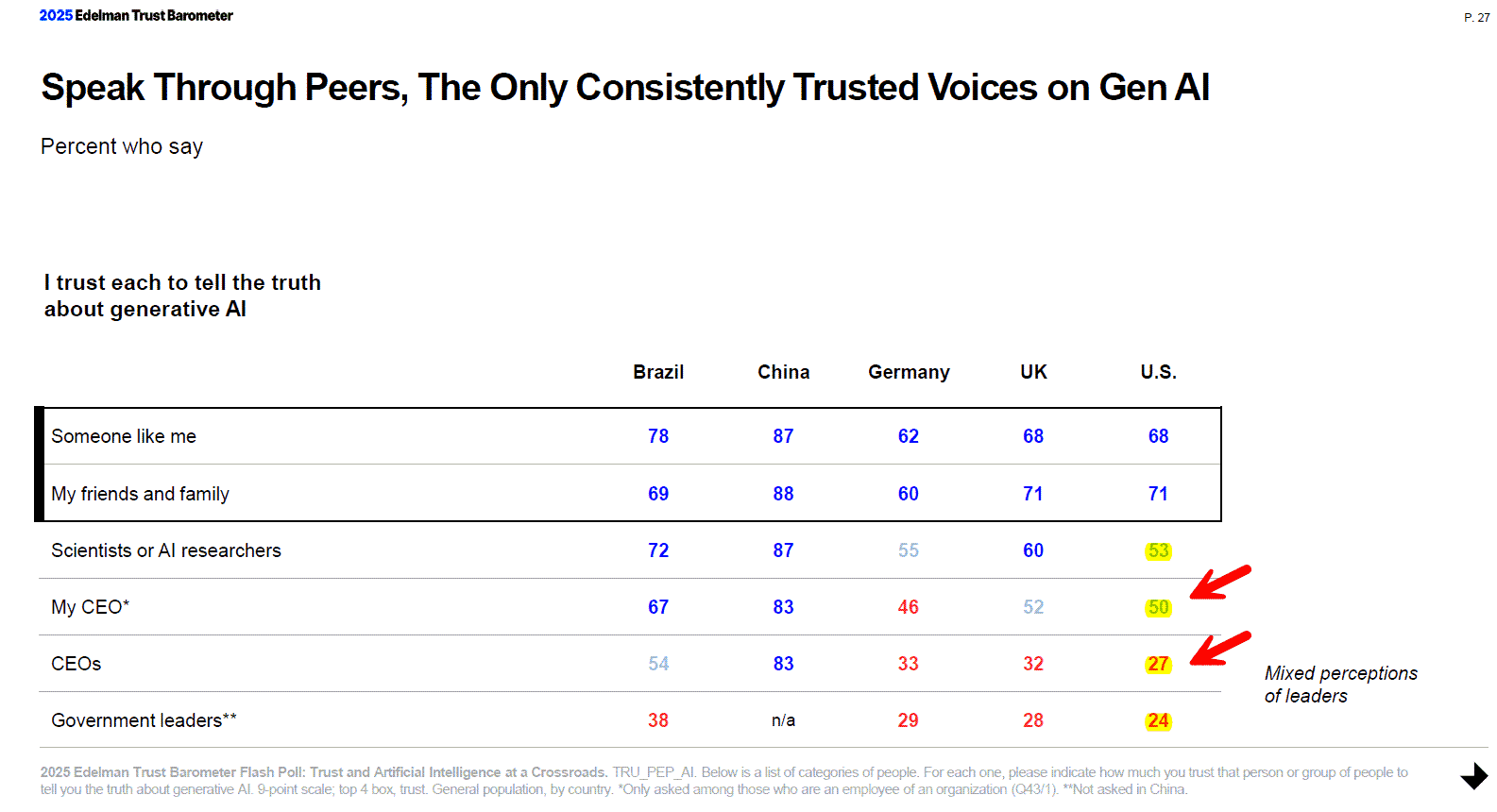
The increasing presence of AI in the workplace and its evolving impact on employment are intrinsically linked to broader societal perceptions and trust. Recent data from a flash poll on trust in artificial intelligence, conducted by Edelman, reveals a critical distinction: while there may be growing acceptance of AI’s capabilities, there remains a significant gap in "trust in AI’s value" versus "trust in the AI platform." This nuanced understanding underscores the importance of transparent communication and demonstrable benefits to foster broader adoption and reduce apprehension.
As AI continues its integration into various professional domains, it is increasingly recognized as a "socio-technological innovation." This designation acknowledges that AI’s influence extends beyond mere technological advancement to encompass profound societal and sociological impacts. The human element of AI adoption—how individuals perceive, interact with, and are affected by these systems—is becoming paramount.
Economic insecurity is a tangible consequence of this evolving landscape. When a significant portion of the workforce harbors doubts about their job security, future career trajectories, and earning potential, it can lead to a collective holding back, grumbling, and resistance to change. This pervasive anxiety, amplified by the unknown future impact of AI, could paradoxically lower overall economic productivity. The fear of AI-driven job displacement, even if not fully realized, creates a climate of uncertainty that can stifle innovation and efficiency.

Navigating the AI Era: Adaptation and the Rise of the "Superworker"
The path forward in this AI-integrated economy necessitates a proactive and open approach. Rather than shying away from the topic, candid discussions about AI’s potential and limitations are crucial. While the precise long-term impact of AI remains a subject of ongoing research and debate—with many current platforms perhaps overstating their immediate value—embracing the changes is essential.
The increasing prevalence of AI-powered tools, from conversational interfaces and personalized email communications to avatar-based job interviews, AI-driven career advice, and AI-informed performance reviews, requires a period of adjustment. By 2026, the integration is expected to deepen with the emergence of digital twins, advanced robotics, and more sophisticated human-like animations in professional settings. Platforms like Galileo Learn, which utilize AI agents for coaching and skill development, exemplify this trend.
For individuals, the key to navigating this evolving job market lies in continuous learning and adaptation. The notion of the "superworker"—an individual who leverages AI to enhance their productivity and expertise—is becoming increasingly relevant. For younger workers, who have grown up with digital technologies, the rapid adoption and innovative application of AI tools is a natural progression. They possess an innate understanding of these systems and are more likely to explore novel uses that drive reinvention.
The "Job-Leveler" Effect: Democratizing Expertise
AI is not primarily a "job killer" but rather a significant "job-leveler." This means that access to information, research, and specialized knowledge, which was once the exclusive domain of seasoned experts, is now becoming democratized. Individuals, regardless of their current position, can leverage AI to accelerate their learning curve, potentially transitioning from an "apprentice" role to that of a "newly minted expert" with unprecedented speed.
For job seekers, this translates into an imperative to thoroughly research companies and industries before engaging with recruiters. The ability to demonstrate a deep understanding, facilitated by AI-powered research tools, can provide a distinct advantage.
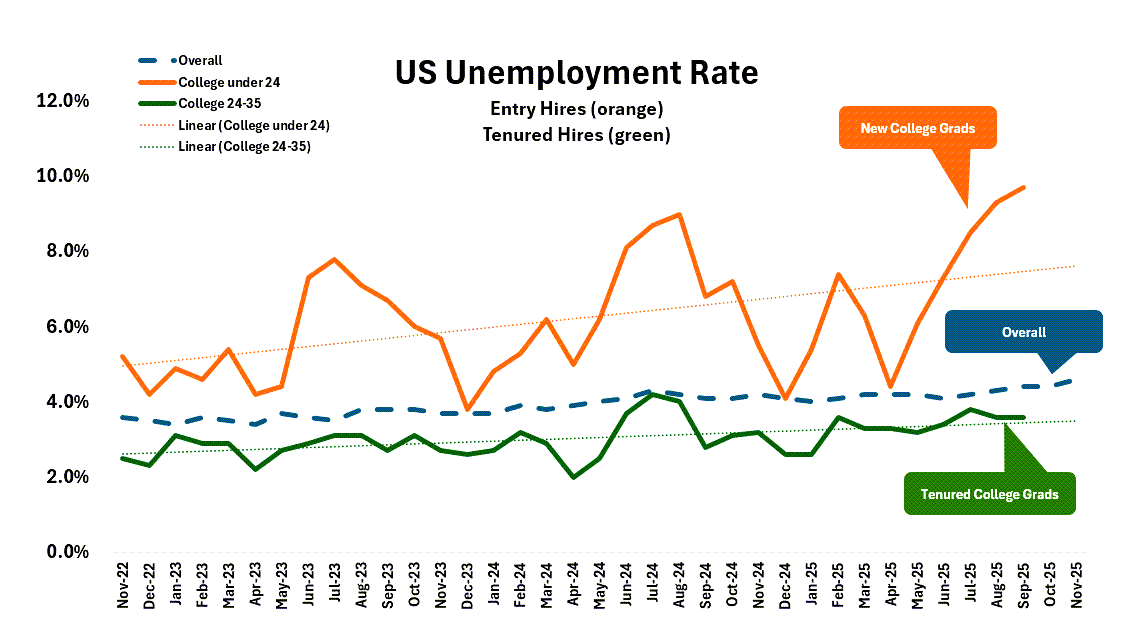
Similarly, for more tenured professionals, relying solely on years of experience is no longer a sufficient strategy. A commitment to understanding and integrating new technologies, AI tools, and advancements within their respective domains is crucial for continued relevance and career growth. Research consistently indicates that frequent users of AI are significantly more likely to report finding solutions at work and completing tasks more efficiently, underscoring the tangible benefits of embracing these tools.
Employer Imperatives: Rethinking Recruitment and Leadership
Employers and hiring managers must also adapt their strategies and perspectives. The "tenure trap"—the tendency to favor established employees over newer talent—could prove detrimental in the age of AI. While senior employees may possess invaluable institutional knowledge, younger individuals, particularly those adept with AI, may rapidly acquire new skills and drive innovation at a faster pace.
HR leaders and recruiters face the challenge of identifying and cultivating future "superworkers." Younger employees, with their propensity for rapid learning and AI integration, may offer a faster route to increased productivity and cost-effectiveness. The focus should shift towards identifying individuals who demonstrate a capacity for swift learning and a proactive approach to AI adoption.
For chief executive officers and senior leadership, transparency and strategic clarity regarding AI implementation are paramount. Research suggests AI is primarily a "scaling technology," designed to augment rather than eliminate jobs. Honest and supportive communication about AI’s role within the organization can significantly expedite employee adaptation and ensure the company remains competitive. A workforce that trusts leadership’s vision and feels supported through technological transitions is more likely to embrace change and contribute to sustained success.
The evolving nature of the job market, driven by economic factors and the accelerating integration of AI, presents both challenges and opportunities. Understanding these dynamics, fostering a culture of continuous learning, and adapting recruitment and leadership strategies will be critical for individuals and organizations alike to thrive in the years ahead. The ability to harness AI as a tool for augmentation, innovation, and democratized expertise will ultimately define the successful workforce of the future.