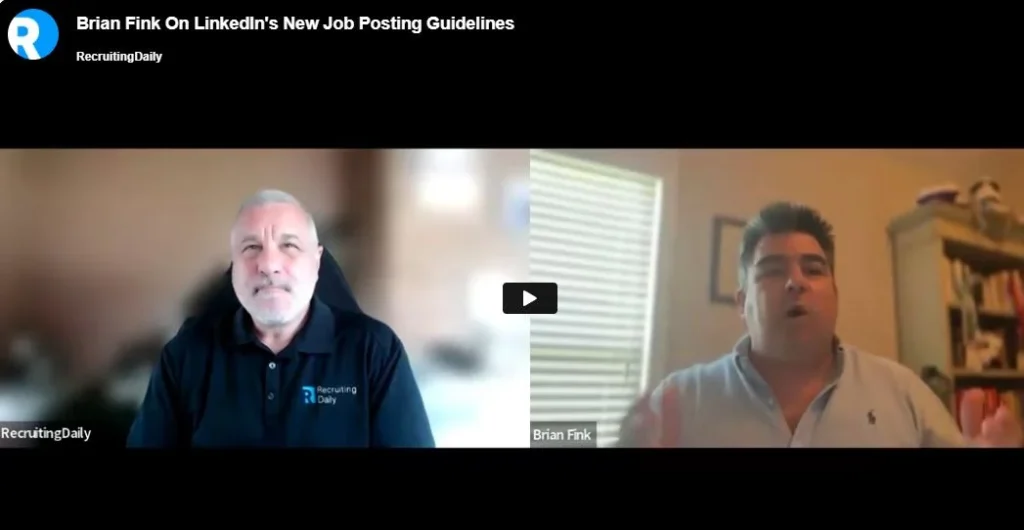
LinkedIn, the world’s preeminent professional networking platform, has introduced a new set of guidelines for third-party job postings, effective August 2024, ostensibly aimed at enhancing "authenticity" and user experience. However, these changes have ignited a fervent debate within the recruitment industry, particularly among independent agencies and Applicant Tracking System (ATS) providers, who view them less as a commitment to quality and more as a strategic maneuver to further monetize the platform and consolidate power. The stricter visibility rules and compliance audits signal a significant shift, prompting a critical re-evaluation of the symbiotic yet often contentious relationship between LinkedIn and the thousands of recruiting agencies that rely on its network for candidate engagement.
The core of the controversy lies in LinkedIn’s stated objective to protect its network from low-quality, fraudulent, or duplicated job listings. While the platform emphasizes transparency, quality, and user protection as non-negotiables, the implementation details and the potential repercussions for third-party entities have raised concerns about corporate overreach and anti-competitive practices. Under the new requirements, agencies feeding job postings via XML feeds to LinkedIn will face rigorous scrutiny. Non-adherence to these guidelines could lead to the immediate removal of job listings, posing an existential threat to agencies whose business models are heavily reliant on broad visibility on the platform.
The Evolution of Online Recruitment and LinkedIn’s Dominance
To fully grasp the implications of these new guidelines, it is crucial to understand the landscape of online recruitment and LinkedIn’s pivotal role within it. Since its inception in 2002, LinkedIn has evolved from a professional networking site into a dominant force in talent acquisition, boasting hundreds of millions of users globally. Its job board has become a primary destination for both active and passive job seekers, making it an indispensable channel for employers and recruitment agencies alike.
The modern recruitment ecosystem is complex, involving direct employers, internal HR departments, third-party recruitment agencies, staffing firms, and technology providers like Applicant Tracking Systems (ATS). ATS platforms are crucial for managing candidate applications, and many integrate directly with job boards, including LinkedIn, to automatically post and manage listings via XML feeds. These feeds allow agencies to disseminate a vast number of job opportunities efficiently, often including "free" postings that leverage LinkedIn’s extensive reach without direct advertising costs. This interconnected web has, for years, facilitated a dynamic exchange between talent and opportunity.
However, the proliferation of online job postings has also brought challenges. The digital realm is ripe for exploitation, with instances of fake job advertisements designed to harvest personal data, outdated listings that waste job seekers’ time, and duplicate posts that clutter search results. These issues degrade the user experience and can erode trust in the platform. LinkedIn, like other major job boards, has a vested interest in maintaining the integrity and credibility of its listings to retain its user base and appeal to premium advertisers. This context provides a legitimate foundation for the platform’s stated commitment to "authenticity" and quality control.
Dissecting the August 2024 Requirements
The new August 2024 requirements introduce stricter visibility rules for third-party jobs, demanding a higher standard of accuracy and integrity from agencies. While the precise details of all conditions that might activate a "Spidey-sense" (as alluded to in the original commentary) are not explicitly itemized in the public-facing guidelines, the overarching message is clear: listings must be genuine, complete, and not duplicated.
Key aspects of these guidelines include:
- Enhanced Auditing: LinkedIn will conduct more rigorous audits of third-party job postings to ensure compliance with its quality standards.
- Stricter Visibility: Non-compliant listings will face reduced visibility or outright removal, impacting an agency’s ability to reach potential candidates.
- Emphasis on Genuineness: Jobs must represent actual, available positions, combating "ghost jobs" or bait-and-switch tactics.
- Completeness and Accuracy: Postings must contain all necessary information, be free from misleading details, and accurately reflect the role and company.
- Prevention of Duplication: Agencies must avoid posting the same job multiple times, which clutters search results and frustrates job seekers.
Perhaps the most alarming provision for agencies is LinkedIn’s explicit reservation of the right to remove partners and immediately terminate Basic Jobs contracts for any third-party job site that fails to adhere to these guidelines after one warning and/or generates an excessive number of member complaints. This "one strike and you’re out" policy, or a similar punitive approach based on complaint volume, introduces a high-stakes compliance environment.

LinkedIn’s Official Stance and Inferred Rationale
While LinkedIn itself has not issued a direct press statement detailing the public discourse around these changes, its official guidelines and past communications consistently underscore a commitment to user experience and platform integrity. The inferred rationale behind these stricter rules can be summarized as:
- Combating Fraud and Scams: The online recruitment landscape is unfortunately targeted by malicious actors. Stricter vetting helps protect job seekers from scams, phishing attempts, and identity theft.
- Improving User Experience: By ensuring job postings are genuine, complete, and unique, LinkedIn aims to reduce frustration for job seekers, making their search more efficient and productive. This directly contributes to user satisfaction and retention.
- Maintaining Platform Credibility: A platform riddled with low-quality or fake listings risks losing its standing as a trusted source for professional opportunities. Quality control is essential for brand reputation.
- Data Quality: Cleaner data on job opportunities also benefits LinkedIn’s own algorithms and analytics, allowing for better job recommendations and market insights.
From this perspective, the guidelines appear to be a necessary measure to safeguard the platform’s ecosystem. However, the business implications for a significant segment of its user base—recruitment agencies—cannot be overlooked.
The "Double-Edged Sword": Impact on Recruitment Agencies
For many in "Agencyland," these guidelines are perceived as a "double-edged sword" at best, and a calculated "extortion" tactic at worst. While the goal of a cleaner job market is laudable, the method of achieving it places a disproportionate burden on third-party agencies, particularly smaller and mid-sized firms.
- Increased Operational Burden and Costs: Agencies will now need to invest significantly more time, effort, and potentially resources into ensuring every single job post meets LinkedIn’s stringent requirements. This includes meticulous verification, enhanced data entry protocols, and regular auditing of their own feeds. For agencies operating on tight margins, these increased operational costs translate directly into reduced profitability.
- Threat of Disruption and Business Loss: The risk of having listings removed or, worse, contracts terminated after a single warning or a spate of complaints creates an environment of constant vigilance and precarity. A sudden loss of visibility on LinkedIn, a primary talent source, could severely cripple an agency’s ability to fulfill client mandates and engage with candidates, leading to direct revenue loss.
- Disadvantage for Smaller Agencies, Consolidation of Power: Larger recruitment agencies typically possess more robust compliance teams, dedicated legal and operational staff, and larger budgets to absorb new regulatory requirements and technology upgrades. Smaller agencies, often operating with leaner teams and fewer resources, will struggle to meet these new standards, placing them at a significant competitive disadvantage. This dynamic could inadvertently lead to a consolidation of power within the recruitment sector, favoring dominant players and stifling the innovation and niche specialization often provided by smaller firms.
- Monetization of "Free" Postings: Critics argue that these guidelines are a thinly veiled strategy by LinkedIn to "corral" agencies into more costly, direct job-posting packages. By making it difficult and risky to use "free" XML feed postings, LinkedIn creates an incentive for agencies to subscribe to premium services or paid advertising, thus directly enhancing its revenue streams. This mirrors past policy changes, such as adjustments to the InMail policy nearly a decade ago, which similarly pushed users towards paid subscriptions for enhanced communication capabilities.
Broader Economic and Industry Implications
The ripple effects of LinkedIn’s new guidelines extend beyond individual agencies:
- Shift in Recruitment Strategies: Agencies might increasingly pivot towards alternative job boards, direct outreach, or investing in their own talent pools and employer branding initiatives, reducing their reliance on LinkedIn. This could fragment the online job market further.
- Impact on ATS Providers: ATS companies will need to ensure their systems are fully compliant with LinkedIn’s updated data standards, potentially requiring software updates and increased support for their agency clients. This adds another layer of complexity and cost throughout the recruitment technology stack.
- Reduced Job Diversity: If smaller, niche agencies struggle to comply and are forced to reduce their postings or exit the platform, job seekers might find a less diverse range of opportunities, particularly in highly specialized or local markets that larger agencies might not serve as effectively.
- Competition and Innovation: A less competitive recruitment agency market, dominated by a few large players, could stifle innovation in recruitment methodologies and reduce the quality of service for both employers and candidates in the long run.
Historical Precedent and Future Outlook
LinkedIn’s history is punctuated by strategic adjustments to its platform and pricing models, often with the underlying aim of monetization and enhancing user value. The evolution of InMail, the introduction of premium subscriptions, and the continuous refinement of its advertising products all point to a consistent trajectory. The current changes to job posting guidelines align with this pattern, suggesting a renewed focus on extracting value from its vast professional network.
The question arises: What is next for LinkedIn? The original commentary speculates about LinkedIn’s version of platforms like Blind or Glassdoor. While this specific prediction remains speculative, it highlights a broader trend: platforms continually seek to expand their offerings and deepen user engagement, often by integrating services that were once distinct. Enhancing job quality could be seen as a prerequisite for more sophisticated features like verified company reviews, salary insights, or interview intelligence, areas where Glassdoor and Blind currently excel.
In retrospect, the sentiment among many in the recruitment industry is that while the intentions behind improving job quality might be good, the implementation risks being perceived as a form of "extortion." Job seekers may indeed benefit from a cleaner, more reliable interface, free from spam and outdated listings. However, this improved experience could come at the cost of a less dynamic, less diverse, and more consolidated job market, particularly impacting the vital role played by independent recruitment agencies. The delicate balance between ensuring platform integrity, driving revenue, and fostering a healthy, competitive ecosystem remains a significant challenge for dominant platforms like LinkedIn. The coming months, as the August 2024 deadline approaches and passes, will reveal the true extent of these impacts on the global recruitment industry.