
Nobody is born a perfect leader. The assertion, seemingly simple, underpins a complex reality: leadership is not an innate gift but a cultivated skill. For individuals stepping into their first managerial roles, this developmental journey can be particularly daunting, especially when formal training in leadership at work has been minimal or non-existent. They often grapple with a fundamental identity shift, moving from a paradigm where personal skills, talents, and technical expertise were the sole drivers of individual success, to a new landscape where their effectiveness is measured by their ability to inspire and guide others. Adherence to the old "script" of individual achievement, rather than facilitating progress, can paradoxically hinder their efficacy, underscoring the critical need for an evolved leadership identity.
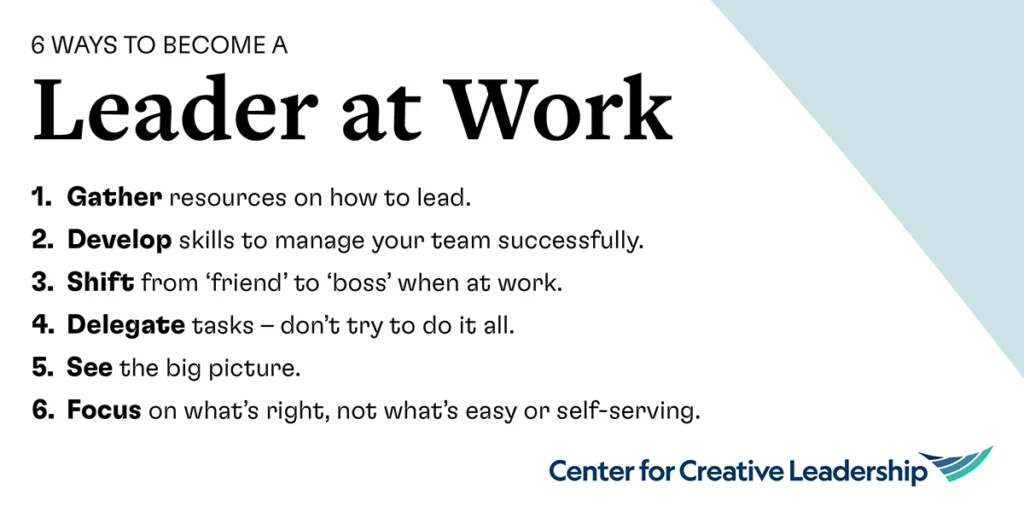
This article explores the essential principles and practical strategies that empower new managers, and even seasoned leaders seeking to refine their approach, to cultivate admiration and achieve sustained success in their roles. Drawing upon research and established best practices, we will delve into six key areas that define the transition from individual contributor to effective team leader.
The Foundational Shift: Embracing Continuous Learning
A cornerstone of effective leadership is a commitment to continuous learning. Research, as highlighted in resources like the book "Be the Boss Everyone Wants to Work For," indicates that successful managers readily pivot their mindset from excelling as an individual contributor to becoming a facilitator of collective achievement. This transition is often fueled by an intrinsic motivation to learn, driven by the inherent interest, excitement, and engagement that the learning process itself provides, rather than solely by the pursuit of external rewards or recognition.
This open approach to learning distinguishes exemplary leaders. Instead of viewing their existing knowledge as a static endpoint, they see it as a springboard for further development. This intellectual curiosity allows them to adapt to evolving team dynamics, technological advancements, and market shifts. For instance, a 2022 study by the Global Leadership Institute found that organizations with a strong culture of learning among their managers reported a 20% higher employee engagement rate and a 15% increase in innovation. This data suggests that a leader’s willingness to learn directly correlates with their team’s performance and overall organizational health.
The process of acquiring new leadership competencies is not a passive one. It involves actively seeking out resources, engaging in training programs, and reflecting on experiences. This proactive stance is crucial for navigating the complexities of managing people. When managers are equipped with the latest insights into motivational techniques, conflict resolution, and performance management, they are better positioned to foster a productive and supportive work environment. The Center for Creative Leadership (CCL), a global non-profit organization dedicated to leadership development, consistently emphasizes that leaders who invest in their own growth are better equipped to guide their teams through uncertainty and change. Their extensive research, spanning decades, has shown that leaders who actively pursue learning opportunities are more resilient, adaptable, and effective in driving organizational success.
Cultivating Essential Management Skills
Beyond a willingness to learn, effective leadership necessitates the deliberate development of specific skill sets tailored for managing a team. This involves a conscious effort to move beyond the technical proficiencies that may have secured their initial promotion. Our research has found that managers who continue to rely solely on the technical expertise that propelled them into leadership positions are often perceived as less successful in their new roles. This is because the demands of leadership extend far beyond individual technical mastery.
Key skills that demand cultivation include:
- Effective Communication: This encompasses not only clear articulation of goals and expectations but also active listening, providing constructive feedback, and fostering an environment where open dialogue is encouraged. The ability to communicate a compelling vision and to translate organizational objectives into actionable tasks for the team is paramount.
- Coaching and Mentoring: Leaders are tasked with developing their team members. This involves identifying strengths and weaknesses, providing guidance, and creating opportunities for growth. A 2023 report by Deloitte on the future of work highlighted that organizations with strong coaching cultures experience a 30% improvement in employee retention and a 25% increase in productivity.
- Performance Management: This includes setting clear performance metrics, conducting regular performance reviews, and implementing strategies for improvement and recognition. It requires the ability to address underperformance constructively and to celebrate achievements effectively.
- Conflict Resolution: Inevitably, disagreements and conflicts will arise within a team. A leader’s ability to mediate, find common ground, and resolve disputes in a fair and timely manner is crucial for maintaining team cohesion and productivity.
- Strategic Thinking: While individual contributors focus on task execution, leaders must also possess the capacity to see the broader organizational landscape, understand how their team’s work contributes to overarching goals, and anticipate future challenges and opportunities.
The transition to focusing on these team-oriented skills requires a conscious effort to reframe one’s professional identity. It means recognizing that success is no longer solely a reflection of personal output but of the collective output and development of the team.
The Crucial Identity Shift: From Colleague to Commander
One of the most significant hurdles for first-time managers is navigating the shift in relationships with former peers. The transition from "friend" to "boss" is a delicate act that requires clear boundaries and consistent expectations. Successful managers understand that their former colleagues will perceive them differently, and they accept this new role with professionalism. This often involves having candid conversations with direct reports, especially those with whom they shared a close collegial relationship, to establish the new professional dynamic.
A critical element of this transition is the commitment to fairness and the avoidance of favoritism. When a manager demonstrates impartiality and treats all team members equitably, they cultivate an environment of trust and respect, which are foundational to an admired leadership position. Building strong relationships with every member of the team, regardless of personal rapport, is essential. This means actively engaging with individuals, understanding their unique contributions and challenges, and ensuring they feel valued and supported.

The ability to clearly delineate roles and responsibilities, and to diligently track individual and team progress, significantly contributes to improved team cohesion. Conversely, leaders who struggle to make this switch, clinging to a "best friend" persona at work, often find themselves in a precarious position. Their inability to establish clear leadership boundaries can lead to a blurring of lines, making it difficult to enforce decisions, manage performance, and maintain the necessary authority. This underscores the importance of the "script flip"—moving from an emphasis on personal relationships to a focus on the collective relationship with the team and its shared objectives. Data from the Society for Human Resource Management (SHRM) indicates that a lack of clear role definition and perceived unfairness are leading causes of employee dissatisfaction and turnover, particularly in teams transitioning to new management.
The Power of Empowerment: Mastering Delegation
Effective leaders understand that their success is intrinsically linked to the success of their team. This understanding translates into a strategic approach to delegation, where tasks are distributed thoughtfully, empowering team members and fostering their development. Productive leaders drive team results by entrusting responsibilities to their team members, setting clear goals, and providing both positive reinforcement and constructive feedback to facilitate growth.
The "do it all" manager, who hasn’t undergone the necessary script flip, often defines their contribution by the sheer volume of work they personally accomplish. This approach is not only unsustainable but also counterproductive. By failing to delegate, these leaders inadvertently communicate a lack of trust in their team’s capabilities. This can lead to stagnation among team members, a decline in overall productivity, and a missed opportunity for skill development. As noted in research on building trust in the workplace, delegation is a powerful demonstration of confidence in an employee’s abilities, fostering a sense of ownership and increasing job satisfaction.
The strategic delegation of tasks allows leaders to focus on higher-level responsibilities, such as strategic planning, fostering innovation, and developing talent within the team. It creates a virtuous cycle: as team members take on more responsibility, they gain new skills and confidence, which in turn enhances the team’s overall capacity and effectiveness. This empowers individuals to grow and contribute more significantly, ultimately benefiting the organization as a whole. A 2021 survey by McKinsey & Company found that companies that excel at delegation report higher levels of employee engagement and a greater ability to adapt to market changes.
Broadening Horizons: Embracing the "Big Picture"
The transition to leadership invariably involves a significant change of perspective. New leaders move from being an "outsider," focused on their individual contributions and immediate tasks, to an "insider" with a broader understanding of organizational dynamics and politics. Accepting that workplace politics are an inherent, albeit sometimes challenging, aspect of the leadership landscape is crucial for new managers to become more productive and satisfied in their roles.
This involves actively gathering information about their colleagues, stakeholders, and the broader organizational ecosystem. Understanding the thoughts, behaviors, and needs of those around them is critical. Leaders must develop keen observational skills, learning to interpret behavior and discern appropriate responses in various situations. This includes understanding the informal networks and power structures that exist within an organization.
Furthermore, it is vital for first-time managers to extend their reach beyond their immediate circle and to engage with a diverse range of individuals across the organization. This broadens their perspective, exposes them to different viewpoints, and provides invaluable insights into the multifaceted nature of the business. A broad perspective is not merely beneficial; it is often a prerequisite for career advancement and for making informed, strategic decisions. Research consistently shows that leaders who possess a comprehensive understanding of the organizational context are better equipped to navigate complex challenges, identify opportunities, and drive sustainable growth. A report by the Harvard Business Review on leadership development indicated that leaders who actively seek diverse perspectives are 1.5 times more likely to be perceived as innovative and effective by their peers.
The Ethical Compass: Prioritizing Integrity
Ultimately, effective leadership is guided by a strong moral compass. Leaders bear the profound responsibility to act in ways that are right and best for the organization and for all those it serves. This requires moving beyond self-serving motives and consistently evaluating the impact of their actions on their team, the broader organization, and all stakeholders.
Developing and demonstrating integrity is not an optional trait for leaders; it is essential. This is a quality that is honed over time through consistent practice and reflection, particularly in challenging situations. New leaders must endeavor to establish a robust moral code and to hold their decisions against it, resisting pressures that might compromise their judgment, whether they stem from personal relationships, time constraints, or financial considerations.
Leaders who prioritize integrity build enduring relationships based on trust. This trust is the bedrock upon which high-performing teams are built. When team members know their leader will act ethically and make decisions that are fair and just, they are more likely to be engaged, committed, and resilient. This unwavering commitment to ethical conduct is not only crucial for immediate success in a new role but also for long-term career trajectory and for fostering a culture of accountability and trust within the organization. The irony of integrity, as explored in leadership studies, is that while it may sometimes appear to be the more difficult path, it is invariably the one that leads to the most sustainable and respected form of leadership. Organizations that foster a strong ethical culture, driven by leaders who embody integrity, consistently outperform their peers in terms of employee loyalty, customer satisfaction, and overall financial performance.
Conclusion: The Continuous Journey of Leadership
The transition into management is a transformative experience, demanding a fundamental evolution of mindset, skills, and relationships. It is a journey that requires continuous learning, the cultivation of specific leadership competencies, a willingness to embrace a new identity, the empowerment of others through delegation, a broad and strategic perspective, and an unwavering commitment to integrity. By embracing these principles, individuals can successfully navigate the challenges of their new roles, fostering admiration, driving team success, and contributing meaningfully to their organizations. The art of leadership is not static; it is a dynamic process of growth, adaptation, and dedicated service to others.








