For much of the past year, prevailing economic discourse and employment data suggested that Artificial Intelligence (AI) was having a relatively contained impact on the U.S. job market. Discussions with industry analysts and reviews of official statistics indicated that widespread job displacement directly attributable to AI remained minimal. The slowdown in job growth observed during this period was largely attributed to other macroeconomic factors, including cost-cutting measures by businesses, broader economic uncertainty, and the lingering effects of post-pandemic fiscal policies. However, as the calendar turns to 2026, a significant recalibration of this perspective appears to be underway, with emerging data revealing a growing divergence in employment prospects, particularly impacting recent college graduates.
Unemployment Trends Show a Marked Increase
The latest figures from the Bureau of Labor Statistics (BLS) paint a picture of a cooling U.S. economy. The national unemployment rate has climbed to 4.6% as of the most recent reporting period. This represents a notable increase from 4.2% recorded just one year prior, signifying a 9.5% rise in joblessness. Looking back further, the situation becomes even more stark. Compared to November 2023, when the unemployment rate stood at 3.7%, the current 4.6% marks a substantial 24.7% increase over a two-year span. This upward trend is particularly significant when contrasted with the stability observed in November 2022, when the rate was a mere 3.6%.
This upward trajectory in unemployment is widely interpreted as an indicator that the U.S. economy is experiencing a slowdown following the robust "revenge spending" boom that characterized 2021 and 2022, a period of intense consumer activity in the wake of the COVID-19 pandemic. This economic deceleration is further compounded by a confluence of other challenging factors, including the persistent effects of U.S. tariffs on international trade, ongoing inflation that erodes purchasing power, and a sustained period of relatively high interest rates, which tend to dampen investment and consumer borrowing.
A Divergent Landscape: New Graduates vs. Experienced Professionals
A deeper analysis of the unemployment data, however, reveals a more nuanced and concerning trend when broken down by age and experience. By segmenting the workforce into two distinct groups – recent college graduates (aged 24 and younger) and more established professionals (aged 25-35) – a clear divergence in employment fortunes emerges.
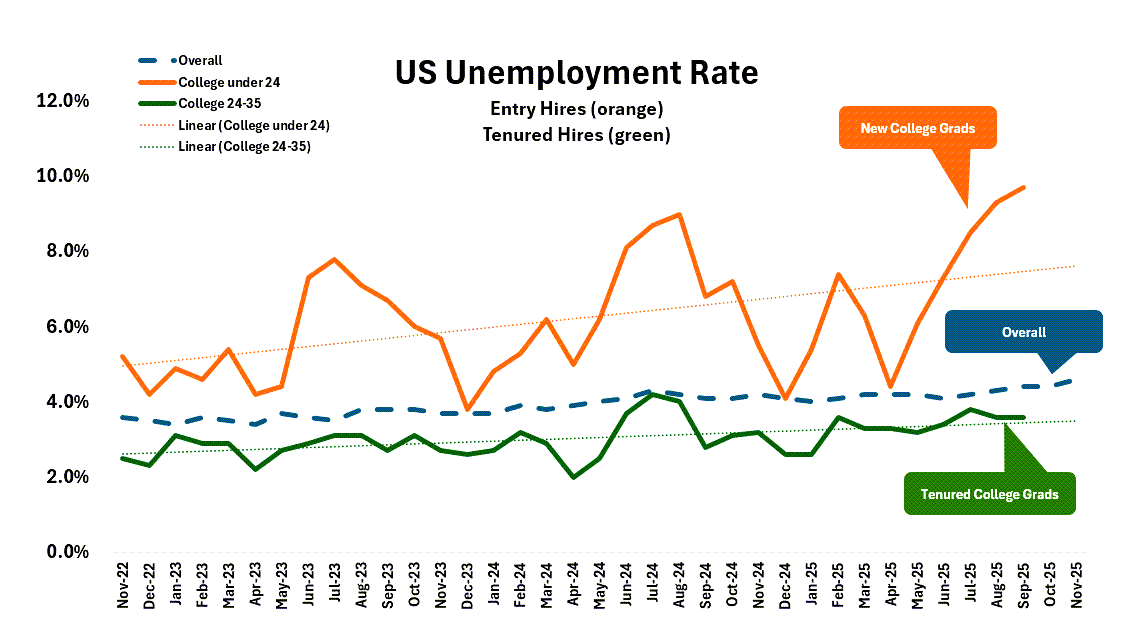
Visual representations of this data, often depicted through trending graphs, illustrate this growing disparity. For tenured college graduates, those with established careers and accumulated experience, the unemployment rate has remained consistently below the national average. This trend is logically explained by their possession of specialized skills, seasoned judgment, and a maturity in decision-making that often makes them more resilient in fluctuating economic conditions. Their ability to adapt and contribute across various business cycles provides a degree of job security.
In stark contrast, the unemployment rate for new college graduates is exhibiting a concerning upward trend. Current figures indicate that this rate is approaching 10%, a level not seen since July 2021, which marked the peak of the post-pandemic economic recovery. A historical perspective reveals that unemployment levels for young college graduates have only reached such heights during periods of significant economic distress. Specifically, the last time this demographic faced such elevated unemployment was in 2011, a challenging year that marked the prolonged recovery from the 2008 Great Recession. This parallel suggests a potential mirroring of past economic vulnerabilities, with a new generation of graduates facing a similarly arduous entry into the workforce. The St. Louis Federal Reserve has also corroborated this finding, highlighting the disproportionate burden faced by recent graduates in the current labor market shifts.
Adding another layer to this complex employment picture, data indicates a robust demand for jobs that do not require a college degree. These roles constitute approximately 82% of the total workforce, a figure that has steadily increased from 79% five years ago. This trend suggests a potential dual impact from evolving technological landscapes: not only is AI potentially slowing the hiring of new college graduates, but it may also be contributing to a reduction in the overall number of jobs that necessitate a four-year degree.
The Growing Influence of AI and Shifting Trust Dynamics
This evolving employment landscape is occurring against the backdrop of rapid advancements and increasing integration of Artificial Intelligence into various sectors. While the direct causal link between AI and job displacement has been debated, its influence on the nature of work and the skills valued in the labor market is becoming increasingly apparent.
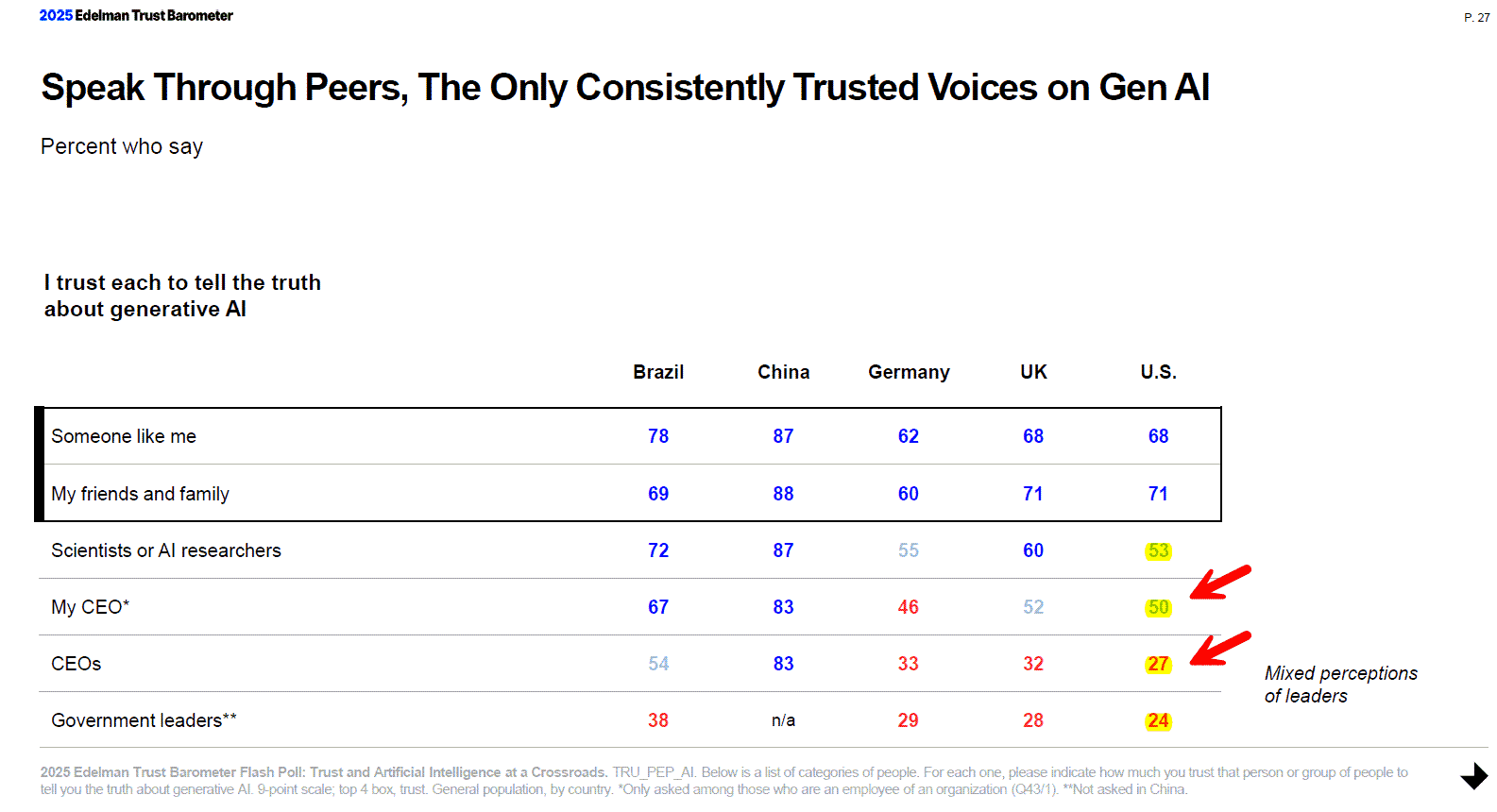
Crucially, a significant factor influencing the adoption and impact of AI is the level of trust employees place in its value and application, rather than solely in the specific AI platforms themselves. Recent surveys, such as flash polls on "Trust in AI," indicate that while the technology itself may be advancing, widespread organizational trust in its practical benefits and ethical deployment remains a critical hurdle. When only about half of employees express confidence in leadership’s pronouncements about AI, it can lead to apprehension, resistance to change, and a general sense of economic insecurity. This anxiety surrounding job security, career progression, and future earnings can, paradoxically, lead to reduced economic productivity, as employees may hesitate to embrace new technologies or fully engage in their roles due to underlying concerns.

The path forward, therefore, requires open and transparent dialogue about AI’s capabilities and limitations. The exact extent of AI’s impact on the job market remains a subject of ongoing research and observation, with many current AI platforms often perceived as overstating their immediate value. Nevertheless, the integration of AI into daily professional life is accelerating, necessitating a societal adjustment to technologies that exhibit increasingly sophisticated human-like interactions. This includes embracing AI-powered communication tools, personalized email outreach, avatar-based job interviews, AI-driven career counseling, and performance reviews informed by AI analytics. Projections for 2026 indicate further integration, with the emergence of "digital twins," advanced robotics, and more sophisticated AI-driven human simulations in the workplace. Platforms like Galileo Learn, which utilize AI agents for coaching and development, exemplify this growing trend.
Strategies for Adaptation: Embracing the "Superworker" Paradigm
From an individual perspective, the current economic climate necessitates a proactive approach to career development. For employers considering a pause on entry-level hiring, this strategy may prove counterproductive. Younger workers, having grown up with digital technologies, are often more adept at adopting and innovating with AI. Their willingness to question existing processes and explore novel applications of AI can drive significant organizational reinvention. In contrast, more tenured employees may initially view new tools as mere accelerants for existing workflows rather than catalysts for fundamental process redesign.
The overarching implication of AI’s rise is not necessarily job elimination, but rather a potential "job leveling." This means that AI can democratize access to information and expertise. Individuals willing to invest the effort can rapidly transition from an apprentice-like status to becoming proficient experts. For job seekers, this translates to an imperative to thoroughly research potential employers and demonstrate a deep understanding of their operations before engaging with recruiters.
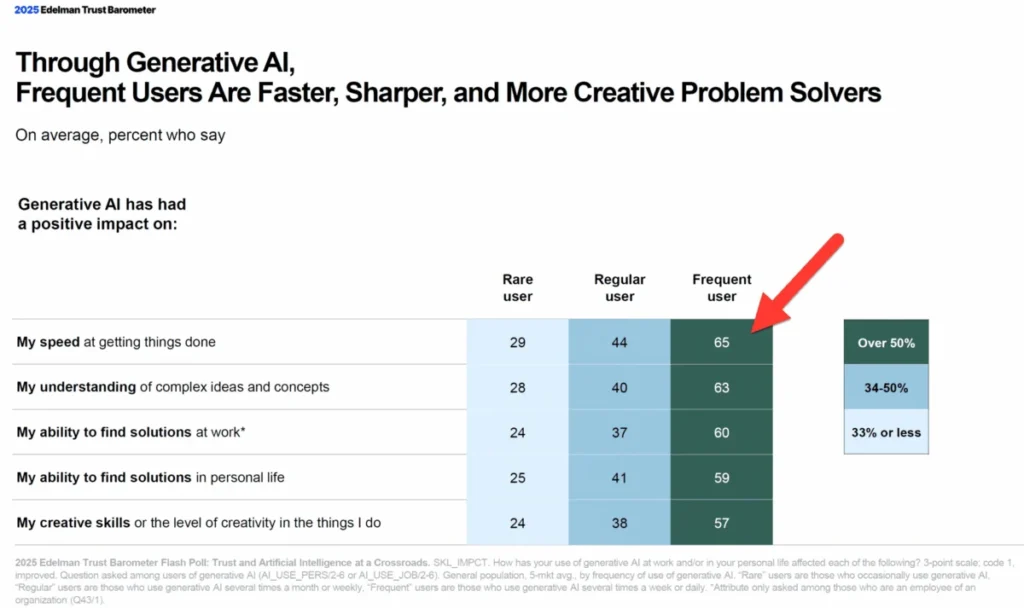
Similarly, seasoned professionals cannot afford to rely solely on accumulated experience. A commitment to continuous learning about emerging technologies, new tools, and advancements within their respective domains is essential. Research consistently shows that frequent users of AI report a greater ability to find solutions at work and complete tasks more efficiently, underscoring the practical benefits of AI adoption.
Employers and the Imperative of Strategic Foresight
For hiring managers and organizational leaders, a critical re-evaluation of recruitment and talent management strategies is paramount. The "tenure trap" – the assumption that long-term employees inherently possess an insurmountable advantage – may become a liability in an AI-driven environment. While senior employees may have deep institutional knowledge, a younger individual with a strong grasp of AI tools could rapidly achieve comparable or even superior levels of productivity. The mindset of tenured staff towards AI, often focused on enhancing existing methods, may contrast with the potential for radical rethinking of work processes championed by AI-native younger talent.
Human Resources departments and recruiters face the challenge of identifying and nurturing future "Superworkers." These individuals are likely to possess a high capacity for learning and a rapid rate of productivity enhancement, often coupled with lower initial compensation expectations. Identifying these fast-learning AI pioneers will be crucial for organizations seeking to maintain a competitive edge.
Ultimately, for Chief Executive Officers and senior executives, fostering an environment of honesty and thoughtful communication regarding AI is indispensable. The evidence suggests that AI is a technology that scales operations and enhances capabilities, rather than a direct job replacement tool. A transparent and supportive approach to AI integration will facilitate employee adaptation and ensure that companies can effectively navigate the evolving economic landscape and remain at the forefront of their industries. The successful integration of AI will depend on a symbiotic relationship between technological advancement and human adaptability, creating a future where both individuals and organizations can thrive.