The pervasive narrative surrounding Artificial Intelligence (AI) often centers on job displacement. However, a deeper examination of current trends and historical precedents suggests a more nuanced reality: AI is not a harbinger of widespread unemployment, but rather a powerful engine for job creation, enhancement, and increased value. While AI undoubtedly automates routine tasks, its primary impact lies in transforming existing roles, making them more engaging, valuable, and ultimately more rewarding. This perspective is supported by ongoing analysis of labor market data and historical technological shifts.

The Shifting Landscape of Software Engineering
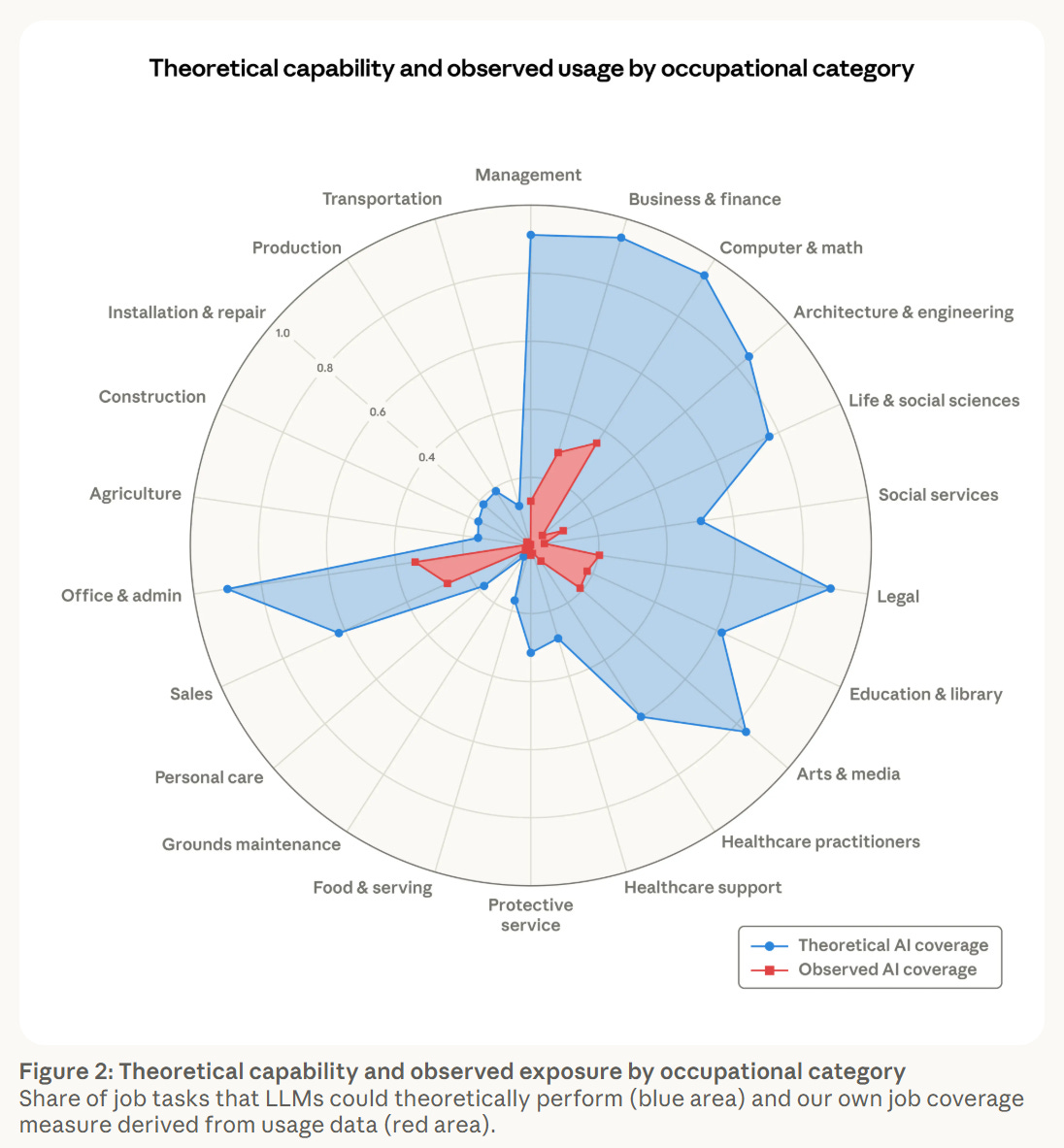
The software engineering sector, a cornerstone of the modern economy, offers a compelling case study. With an estimated 4-6% of the global workforce engaged in design, coding, testing, maintenance, and integration of software, this field represents a significant economic driver. Despite predictions from some quarters, such as the "AI Exposure" research by Anthropic, which suggests a high percentage of coding tasks could be automated by Large Language Models (LLMs), the reality on the ground paints a different picture.

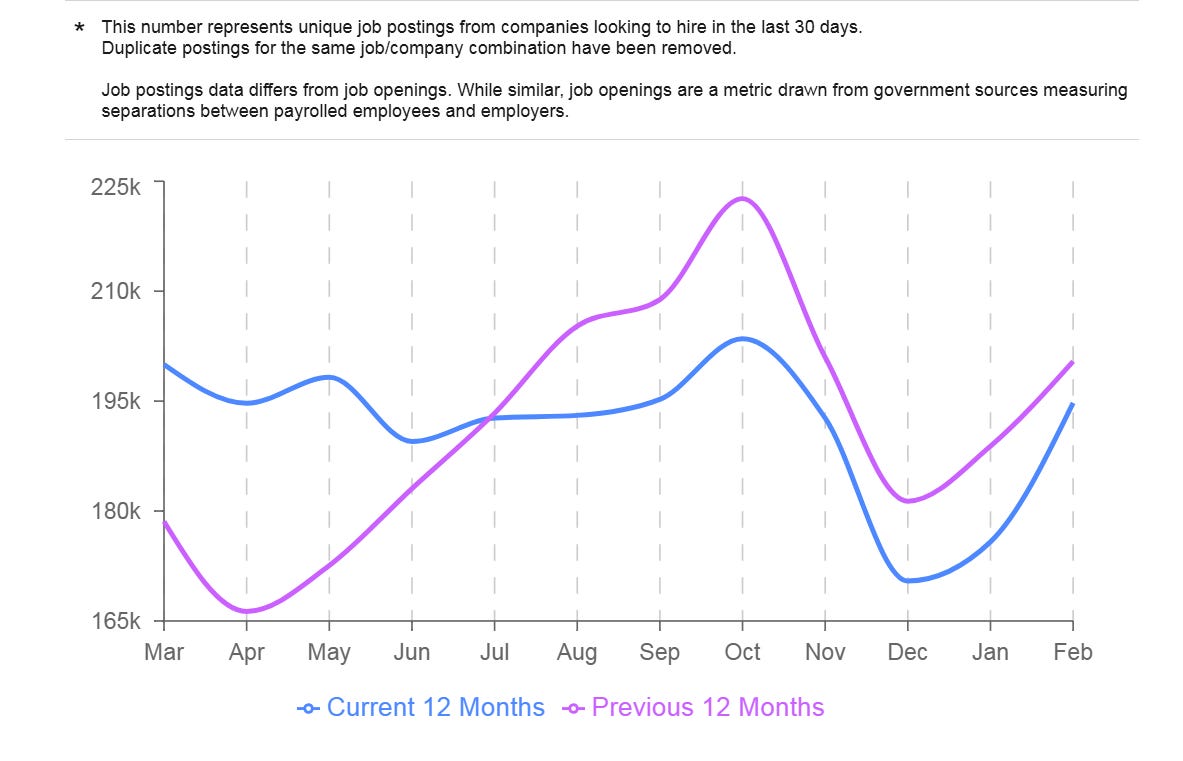
Data from labor market analytics firm Lightcast reveals that global job postings for software engineering, design, and testing roles have remained remarkably stable, even in the face of rapid AI advancements. While periodic demand may fluctuate, the overall trend indicates sustained or even increasing opportunities. This stability is further underscored by the fact that major AI development companies, like OpenAI, are simultaneously posting hundreds of new software engineering roles, signaling a concurrent demand for skilled professionals in the very field driving AI innovation.
AI’s Impact on Skills and Roles
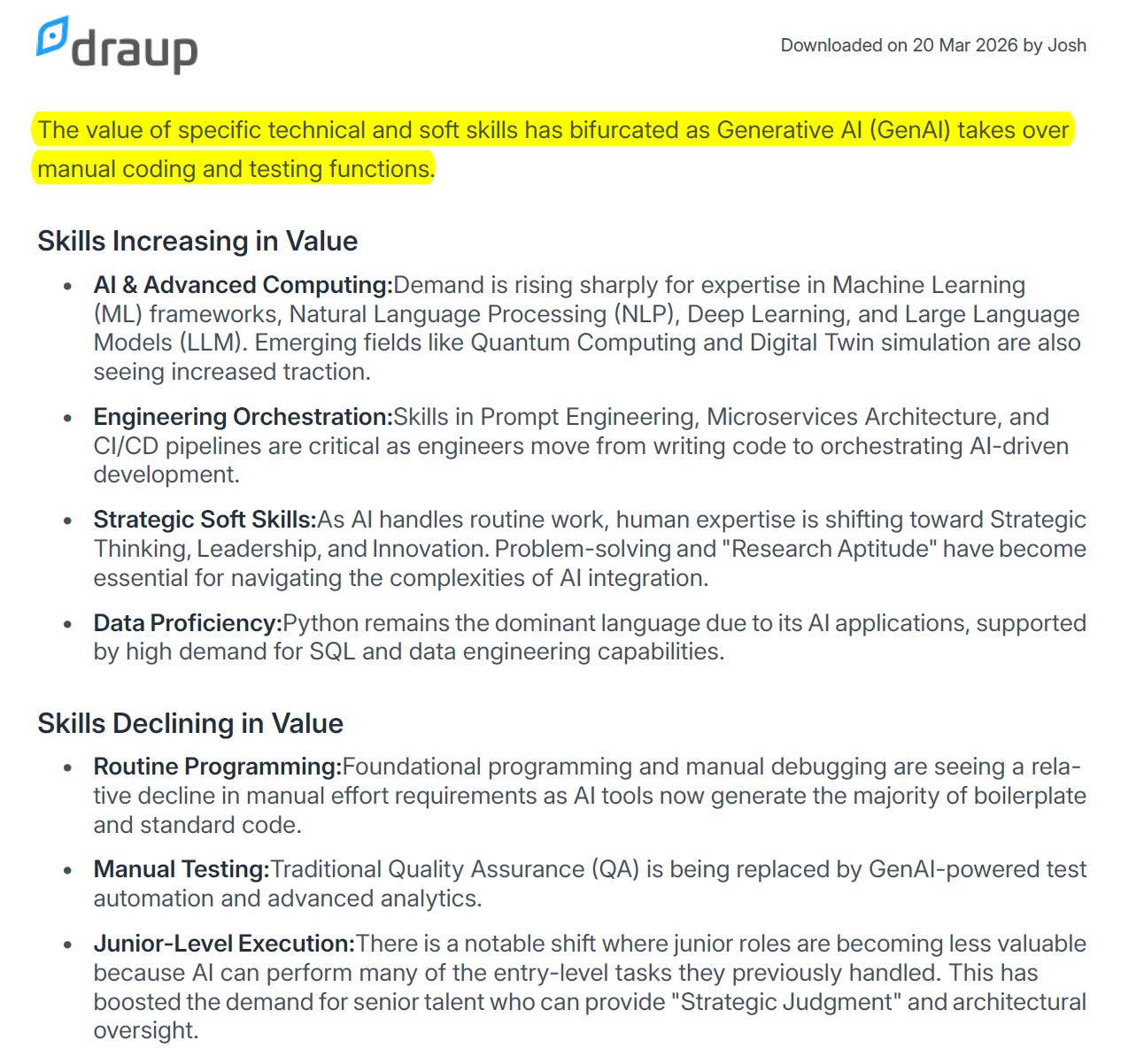
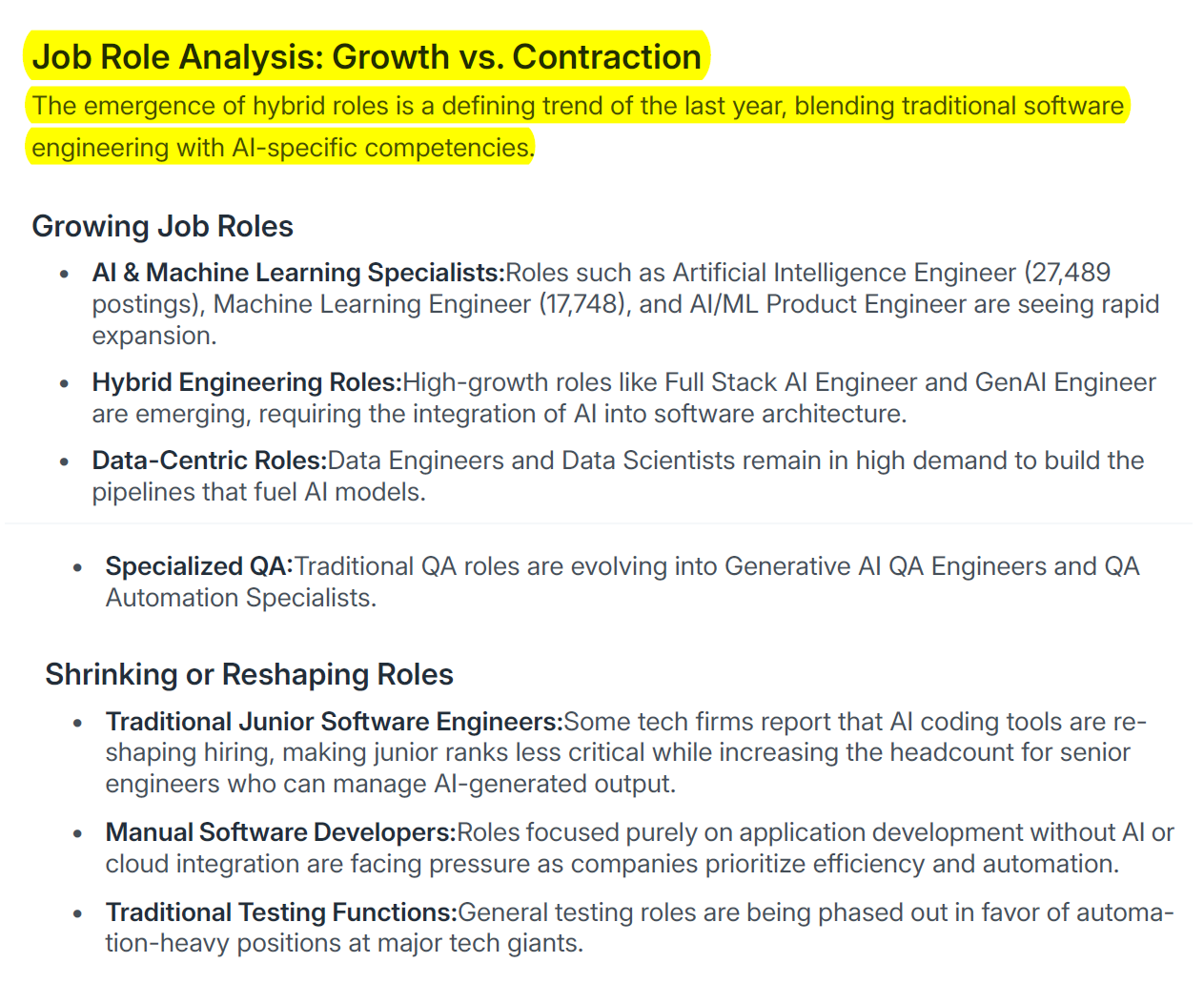
The true impact of AI on software engineering is not job elimination, but a transformation of the required skill sets. Analysis of job postings indicates a decline in demand for entry-level coding and basic testing roles. This mirrors historical parallels, such as the automation of the "steno pool" with the advent of word processing software or the diminished need for traditional switchboard operators with the rise of automated phone systems.
Conversely, there is a growing demand for specialized AI-related roles. New job titles such as "full-stack AI engineer" and "GenAI engineer" are emerging, along with AI/ML product engineer positions. These "Superjobs" represent an evolution of traditional roles, requiring a deeper understanding of AI integration, prompt engineering, model development, and ethical considerations.
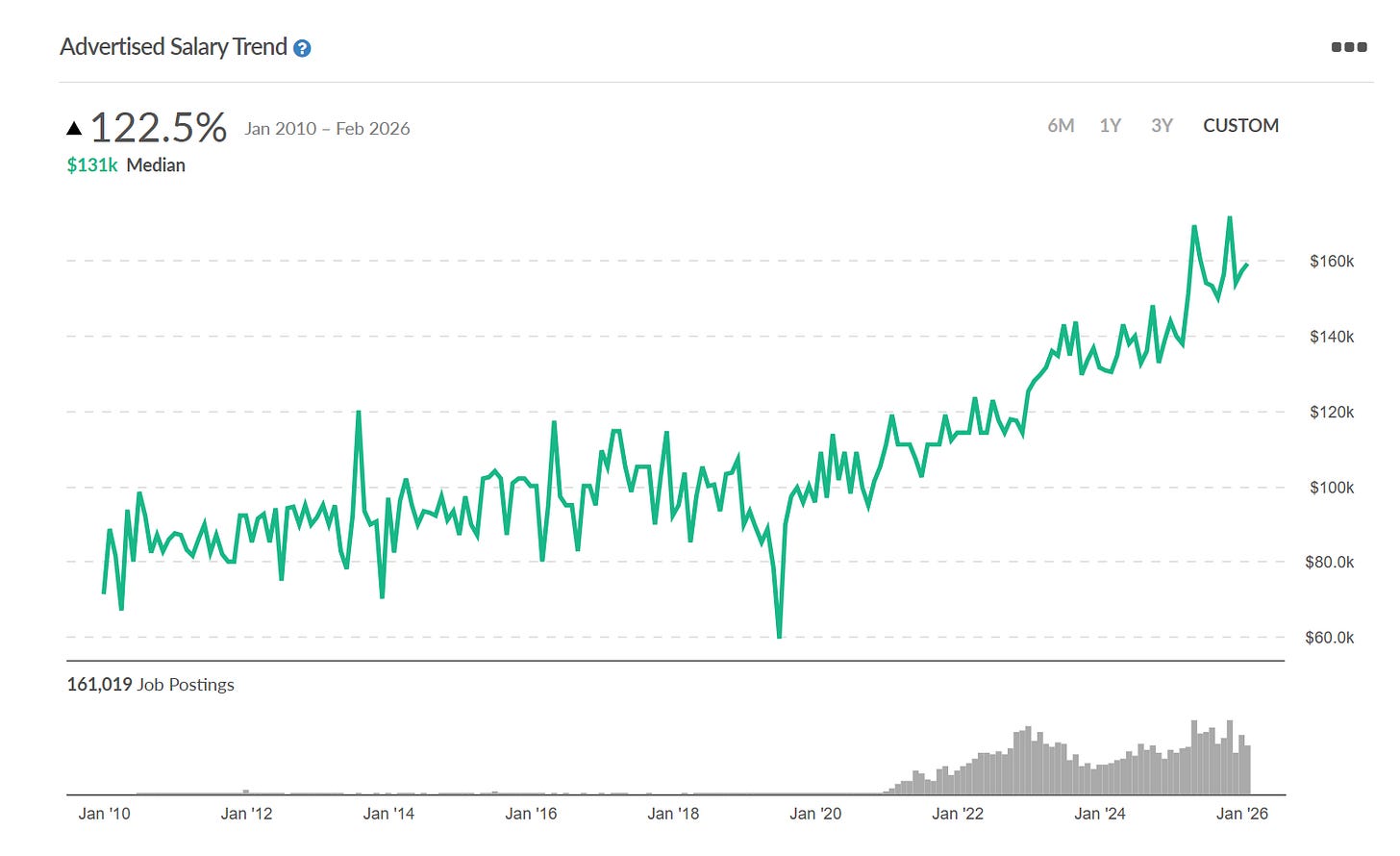
This shift is directly reflected in compensation. Data indicates a significant increase in software engineering salaries over the past 15 years, with a notable surge in the last year alone. This acceleration in pay suggests that the value of skilled software professionals is not diminishing but is, in fact, increasing as they adapt to and leverage AI technologies.
Transforming Healthcare: The Case of X-Ray Technicians
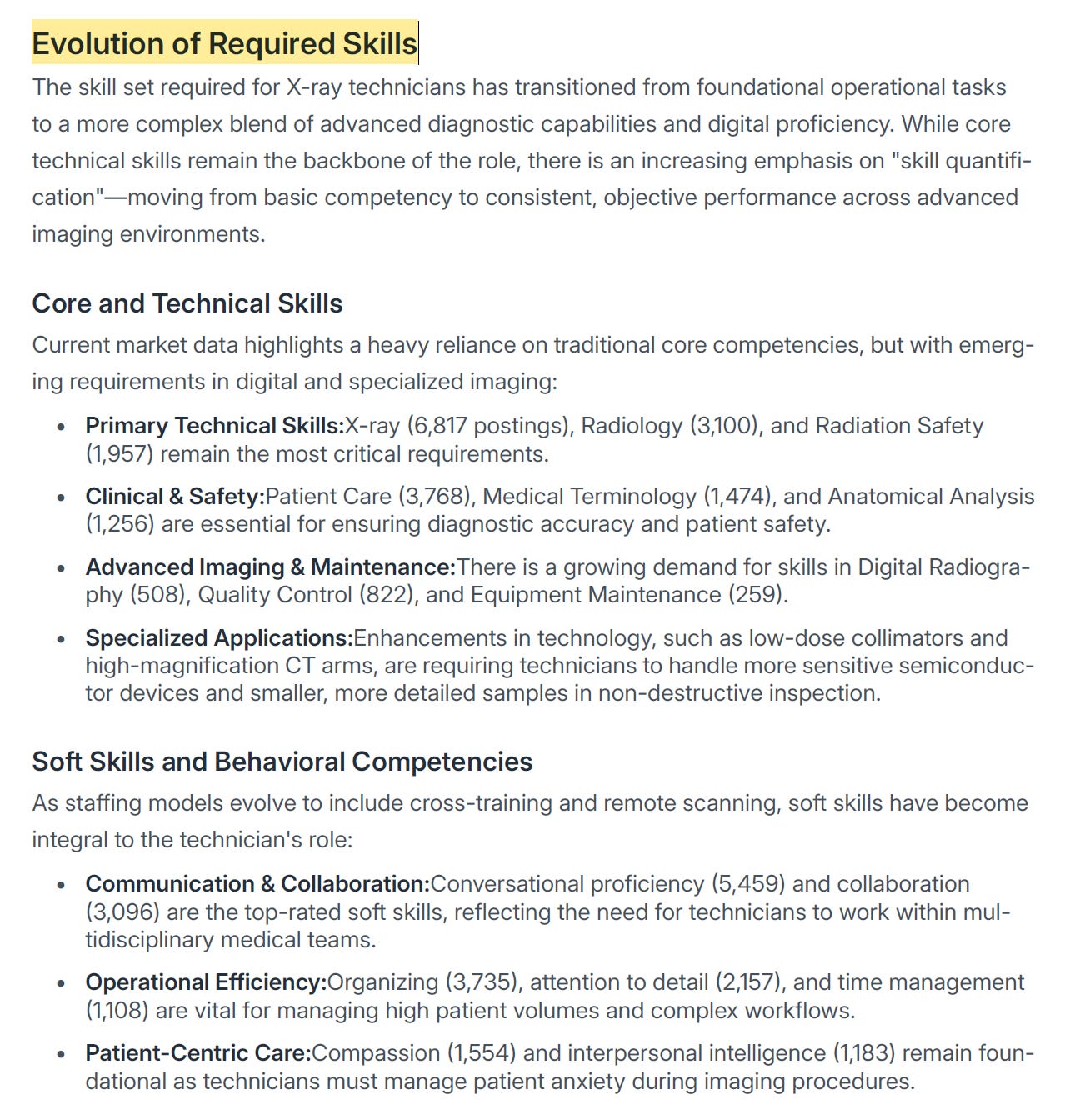
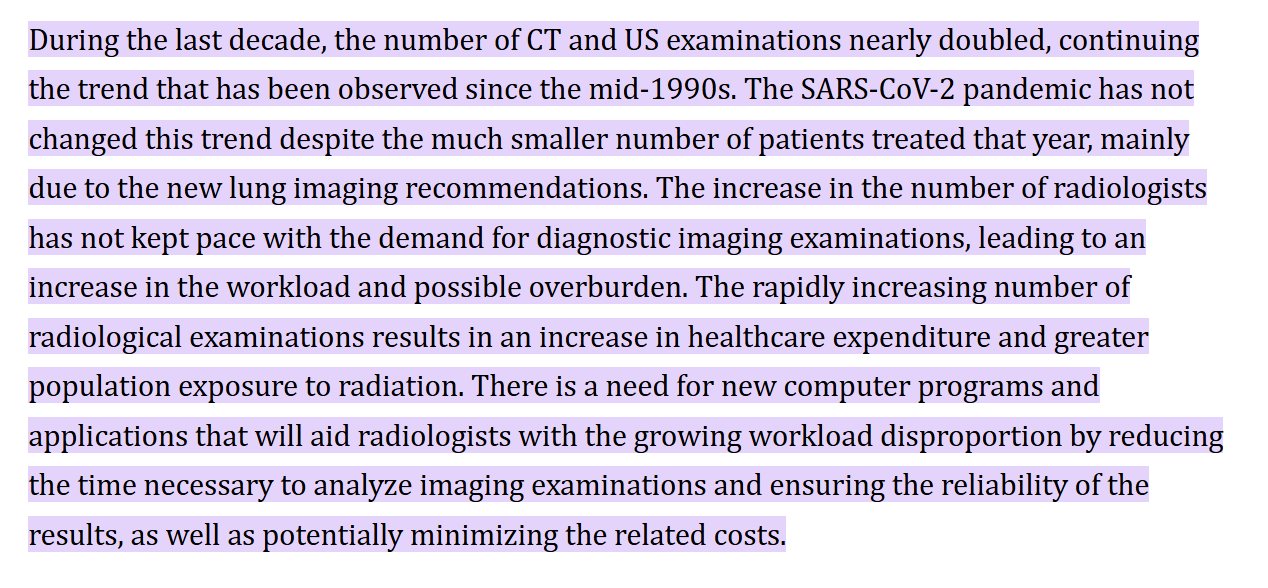
The healthcare sector provides another critical example of AI’s evolutionary impact on jobs. For years, economists have predicted the obsolescence of roles like X-ray technicians due to the rise of digital imaging and AI-powered diagnostics. Studies from as far back as a decade ago highlighted the potential for AI to analyze medical scans with high accuracy, identifying anomalies and potential health issues.
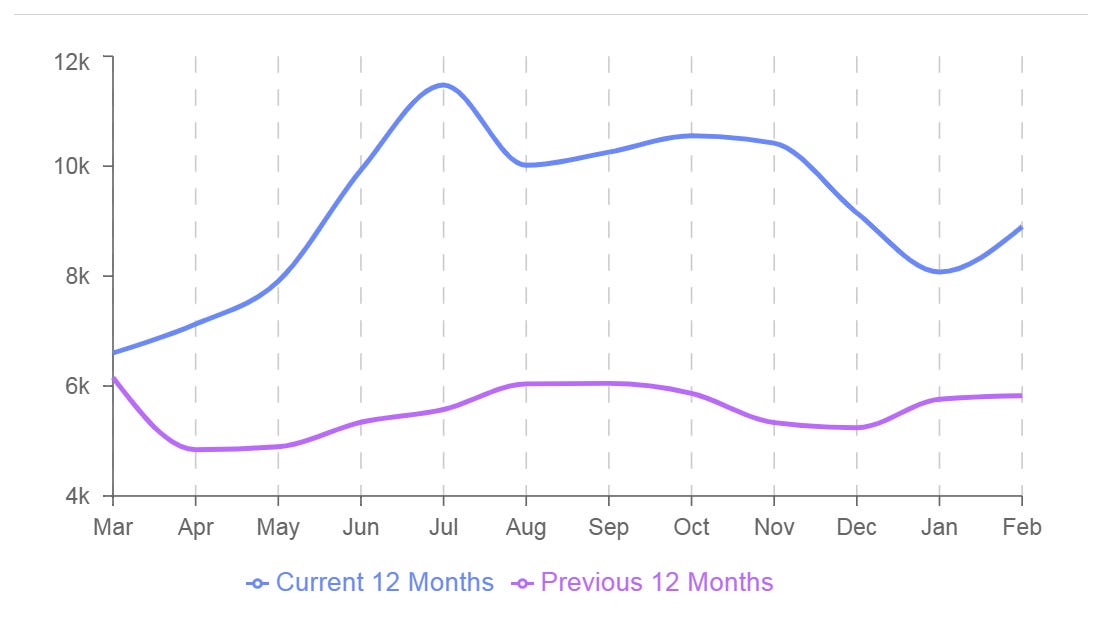
However, empirical data tells a different story. Lightcast data shows a substantial year-over-year increase of 35% in job postings for imaging and medical diagnostics. This growth is not indicative of job elimination, but rather of a redefined and expanded scope of work.
The integration of AI in medical imaging has transformed the role of X-ray technicians and diagnosticians. Instead of simply performing scans and basic interpretations, these professionals are increasingly involved in managing advanced imaging equipment, ensuring data integrity, collaborating with AI systems for enhanced diagnostic accuracy, and focusing on direct patient care and communication. This evolution leads to more engaging and human-centric aspects of their roles.
The impact on compensation in this sector, while not as dramatic as in software engineering, also shows a steady upward trend, reflecting the increased value and complexity of these evolving roles. Furthermore, the cost-effectiveness brought by AI in imaging has led to a decrease in the overall cost of diagnostic procedures compared to other rising healthcare expenses, enabling greater access to care. The efficiency gains also mean that patient experiences are streamlined, as exemplified by the anecdote of receiving X-ray results almost immediately after the procedure. This enhanced efficiency allows healthcare professionals to serve more patients effectively, thereby increasing the demand for their expertise.
The "Superworker" Phenomenon: Adaptation and Value Creation
The underlying principle driving these trends is the inherent human capacity for adaptation and value creation. Historically, technological advancements have consistently reshaped the labor market without leading to mass, long-term unemployment. The US unemployment rate, which has remained relatively stable around 4.5% for many years, serves as a testament to humanity’s ability to adjust to evolving economic landscapes.

This adaptability stems from our unique genetic wiring, honed over millions of years of evolution, which grants us a remarkable capacity for learning and innovation. Unlike AI, which operates on programmed algorithms, humans possess a deep-seated drive to improve, solve problems, and create value. This innate quality fuels business growth and personal career development, even in the face of disruptive change.
The COVID-19 pandemic provided a stark recent example of human adaptability, as individuals and organizations rapidly transformed their operations to navigate unprecedented challenges. Similarly, individuals facing disabilities or chronic conditions consistently demonstrate remarkable resilience and ingenuity in adapting and thriving. This inherent human drive to innovate and improve is the engine that powers economic progress.

AI as a Tool for Augmentation, Not Replacement
From this perspective, AI should be viewed not as a competitor, but as a powerful tool that augments human capabilities. By automating repetitive and mundane tasks, AI liberates human workers to focus on more complex, creative, and strategic endeavors. This allows for a scaling of operations, an elevation of professional capabilities, and ultimately, a growth in both individual careers and organizational success.
The development of advanced technologies, from AI and self-driving cars to breakthroughs in biotechnology, all represent new avenues for human innovation and progress. The historical record demonstrates that while specific tasks may become automated, the fundamental human desire to create, solve, and improve ensures that new roles and opportunities will emerge.
The Path Forward: Embracing "Superwork"

The future of work is not one of mass joblessness, but of "Superwork"—roles that are more engaging, intellectually stimulating, and financially rewarding. This evolution requires a proactive approach from leaders to facilitate, support, and drive this transformation within their organizations.
The key lies in recognizing and nurturing the unique strengths of human workers: creativity, critical thinking, emotional intelligence, and the capacity for complex problem-solving. By embracing AI as a collaborator and leveraging its capabilities to offload routine tasks, businesses can empower their workforce to achieve new levels of productivity and innovation.
The ongoing discourse around AI and employment needs to shift from one of fear to one of opportunity. The data suggests that AI is a catalyst for job evolution, creating more valuable and fulfilling roles. By understanding this dynamic and adapting accordingly, individuals and organizations can not only navigate the changing landscape but also thrive in the era of "Superwork."
Further Insights and Resources
For those seeking a deeper understanding of AI’s impact on the future of work, several resources offer valuable insights:
- Podcasts: Regular discussions and interviews with industry leaders and experts on AI, HR technology, and the evolving nature of work are available on various platforms.
- Conferences: Events such as "Irresistible 2026" provide a forum for leaders to discuss emerging trends, share case studies, and network with peers.
- Research and Data Platforms: Access to comprehensive research, case studies, and labor market data is crucial for informed decision-making. Platforms that provide daily updates on AI imperatives, vendor landscapes, and "Superworker" studies can be invaluable.
- Published Articles: Historical analyses, such as "The End of a Job As We Know It" (2012), offer context for understanding the long-term impact of technological change on employment.
By engaging with these resources, professionals can gain a more comprehensive perspective on how AI is not only reshaping industries but also creating new frontiers of opportunity for human ingenuity and professional growth.