The pervasive narrative surrounding Artificial Intelligence (AI) often centers on its potential to eliminate jobs, painting a bleak picture of widespread unemployment. However, a closer examination of real-world trends and data suggests a far more nuanced reality. While AI undoubtedly automates tasks and streamlines routine processes, its broader impact is increasingly demonstrating a capacity to enhance existing roles, create new ones, and ultimately make jobs more interesting, valuable, and rewarding. This perspective is not merely theoretical; it is being observed daily across various industries, signaling a significant shift towards what is being termed "Superwork" and "Superjobs."

The Shifting Landscape of Software Engineering
The software engineering sector, a cornerstone of the modern digital economy, provides a compelling case study for understanding AI’s transformative effect on employment. This field, encompassing design, coding, testing, maintenance, and integration of software, represents a substantial portion of the global workforce, with millions of individuals driving trillions of dollars in salary expenses and corporate projects.
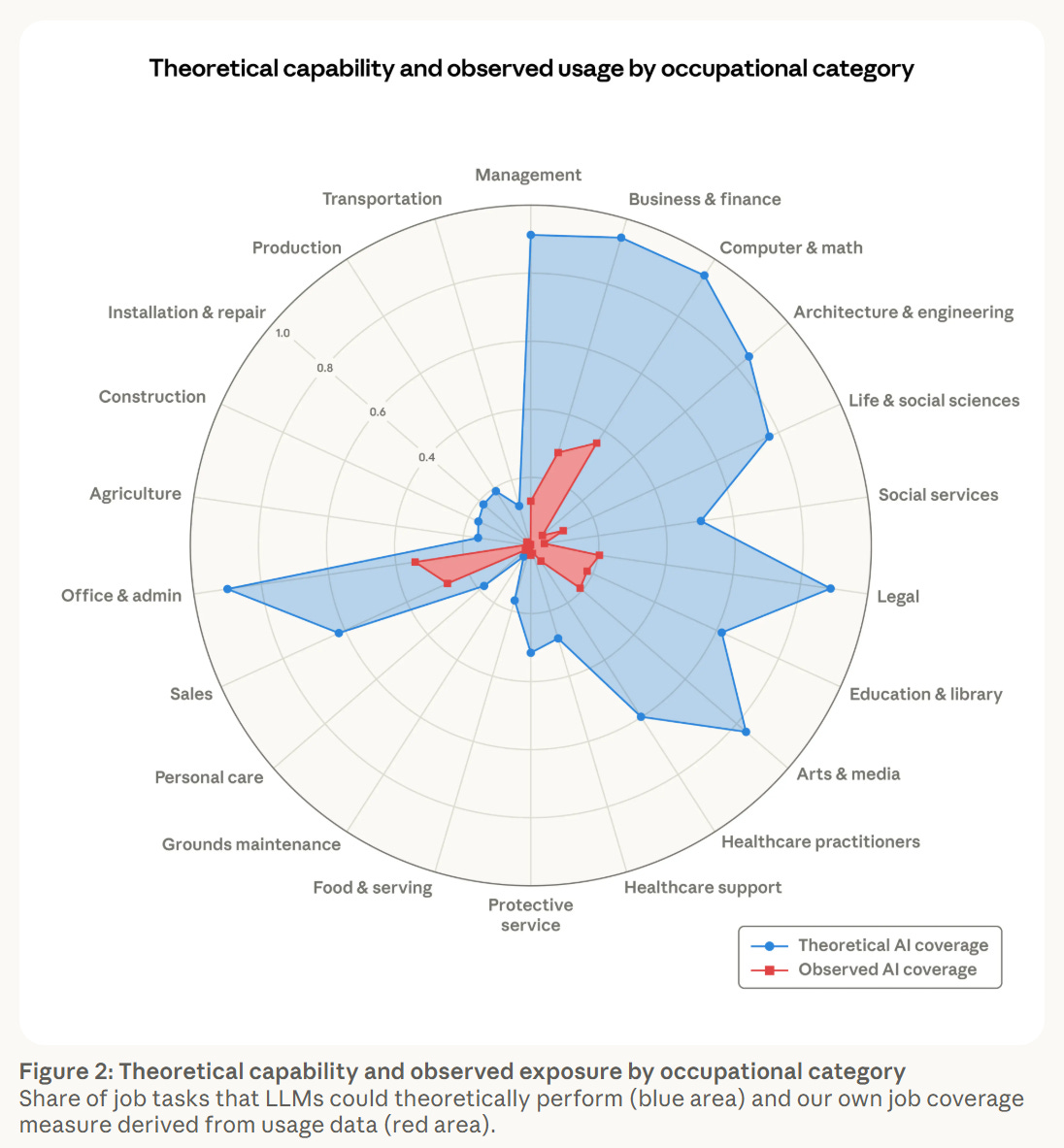
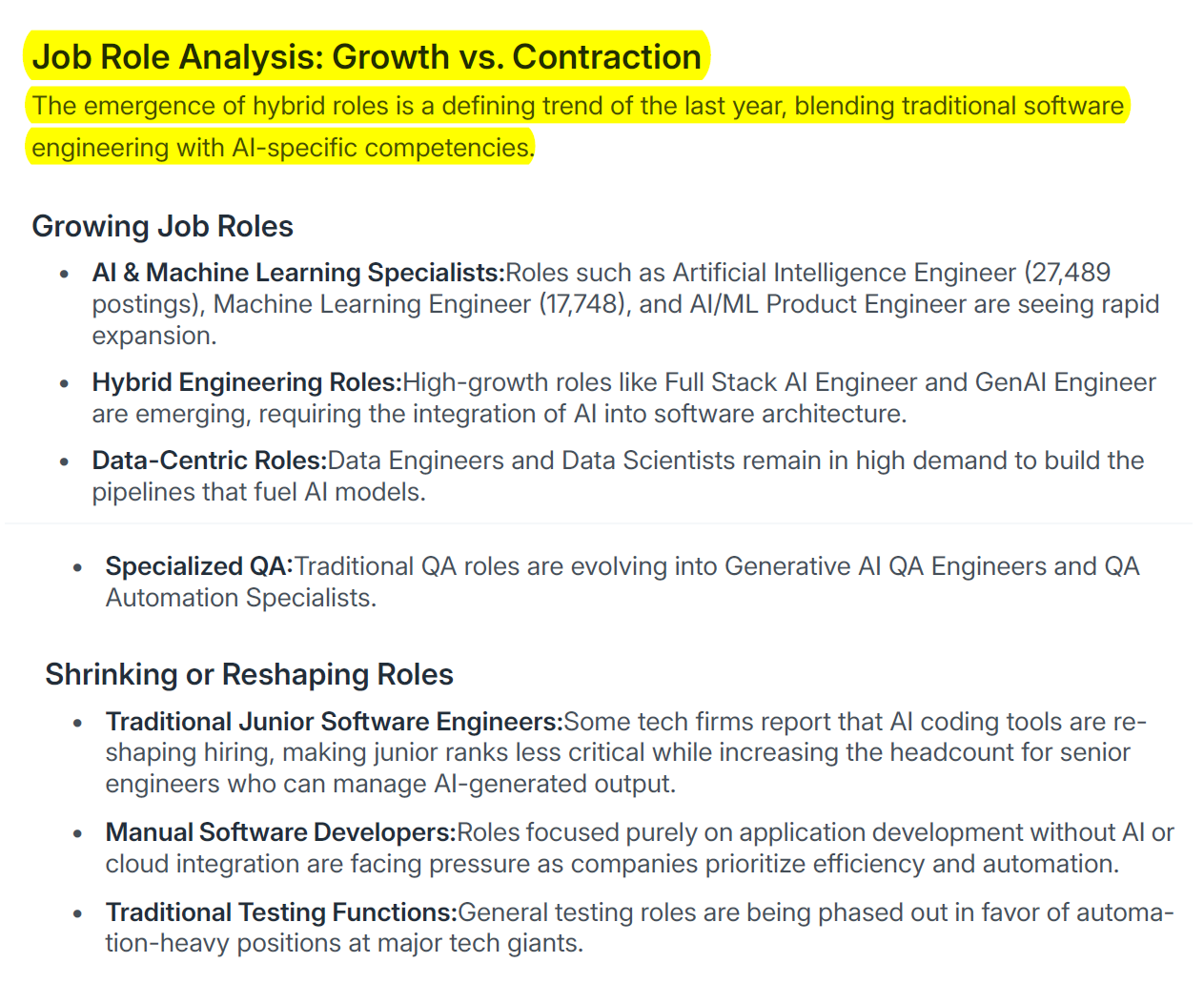
Contrary to some predictions, the demand for software engineers has not diminished with the rise of AI. Research from organizations like Lightcast and Draup, which analyze labor market data, indicates a steady or even increasing number of job postings in this domain. While some analyses, such as those from Anthropic, suggest that AI could automate a significant percentage of coding tasks, the practical application of AI in software development reveals a more complex picture.

AI’s ability to generate code rapidly is a powerful tool, but it does not negate the critical human elements of software engineering. Professionals in this field are increasingly tasked with higher-level responsibilities, including:
- Strategic Scoping and Business Process Understanding: AI can assist in generating code, but it requires human expertise to define the underlying business needs and translate them into functional software requirements.
- Technology Architecture Design: Designing robust and scalable technology architectures remains a human-centric endeavor, requiring strategic thinking and an understanding of complex systems.
- Refinement of Use Cases: AI can suggest solutions, but human engineers must refine and adapt them to specific use cases, ensuring alignment with user needs and business objectives.
- Creation of Test Beds and Quality Assurance: While AI can automate testing, the design of comprehensive test strategies and the interpretation of complex testing results still rely heavily on human intellect.
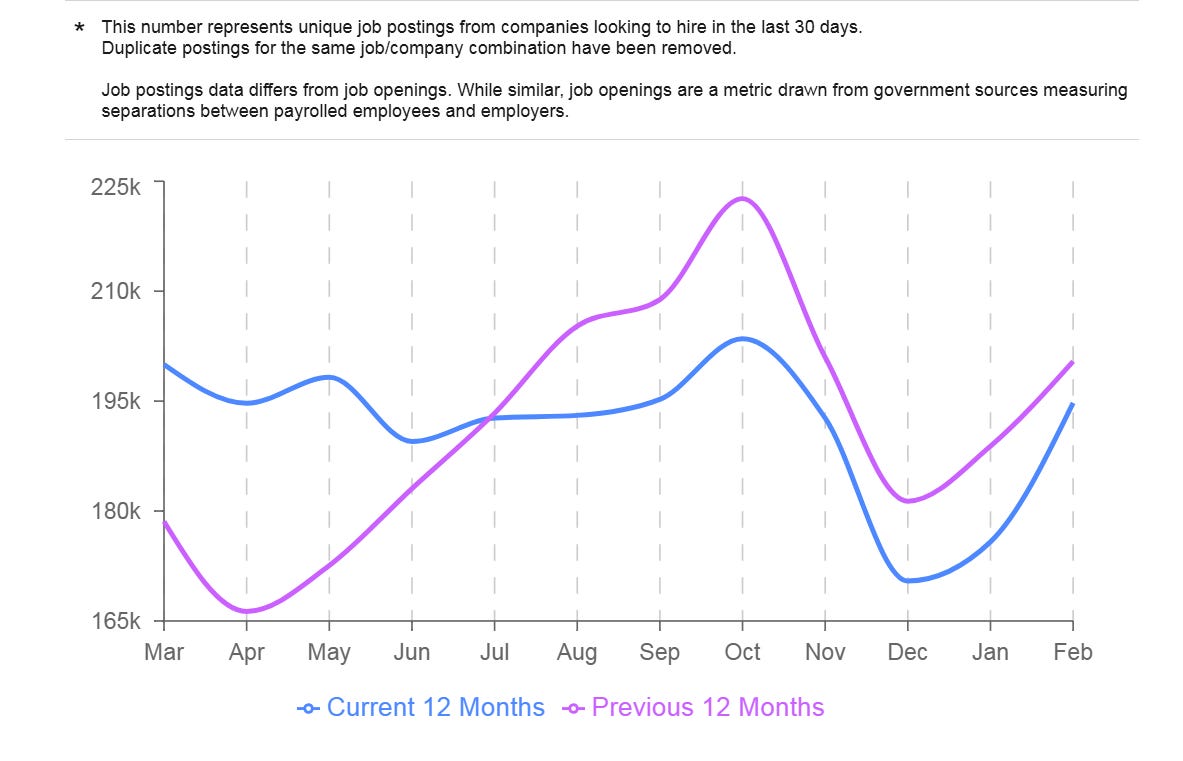
The data supports this observation. Global job postings for software engineering, design, and testing roles, as tracked by Lightcast, have shown remarkable resilience. While there might be shifts in the specific skills in demand, the overall volume of opportunities has not significantly declined. In fact, companies heavily involved in AI development, such as OpenAI, continue to post hundreds of openings for software engineers, indicating a robust and growing need for talent within this evolving field.
The Evolution of "Superjobs" in Tech
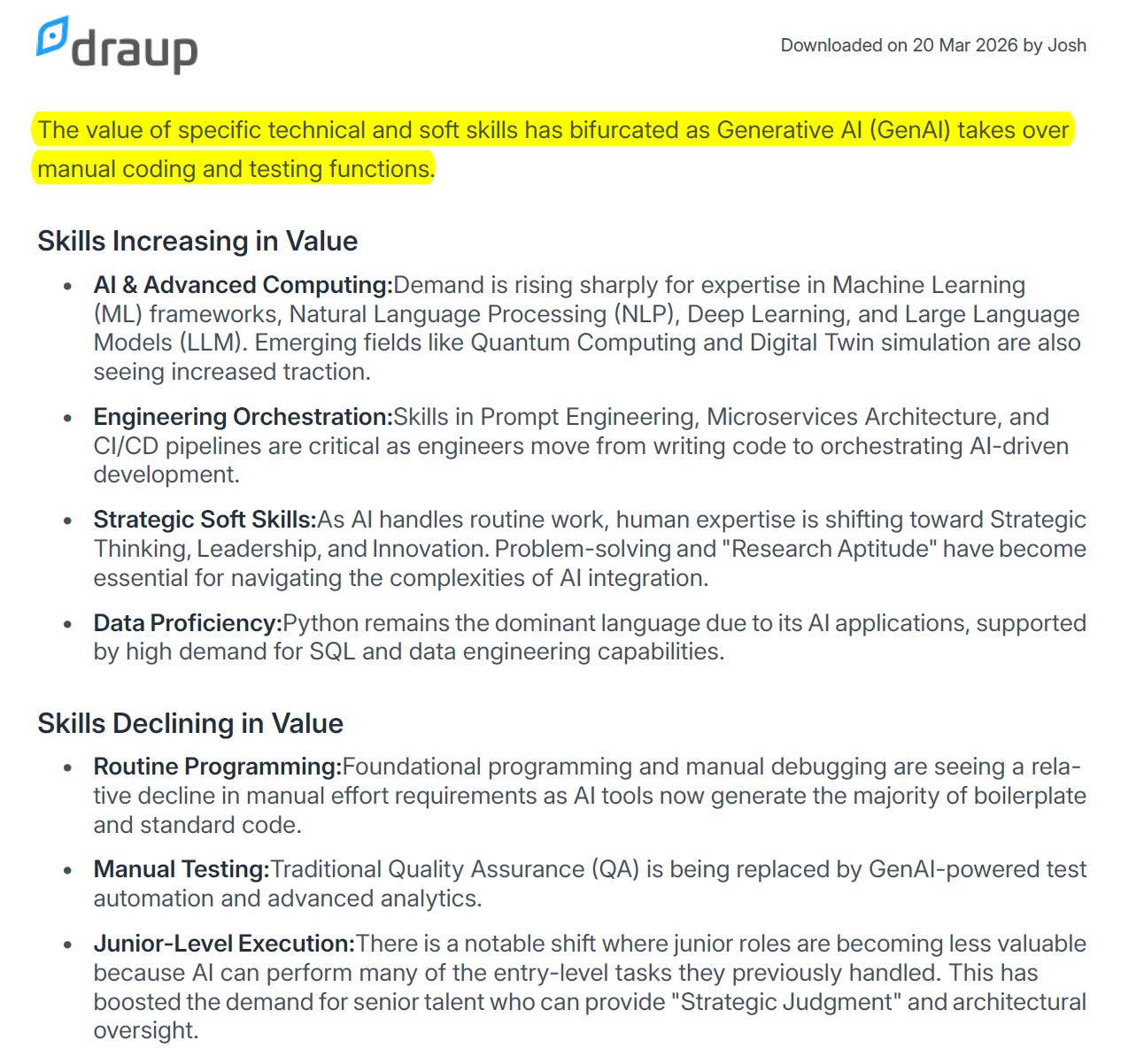
The transformation within software engineering is leading to the emergence of new, more sophisticated roles. "Full-stack AI engineer" and "GenAI engineer" are becoming increasingly common job titles, reflecting a blend of traditional software development skills with specialized knowledge in artificial intelligence. Similarly, "AI/ML product engineer" roles are on the rise, focusing on the application and integration of AI technologies into marketable products. These "Superjobs" often replace more generalized roles like basic coding, testing, and QA, which are more susceptible to automation.
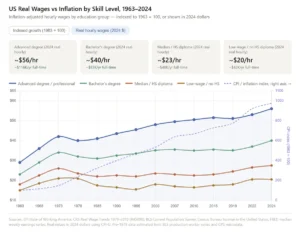
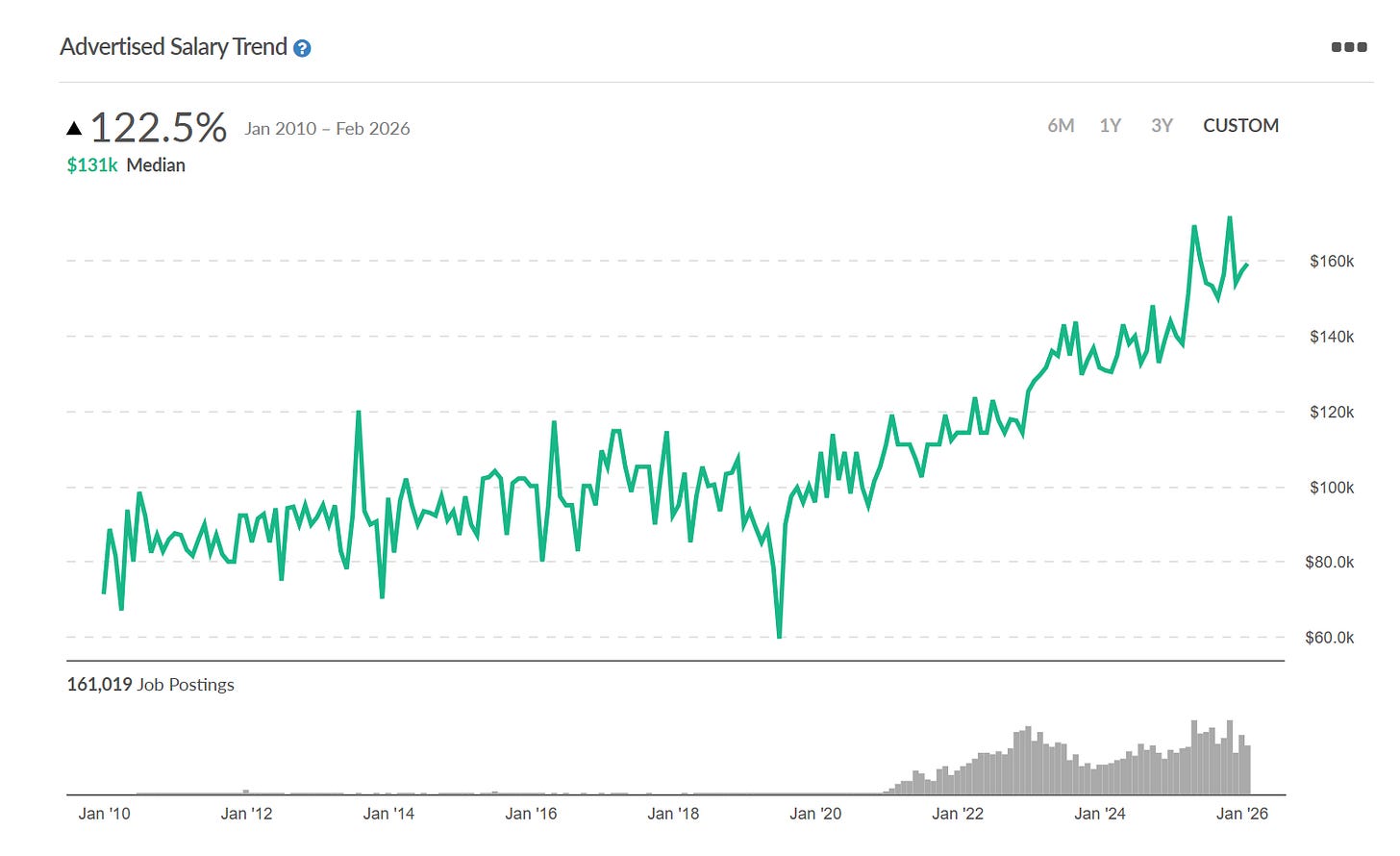
This evolution is also reflected in compensation. Data indicates that salaries for software engineers have seen substantial growth over the past 15 years, accelerating by over 15% in the last year alone. This upward trend suggests that the demand for skilled professionals who can leverage AI and adapt to new technological paradigms is driving higher earning potential, making these roles more financially rewarding.
Healthcare: AI as an Enhancer, Not a Replacer
The impact of AI is not confined to the tech industry; it is also profoundly reshaping sectors like healthcare. The role of X-ray technicians and diagnosticians, once predicted to be made obsolete by digital imaging and AI-powered analysis, serves as a powerful counterexample to the job elimination narrative.
Around a decade ago, with the advent of digital imaging, many economists anticipated that AI would automate the interpretation of medical scans, rendering human technicians redundant. The logic was that AI could be trained to identify anomalies, such as cancer or damage, with greater speed and accuracy than humans.
However, real-world outcomes have demonstrated a different trajectory. Data from sources like Lightcast reveals a significant year-over-year increase in job postings for imaging and medical diagnostics, with a notable 35% surge. This growth is attributed to several factors:
- Increased Demand and Accessibility: AI has made medical imaging more efficient and cost-effective. This has led to a broader application of diagnostic imaging, increasing the overall volume of scans performed.
- Shift in Technician Roles: The role of X-ray technicians has evolved from simply operating machinery and taking images to encompass a more comprehensive approach. Modern technicians are increasingly involved in patient care, data management, and the technical oversight of AI-driven diagnostic systems.
- Enhanced Patient Experience: The anecdote of a patient receiving a diagnosis while still in their car after an X-ray highlights the efficiency gains. This seamless process, facilitated by AI and a streamlined workflow, points to a more patient-centric approach where human professionals focus on service delivery and interpretation.
Salaries for healthcare professionals in diagnostic imaging have also seen steady growth, although perhaps not at the same explosive rate as in the tech sector. This indicates that the demand for these roles remains strong, with the nature of the work evolving to incorporate new technological tools and a greater emphasis on patient interaction and data interpretation.
The Nature of "Superworkers"
The overarching theme emerging from these examples is the creation of "Superworkers" and "Superjobs." This concept, explored by industry analysts, suggests that technology, rather than eliminating human labor, augments human capabilities, leading to more complex, engaging, and valuable roles.
The historical pattern of technological adoption supports this idea. Throughout centuries, innovations have consistently altered job descriptions and skill requirements without leading to sustained mass unemployment. The US unemployment rate, which has remained relatively stable for many years, serves as evidence of humanity’s inherent adaptability. The challenge for leaders, therefore, lies not in resisting technological change but in facilitating and guiding it.
Human beings possess inherent strengths that AI cannot replicate. Our capacity for learning, adaptation, and "value creation" – the instinct to improve and innovate – is deeply ingrained. This innate drive to solve problems, find solutions, and enhance outcomes is the engine of progress and the foundation of successful businesses.
The COVID-19 pandemic provided a stark illustration of human adaptability. Professionals across all sectors found innovative ways to overcome unprecedented challenges, demonstrating resilience and ingenuity. Similarly, individuals managing chronic conditions or disabilities often develop remarkable coping mechanisms and adaptive strategies. This inherent drive to adapt and improve is a fundamental aspect of human nature.

AI as a Catalyst for Innovation and Growth
Artificial intelligence is another powerful tool in this ongoing process of innovation. Just as advancements in areas like self-driving cars, biotechnology, and operational efficiency have transformed industries, AI offers new avenues for progress.
The argument presented here is that AI will not lead to widespread unemployment. Instead, it will liberate individuals from mundane and repetitive tasks, enabling them to focus on more complex, creative, and strategic endeavors. This shift will allow for:

- Thinking Bigger: Professionals can engage with more ambitious projects and conceptualize larger-scale solutions.
- Scaling Higher: AI can provide the tools and efficiencies to expand the reach and impact of businesses and individual contributions.
- Personal and Professional Growth: By offloading routine tasks, individuals can dedicate more time to developing their unique strengths, expanding their expertise, and advancing their careers.
This perspective suggests that AI is a catalyst for enhanced productivity, increased job satisfaction, and ultimately, a more dynamic and prosperous future of work. The focus shifts from job displacement to job evolution, where human ingenuity and AI capabilities combine to create unprecedented opportunities.
Understanding the Future of Work
To delve deeper into this evolving landscape, several resources offer valuable insights:

- Podcasts: Regular discussions on AI, its impact on jobs, and the emergence of "Superwork" can be found on dedicated industry podcasts. These often feature interviews with experts, case studies, and analyses of current trends.
- Conferences and Events: Industry conferences, such as "Irresistible 2026," provide platforms for leaders to connect, share insights, and discuss the strategic implications of AI and future work models.
- Research and Data Platforms: Comprehensive research reports, case studies, and data models are crucial for understanding the nuances of AI’s impact. Platforms that provide real-time updates on labor market trends, AI vendors, and emerging best practices are invaluable for professionals and organizations seeking to navigate this transition. Access to detailed research on "2026 AI Imperatives" and "Superworker studies" can offer a roadmap for adapting to the new work paradigm.
- Historical Context: Examining past technological shifts, such as the impact of the internet on the job market, provides valuable context for understanding current and future transformations. Articles reflecting on the evolving nature of work offer historical perspectives that can inform present-day strategies.
The narrative of AI as a job destroyer is being challenged by empirical evidence and a deeper understanding of human adaptability. As AI technologies mature and become more integrated into the workplace, the focus is shifting from the fear of obsolescence to the opportunity for augmentation, innovation, and the creation of more meaningful and rewarding careers. The future of work is not about humans versus machines, but about humans and machines collaborating to achieve new levels of productivity and human potential.