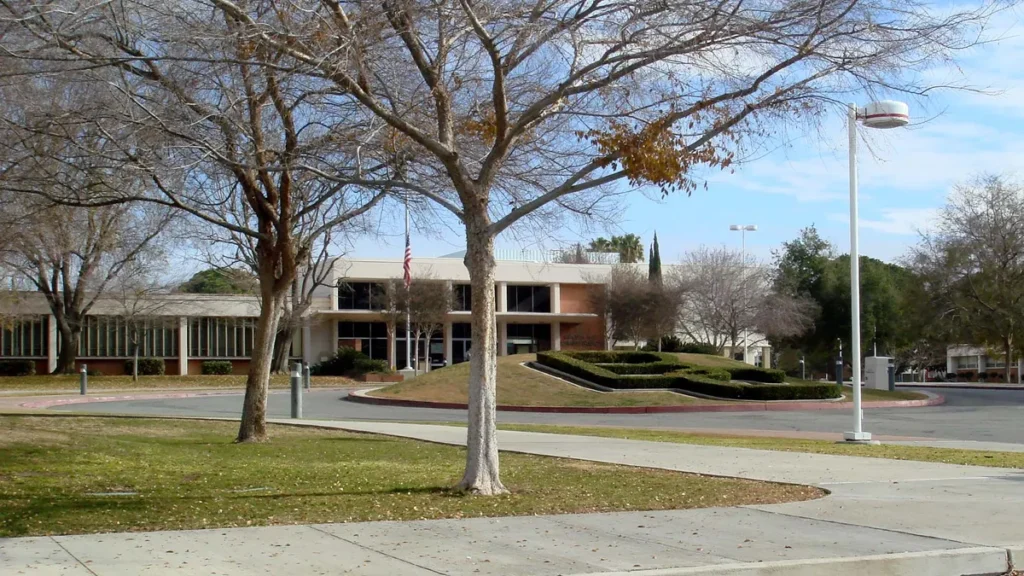
In a significant development echoing across the landscape of American higher education, Bakersfield College has reached a settlement with one of its professors, agreeing to permanently exempt him from mandates requiring the incorporation of diversity, equity, inclusion, and accessibility (DEIA) principles into his teaching and scholarship. The agreement, finalized and made public on July 14, 2026, also stipulated that the college would pay $150,000 to cover the professor’s legal fees, marking a notable victory for academic freedom advocates and those challenging the scope of DEIA policies in public institutions. This resolution solidifies a preliminary injunction issued earlier in February 2026 by U.S. District Judge Kirk Sherriff, transforming a temporary reprieve into a lasting protection for the individual faculty member involved.
The Genesis of the Dispute: California’s Ambitious DEIA Mandates
The origins of this legal battle trace back to 2023 when the California Community College (CCC) system, a vast network serving millions of students, adopted a comprehensive set of regulations aimed at embedding DEIA principles deeply within its academic and professional practices. These rules, intended to foster more inclusive and equitable learning environments, mandated that faculty members "employ teaching, learning, and professional practices that reflect DEIA and anti-racist principles." Furthermore, and crucially for the ensuing legal challenge, the regulations explicitly tied faculty evaluations to "DEIA-related competencies," implying a direct link between adherence to these principles and career progression or even continued employment.
Proponents of these mandates argued that they were essential for addressing historical injustices, promoting cultural competence, and ensuring that all students, particularly those from underrepresented backgrounds, feel supported and have equal opportunities to succeed. They posited that a curriculum and pedagogy informed by DEIA could better prepare students for an increasingly diverse workforce and global society. The CCC system, serving a highly diverse student population, saw these guidelines as a progressive step towards fulfilling its mission of equitable access and success for all Californians. The intention was to move beyond mere tolerance to active engagement with issues of systemic inequity, ensuring that educational practices actively dismantle barriers rather than inadvertently reinforcing them.
However, almost immediately upon their adoption, these extensive requirements sparked considerable debate and resistance, particularly among faculty members who viewed them as infringements on academic freedom and individual conscience. The heart of the contention lay in the perceived shift from encouraging inclusive practices to mandating specific ideological frameworks, with compliance tied directly to professional assessment.
A Professor’s Stand: First Amendment Challenge to Compelled Speech
The unnamed Bakersfield College professor, swiftly moving to challenge the new directives, filed a lawsuit alleging that the mandatory DEIA requirements violated his First Amendment rights. His central argument was that by compelling him to integrate specific DEIA and anti-racist principles into his teaching and scholarship, the college system was effectively forcing him to express viewpoints he might not agree with, thereby engaging in unconstitutional compelled speech. This argument resonated with broader legal doctrines that protect individuals from being coerced by the government to endorse particular ideologies, even those deemed socially beneficial.
The professor was represented by the Institute for Free Speech (IFS), a non-profit legal organization dedicated to protecting First Amendment rights. The IFS, known for its robust defense of free expression, framed the California DEIA regulations as "state-imposed wokeism," a term indicative of the ideological objections many critics harbor against such mandates. Alan Gura, the nonprofit’s vice president for litigation and lead counsel for the professor, characterized the case as a "straightforward First Amendment violation," emphasizing the principle that government entities, including public colleges, cannot dictate the ideological content of faculty members’ speech or thought.
The lawsuit highlighted a fundamental tension in contemporary higher education: the balance between an institution’s desire to foster a diverse and inclusive environment and the constitutional protections afforded to individual faculty members, particularly concerning academic freedom and freedom of speech. Academic freedom, a cornerstone of higher education, typically protects professors’ ability to teach and research without undue institutional interference, allowing for the exploration of diverse viewpoints, even controversial ones. The professor’s case argued that the DEIA mandates crossed a line, moving from promoting values to prescribing specific ideological content, thereby undermining this freedom.
Chronology of Legal Action and a Pivotal Injunction
The legal proceedings unfolded rapidly following the adoption of the CCC system’s DEIA rules in 2023. The professor’s lawsuit was filed shortly thereafter, seeking to enjoin the college from enforcing these requirements against him. The case quickly gained attention as a test of the constitutional limits of DEIA mandates in public higher education.
A critical turning point arrived in February 2026 when U.S. District Judge Kirk Sherriff granted a preliminary injunction against Bakersfield College. This judicial order temporarily barred the college from requiring the professor to adhere to the DEIA mandates while the lawsuit proceeded. Such an injunction typically indicates that the court believes the plaintiff has a strong likelihood of succeeding on the merits of their claim and that irreparable harm would occur if the injunction were not granted. In this instance, the judge’s decision underscored the serious constitutional questions raised by the professor’s First Amendment arguments. The preliminary injunction served as a significant early victory for the professor and the Institute for Free Speech, signaling that the courts were taking the compelled speech claim seriously. It also put pressure on Bakersfield College to re-evaluate its position and potential exposure to further litigation and adverse rulings.

The settlement, announced in July 2026, essentially converted this temporary injunction into a permanent exemption for the Bakersfield College professor. While the terms of the settlement apply specifically to this individual professor and do not broadly prohibit California’s community colleges from enforcing DEIA rules against other instructors, it sets a powerful precedent and provides a legal blueprint for similar challenges. The payment of $150,000 for legal fees further underscores the strength of the professor’s legal position and the college’s assessment of its chances should the case have proceeded to trial.
Voices from the Case and Ideological Underpinnings
Alan Gura, representing the professor, articulated the core principle at stake, stating, "California cannot demand that community college professors conform their speech to an official government ideology — including so-called ‘DEI’ and anti-racist ideologies." He further elaborated on the professor’s perseverance: "[The professor] spent years fighting for the First Amendment right that every American professor should take for granted: the right to teach honestly, think freely, and speak his mind without being forced to endorse a government-approved belief system." These statements highlight the deeply held belief among critics that DEIA mandates, when prescriptive, veer into ideological conformity rather than genuine intellectual inquiry or open discourse.
While Bakersfield College or the California Community College system did not issue extensive public statements on the settlement beyond confirming the agreement, their decision to settle and pay legal fees speaks volumes. It suggests an acknowledgment of the legal risks associated with defending the compelled speech aspect of their DEIA policies in court, particularly in light of the preliminary injunction. Institutions facing similar challenges often choose to settle to avoid prolonged, costly litigation and the potential for a broader, adverse legal precedent that could affect all their faculty.
The professor’s engagement with these issues is not isolated. He leads a Bakersfield faculty group called The Renegade Institute for Liberty, which was also alleged in his lawsuit to have been "villainized" by college administrators. This organization is dedicated to free speech and aims to advance "American ideals within the broader Western tradition of meritocracy, individual agency, civic virtue, liberty of conscience, and free markets." The existence and philosophy of The Renegade Institute for Liberty underscore the ideological fault lines within academia regarding DEIA. Critics often argue that DEIA initiatives, in their most rigid forms, can undermine principles of meritocracy and individual agency, or foster a culture of ideological conformity that stifles dissenting viewpoints. This group’s focus on "liberty of conscience" directly ties into the First Amendment claims central to the professor’s lawsuit, framing the issue as a defense of fundamental individual freedoms against institutional pressures.
Broader Context: The National Landscape of DEI Debates
This settlement at Bakersfield College does not occur in a vacuum but is part of a larger, escalating national debate over the role and implementation of DEIA policies in higher education and public institutions. Across the United States, DEIA initiatives have become a flashpoint in the culture wars, attracting both fervent support and vocal opposition.

On one side, proponents argue that DEIA is crucial for rectifying historical inequities, fostering a sense of belonging for marginalized groups, and preparing students for a diverse world. They point to research demonstrating the benefits of diversity for innovation, critical thinking, and social cohesion. Many universities have invested heavily in DEIA offices, training programs, and curriculum reforms, seeing them as integral to their mission and values.
On the other side, critics raise concerns about "wokeness," ideological indoctrination, and the potential for DEIA programs to foster division rather than unity. They argue that some DEIA frameworks promote concepts like "critical race theory" or "systemic oppression" in ways that are divisive, illiberal, or even discriminatory against certain groups. Legislatures in several states have enacted laws restricting or outright banning DEIA initiatives in public universities, citing concerns about free speech, merit, and ideological conformity. States like Florida, Texas, and Alabama have passed significant legislation curtailing DEI offices and mandatory training, signaling a broader political movement against these programs. Legal challenges, similar to the one at Bakersfield College, are also emerging in various jurisdictions, often centered on First Amendment claims of compelled speech or viewpoint discrimination. This growing legal and legislative scrutiny indicates a significant pushback against the expansion and mandatory nature of some DEIA policies.
Implications for Higher Education and Academic Freedom
The Bakersfield College settlement carries significant implications for higher education, particularly regarding the implementation of DEIA policies and the protection of academic freedom.
Firstly, it provides a clear legal precedent, albeit for a single individual, that mandatory DEIA principles tied to faculty evaluations can be vulnerable to First Amendment challenges, particularly on grounds of compelled speech. While the settlement doesn’t dismantle the CCC system’s DEIA rules entirely, it will likely prompt other institutions to review the compulsory aspects of their own DEIA mandates, especially those directly linked to faculty performance and evaluation. Colleges may seek to recalibrate their approaches, moving from prescriptive requirements to more voluntary or incentivized forms of DEIA engagement, or focusing on less ideologically charged aspects of inclusion.
Secondly, the case reinforces the importance of academic freedom as a robust defense against institutional pressures for ideological conformity. It underscores the idea that professors, particularly in public institutions, retain significant constitutional protections for their speech and scholarship, even when it diverges from institutional priorities or prevailing social ideologies. This could empower other faculty members who feel their academic freedom is being curtailed by similar mandates to pursue legal avenues.
Thirdly, the financial aspect of the settlement — $150,000 for legal fees — highlights the substantial costs institutions can incur when defending such policies in court. This financial incentive for colleges to avoid litigation may lead to more settlements or proactive adjustments to DEIA policies to mitigate legal risks.
Finally, this case contributes to the ongoing national conversation about the appropriate scope and implementation of DEIA in higher education. It forces a critical examination of how institutions can genuinely promote diversity and inclusion without infringing on fundamental rights like freedom of speech and academic inquiry. The debate is likely to intensify, with a greater emphasis on finding a balance that respects both the imperative for inclusive environments and the constitutional protections afforded to individual faculty members. This includes exploring alternative models for promoting diversity that are less prescriptive and more focused on open dialogue, critical thinking, and voluntary engagement.
The Bakersfield College settlement is a powerful reminder that while institutions strive to create welcoming and equitable spaces, they must navigate a complex legal and constitutional landscape that prioritizes individual liberties. As the national conversation around DEIA continues to evolve, this case will undoubtedly serve as a crucial reference point for policymakers, university administrators, and faculty members alike.