The Barbican Centre has initiated an international design competition to conceive a groundbreaking furniture strategy for its iconic public spaces, a pivotal element within its ambitious £231 million renewal programme. This significant commission, slated to run from 2026 to 2029, will see a chosen designer or team tasked with creating a bespoke collection of up to 500 pieces of furniture. The initiative aims to enhance the visitor experience, ensure greater accessibility and flexibility, and champion sustainability within the Grade II-listed arts centre, a landmark of Brutalist architecture.
A New Era for Barbican Public Spaces
The Barbican Centre, a cultural beacon in the heart of London, is embarking on a comprehensive transformation designed to preserve its architectural heritage while modernizing its facilities for the 21st century. A core component of this extensive renewal is the reimagining of its public spaces, a crucial undertaking that directly impacts the daily experience of its millions of visitors. The current furniture strategy, which has evolved significantly since the centre’s opening in 1982, is being re-evaluated to meet contemporary needs and aspirations.
The international search for a design partner underscores the Barbican’s commitment to securing world-class expertise. The competition is explicitly open to designers and teams irrespective of their geographical location, signaling a global ambition for this transformative project. Proposals are to be submitted by 28 August, with a shortlist expected to be announced in September. The final appointment of the successful designer or team is anticipated by November, marking a significant step towards realizing the vision for revitalized public areas.
The scope of the furniture commission is substantial. It encompasses the creation of a bespoke range of up to 500 individual pieces, designed to integrate seamlessly with the Barbican’s unique architectural character. Simultaneously, the project will explore opportunities for the intelligent reuse of existing furniture, promoting a circular economy approach, and identify suitable off-the-shelf products that align with the project’s overarching design principles. This dual focus on bespoke creation and considered integration of existing and new elements reflects a sophisticated approach to resource management and design.
Design Brief: Functionality, Aesthetics, and Inclusivity
The envisioned furniture collection will serve a multitude of purposes across the Barbican’s diverse public domains. Potential items include armchairs, sofas, coffee tables, bar stools, communal benches designed with integrated parasols for outdoor comfort, and stackable chairs suitable for larger events and adaptable configurations. The brief places paramount importance on three key pillars: accessibility, flexibility, and sustainability.
Accessibility is not merely about compliance; it is about ensuring that every visitor, regardless of age, ability, or background, feels welcomed and comfortable. This translates to furniture that is easy to navigate, use, and interact with, accommodating a wide spectrum of physical needs. Flexibility speaks to the dynamic nature of the Barbican’s programming and its diverse visitor demographic. Furniture must be capable of being reconfigured to support different types of events, exhibitions, and informal gatherings, facilitating a fluid and responsive environment. Sustainability is a critical consideration, demanding materials that are responsibly sourced, durable, and ideally recyclable or biodegradable at the end of their life cycle. This aligns with the Barbican’s broader commitment to environmental stewardship.
The design brief will extend to specific areas within the centre, including the popular Lakeside, the Sculpture Court, and the Learning Spaces. Furthermore, it will inform the design of the redesigned foyers, which are currently being developed by the acclaimed architectural practices Allies and Morrison and Asif Khan Studio. The collaborative effort between these distinct design disciplines promises a cohesive and integrated vision for the entire public realm of the Barbican.
A Legacy of Design and Evolving Visitor Needs
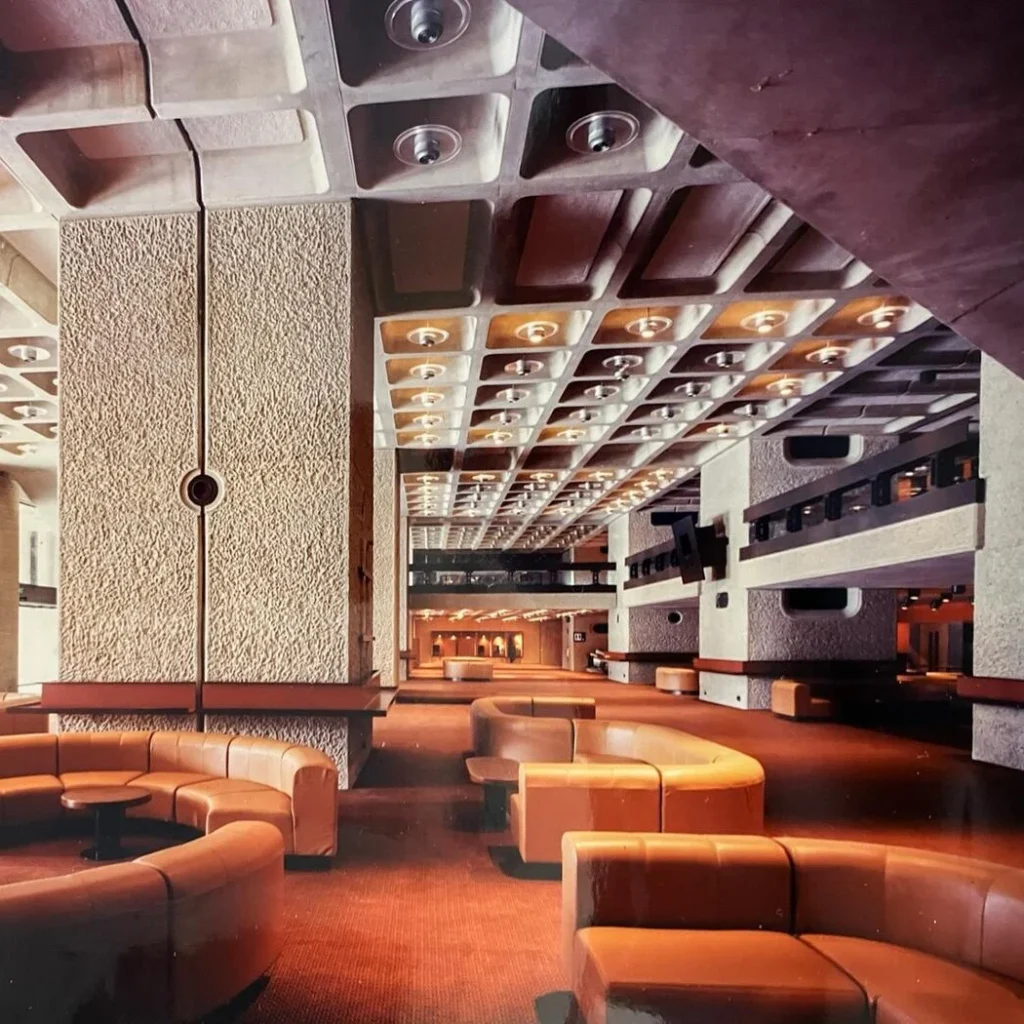
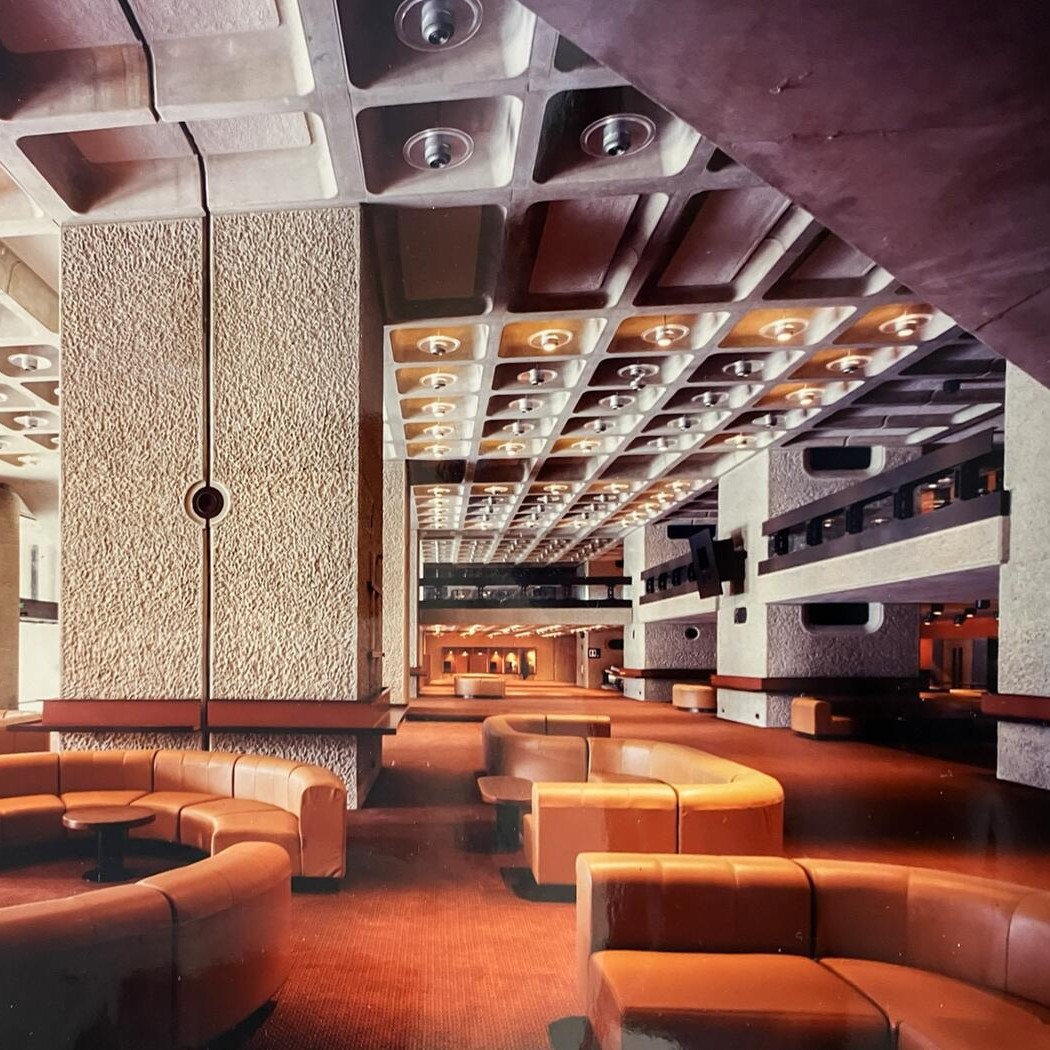
Furniture has been an intrinsic part of the Barbican’s identity since its inception. Upon its opening in 1982, the centre was furnished with bespoke pieces designed by the renowned industrial designer Robin Day. His work included a distinctive range of seating, sofas, chairs, and tables, all conceived to complement the building’s groundbreaking architecture. While much of this original furniture has been updated or replaced over the decades, its legacy continues to influence the centre’s design philosophy.
Recent audience feedback, coupled with dedicated inclusive design initiatives and co-design sessions with visitors, has underscored a clear imperative for furniture that is not only aesthetically pleasing but also more welcoming, cohesive, and adaptable. Visitors have articulated a need for spaces that feel more intuitive and comfortable, capable of accommodating the wide array of activities that unfold within the Barbican daily. This user-centric approach is a cornerstone of the renewal programme, ensuring that the physical environment actively enhances the cultural experience.
Philippa Simpson, Chief Operating Officer at the Barbican Centre, articulated the significance of this undertaking. “Furniture has always helped shape how people experienced the building,” she stated. “We’re looking for a designer or design team to create objects of quality and comfort, that respond to the Barbican’s extraordinary architecture and artistic purpose. We want these new designs to accommodate the remarkable range of activities that take place in our spaces, ensuring every single visitor knows they are welcome.” This statement highlights the dual objective of functional excellence and emotional resonance in the new furniture.
Alex Watt, an architect at Asif Khan Studio, shared his perspective on the commission, noting that it presents a valuable opportunity. “The commission offers an opportunity to extend the design thinking being applied to the centre’s foyers, while retaining the character of the original architecture,” Watt commented. This sentiment suggests a desire for a design approach that respects the Barbican’s historical integrity while pushing contemporary boundaries.
The Broader Context: The Barbican Renewal Programme
The furniture project is an integral component of the overarching Barbican Renewal programme, a substantial investment aimed at safeguarding and enhancing this architectural masterpiece for future generations. The programme’s objectives are multifaceted: to conserve and upgrade the building in preparation for its 50th anniversary, to significantly improve its accessibility for all, to bolster its sustainability credentials, and to ensure its suitability for evolving future uses.
The Barbican Centre is not just a venue; it is a dynamic hub of artistic expression and community engagement. It attracts over 30,000 visitors on an average day, a testament to its enduring appeal and its vital role in London’s cultural landscape. The scale of visitor numbers underscores the importance of well-designed, functional, and inviting public spaces.
Supporting Data and Context
- Renewal Programme Budget: £231 million. This significant investment reflects the scale and ambition of the Barbican’s commitment to its future.
- Furniture Commission Scope: Up to 500 bespoke pieces, plus integration of existing and off-the-shelf items. This indicates a substantial need for new furniture across numerous public areas.
- Timeline:
- Proposal Deadline: 28 August
- Shortlist Announcement: September
- Designer Appointment: November
- Project Duration: 2026-2029
- Visitor Numbers: Over 30,000 daily visitors on average. This highlights the critical need for durable, comfortable, and accessible furniture.
- Architectural Significance: The Barbican Centre is a Grade II-listed building, requiring any new design interventions to be sensitive to its historical and architectural context.
- Original Designer: Robin Day, whose bespoke furniture was a hallmark of the centre’s initial design.
Analysis and Implications
The Barbican’s decision to embark on such a comprehensive furniture strategy signifies a proactive approach to maintaining its status as a world-class cultural institution. By investing in the quality and functionality of its public spaces, the centre aims to:
- Enhance Visitor Experience: Comfortable and thoughtfully designed furniture can transform a visitor’s journey, making their time at the Barbican more enjoyable and memorable. This can lead to increased dwell time, repeat visits, and positive word-of-mouth.
- Strengthen Brand Identity: Furniture is a tangible representation of a brand’s values and aesthetic. A well-executed furniture strategy can reinforce the Barbican’s reputation for quality, innovation, and artistic excellence.
- Improve Operational Efficiency: Flexible and adaptable furniture can streamline the management of events and daily operations, reducing setup times and costs.
- Promote Inclusivity: A primary focus on accessibility ensures that the Barbican remains a welcoming space for everyone, fostering a more diverse and engaged audience.
- Drive Sustainability: The emphasis on reusing existing furniture and selecting sustainable materials aligns with global environmental goals and demonstrates corporate responsibility.
The international nature of the competition suggests a desire to tap into a global pool of design talent, potentially leading to innovative and unexpected solutions that reflect the Barbican’s international programming and audience. The success of this initiative will not only redefine the physical experience of the Barbican but also set a benchmark for how cultural institutions can thoughtfully integrate design into their renewal strategies. The chosen furniture will undoubtedly become an iconic element of the Barbican’s evolving narrative, mirroring the enduring impact of Robin Day’s original contributions. The project represents a significant investment in the user experience, aiming to ensure that the Barbican continues to inspire and accommodate its diverse visitors for decades to come. The careful consideration of user feedback and inclusive design principles suggests a future where the Barbican’s public spaces are as renowned for their user-friendliness and comfort as they are for their architectural grandeur.