Each year, a quarter of a million service members transition out of the United States military, joining a robust community of over two million veterans in the nation’s workforce. These individuals bring with them an invaluable array of skills, leadership qualities, and an unparalleled work ethic. However, despite a widespread desire among employers to hire veterans, a significant communication gap often impedes successful recruitment: the specialized language of military job codes. This linguistic barrier, coupled with a lack of tailored recruitment infrastructure, has historically made it challenging for veterans to connect with suitable civilian opportunities and for companies to effectively tap into this rich talent pool. Recent advancements in artificial intelligence (AI) and the adoption of more nuanced recruitment strategies are now poised to transform this landscape, creating a more seamless transition for veterans and unlocking significant benefits for civilian employers.
The Enduring Challenge: Decoding Military Experience
The U.S. military employs a sophisticated system of occupational classification codes, distinct from civilian job titles. These codes, such as Military Occupational Specialties (MOS) for the Army, Air Force Specialty Codes (AFSC) for the Air Force, Navy Enlisted Classifications (NEC) for the Navy, and various other designations for the Marine Corps and Coast Guard, succinctly describe a service member’s role, training, and responsibilities. While essential for internal military operations, these codes, typically 2 to 6 characters long (e.g., "42B" for Human Resources Officer, "92Y" for Unit Supply Specialist, "26B" for Information Systems Engineer), bear little resemblance to standard civilian job titles.
This disparity creates a fundamental problem: a veteran searching for an HR role might instinctively type "42B jobs" into a search engine, while a civilian company’s career site is optimized for terms like "Human Resources Manager" or "Talent Acquisition Specialist." The result is often a "no results found" message on corporate career portals, even when highly relevant positions are available, leading to frustration for veterans and missed opportunities for employers. This linguistic disconnect is a primary reason why, despite strong national support for veteran employment, the transition process remains a significant hurdle for many. According to a 2022 survey by the U.S. Chamber of Commerce Foundation, only 27% of veterans felt their military skills were directly transferable to civilian jobs without significant effort, highlighting the need for better translation tools and recruitment approaches.
The Evolution of Recruitment Support for Veterans
The recognition of this challenge has driven a gradual evolution in recruitment practices. Initially, efforts were largely manual, involving veteran outreach programs and human-led resume translation services. Over time, major job boards, driven by market demand and a commitment to inclusivity, began to integrate support for military job codes. Leading platforms such as Indeed, LinkedIn, Glassdoor, Monster, and ZipRecruiter now often allow users to search using military codes, effectively translating them into civilian equivalents and presenting relevant job postings. For instance, a search for "42B" on these platforms might yield a comprehensive list of senior HR job postings, demonstrating their commitment to bridging this gap. This capability has provided a crucial initial pathway for many transitioning service members.
However, the "bad news" for many organizations is that their proprietary career sites, often powered by Applicant Tracking Systems (ATS), have lagged in adopting this functionality. Most ATS platforms were not originally designed with military occupational codes in mind, and the integration required to support such specialized searches is complex. Consequently, a veteran searching directly on a company’s career page for "42B" is highly likely to encounter zero or irrelevant results, undermining the company’s veteran-friendly image and deterring potential candidates. This creates a disconnect between a company’s stated commitment to veteran hiring and its actual technical capability to facilitate it.
The AI Breakthrough: Google Cloud Talent Solutions
A significant technological leap in addressing this challenge comes from Google’s Cloud Talent Solutions, which now incorporates advanced AI Job Search technology with native support for military job codes. This AI-powered solution acts as a sophisticated translator, understanding the intent behind military codes and mapping them to appropriate civilian job descriptions and titles. This means that when a veteran enters an MOS code into a search bar powered by Google’s AI, the system can intelligently retrieve relevant civilian job openings, even if the job descriptions themselves don’t explicitly contain the military code.
Companies that have adopted this technology are already seeing tangible results. For example:
- On FedEx’s career site, a search for "42B" (Human Resource Officer) now generates relevant HR-related positions.
- BAE Systems’ career portal, when queried with "92Y" (Unit Supply Specialist), returns numerous supply chain management and logistics roles.
- Johnson & Johnson’s site, upon receiving "66B" (Community Health Nurse), successfully surfaces relevant nursing and healthcare positions.
- Westrock’s career site for "42B" (Human Resources) displays appropriate HR job listings.
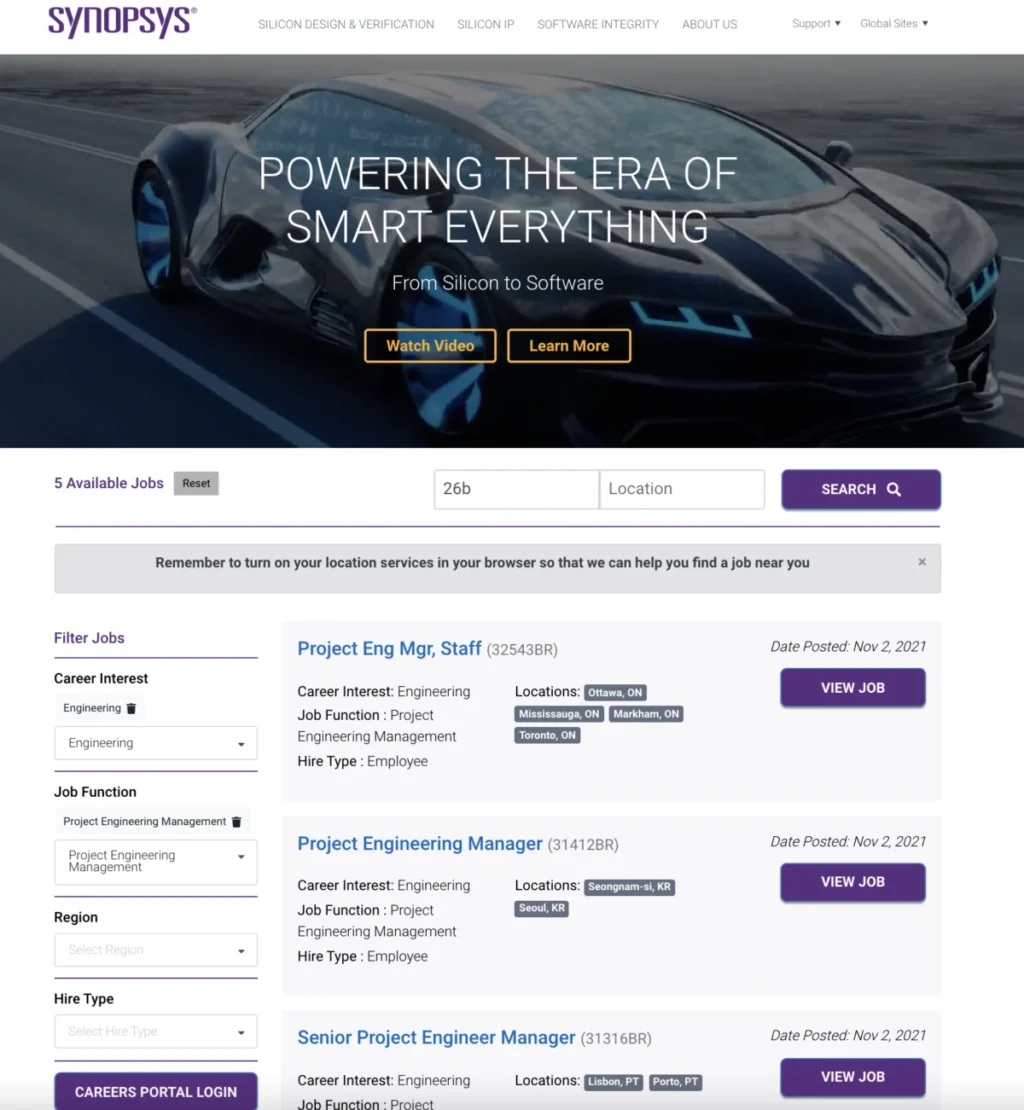
- Synopsys, searching for "26B" (Information Systems Engineer), yields multiple relevant IT and engineering roles.
- Anixter and Peak6’s career sites show that a search for "25a" (Signal Officer/Operations) effectively identifies operations and technical leadership roles that align with that military background.
Caitlin Perez, Talent Programs Manager at Synopsys, affirmed the impact of such integration: "We were really excited when we learned that Ongig’s AI job search extends to and supports Veterans. Synopsys is focused and committed to recruiting Veterans and this functionality supports our commitment and is a step in the right direction for us and our job seekers." This sentiment reflects a growing industry recognition of the strategic advantage provided by AI in veteran recruitment.
Implementing AI-Powered Veteran Search on Career Sites
Companies looking to integrate this advanced AI search capability into their own career sites have several viable pathways:
-
Custom Development with Google Cloud Talent Solutions: Organizations with internal development resources can engage directly with Google Cloud Talent Solutions. This approach involves hiring a custom developer to build and integrate the AI search functionality into the existing career site architecture, working with the company’s ATS APIs. While offering maximum customization, it requires ongoing development and maintenance, and companies incur a subscription fee per query from Google. This path is suitable for large enterprises with specific, complex integration needs.
-
Career Site Builder Software Solutions: Google has partnered with several technology providers that offer comprehensive career site builder software solutions incorporating AI-powered search, including veteran job code translation. Companies like iCIMS (which acquired Jibe) and Ongig are examples of partners that provide these integrated platforms. These solutions offer a more turnkey approach, encompassing full career site development with embedded AI search capabilities. This option typically ranges from $10,000 to $150,000 annually, depending on the scope and features, providing a robust, managed solution for enhancing the entire candidate experience.
-
AI Job Search Embed (Ongig’s Solution): For organizations seeking to implement veteran job search without a full career site overhaul, solutions like Ongig’s AI Job Search Embed offer a streamlined approach. This involves embedding a few lines of code into the existing career site, which deploys a Google AI Job Search box. This search box then queries jobs from the company’s ATS, and upon clicking results, candidates are directed to the company’s standard job posting pages. This method is highly compatible with any ATS, minimizing disruption to existing talent acquisition pipelines and providing a quick, efficient way to boost veteran candidate engagement with nearly zero downtime.
Beyond Technology: Comprehensive Strategies for Veteran Attraction
While AI-powered search is a critical enabler, a holistic approach to veteran recruitment extends beyond technical solutions. Companies must also implement human-centric strategies to truly attract, engage, and retain veteran talent.
-
Write Veteran-Friendly Job Descriptions: Tailoring job advertisements is paramount. This involves translating military skills and experiences into civilian terms, using inclusive language, and highlighting attributes common among veterans such as leadership, discipline, problem-solving, and teamwork. An example might transform "Managed logistics for a combat unit" into "Oversaw complex supply chain operations, ensuring timely delivery under high-pressure conditions." Such descriptions not only make it easier for ex-military personnel to identify suitable roles but also clearly signal the employer’s commitment to veteran inclusion. Tips include avoiding jargon, focusing on transferable skills, providing clear examples, and showcasing a veteran-friendly EEO statement.
-
Utilize Veteran Job Boards: Beyond general job aggregators, integrating listings from specialized veteran job boards significantly expands reach. Platforms like Military.com, RecruitMilitary, VetJobs, and the Department of Veterans Affairs’ job portal are frequented by transitioning service members. Companies should actively post and manage their listings on these sites, and ideally, integrate these listings into their own career sites to create a centralized veteran-friendly hub.
-
Create Veteran-Specific Content and Resources: A dedicated section on the career site or blog that offers resources for veterans can be invaluable. This might include articles on translating military resumes, interview preparation tips for civilian roles, testimonials from veteran employees, or guides on navigating civilian workplace culture. Such content positions the company as a supportive and trusted resource, fostering goodwill and attracting candidates who feel understood and valued.
-
Organize Virtual Career Fairs and Job Events: Hosting or participating in virtual career fairs specifically for veterans allows direct, real-time engagement. These events provide opportunities for veterans to network with recruiters and hiring managers, ask questions, and learn about company culture in an accessible format. Companies can use these events to highlight their veteran programs and create immediate connections.
-
Build Veteran Hiring Programs: Structured programs designed to ease the transition from military to civilian employment are highly effective. This includes:
- Apprenticeships and Internships: Offering hands-on training and skill development in a civilian context.
- Fellowships: Programs aimed at enhancing specialized skills and leadership abilities.
- Mentorship Programs: Pairing veterans with experienced civilian employees to provide guidance and support during their onboarding and career development. These programs not only provide valuable skills but also demonstrate a profound commitment to investing in veteran talent.
-
Map Veteran Skills to the Civilian Workforce: Implementing a military-to-civilian skills mapping feature on a career site can empower veterans to understand how their competencies align with corporate requirements. Such tools can translate military roles and training into civilian skill sets, helping applicants confidently identify the best job fit without relying solely on MOS codes or struggling with unfamiliar civilian job titles and industry jargon. This proactive translation reduces friction in the application process.
-
Foster Engagement with Veteran-to-Civilian Success Stories: Social proof is a powerful motivator. Featuring candid video testimonials and written profiles of current employees who are veterans and have successfully transitioned into civilian roles within the company can significantly boost site traffic and engagement. These authentic narratives resonate with transitioning service members, offering reassurance and demonstrating a positive, supportive work environment. Highlighting the career progression and personal growth of these employees can inspire others to apply.
Broader Impact and Implications
The concerted effort to improve veteran recruitment, combining technological innovation with comprehensive human resources strategies, has far-reaching implications. For businesses, actively recruiting veterans offers access to a talent pool renowned for discipline, leadership, teamwork, adaptability, and problem-solving under pressure—qualities highly desirable in any competitive market. Veterans also bring diverse perspectives and experiences, contributing to a richer, more inclusive workplace culture. A 2023 study by the Society for Human Resource Management (SHRM) indicated that companies with strong veteran hiring initiatives often report higher employee retention rates and improved team performance.
From a national perspective, facilitating successful civilian employment for veterans is not just a matter of corporate responsibility but also economic imperative. It supports the reintegration of service members into society, strengthens the national workforce, and ensures that the significant investment in military training translates into productive civilian careers. Organizations like the Department of Labor’s Veterans’ Employment and Training Service (VETS) continue to advocate for and support programs that bridge this gap, underscoring the importance of these initiatives.
The shift towards AI-powered, veteran-centric recruitment represents a pivotal moment. By dismantling the linguistic barriers and providing robust support systems, companies can move beyond mere intent to genuinely welcome and integrate the extraordinary talent of America’s veterans, fostering mutual growth and success. The future of veteran recruitment is one where technology and empathy converge, creating pathways for service members to thrive in their next chapter.