
The global workforce is predominantly comprised of individuals who do not operate from a traditional desk. These "deskless" employees are the backbone of numerous industries, diligently serving customers, managing inventory, providing essential healthcare, navigating complex logistics, operating machinery, preparing food, and ensuring the seamless functioning of businesses worldwide. Despite their critical roles and sheer numbers, they often represent the most challenging segment of the workforce to reach through conventional corporate communication and engagement strategies. This persistent communication gap poses significant business risks, from diluted company culture and inconsistent recognition to a pervasive sense of detachment, where employees feel they are merely working for the company rather than with it. For HR leaders, addressing this disconnect presents both a formidable challenge and a substantial opportunity to foster a more unified and productive workforce. Fortunately, enhancing communication and engagement with deskless employees does not necessitate a radical overhaul of existing people strategies. Instead, it calls for practical, thoughtful, and adaptable approaches tailored to the realities of frontline operations. This comprehensive guide explores eight actionable strategies designed to strengthen communication, boost engagement, and forge robust connections between corporate initiatives and the employees who are at the forefront of customer interaction.
The Escalating Imperative of Deskless Workforce Engagement
The tangible benefits of effectively connecting deskless employees are far-reaching and manifest quickly within an organization. When these individuals feel informed, included, and genuinely appreciated, the positive impacts on retention, productivity, customer experience, and overall company culture become readily apparent. Employees who possess a clear understanding of business operations and how their individual contributions align with organizational goals are demonstrably more likely to remain with the company, perform at higher levels, and deliver superior customer experiences. This is particularly crucial in sectors characterized by high turnover rates, where every departure incurs substantial costs associated with recruitment, onboarding, and training.
Industries heavily reliant on deskless workers, such as retail, hospitality, manufacturing, healthcare, and logistics, frequently encounter a common set of operational hurdles that underscore the need for improved communication:
- Limited Access to Traditional Communication Channels: Many deskless roles do not involve regular access to desktop computers, corporate email, or internal intranet systems.
- Time Constraints and Shifting Schedules: Frontline employees often work in dynamic environments with demanding schedules, making it difficult to attend mandatory meetings or access information during shifts.
- Geographical Dispersion: Teams may be spread across multiple locations, making centralized communication challenging.
- Diverse Communication Preferences: A one-size-fits-all approach to communication often fails to resonate with a varied workforce that may have different preferences for how they receive and consume information.
Furthermore, the brand reputation of an organization is profoundly influenced by its deskless workforce. These employees are frequently the primary interface with customers, patients, guests, and partners. A disconnected, unsupported, or ill-informed frontline employee can inadvertently project a negative experience that quickly ripples outward, impacting customer satisfaction and brand loyalty. In essence, frontline engagement is not merely an HR initiative; it is a critical operational strategy with a direct impact on business performance.

Strategic Pillars for Engaging the Deskless Workforce
To effectively bridge the communication and engagement gap with deskless employees, organizations must adopt a multi-faceted approach that recognizes their unique working environments and communication needs.
1. Embracing Mobile-First Communication Platforms
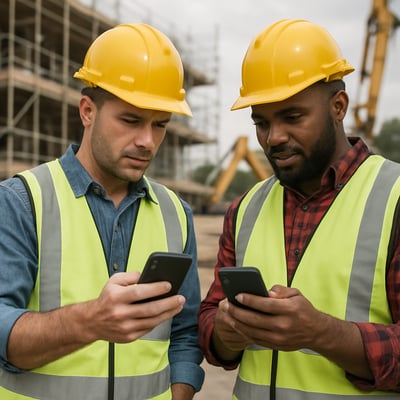
For the vast majority of deskless employees, mobile devices are not a luxury but the primary conduit for communication. In scenarios where traditional access to desks, laptops, or corporate email is limited, communication must seamlessly integrate into the platforms employees already utilize – their smartphones. A mobile-first communication platform ensures that employees can readily access essential company news, schedules, policy updates, benefits information, recognition programs, and other vital resources without the need to seek out a shared computer or delay until their shift concludes.
This accessibility is paramount as it significantly reduces friction in the communication process, a common impediment to message comprehension and engagement. Mobile-first tools empower HR teams to:
- Deliver timely updates: Ensure critical information reaches frontline staff instantly, regardless of their location.
- Enhance accessibility: Provide a centralized hub for all essential employee information, accessible anytime, anywhere.
- Facilitate two-way communication: Enable employees to ask questions, provide feedback, and participate in discussions directly from their mobile devices.
- Streamline task management: Integrate scheduling, task assignment, and operational updates into a single, user-friendly interface.
The fundamental principle here is to design communication specifically for mobile consumption, rather than attempting to adapt desktop content to smaller screens. This involves prioritizing concise messaging, intuitive navigation, and visually appealing content that is easily digestible on a mobile device.
2. Empowering Managers as Communication Champions
Frontline employees often perceive their direct managers as the most credible and influential source of information within the organization. Consequently, even the most meticulously crafted communication strategy can falter if managers are not adequately equipped to disseminate messages clearly and consistently. Conversely, when managers are trained and empowered to communicate effectively, they can transform corporate announcements into meaningful dialogues that employees truly understand and retain.
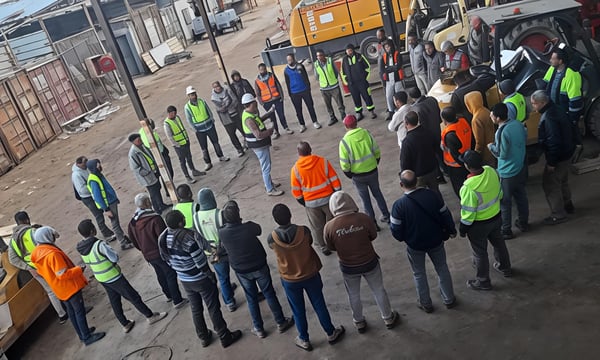
HR leaders must reframe the role of managers from mere message relays to active communication champions. This involves providing them with the necessary training and resources to:
- Understand and articulate company messages: Equip managers with talking points, key takeaways, and the context behind important announcements.
- Facilitate team discussions: Encourage managers to hold regular team huddles or brief meetings to discuss updates and address employee questions.
- Provide timely feedback: Create channels for managers to relay employee feedback and concerns back to HR and senior leadership.
- Champion engagement initiatives: Ensure managers actively promote recognition programs, training opportunities, and other engagement activities.
Even a concise script, a set of talking points, or a weekly briefing can significantly improve manager alignment and consistency. Inconsistencies in communication across different locations or shifts are quickly noticed by employees and can erode trust and morale.
3. Leveraging Digital Signage and Physical Displays
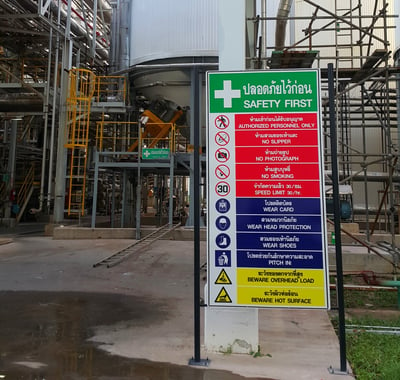
Recognizing that not all employees can access digital platforms during their work hours, the strategic use of digital signage and physical displays remains a vital component of deskless communication. Screens strategically placed in break rooms, locker rooms, time-clock stations, and production areas serve as constant touchpoints for reinforcing important updates in natural gathering spaces. Similarly, traditional bulletin boards, posters, and printed summaries can effectively convey information in environments where mobile phone usage is restricted or impractical.
This "second space" communication strategy meets employees where they are, in communal areas, without interrupting their workflow or compromising safety and efficiency. These displays can effectively highlight:
- Company news and announcements: Share key updates, achievements, and upcoming events.
- Operational updates: Communicate schedule changes, safety protocols, or important procedural reminders.
- Employee recognition: Showcase outstanding performance and celebrate team successes.
- Training and development opportunities: Promote available learning resources and skill-building programs.
The content displayed must be easily scannable and quickly understandable, prioritizing clear headlines, impactful visuals, and concise messages over lengthy text blocks.
4. Prioritizing Short-Form, Visual Content
Deskless employees often operate under time constraints and may have limited attention spans during their shifts. Communication that requires extended, uninterrupted focus or significant cognitive load may not be suitable for this demographic. Therefore, short-form, visually engaging content is demonstrably more effective.
This can take various forms, including:
- Infographics: Visually represent data and complex information in an easily digestible format.
- Short videos: Deliver messages through engaging visual narratives, tutorials, or testimonials.
- Quick tips and guides: Provide actionable advice or instructions in a concise, easy-to-follow manner.
- Image-based announcements: Use compelling visuals to convey key messages and grab attention.
The objective is to achieve clarity and impact without oversimplifying. Employees need sufficient information to understand and act upon a message, but not so much that the core point becomes obscured. A good rule of thumb is to continually ask: "Can this message be made shorter, clearer, or more visual?" If the answer is yes, then it should be.
5. Cultivating Two-Way Communication Channels
Effective communication cannot be a one-way broadcast. If deskless employees only receive information from the company during policy changes or urgent alerts, the relationship can feel transactional. Employees require avenues to respond, ask questions, and share their ideas. Establishing robust two-way communication channels is crucial for building trust, demonstrating that the organization is actively listening, and fostering a sense of partnership.
HR teams can facilitate these feedback loops through:

- Anonymous suggestion boxes or digital forms: Provide a safe space for employees to share ideas and concerns without fear of reprisal.
- Regular pulse surveys: Conduct short, frequent surveys to gauge employee sentiment and identify areas for improvement.
- Q&A sessions with leadership: Organize informal sessions where employees can directly ask questions of senior management.
- Dedicated feedback channels within mobile apps: Integrate features that allow employees to submit feedback or report issues directly through their communication platform.
The format of feedback collection is less critical than the organization’s commitment to follow through. Ignoring employee input, even after actively soliciting it, is a rapid way to foster cynicism and disengagement. Closing the feedback loop by communicating what was heard, what actions are being taken, and what the outcomes will be builds credibility and reinforces the value of employee contributions.
6. Consistent Recognition and Rewards
Recognition stands as one of the most potent and straightforward methods for forging connections with deskless employees, yet it is also one of the most easily overlooked. Frontline workers often operate at a rapid pace, solving immediate problems and performing essential tasks that keep businesses running. When this diligent effort goes unrecognized, it can lead to disengagement. Conversely, consistent acknowledgment of their contributions cultivates a sense of value, belonging, and motivation.
Effective recognition programs are characterized by:
- Timeliness: Acknowledging contributions soon after they occur.
- Specificity: Clearly articulating what is being recognized and why it is valued.
- Authenticity: Ensuring recognition is genuine and heartfelt.
- Frequency: Implementing regular recognition practices, not just annual awards.
- Visibility: Making recognition public within teams or the wider organization where appropriate.
For deskless workforces, robust recognition programs often incorporate:
- Peer-to-peer recognition: Empowering colleagues to acknowledge each other’s efforts.
- Manager-led shout-outs: Encouraging managers to publicly praise individual and team achievements.
- Spot bonuses or small rewards: Providing tangible tokens of appreciation for exceptional performance.
- Social recognition feeds: Creating a digital space where employees can share positive feedback and celebrate successes.
Accessibility is paramount. If recognition is confined to desktop systems or exclusive corporate events, many deskless employees will miss out. An inclusive and immediate recognition experience amplifies its impact and meaning.
7. Investing in Onboarding and Continuous Training
The initial six months of employment can significantly shape the employee experience for deskless workers. Inconsistent, confusing, or overly bureaucratic onboarding processes can hinder new hires from fully engaging with the organization. In high-turnover industries, this oversight can prove to be a costly mistake. Early experiences establish whether new employees feel confident, supported, and inclined to stay.
A strong onboarding program for deskless employees should ensure they quickly understand:
- Company mission and values: How their role contributes to the broader organizational purpose.
- Key policies and procedures: Essential guidelines for their specific role and the workplace.
- Team structure and colleagues: Who to connect with for support and collaboration.
- Available resources and tools: How to access information, technology, and assistance.
- Opportunities for growth: The pathways available for skill development and career advancement.
The learning process should not cease after the first week. Ongoing training and development are equally critical, particularly when delivered in formats that align with frontline work. Micro-learning modules, short instructional videos, and mobile-friendly courses make it easier for employees to acquire new skills without necessitating extended absences from their duties. This commitment to continuous learning also sends a powerful message: professional growth is a priority for all employees, not just those in traditional office settings.
8. Measuring, Learning, and Iterative Improvement
To effectively enhance communication and engagement for deskless employees, measurement must be an integral part of the strategy. This involves looking beyond the mere dissemination of messages to assess whether they were actually seen, understood, and acted upon. The right metrics can illuminate what is working, identify existing gaps, and demonstrate how communication efforts are influencing key business outcomes.
Valuable metrics to consider include:
- Engagement rates on communication platforms: Track opens, clicks, and interaction rates on mobile apps and digital channels.
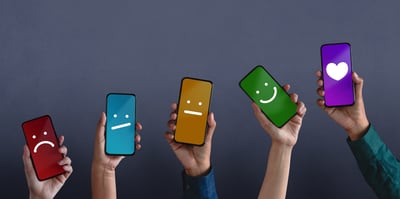
- Employee feedback and sentiment analysis: Monitor survey responses and qualitative feedback to gauge overall satisfaction and understanding.
- Participation in recognition programs: Assess the level of engagement in peer-to-peer and manager-led recognition initiatives.
- Training completion rates: Track the uptake of development programs among frontline staff.
- Impact on key performance indicators (KPIs): Correlate communication and engagement efforts with improvements in productivity, customer satisfaction, and retention rates.
Measurement enables organizations to refine their approach over time, build a compelling case for further investment, and ensure their strategy evolves in line with the dynamic needs of the workforce, rather than relying on outdated assumptions. A frontline communication strategy built on guesswork is likely to fall behind.
Building a More Connected Frontline Team
Connecting deskless employees effectively requires more than good intentions; it demands the right tools, ingrained habits, and a strategy meticulously crafted around the realities of frontline work. Organizations like Reward Gateway | Edenred are dedicated to helping businesses reach, engage, and recognize their deskless workforce through solutions specifically designed for today’s operational environment. By offering mobile-first communication platforms, robust employee recognition programs, and integrated feedback mechanisms, they empower HR leaders to cultivate more connected and fulfilling experiences for every member of the organization, not just those situated behind a desk.
For companies seeking to bridge the critical gap between corporate messaging and their frontline teams, a strategic partnership can provide the necessary expertise and technology to build a communication and recognition strategy that drives tangible results and fosters a truly unified workforce. The investment in understanding and engaging the deskless majority is not merely an HR best practice; it is a strategic imperative for sustainable business success in the modern economy.