In the dynamic landscape of the modern workplace, the imperative for managers to foster a culture of recognition and appreciation is no longer a mere suggestion but a critical driver of organizational success. While the research overwhelmingly supports the profound impact of acknowledgement on employee motivation, productivity, creativity, and overall connection, the practical application of this knowledge often falls short. Common managerial hesitations, such as forgetting to express gratitude, uncertainty about where to begin, or a lack of confidence in crafting the right message, create a significant "recognition gap." This article delves into the quantifiable benefits of employee appreciation, explores the reasons behind this pervasive gap, and provides actionable, ready-to-use appreciation message examples to empower managers in building more engaged and high-performing teams.
The business case for consistent and meaningful appreciation is compelling, backed by robust data. A staggering 75% of employees report that recognition motivates them to work harder, and a remarkable 78% find value in appreciation even when it’s not accompanied by a tangible reward. Conversely, a lack of recognition is cited as a primary reason by one in four individuals actively seeking new employment. Data from Gallup reinforces this, revealing that well-recognized employees are 45% less likely to have left their positions after a two-year period. When employees feel genuinely valued, their propensity to go the extra mile increases, directly translating into enhanced team performance and improved customer satisfaction. This heightened motivation, in turn, fuels creativity and collaboration, ultimately driving superior business outcomes.

The Pervasive Recognition Gap: Expectations vs. Reality
Despite the clear advantages, a significant disconnect persists between employee expectations for recognition and the reality they experience in many organizations. Gallup’s research indicates that a mere 22% of employees feel they receive the appropriate amount of recognition for their contributions. This deficit often stems from managerial uncertainty regarding how to effectively express appreciation, leading to missed opportunities to bolster morale and engagement. However, a positive feedback loop can be established: when managers proactively integrate recognition into their routines—whether through informal hallway acknowledgements, dedicated time in team meetings, or formal commendations—it encourages others to follow suit, gradually building a pervasive culture of appreciation.
The Strategic Value of Employee Appreciation
The impact of employee appreciation extends far beyond immediate morale boosts. It is intrinsically linked to talent retention, a critical concern for businesses navigating competitive labor markets. High employee turnover is a costly phenomenon, encompassing recruitment expenses, training investments, and lost productivity. By implementing effective recognition strategies, organizations can significantly mitigate these costs. A study by Deloitte found that companies with highly effective recognition programs report significantly lower voluntary turnover rates. Furthermore, appreciation fosters a sense of belonging and psychological safety, crucial elements for innovation and problem-solving. When employees feel seen and valued, they are more likely to take calculated risks, offer constructive feedback, and contribute to a positive and inclusive work environment.
Cultivating a Culture of Recognition: Practical Message Examples
To effectively bridge the recognition gap, managers need practical tools and templates that can be adapted to various scenarios. The following 30 employee appreciation message examples, categorized by common workplace situations, are designed to serve as a starting point for crafting impactful acknowledgements. These examples vary in tone and length, suitable for quick digital shout-outs or more detailed formal recognition.

It is crucial to remember that while any form of appreciation is better than none, the true power lies in personalization. Tailoring these templates to reflect specific actions taken by the employee, the company values they embodied, and the tangible impact of their contributions will significantly amplify their effectiveness.
Messages for Everyday Hard Work and Dedication
- "I wanted to take a moment to acknowledge your consistent dedication to [specific task or project]. Your diligence doesn’t go unnoticed, and it makes a real difference to our team’s progress."
- "Thank you for your persistent effort on [task]. I appreciate your commitment to seeing it through, even when faced with challenges."
- "Your positive attitude and willingness to always lend a hand are invaluable. Thank you for being such a reliable and supportive team member."
- "I’ve observed your steady commitment to [area of responsibility], and I’m truly impressed by your work ethic. Keep up the great work!"
Messages for Project Success and Milestones
- "Congratulations on the successful completion of [project name]! Your leadership and hard work were instrumental in achieving this significant milestone."
- "I’m incredibly proud of your contribution to [project name]. The quality of your work and your ability to meet tight deadlines were exceptional."
- "This is a fantastic achievement! Thank you for your outstanding effort and dedication in bringing [project name] to fruition."
- "Your role in the success of [project name] was pivotal. We couldn’t have done it without your [specific skill or contribution]."
Messages for Teamwork and Collaboration
- "I’ve been impressed by your collaborative spirit on [project]. Your willingness to share ideas and support your colleagues is a testament to your team-player attitude."
- "Thank you for fostering such a positive and cooperative environment within the team. Your ability to bring people together makes us all stronger."
- "Your contributions to our team’s collaborative efforts on [initiative] have been outstanding. It’s a pleasure working alongside you."
- "The way you proactively helped [colleague’s name] with [task] demonstrates exceptional teamwork. That’s the kind of support that builds a great team."
Messages for Work Anniversaries and Tenure
- "Happy [Number] work anniversary, [Employee Name]! We’re so grateful for your dedication, loyalty, and the valuable contributions you’ve made over the years."
- "It’s been a pleasure having you as part of our team for [Number] years. Your experience and insights are highly valued."
- "Congratulations on reaching your [Number]-year milestone with us! Your commitment and growth have been inspiring."
- "Thank you for your [Number] years of service. We appreciate your continued hard work and the positive impact you’ve had on our organization."
Messages for Remote and Hybrid Employees
- "Even though we’re not in the same office, your contributions to [project] have been significant. Thank you for your excellent remote work and dedication."
- "I appreciate how you consistently stay connected and engaged, even while working remotely. Your commitment to our team’s success is evident."
- "Your ability to adapt and excel in this hybrid work environment is commendable. Thank you for your flexibility and continued hard work."
- "Thank you for your proactive communication and for keeping us all in the loop, even from a distance. It makes a huge difference in our remote collaboration."
Messages for Employee Appreciation Day
- "Happy Employee Appreciation Day! I want to express my sincere gratitude for your hard work, dedication, and the positive impact you have on our workplace every single day."
- "Today, and every day, we celebrate you! Thank you for being an integral part of our team and for all that you do."
- "On Employee Appreciation Day, I want to personally thank you for your commitment and for making [Company Name] a great place to work."
- "Your efforts are truly valued. Thank you for your contributions, your enthusiasm, and for being an outstanding member of our team."
Crafting Effective Appreciation Messages: Key Principles
To ensure that appreciation messages resonate and have a lasting impact, they should incorporate several core elements:
- Specificity: Clearly state what action or behavior is being appreciated. Vague praise is less impactful than specific examples.
- Sincerity: Authenticity is paramount. Messages should come across as genuine and heartfelt, not perfunctory.
- Impact: Explain the positive effect of the employee’s actions on the team, project, or company. This demonstrates the value of their contribution.
- Timeliness: Express appreciation as soon as possible after the achievement or effort. Delayed recognition loses its potency.
- Personalization: Tailor the message to the individual, acknowledging their unique strengths and contributions.
These principles transform generic acknowledgements into meaningful expressions of gratitude, fostering a deeper connection between employees and their managers.
Strategic Timing for Appreciation Messages
Maximizing the impact of appreciation messages involves strategic timing. Integrating these touchpoints into regular workflows ensures that recognition becomes a consistent habit, not an afterthought.
- Post-Project Completion: Acknowledge contributions immediately after a project concludes, highlighting individual and team successes.
- During Team Meetings: Dedicate a segment of regular team meetings for shout-outs and recognition, reinforcing positive behaviors publicly.
- One-on-One Check-ins: Use informal and formal one-on-one meetings to provide personalized feedback and express appreciation for ongoing efforts.
- Following Exceptional Efforts: Recognize instances where employees go above and beyond their typical responsibilities, demonstrating proactive support.
- Work Anniversaries and Milestones: Celebrate tenure and significant achievements, reinforcing loyalty and commitment.
- Informal Interactions: Seize opportunities for spontaneous appreciation during daily interactions, such as in the hallway or during brief conversations.
Common Pitfalls to Avoid in Employee Appreciation
To maintain the effectiveness and authenticity of appreciation efforts, managers should be mindful of common mistakes that can undermine their impact:
- Generic Messages: Using the same boilerplate message for everyone diminishes the personal touch and can feel insincere.
- Infrequent Appreciation: Sporadic recognition can lead employees to believe their efforts are not consistently valued.
- Lack of Specificity: Vague compliments like "good job" lack the detail needed to make an employee feel truly seen.
- Focusing Only on Major Achievements: While big wins deserve recognition, acknowledging consistent effort and smaller contributions builds ongoing morale.
- Associating Appreciation Only with Rewards: While tangible rewards are valuable, the act of sincere appreciation itself holds significant intrinsic worth.
- Delayed Recognition: Waiting too long to acknowledge an achievement can make the recognition feel less impactful or even irrelevant.
By avoiding these pitfalls, managers can ensure their appreciation efforts are genuine, impactful, and contribute positively to the overall employee experience.
Beyond Messages: Building a Comprehensive Culture of Appreciation
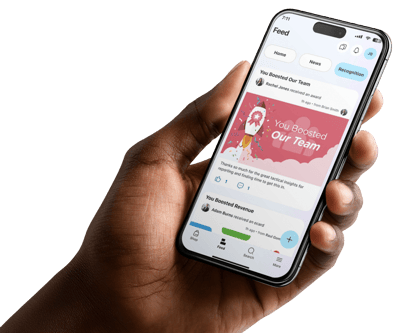
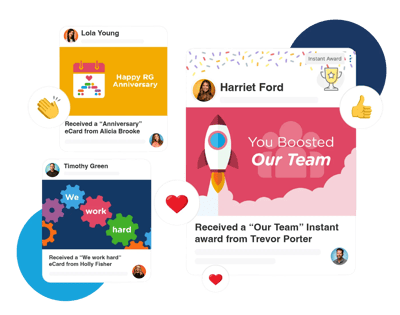
While well-crafted appreciation messages are a cornerstone of a positive work environment, they are most effective when integrated into a broader, systemic culture of recognition. Leveraging technology can significantly scale and streamline these efforts. Platforms that offer recognition reminders, manager notifications, AI-supported storytelling for recognition, and social recognition features can create a pervasive and engaging appreciation ecosystem. Research indicates that 84% of individuals believe technology makes work easier, and this sentiment extends to recognition practices.
Building systemic recognition fosters sustained motivation and embeds appreciation into the daily routines of managers and employees alike, making it a habit rather than a task. This approach not only boosts morale but also cultivates a more resilient and engaged workforce, ultimately driving organizational success.
Frequently Asked Questions About Employee Appreciation Messages
Q: What should I say in an employee appreciation message?
A: Focus on the specific actions the employee took, the values or goals they supported, and highlight the positive impact on the team or company.

Q: How often should managers send employee appreciation messages?
A: Regularly. Ideally, at least weekly, but timely recognition right after achievements or extra effort is most effective. Scheduling time to review progress and send recognition can help build this habit.
Q: What’s the difference between employee appreciation and employee recognition?
A: Appreciation is about expressing gratitude and valuing employees for who they are, while recognition is about acknowledging their specific work or performance.
Q: Should employee appreciation messages be public or private?
A: Both have value. Public praise enhances visibility and team morale, while private notes foster deeper personal connections. A balanced approach, often defaulting to public to foster a broader culture of recognition, is recommended.

Q: Can I use the same appreciation message for multiple employees?
A: While better than no message, employees rarely perform identical tasks. Personalizing messages makes individuals feel truly seen and valued. If time is a constraint, a slightly adapted template is preferable to a completely generic one.
Q: What are some low-cost ways to show employee appreciation beyond messages?
A: Offering flexible work options, providing small perks (e.g., their favorite snack), discussing accomplishments in a team meeting, or simply dedicating time to listen attentively can be highly impactful and inexpensive gestures of appreciation.
Meaningful employee appreciation messages serve as a powerful and accessible tool for bridging the recognition gap prevalent in many organizations. By adopting a thoughtful approach grounded in specificity, sincerity, and timeliness, and by embedding these messages within a broader culture of recognition, managers can significantly enhance employee engagement, improve retention rates, and drive superior performance. Solutions designed to facilitate and scale recognition empower businesses to cultivate vibrant, appreciative cultures that attract and retain top talent, ultimately fostering a more human and productive workplace for all.