

The imperative for organizations to prioritize employee wellbeing has never been more pronounced. As the nature of work continues its rapid transformation, characterized by hybrid and remote arrangements, the challenge for HR leaders lies not in recognizing the importance of wellbeing, but in developing effective, accessible, and sustainable programs that resonate with a diverse workforce. A one-size-fits-all approach is increasingly proving insufficient, necessitating a nuanced strategy that considers the unique needs of different teams, schedules, and locations.

The shift towards flexible work models, while offering numerous benefits, has also blurred the lines between professional and personal lives, contributing to heightened concerns around burnout and retention. In this evolving environment, robust wellbeing programs are transitioning from a perceived perk to a critical component of organizational health and employee engagement. These initiatives serve not only to support individual employees but also to foster a culture where their daily experiences are valued and addressed. The impact of such programs extends beyond immediate support, influencing an employee’s ability to remain engaged, navigate challenges effectively, and cultivate stronger professional relationships.
The Pillars of a Comprehensive Wellbeing Strategy
A modern employee wellbeing program is not a monolithic entity but rather a multi-faceted approach encompassing several interconnected areas of an individual’s life that influence their work experience. While the specific blend of initiatives will vary based on organizational context and employee demographics, four core pillars provide a foundational framework:

1. Physical Health Initiatives
Promoting physical wellbeing encompasses a broad spectrum of activities, from encouraging regular movement and ensuring adequate rest to providing access to essential health resources. This can translate into tangible offerings such as organized walking groups, guidance on ergonomic workspace setups for remote employees, or access to preventative health screenings. The key to success in this pillar lies in flexibility and inclusivity, ensuring that programs accommodate varying physical abilities, diverse work schedules, and individual preferences. For instance, a company might offer virtual fitness classes accessible on-demand, alongside optional in-person group activities, catering to a wider range of participation styles. Data suggests a strong correlation between physical activity and reduced stress levels, with studies indicating that regular exercise can significantly improve mood and cognitive function, directly impacting an employee’s capacity to perform their duties effectively.
2. Mental and Emotional Wellbeing
The recognition of mental health as a critical aspect of overall wellbeing has gained significant traction. Support in this area can range from providing access to confidential counseling services and Employee Assistance Programs (EAPs) to equipping managers with resources to identify and support employees experiencing mental health challenges. Fostering a culture that encourages regular breaks and openly discusses mental health can significantly reduce stigma. Ensuring privacy and clear communication about available support channels are paramount. According to the World Health Organization, depression and anxiety disorders cost the global economy US$ 1 trillion each year in lost productivity. Investing in mental health support is therefore not only a humanitarian concern but also a sound business strategy.

3. Social Wellbeing
Positive interpersonal relationships within the workplace are crucial for fostering a sense of belonging and connection. Initiatives aimed at enhancing social wellbeing can include informal team gatherings, peer recognition programs, and buddy systems, particularly beneficial for onboarding new employees or supporting those working remotely. The goal is to create opportunities for colleagues to connect and build rapport organically. It’s important that these activities are perceived as opportunities for connection rather than additional obligations, fostering genuine engagement. A study by the National Bureau of Economic Research found that social connection at work is a significant predictor of job satisfaction and overall happiness.
4. Financial Wellbeing
Financial concerns can be a substantial source of stress for employees, impacting their focus and overall wellbeing. Offering practical support, such as financial education workshops, budgeting resources, or access to financial advisors, can empower employees to manage their finances more effectively. These programs should be designed to be inclusive, acknowledging that individuals have diverse financial circumstances and goals, and should focus on providing actionable information rather than prescriptive advice. Research consistently shows a link between financial stress and decreased productivity, with employees often reporting distraction and anxiety related to financial worries.

Implementing Effective Wellbeing Programs: Practical Ideas and Considerations
The implementation of wellbeing programs requires a strategic approach, starting with understanding employee needs and aligning initiatives with organizational capacity. It’s often advisable to begin with a few carefully selected programs and gradually expand based on employee feedback and program effectiveness.
Physical Wellbeing Ideas:

- Flexible Fitness Challenges: Virtual step challenges, team-based activity trackers, or discounts for local gyms.
- Ergonomic Support: Resources and guidance for setting up healthy home office environments.
- Wellness Webinars: Sessions on nutrition, sleep hygiene, and stress management techniques.
- Mindful Movement Breaks: Encouraging short, regular breaks for stretching or light exercise.
Mental and Emotional Wellbeing Ideas:
- EAP Promotion: Ensuring employees are aware of and encouraged to use existing EAP services.
- Mental Health First Aid Training: Equipping managers and employees with the skills to support colleagues.
- Mindfulness Resources: Access to meditation apps, guided breathing exercises, or quiet spaces for reflection.
- "Take a Break" Encouragement: Leaders actively promoting and modeling the importance of taking regular breaks.
Social Wellbeing Ideas:

- Virtual Coffee Breaks/Social Hours: Informal online gatherings for non-work-related chat.
- Peer Recognition Platforms: Tools that allow employees to acknowledge and appreciate each other’s contributions.
- Interest-Based Groups: Facilitating the creation of employee-led groups based on shared hobbies or interests.
- Team-Building Activities: Virtual or in-person events designed to foster camaraderie.
Financial Wellbeing Ideas:
- Financial Literacy Workshops: Covering topics like budgeting, saving, and debt management.
- Access to Financial Planning Tools: Providing resources for employees to track expenses and set financial goals.
- Benefits Education: Clear communication about existing benefits that can contribute to financial security, such as retirement plans or insurance options.
- "Lunch and Learn" Sessions: Short, informative sessions on financial topics during lunch breaks.
Adapting for Remote and Hybrid Teams
The unique challenges of supporting remote and hybrid workforces require tailored strategies. Without the natural opportunities for connection that co-located environments provide, it’s essential to intentionally create avenues for engagement.
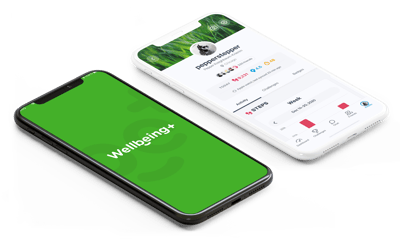
- Asynchronous Resources: Providing digital content such as articles, videos, and online courses that employees can access at their own pace and convenience.
- Virtual Social Engagement: Implementing regular virtual social hours, online game nights, or themed virtual meetups to foster connection.
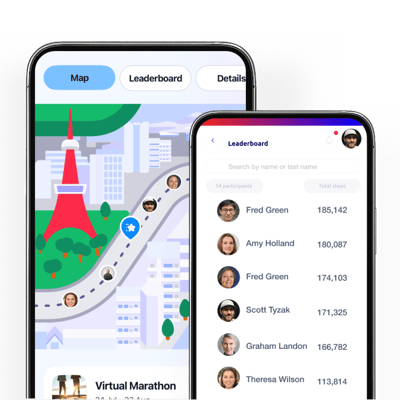
- Remote-Friendly Challenges: Designing wellbeing challenges that can be completed individually or in virtual teams, such as virtual race events or step challenges tracked through apps.
- Clear Communication Channels: Establishing dedicated channels for wellbeing information and ensuring consistent updates through platforms employees regularly use.
- Managerial Support: Equipping managers with the skills to actively check in with their remote team members, foster a sense of inclusion, and encourage a healthy work-life balance.
Building a Year-Round Wellbeing Calendar
A structured wellbeing calendar can transform ad-hoc initiatives into a consistent and integrated part of the employee experience. Rather than concentrating efforts around specific awareness days or annual campaigns, a year-round approach ensures ongoing support and engagement.
Key elements of a successful wellbeing calendar include:

- Thematic Planning: Identifying relevant themes that align with employee needs and organizational priorities. These can be seasonal, tied to awareness months, or focus on practical aspects of wellbeing such as rest, nutrition, or stress management.
- Manageable Activities: Selecting a mix of activities that are easy to implement and participate in, such as short learning sessions, optional team activities, or regular wellbeing tips.
- Flexible Participation: Ensuring a variety of participation formats, including asynchronous options, to accommodate different schedules and preferences.
- Strategic Communication: Planning proactive communication around each theme, explaining the value and providing clear instructions on how to engage. Involving managers in cascading information and encouraging participation is also vital.
- Regular Review and Adaptation: Continuously evaluating the effectiveness of the calendar through employee feedback and participation data. This allows for adjustments and ensures the program remains relevant and impactful. For instance, a company might plan a "Mindful March" focusing on meditation and stress reduction, followed by an "Active April" encouraging outdoor activities.
Measuring Impact and Avoiding Pitfalls
The effectiveness of any wellbeing program hinges on its ability to demonstrably improve employee health and engagement. Measurement is not merely about data collection but about gaining actionable insights to refine and enhance support.
Key indicators for measuring success include:
- Participation Rates: Tracking engagement with various wellbeing initiatives.
- Employee Feedback: Regularly soliciting feedback through surveys, focus groups, and informal channels.
- Engagement Survey Scores: Monitoring changes in overall employee engagement, job satisfaction, and perceived support.
- Utilization of Resources: Assessing how frequently employees access specific wellbeing resources, such as EAP services or mental health apps.
- Absenteeism and Retention Trends: While influenced by many factors, positive shifts in these metrics can be indicative of a healthier workforce.
Common pitfalls to avoid when implementing wellbeing programs:
- Lack of Employee Input: Launching initiatives without first understanding employee needs and preferences can lead to low adoption rates. A proactive approach involves surveys, focus groups, and direct dialogue to gauge what resonates with the workforce.
- The "One-Size-Fits-All" Trap: Failing to recognize the diverse needs and circumstances of employees, leading to programs that are irrelevant or inaccessible to significant portions of the workforce. Offering a variety of options, including those that can be accessed privately and on an individual’s own schedule, is crucial.
- Wellbeing as an Obligation: Overloading employees with compulsory activities or creating competitive pressures can counteract the intended benefits, adding stress rather than alleviating it. Emphasizing voluntary participation and respecting individual choice is paramount.
- Excluding Management: Failing to involve and educate managers about wellbeing initiatives can lead to inconsistent support and a lack of cultural integration. Managers play a pivotal role in setting the tone and encouraging employee engagement with wellbeing resources.
- Poor Communication and Accessibility: Programs are ineffective if employees are unaware of their existence or struggle to find them. Clear, consistent communication through multiple channels and a centralized, easily navigable information hub are essential.
- Measuring Activity, Not Usefulness: Focusing solely on participation numbers without assessing the perceived value or impact of initiatives provides an incomplete picture. Combining quantitative data with qualitative feedback is vital for a comprehensive understanding of program effectiveness.
Getting Started: A Phased Action Plan
Embarking on the journey of building a comprehensive wellbeing program can feel daunting, but a structured, phased approach can make it manageable and effective.

- Needs Assessment: Begin by understanding your employees’ current wellbeing needs and priorities. This can be achieved through surveys, focus groups, and analysis of existing data (e.g., engagement surveys, EAP utilization).
- Strategic Planning: Based on the needs assessment, identify a few key initiatives that align with your organizational goals, budget, and available resources. Prioritize programs that offer flexibility and accessibility.
- Pilot and Iterate: Launch a pilot program for a select group or a specific initiative. Gather feedback and data to assess its effectiveness and identify areas for improvement.
- Communication and Engagement: Develop a clear communication strategy to inform employees about available resources and encourage participation.
- Ongoing Evaluation and Expansion: Continuously monitor the program’s impact, solicit feedback, and use the insights gained to refine existing initiatives and strategically expand the program over time.
Platforms like Reward Gateway can be instrumental in supporting HR teams in this process, providing a centralized hub for communicating wellbeing initiatives, making resources easily accessible to employees, and offering insights into engagement levels. This integration helps to ensure that wellbeing programs are not only thoughtfully designed but also effectively delivered and sustained throughout the organization. By embracing a holistic, data-driven, and employee-centric approach, organizations can cultivate a thriving workplace where wellbeing is not an afterthought, but a fundamental pillar of success.