New waves of investment in aerospace, defense, and life sciences are driving growth in the nation’s heartland. Supported by its manufacturing and agricultural roots, the Midwest economy is now seeing growth in new sectors. From billion-dollar biomanufacturing expansions to functional energy startups and AI data center campuses, states are landing big projects and creating thousands of new jobs. This surge in investment signals a strategic diversification for a region historically reliant on traditional industries, demonstrating a forward-looking approach to economic development.
Ohio Scales Advanced Manufacturing Across Key Sectors
Ohio has solidified its standing as a national leader in biomanufacturing and defense innovation over the past year, attracting significant investments that underscore its commitment to advanced manufacturing. The state’s strategic focus has yielded a remarkable trifecta of achievements: a major headquarters relocation, a substantial pharmaceutical expansion, and the establishment of the first U.S. production facility for a prominent Ukrainian drone manufacturer.
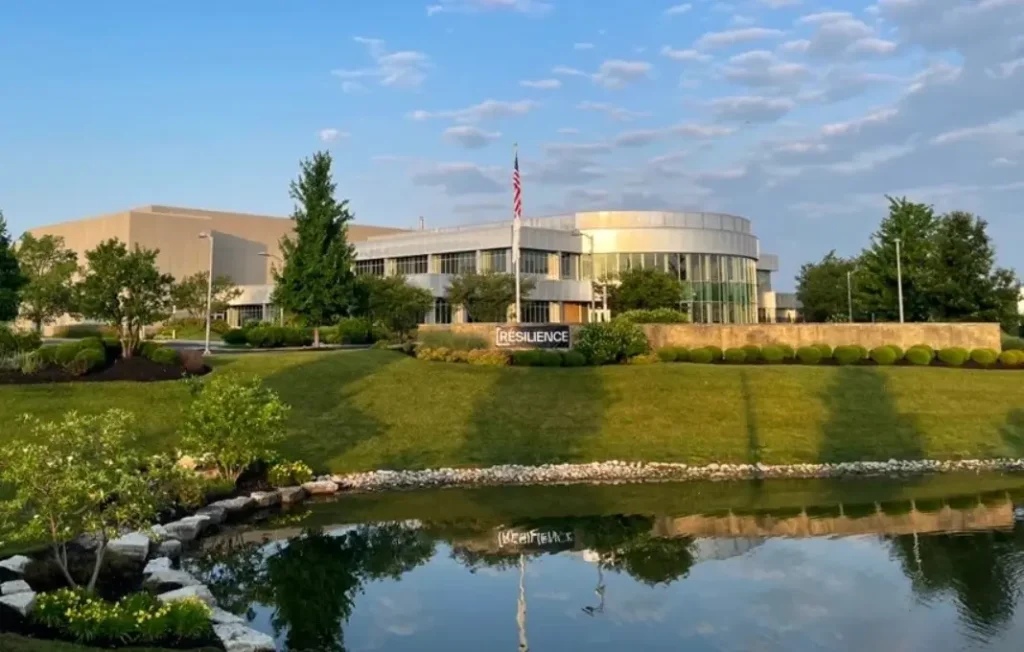
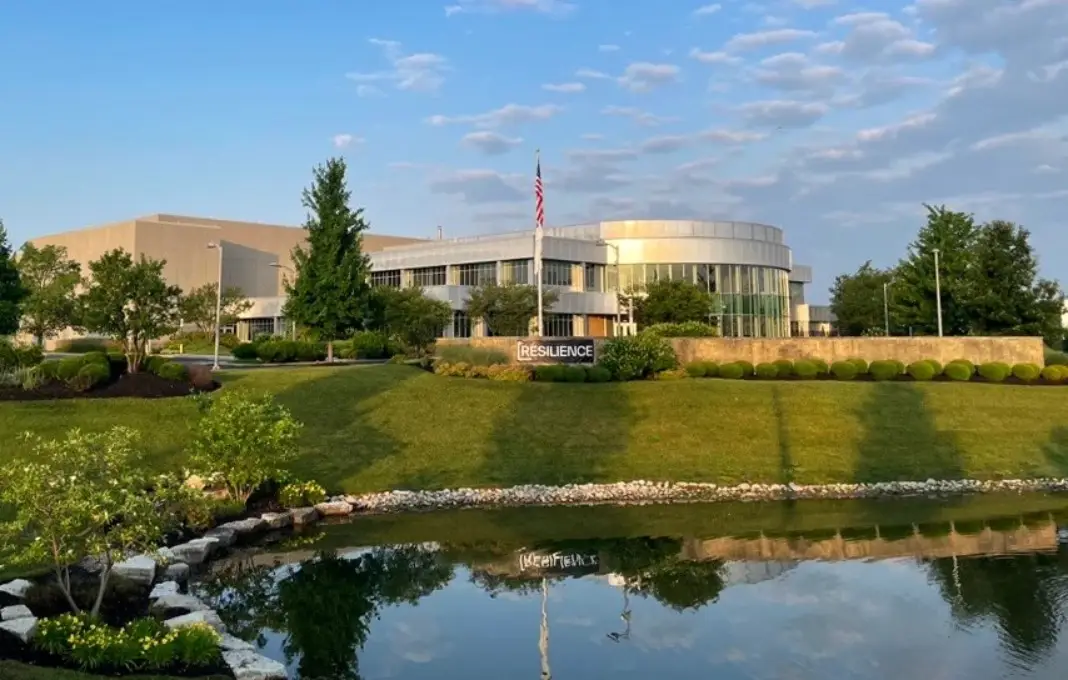
A pivotal development occurred in June 2026 when medical device manufacturer Resilience announced its relocation of headquarters from San Diego, California, to the Cincinnati area. This move is projected to create 200 new jobs, injecting vitality into the region’s burgeoning life sciences ecosystem. Complementing this relocation, Resilience also announced a significant expansion of its partnership with Eli Lilly. This expanded collaboration will involve a $750 million investment to enhance the production of injectable devices crucial for diabetes and obesity medications. Governor Mike DeWine lauded these developments, stating, "Resilience is an example of Ohio’s emerging leadership in biomanufacturing. The company’s recent headquarters move from California to Blue Ash and today’s announcement of an expanded partnership with Lilly further validates the state’s life science workforce, infrastructure, and collaborative approach to economic development." This statement highlights the state’s proactive efforts in cultivating a favorable business environment for high-tech industries.
The aerospace and defense sector in Ohio has also experienced robust growth. In a significant move for national security and technological advancement, Ukrainian Defense Drones announced in June 2026 its decision to establish its first major U.S. assembly and manufacturing center in Holland, Ohio. This facility is anticipated to generate 300 jobs, bolstering the state’s defense manufacturing capabilities and fostering international collaboration. The selection of Ohio by a company from a nation actively engaged in defense underscores the state’s reputation for robust manufacturing infrastructure and a skilled workforce.
Ohio’s ranking at number 7 in the 2026 Chief Executive Best & Worst States for Business further corroborates its success in attracting and retaining businesses through strategic investments and supportive policies. The state’s ability to draw in companies from coastal tech hubs and international markets signifies a broader trend of economic revitalization across the Midwest.
Indiana Invests Heavily in Life Sciences to Drive Future Growth
Indiana is making a substantial commitment to becoming a national powerhouse in the life sciences sector, with a bold $1 billion investment aimed at fostering innovation and creating high-wage jobs. Announced in March 2026 by Governor Mike Braun, this initiative seeks to position Indiana as a premier destination for advancements in human therapeutics, animal health, agritech, biotechnology, and environmental innovation. The ambitious goal is to generate over 100,000 high-wage jobs within the next decade, marking a significant economic diversification strategy for the state.
The impact of this strategic investment began to manifest by May 2026. Fortune 500 agriscience company Corteva announced its decision to locate the global headquarters for its newly independent crop protection business in Indianapolis. This move signifies a major win for the state’s capital city and reinforces Indiana’s strong agricultural heritage while embracing cutting-edge scientific development. Just a month later, Boston Scientific revealed plans for a substantial $138 million expansion, constructing a 500,000-square-foot global medical device distribution facility in Plainfield. This expansion is poised to enhance the company’s logistical capabilities and create new employment opportunities.
Further bolstering the state’s bioscience sector, Redwire Corporation opened a new research and manufacturing facility in Georgetown in July 2026. This facility is expected to drive innovation in space technology and related fields. The bioscience sector in Indiana is already a significant contributor to the state’s economy, currently generating more than $125 billion annually.
Governor Braun emphasized the strategic intent behind the investment, stating in a press release, "Based on measurable outcomes to ensure accountability and long-term ROI, this investment will make Indiana the re-shoring and expansion epicenter and premier destination for human therapeutics, animal health, agritech, biotechnology, and environmental innovation." This statement underscores Indiana’s focus on tangible results and its ambition to lead in critical future-oriented industries. Indiana’s rank at number 9 in the 2026 Chief Executive Best & Worst States for Business reflects its successful efforts in creating a conducive environment for large-scale investments.
South Dakota Achieves Record Investment Through Strategic Programs
South Dakota has experienced a landmark year for economic development, marked by the largest private capital investment in the state’s history. In June 2026, Smithfield Packaged Meats Corporation announced a monumental $1.29 billion investment in a new meat processing and packaging facility in Sioux Falls. This state-of-the-art facility will replace its existing downtown operation, ensuring the retention of over 3,100 jobs and significantly enhancing operational efficiency and capacity.
GOED Commissioner Bill Even highlighted the critical role of state incentives in securing such a transformational project. He stated, "Major employers have choices about where they invest, and South Dakota’s Reinvestment Payment Program helps keep our state competitive for transformational projects like this one. This project is the largest private capital investment in South Dakota history and reinforced the critical role agriculture and food processing play in our economy." The Reinvestment Payment Program is designed to incentivize businesses to reinvest profits within the state, thereby fostering continued growth and job creation.
Beyond its robust agricultural processing sector, South Dakota’s defense manufacturing base is also experiencing substantial expansion. In June 2026, the National Defense Corporation broke ground on a $90 million facility in Clear Lake dedicated to the production and testing of medium-caliber ammunition. This investment strengthens domestic defense supply chains and contributes to national security. Furthermore, in August 2026, the state board approved additional support for Innovative Materials and Processes, a Rapid City-based manufacturer with a 25-year track record of producing energetic and pyrotechnic materials for the U.S. Army and Navy. This sustained growth in defense manufacturing indicates South Dakota’s emergence as a key player in the national defense industrial base. South Dakota’s ranking at number 13 in the 2026 Chief Executive Best & Worst States for Business reflects its success in leveraging its strengths to attract significant capital investments.
Iowa Diversifies Economy with Branching into Advanced Manufacturing
Iowa, long recognized for its agricultural leadership, is strategically diversifying its economic landscape by expanding into pharmaceuticals, precision manufacturing, and aerospace. Governor Kim Reynolds announced in May 2026 that Corteva, a leader in agricultural innovation, will relocate Vylor, its new independent seed and genetics company, to Johnston. This move underscores Iowa’s commitment to fostering innovation within the agriscience sector and attracting high-value corporate functions.
In the same month, the Iowa Economic Development Authority (IEDA) approved nearly $400 million in new capital investment across five companies through its Business Incentives for Growth (BIG) Program, launched in January 2026. This program is designed to encourage significant business expansions and job creation within the state. Notable investments include a $196 million expansion by Sub-Zero Group in Cedar Rapids, a company renowned for its high-end appliances, and a $150 million expansion by Cambrex in Charles City, a leading contract development and manufacturing organization serving the pharmaceutical industry.
Governor Reynolds expressed confidence in Iowa’s economic trajectory, stating in a press release, "From pharmaceuticals and food production to aerospace materials and advanced manufacturing, these projects reflect the confidence companies have in Iowa’s workforce, business climate, and long-term economic momentum." These diverse investments highlight Iowa’s evolving economic identity, moving beyond its traditional agricultural base to embrace advanced industrial capabilities. Iowa’s ranking at number 15 in the 2026 Chief Executive Best & Worst States for Business acknowledges its proactive approach to economic diversification and its supportive business environment.
Wisconsin Powers the Future with Next-Gen Technology Hub
Wisconsin is strategically positioning itself as a pivotal hub for next-generation technology, attracting significant investments in renewable energy and advanced manufacturing. Over the past year, the state has successfully attracted the headquarters of a pioneering fusion energy startup and secured a major expansion from a global power generation manufacturer, signaling a strong commitment to innovation and sustainable energy solutions.
A significant development occurred in July 2026 when Realta Fusion, a company at the forefront of fusion energy research, announced its decision to relocate its corporate headquarters and fusion research facility to Madison. This move is a testament to Wisconsin’s growing reputation in advanced scientific research and development. Kieran Furlong, CEO of Realta Fusion, commented on the decision, stating, "We spent the better part of the past two years scouring the countryside to find the most favorable business environment and the most attractive site to build our R&D facility, and we found it in our own backyard." This quote underscores the state’s appeal to innovative companies seeking a supportive ecosystem for groundbreaking research.
Wisconsin’s commitment to fostering the fusion energy sector is further exemplified by Act 165, passed in 2025. This legislation exempts fusion energy capital expenditures from state sales and use taxes, building upon a decade of dedicated fusion research at the University of Wisconsin-Madison. This supportive regulatory framework is crucial for attracting and nurturing nascent technologies like fusion energy.
In parallel, INNIO N.V., a global provider of distributed energy solutions, announced a substantial $300 million expansion of its Waukesha production hub. This expansion is expected to create over 500 new jobs and includes the addition of 80,000 square feet of advanced testing space. This facility will support the growing demand for the company’s Jenbacher and Waukesha-brand power systems, which are integral to data centers, microgrids, and grid stabilization efforts. Wisconsin’s ranking at number 17 in the 2026 Chief Executive Best & Worst States for Business reflects its successful strategy of investing in future-oriented industries and creating a business-friendly environment for technological advancement.
Missouri Emerges as a New Corridor for AI Infrastructure
Missouri is rapidly establishing itself as a significant national hub for Artificial Intelligence (AI) and data center investments, attracting billions of dollars in digital infrastructure projects. Over the past year, companies have committed more than $26 billion to digital infrastructure projects concentrated in the Kansas City region and along the critical I-70 corridor. This surge in investment signifies Missouri’s strategic positioning to capitalize on the burgeoning digital economy.
A monumental development occurred in May 2026 when Google announced a $15 billion investment in the state, anchored by the construction of a new data center in Montgomery County. This investment extends beyond infrastructure, as Google is also funding a workforce training initiative designed to equip over 2,300 construction laborers with essential skills. Furthermore, the company has committed more than $20 million to the Energy Impact Fund, aimed at reducing household energy bills in surrounding counties, demonstrating a commitment to community benefit.
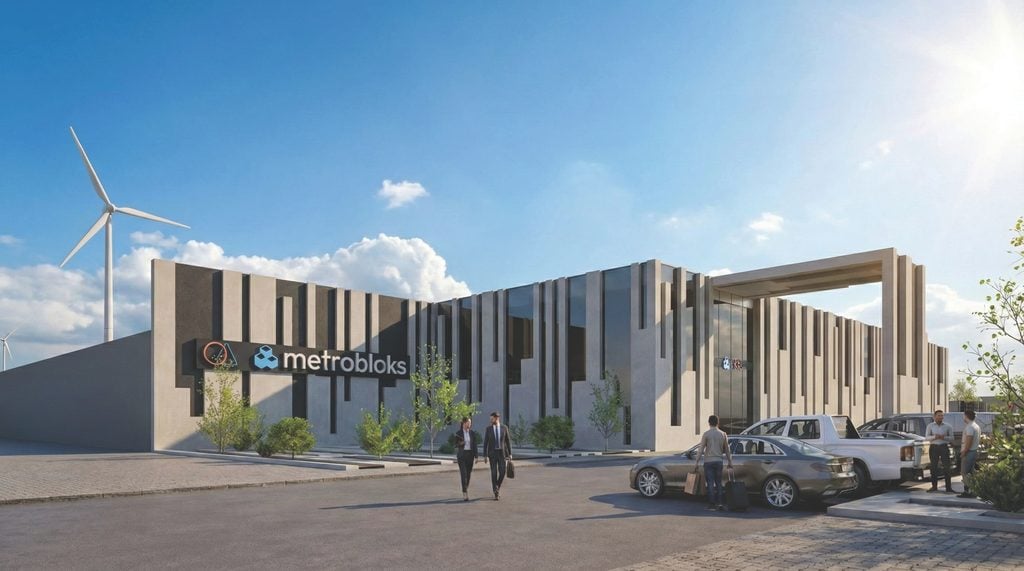
Adding to this momentum, Amazon announced in June 2026 its plans for a $10 billion data center campus in the area. This project is projected to create substantial employment opportunities and generate hundreds of millions of dollars in property tax revenues over the next 25 years, underscoring the long-term economic benefits for the region. Nebius has also broken ground on its first gigawatt-scale U.S. digital infrastructure project, signaling further expansion in the AI sector. John Boynton, chair of Nebius, emphasized the company’s commitment to responsible development, stating in a press release, "We want to create lasting opportunities, act as a good partner with the community, and set a standard for developing AI and digital infrastructure responsibly." Missouri’s ranking at number 18 in the 2026 Chief Executive Best & Worst States for Business highlights its success in attracting massive investments in the digital infrastructure sector.
North Dakota Builds Record Growth on Affordability and Entrepreneurial Support
North Dakota’s population has surpassed 800,000 for the first time this year, providing a strong demographic underpinning for its story of growth, which is built on a foundation of affordability and robust support for entrepreneurship. In January 2026, the North Dakota Department of Commerce launched the Innovate ND grant program, which pairs personalized business coaching with up to $50,000 in reimbursable expenses for early-stage companies. This initiative is designed to nurture new ventures and foster innovation within the state.
This supportive ecosystem has been instrumental in attracting talent and businesses. In March 2026, the AgTech startup aerialPLOT relocated its headquarters to Fargo, reinforcing the region’s burgeoning agricultural technology cluster. CEO Jeremiah Roeth expressed confidence in the move, stating, "We believe that the ecosystem will prove a perfect foundation for our continued expansion of integrated data solutions for agricultural field research." This move highlights Fargo’s growing reputation as a center for agritech innovation.
The Greater Fargo Moorhead Economic Development Corporation (GFMEDC) reported that 2025 was a near-record year for growth, with the GFMEDC supporting 17 projects expected to generate over $660 million in local economic activity and create more than 700 new jobs. This sustained growth demonstrates the effectiveness of North Dakota’s approach to economic development, which prioritizes creating an environment where businesses can thrive and expand. North Dakota’s ranking at number 20 in the 2026 Chief Executive Best & Worst States for Business underscores its success in leveraging affordability and entrepreneurial support to drive economic expansion.
Montana Courts Job Creators with Aerospace and Manufacturing Investments
Montana achieved its largest economic development win in state history in June 2026 when Washington State-based Janicki Industries announced plans for an $800 million aerospace and manufacturing campus in Great Falls. This transformative project is projected to create 2,000 jobs, significantly boosting the state’s industrial base and diversifying its economy beyond its traditional sectors. Company president John Janicki attributed the decision to favorable state-level decisions, stating, "decisions at the state level make it not only difficult for us to create new jobs for future employees by investing in local growth… Breaking ground on this facility is proof of what’s possible when a community, a workforce, and a company all want the same thing." This sentiment highlights the critical role of collaborative economic development strategies.
Beyond aerospace, Montana is also strategically positioning itself as a domestic alternative to Chinese-controlled critical mineral supply chains. In July 2026, United States Antimony Corporation cut the ribbon on its second Montana facility, underscoring the state’s growing importance in securing essential mineral resources. The sustained economic growth is reflected in key indicators, with Montana ranking second nationally for hourly wage growth and fifth nationally for GDP growth since 2021, according to data from August 2026. Montana’s ranking at number 21 in the 2026 Chief Executive Best & Worst States for Business reflects its success in attracting large-scale industrial investments and fostering economic dynamism.
Oklahoma’s Aerospace and Defense Sectors Take Flight
Oklahoma’s aerospace and defense sector, its second-largest industry, continues to experience unprecedented growth, reaching new heights in capital investment and innovation. According to a report released in April 2026 by the Oklahoma Department of Commerce and ACES, the sector secured over $450 million in new capital investments in 2025, representing a remarkable 300 percent increase compared to the prior year. This substantial growth underscores the state’s strategic focus on developing and expanding its capabilities in this critical industry.
Barbra Coffee, executive director of EDGE, attributed this surge to Oklahoma’s favorable business environment and commitment to economic diversification. She stated, "Our pro-business environment and focus on economic diversification are attracting companies from around the country and world, helping Oklahoma quickly emerge as a national leader in defense manufacturing and aerospace innovation." This proactive approach is proving highly effective in drawing in both domestic and international companies.
A significant development in May 2026 saw Quantum Space, a spacecraft manufacturer, select Tulsa for a new facility dedicated to producing propulsion tanks and precision spacecraft parts. CEO Jim Bridenstine, a former NASA administrator, lauded Oklahoma for its existing aerospace infrastructure, deep heritage in the industry, and skilled workforce, recognizing these as key factors in the company’s decision. The continued expansion in aerospace and defense highlights Oklahoma’s strategic importance in the national space and security landscape. Oklahoma’s ranking at number 23 in the 2026 Chief Executive Best & Worst States for Business reflects its successful strategy of cultivating key industries and attracting substantial investment.
Michigan Reinforces its Industrial Core with Diversified Investments
Michigan is actively reinforcing its industrial core by diversifying its manufacturing base beyond its automotive roots, attracting significant investments in robotics, defense, and industrial automation. This strategic shift is modernizing the state’s economy and creating new avenues for growth and employment. Global robotics and automation leader FANUC American Corporation is constructing a $90 million facility in Pontiac, a move that will enhance its manufacturing capabilities and contribute to the state’s advanced manufacturing ecosystem. Concurrently, defense manufacturer SAPA Transmission plans a $163 million facility in Selby Township, further bolstering Michigan’s role in the national defense supply chain.
In January 2026, the state approved a $4 million performance-based grant to support Volkswagen’s decision to retain over 900 jobs and invest $13 million in consolidating its technical campus across Auburn Hills and Rochester Hills. This initiative highlights Michigan’s commitment to supporting existing industries and retaining valuable talent. Furthermore, in April 2026, Saginaw Control & Engineering announced a $50 million expansion across its Saginaw and Thomas Township facilities, demonstrating continued investment and growth within the state.

Governor Gretchen Whitmer emphasized Michigan’s dynamic economic environment, stating, "Michigan is on the move and open for business, competing for and winning big projects in industries like robotics and defense manufacturing." This sentiment reflects the state’s proactive approach to economic development and its success in attracting diverse industrial investments. Michigan’s ranking at number 24 in the 2026 Chief Executive Best & Worst States for Business acknowledges its ongoing efforts to modernize its industrial base and foster a competitive business climate.
Kansas Becomes a Neighboring Magnet for Relocations and Mega-Investments
Kansas has experienced a remarkable series of relocations and mega-investments over the past year, with many significant projects drawn from neighboring Missouri. In December 2025, Governor Laura Kelly and the Kansas City Chiefs announced ambitious plans to construct a $3 billion domed stadium and team headquarters. This project is projected to create over 20,000 construction jobs and generate an estimated $4.4 billion in economic impact, marking a substantial boost to the state’s economy and entertainment infrastructure. The football team’s move to Kansas is part of a broader pattern of major employers crossing the state line, indicating a growing appeal of Kansas’s business environment.
In May 2026, global insurance brokerage Lockton broke ground on a $300 million, 12-story headquarters in Leawood. This move, bringing 1,500 employees from Kansas City, Missouri, signifies a significant capture of high-value corporate functions. The trend of companies choosing Kansas for their headquarters and major operations underscores the state’s strategic advantages and its success in attracting talent and investment.
The aerospace sector is also experiencing a resurgence in Kansas. In December 2025, Boeing completed its $4.7 billion acquisition of Wichita-based Spirit AeroSystems, a move that solidifies Wichita’s position as a critical hub for aerospace manufacturing and innovation. Further strengthening the state’s industrial landscape, Panasonic Energy’s $4 billion De Soto plant opened in July 2025, and Taiwan-based Apogee Power announced in April 2026 its intention to open a lithium battery plant in Liberal, signaling a commitment to advanced manufacturing and the burgeoning electric vehicle supply chain. Kansas’s ranking at number 25 in the 2026 Chief Executive Best & Worst States for Business reflects its success in attracting substantial investments and fostering a business-friendly environment that draws companies from across state lines.
Nebraska Focuses on Keeping Value and Ideas at Home
Nebraska is actively working to retain more of its agricultural output and homegrown business innovations within the state, exemplified by a significant dairy investment and a growing network dedicated to supporting entrepreneurship. In June 2025, Governor Jim Pillen and the state dairy industry celebrated the groundbreaking of a milk processing facility in Seward. This facility is designed to process 1.8 million pounds of milk daily, utilizing aseptic UHT processing to produce shelf-stable milk products that can be shipped nationally without refrigeration. The state is supporting this project with over $2 million in funding, underscoring its commitment to adding value to its agricultural output.
Governor Pillen articulated the strategic vision behind this initiative, stating, "Nebraskans raise the finest crops and livestock in America. Instead of shipping those commodities out of state, we can add value to them right here in Nebraska." This focus on value-added processing is crucial for maximizing the economic benefits derived from the state’s strong agricultural sector. Beyond agriculture, Nebraska is fostering a robust entrepreneurial ecosystem, aiming to retain and grow innovative businesses within its borders. This dual approach of enhancing agricultural value chains and cultivating a supportive environment for startups positions Nebraska for sustained economic development. Nebraska’s ranking at number 29 in the 2026 Chief Executive Best & Worst States for Business highlights its effective strategies for retaining and growing its economic base.
Minnesota Eyes Aerospace Ambition and Medtech Muscle
The North Star State has secured one of the largest single investments in the region for 2026: a more than $1 billion aerospace and hypersonic testing complex. North Wind broke ground in August 2026 on the North Wind Aerospace & Hypersonic Research and Testing Complex in Rosemont. This state-of-the-art facility is designed to modernize the nation’s aging hypersonic wind-tunnel infrastructure and to enable digital testing for next-generation flight systems. The company’s selection of Minnesota was influenced by the state’s strong engineering talent pool and its existing partnership with the University of Minnesota on computational research, highlighting the synergy between academic institutions and advanced industrial development.
Simultaneously, Minnesota’s medical technology (medtech) sector continues to solidify its status as a global hub. In April 2026, Solventum, a healthcare company spun off from 3M in 2024, opened a $200 million research and development facility in Eagan. This facility consolidates several product lines under one roof, streamlining innovation and operational efficiency. The momentum in the medtech sector continued the following month when the Minnesota Department of Employment and Economic Development awarded $40 million through its Minnesota Forward Fund to four companies. These companies are committed to creating 260 jobs and investing a total of $700 million in the state, demonstrating a vibrant and expanding medtech ecosystem. Minnesota’s ranking at number 43 in the 2026 Chief Executive Best & Worst States for Business reflects its significant advancements in both aerospace and the critical medtech sector.
Illinois Leverages Quantum Ambitions to Drive Record Momentum
Illinois is experiencing a surge in investment activity, largely driven by its significant commitment to quantum computing. The state’s bold bet on this transformative technology is fueling broader economic momentum that has surpassed recent years. In the first quarter of 2026 alone, companies participating in the state’s Economic Development for a Growing Economy (EDGE) program committed to nearly 4,000 jobs and $2.5 billion in investment, exceeding the total commitments made throughout the entirety of 2025. This accelerated pace of investment underscores the profound impact of Illinois’s strategic focus on emerging technologies.
A key development is IBM’s FutureNow Chicago delivery center, located at the Illinois Quantum and Microelectronics Park (IQMP). This facility is projected to create 750 new jobs across critical fields such as AI, cybersecurity, data science, and quantum computing. The presence of IBM at IQMP further solidifies the park’s position as a nexus for cutting-edge technological development. Canadian cryogenics manufacturer Zero Point Cryogenics also announced its first U.S. location at IQMP in July, recognizing the park’s pivotal role in the quantum ecosystem. Chris Cassin, CEO and co-founder of Zero Point Cryogenics, stated, "Our presence here underscores the essential role cryogenics plays as foundational infrastructure for quantum computing, positioning us directly at the epicenter of this rapidly evolving industry." This quote highlights the critical interdependence of various technological sectors within the IQMP.
While quantum computing drives significant innovation, electric vehicle (EV) manufacturing remains a foundational pillar of growth in Illinois. Rivian is actively ramping up production of its R2 mid-sized SUV at its Normal facility, a testament to the state’s enduring strength in automotive manufacturing and its adaptation to future mobility trends. Beyond these high-tech sectors, Illinois has also seen other notable investments in food manufacturing and media, with Mars establishing new hubs in Fulton Market and River North, and Savencia Cheese USA expanding its production facility in Lena. Illinois’s ranking at number 48 in the 2026 Chief Executive Best & Worst States for Business reflects its ambitious pursuit of leadership in quantum technology and its continued strength in established manufacturing sectors.