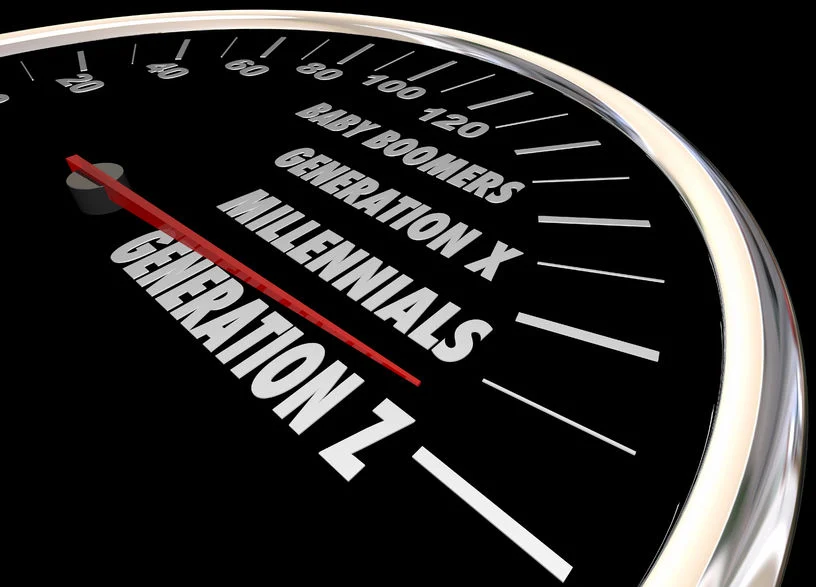
In an ever-evolving job market, understanding the unique dynamics of Generation Z is vital for both employers and job seekers navigating a rapidly shifting professional landscape. Recently, iHire, a leading career-matching platform, published a comprehensive research report titled "Gen Z in the Workforce: Decoding a New Generation of Job Seekers." This significant study delves deep into the job search behaviors, career goals, and challenges faced by individuals born roughly between 1997 and 2012, providing essential insights for bridging the perceived gap between this emerging workforce and today’s employers. The findings illuminate not only the aspirations of Gen Z but also the prevalent misconceptions and the critical areas where both generations must adapt for a more harmonious and productive future.
The Genesis of the Report: Understanding a Pivotal Generation
The iHire report arrives at a crucial juncture in labor market history. As older generations, notably Baby Boomers, continue to exit the workforce, Generation Z is rapidly becoming a dominant demographic. They are not merely filling vacancies; they are reshaping workplace expectations, driven by formative experiences distinct from any preceding generation. Born into a fully digital world, they are true digital natives, adept with technology from an early age. Their adolescence and early adulthood coincided with the Great Recession’s lingering effects, the rise of global social movements, and critically, the profound disruption of the COVID-19 pandemic. These experiences have instilled a unique blend of pragmatism, social consciousness, and a deep appreciation for mental well-being and work-life integration.
iHire, with its specialized focus on industry-specific job boards, is uniquely positioned to gather data from a diverse pool of job seekers and employers across various sectors. The report, drawing on direct survey responses, offers a granular perspective on how Gen Z perceives the job market and how employers perceive them. This mutual understanding, as highlighted by iHire’s President and CEO Steve Flook, is paramount for fostering an employment ecosystem where both sides can thrive. The urgency for this understanding is amplified by ongoing labor shortages in many sectors and the continuous evolution of workplace norms, making the integration of Gen Z not just a demographic shift, but a strategic imperative for businesses worldwide.
Navigating Stereotypes: Perceptions Versus Reality
One of the most striking findings from the iHire report addresses the pervasive stereotypes that often precede Gen Z in the professional world. The study reveals that a significant 34.4% of Gen Z respondents are acutely aware that negative labels—such as being entitled, lacking commitment, or possessing a poor work ethic—could substantially impact their job searches and impede their career progression. This self-awareness underscores the pressure this generation feels to defy preconceived notions. Historically, every incoming generation has faced a barrage of stereotypes from their predecessors, from the "lazy" Gen X to the "entitled" Millennials. Gen Z is no exception, yet their digital fluency allows these narratives to spread and solidify more rapidly.
However, the report also uncovers a more nuanced employer perspective, highlighting positive attributes that often go unacknowledged in mainstream discussions. Many employers recognize Gen Z as inherently "tech-savvy," "socially conscious," and inherently "diverse." These positive perceptions align closely with Gen Z’s own values and priorities. Indeed, a substantial 70.3% of Gen Zers prioritize alignment between their employer’s mission and their personal values, demonstrating a desire for purpose-driven work that extends beyond a paycheck. Furthermore, 68.0% place a high premium on their company’s commitment to diversity, equity, and inclusion (DEI). This commitment is not merely rhetorical; it is a reflection of a generation that grew up in an era of heightened social awareness, digital activism, and increasingly diverse communities. Data from Pew Research Center consistently shows Gen Z to be the most diverse generation in American history, and their experiences have forged a deep commitment to social justice and equitable practices. For employers, embracing these values is not just a moral imperative but a strategic advantage in attracting and retaining top Gen Z talent.
The Soft Skills Chasm: A Disconnect in Expectations
A critical area of divergence identified in the iHire report lies in the realm of soft skills. A significant portion of employers, 58.3%, feel that Gen Z job seekers need to improve their interviewing skills, while 57.5% believe they should enhance their communication with hiring managers and recruiters. This feedback points to a foundational challenge in the initial stages of the hiring process. While 30.4% of Gen Z candidates acknowledge difficulties with interviewing, suggesting some degree of self-awareness, a notable disconnect emerges in other crucial areas.
For instance, 52.8% of employers express concerns about Gen Z’s workplace etiquette, yet a striking 73.7% of Gen Zers confidently rate their own etiquette skills as "excellent" or "good." Similarly, while 48.4% of employers believe that resume writing is an area ripe for improvement, 68.4% of Gen Zers express confidence in their resume-writing abilities. This disparity suggests a potential difference in definition or understanding of what constitutes "good" etiquette, communication, or resume presentation in a professional context. Gen Z, accustomed to digital-first, informal communication, might struggle with the nuances of traditional professional correspondence or face-to-face interactions valued by older generations. Their educational experiences, often emphasizing group projects and digital presentations, might not have adequately prepared them for the specific demands of a formal job interview or the subtleties of office decorum.
Industry data from organizations like the National Association of Colleges and Employers (NACE) consistently highlight communication, teamwork, and problem-solving as top skills employers seek. The iHire findings suggest that while Gen Z may possess these skills, their demonstration in traditional professional settings may not align with employer expectations. This gap necessitates targeted training initiatives from employers and a proactive approach from Gen Z to seek out mentorship and professional development opportunities. The implication is not a lack of capability, but rather a need for translation and adaptation between generational communication styles and professional norms.
The AI Paradox: Fear, Hesitation, and Opportunity
Artificial intelligence (AI) presents a complex, double-edged sword for Generation Z. On one hand, 33.2% of Gen Zers express a palpable fear that AI might replace their jobs or diminish their roles, reflecting broader societal anxieties about automation and the future of work. This concern is understandable given the rapid advancements in AI technology and its potential to automate routine tasks, affecting various industries. A 2023 report by PwC indicated that while AI could boost global GDP, it also poses significant challenges for workforce adaptation, with younger workers often at the forefront of these shifts.
Paradoxically, despite being the most tech-native generation, many Gen Zers are surprisingly slow to adopt generative AI tools in their job searches. The iHire report reveals that a notable 42.7% of Gen Zers have never used AI tools such as ChatGPT to write resumes or cover letters. This hesitancy could stem from several factors: a lack of awareness of AI’s potential benefits in job search, concerns about the authenticity or personalization of AI-generated content, or a preference for human-centric application processes. It could also indicate a generational divide within Gen Z itself, with some adopting these tools readily while others remain skeptical or uninformed. This reluctance, however, could put them at a disadvantage as AI tools become increasingly integrated into hiring processes, from applicant tracking systems (ATS) to initial screening. Employers are already leveraging AI to streamline recruitment, making AI literacy an increasingly vital skill for job seekers. For Gen Z, overcoming this hesitation and strategically integrating AI into their job search strategies could be a critical differentiator in a competitive market.
The Dream Job and Evolving Workplace Preferences
Contrary to the often-repeated stereotype of being non-committal or job-hopping, the iHire report paints a picture of a generation with clear, long-term career aspirations. A significant 69.3% of Gen Zers have a "dream job" in mind that they hope to attain within the next decade, demonstrating a commitment to career growth and purpose. Their workplace priorities further illuminate their values: they prioritize a positive work environment (82.4%), fair pay (82.2%), and work-life balance (81.3%). These preferences reflect a generation that values holistic well-being and a sustainable career path over mere financial gain or traditional hierarchical progression. The emphasis on work-life balance is particularly pronounced, following years of witnessing burnout and mental health struggles among previous generations, exacerbated by the pandemic.
Interestingly, despite being labeled as tech-savvy "Zoomers" who grew up with remote learning, most Gen Zers express a strong preference for in-person work environments. Specifically, 82.4% want to work in person at least some of the time, with 55.8% favoring entirely in-person setups and 26.6% opting for a hybrid model. Only a small minority of 17.6% desire completely remote work. This finding challenges the widely held assumption that digital natives would gravitate towards fully remote setups. The reasons behind this preference are multi-faceted: a desire for social connection and team collaboration, the pursuit of mentorship opportunities, clearer boundaries between work and home life, and a structured environment conducive to learning and development, particularly for those in entry-level roles. A 2023 Microsoft Work Trend Index report similarly noted that Gen Z workers are more likely than any other generation to seek opportunities for in-person connection and mentorship. This insight is crucial for employers designing future workplace strategies, suggesting that a blanket remote policy might not resonate with this emerging demographic.
Furthermore, while 36.7% of Gen Zers seek roles that offer autonomy, a relatively smaller 22.0% aspire to managerial positions. This indicates a preference for impactful work and individual contribution over traditional leadership hierarchies, suggesting a potential shift in how future leadership pipelines will need to be cultivated and structured. They seek influence and agency, perhaps valuing project leadership or subject matter expertise more than formal managerial titles.
Challenges in the Job Market: Barriers to Entry
Gen Z job seekers face considerable hurdles in their quest for meaningful employment. A significant 38.6% report struggling to find jobs that truly match their skills and experience. This challenge is compounded by the "experience paradox," where entry-level positions often demand prior experience, creating a seemingly insurmountable barrier for new graduates or those transitioning careers. Adding to this frustration, 25.6% of Gen Zers are exasperated by what they perceive as overly specific or unrealistic job requirements from employers. This phenomenon, often dubbed "job description inflation," leads to high barriers to entry-level opportunities, pushing qualified candidates out of consideration.
Economic analysis consistently points to this friction in the labor market. A 2022 report by the Burning Glass Institute found that employers often raise job requirements even for positions that don’t necessitate advanced skills, contributing to the challenges faced by new entrants. This trend not only prolongs job searches for Gen Z but can also lead to underemployment, where individuals take jobs below their skill level, impacting their career trajectory and overall job satisfaction. The implications extend to employers as well, as overly stringent requirements can limit the talent pool and lead to missed opportunities for hiring capable, albeit less experienced, candidates who could be trained and developed.
Moving Forward: Bridging the Generational Gap
The iHire report serves as a critical call to action for both employers and Gen Z candidates. As Steve Flook, iHire’s President and CEO, emphasizes, "Generation Z possesses unique perspectives and values shaped by growing up in the digital age and experiencing the pandemic during their formative years. As Gen Z permeates the workforce, employers need to understand how to recruit, retain, engage, and motivate this group. Likewise, Gen Z candidates must understand employers’ expectations and how to best market themselves to find the right jobs. Our report aims to provide insights to both sides to move the employment market toward a brighter future."
For Employers:
The report underscores the necessity for a paradigm shift in recruitment and talent management strategies. This includes:
- Rethinking Job Descriptions: Moving towards skills-based hiring, focusing on competencies rather than strictly years of experience, and ensuring job requirements are realistic and reflective of actual role needs.
- Investing in Training and Mentorship: Recognizing the soft skills gap and actively providing training programs, mentorship opportunities, and clear feedback mechanisms to help Gen Z develop traditional workplace etiquette, communication, and interviewing skills.
- Fostering Inclusive Cultures: Demonstrating genuine commitment to DEI and aligning company mission with social values to resonate with Gen Z’s ethical priorities.
- Offering Competitive Compensation and Flexibility: Beyond salary, providing comprehensive benefits, opportunities for autonomy, and reasonable work-life balance to meet their holistic needs.
- Addressing AI Integration: Educating Gen Z on the strategic use of AI tools in their job search and within the workplace, transforming fear into proficiency.
For Gen Z Job Seekers:
The insights offer actionable strategies for navigating the job market more effectively:
- Proactive Skill Development: Actively seeking out opportunities to enhance soft skills through online courses, workshops, and practical experiences like internships or volunteer work.
- Understanding Employer Expectations: Researching company cultures, understanding traditional professional communication norms, and tailoring applications to specific employer needs.
- Leveraging Unique Strengths: Highlighting their tech savviness, adaptability, and commitment to social responsibility as valuable assets.
- Strategic Networking: Engaging in both online and in-person networking to build connections and gain insights into industry expectations.
Broader Implications and the Future Workforce
The successful integration of Generation Z into the workforce has profound economic and societal implications. A more effective alignment between employer expectations and Gen Z’s aspirations can lead to increased productivity, reduced turnover, and a more innovative work environment. As Gen Z brings fresh perspectives, digital fluency, and a strong ethical compass, they are poised to drive innovation and push for more sustainable and equitable business practices. Their preference for autonomy and impact over hierarchical roles could foster more agile and collaborative organizational structures.
However, if the disconnect persists, the labor market risks inefficiencies, increased frustration, and a potential talent drain, particularly in industries struggling to adapt. The ongoing dialogue between generations, facilitated by comprehensive research like iHire’s report, is essential for fostering an adaptive and resilient workforce. The future of work is not just about technology; it’s about people, and understanding the motivations, challenges, and aspirations of its newest members is paramount for sustained growth and prosperity. The journey to a brighter employment future requires continuous learning, empathy, and a mutual commitment to bridging the generational divides that, while natural, can be overcome with deliberate effort and open communication.