
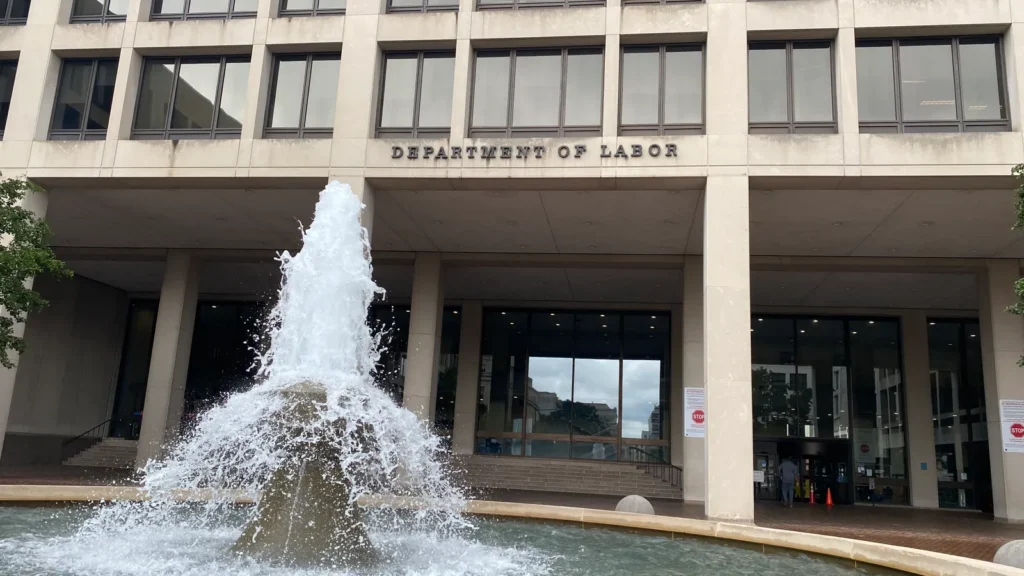
The U.S. Department of Labor (DOL) has issued a crucial set of four opinion letters, providing comprehensive clarifications on complex overtime calculation issues under the Fair Labor Standards Act (FLSA). Published on June 1, 2026, these letters, spearheaded by Wage and Hour Division Administrator Andrew Rogers, offer invaluable guidance to employers grappling with scenarios ranging from hybrid exempt-nonexempt roles to the intricacies of bonus compensation and compensable time. The move underscores the DOL’s renewed commitment to providing clear compliance assistance, particularly following the relaunch of its opinion letter program in mid-2025 and the recent rescission of the 2024 Biden administration’s overtime final rule.
Among the most impactful of the new directives is FLSA2026-5, which addresses the nuanced situation of exempt professionals performing nonexempt duties. In a scenario presented by a hospital, the DOL affirmed that staff classified as overtime-exempt specialists can simultaneously undertake shifts performing nonexempt staff nurse work during the same workweek without jeopardizing their exemption status under the FLSA. The core of this determination lies in the "primary duty" test, a fundamental component of FLSA exemption criteria. Administrator Rogers reiterated that the FLSA’s executive, administrative, and professional (EAP) overtime exemption applies to employees whose primary duty involves the performance of exempt work. For the hospital specialists, even when they occasionally took up to two weekend shifts per week performing nonexempt staff nurse work, their primary duty remained their exempt specialist role. Importantly, the letter also clarified that employers are permitted to provide additional hourly compensation for this nonexempt work without violating the FLSA’s salary-basis requirement, provided the employee’s guaranteed salary meets the minimum threshold and is not subject to improper deductions based on the quality or quantity of work performed.
A second critical letter, FLSA2026-6, delves into the complexities of incorporating quarterly bonuses into overtime pay calculations. The case involved an employer with a quarterly bonus program where awards were determined by a formula: a percentage of the employer’s total gross compensation paid to all eligible employees during the quarter, multiplied by the available bonus pool amount. The employer initially believed that the bonus itself inherently covered any required overtime pay. However, the DOL clarified that such an arrangement is compliant with the FLSA only if the bonus amount is calculated as a percentage of the employee’s total earnings—encompassing both straight-time and overtime earnings—and crucially, does not dilute the overtime portion of that ratio. This means the bonus cannot be solely tied to straight-time wages in a way that effectively reduces the overtime rate. This ruling reinforces the importance of accurately calculating the "regular rate of pay," which includes most forms of compensation, for all non-exempt employees when determining overtime premiums.
The two remaining letters issued concurrently on Thursday, FLSA2026-7 and FLSA2026-8, tackle the compensability of specific activities outside of core work hours. FLSA2026-7 provides guidance on off-site travel during meal periods, an area frequently ambiguous for employers, particularly those with mobile workforces. Generally, bona fide meal periods where an employee is completely relieved of duties are not compensable. However, this letter likely addresses scenarios where travel during a meal period might be considered part of the employee’s principal duties or where the employee is not truly free from all work-related responsibilities, thereby making the travel time compensable. Similarly, FLSA2026-8 focuses on pre-shift activities and waiting time, further refining the parameters of what constitutes compensable work. This could include tasks like mandatory equipment checks, security screenings, or required preparation before the official start of a shift, as well as situations where an employee is "engaged to wait" rather than "waiting to be engaged."
The Broader Context: The FLSA and Its Exemptions
To fully appreciate the significance of these opinion letters, it is essential to understand the foundational principles of the Fair Labor Standards Act (FLSA). Enacted in 1938, the FLSA is a federal law that establishes minimum wage, overtime pay, recordkeeping, and youth employment standards affecting full-time and part-time workers in the private sector and in federal, state, and local governments. Its primary objective is to protect the welfare of workers by ensuring fair labor practices.
A cornerstone of the FLSA is its requirement for employers to pay non-exempt employees time-and-a-half their "regular rate of pay" for all hours worked over 40 in a workweek. However, the Act also provides for certain exemptions, most notably the "white-collar" exemptions for executive, administrative, and professional (EAP) employees. To qualify for these exemptions, employees must meet three stringent tests:
- Salary Basis Test: They must be paid a predetermined, fixed salary that is not subject to reduction because of variations in the quality or quantity of work performed.
- Salary Level Test: Their salary must meet a minimum specified amount (which has been subject to frequent updates and regulatory changes, as seen with the recent rescission).
- Duties Test: Their primary duty must involve the performance of exempt work, as defined by specific criteria for executive, administrative, or professional roles. This "primary duty" test is central to the FLSA2026-5 letter concerning hospital specialists. While "primary duty" generally implies spending more than 50% of one’s time on exempt tasks, the DOL acknowledges that this is not a rigid rule and other factors, such as the relative importance of exempt duties, discretion exercised, and the relationship between the employee’s salary and non-exempt wages, can also be considered.
These exemptions are critical for employers, as they allow for greater flexibility in scheduling and compensation for highly skilled or managerial roles. However, misclassifying employees as exempt can lead to significant back pay liabilities, fines, and reputational damage, making DOL guidance indispensable.
Revitalizing Guidance: The DOL Opinion Letter Program
The issuance of these four letters is part of a broader revitalization of the DOL’s opinion letter program. This program serves as a vital resource for employers, employees, and labor organizations seeking official interpretations of federal labor laws. Opinion letters are written statements issued by the Wage and Hour Division (WHD) Administrator in response to specific factual inquiries about how particular laws apply to specific situations.
Historically, the program has experienced periods of activation and suspension, often reflecting changes in administrative priorities. Its relaunch in mid-2025 marked a significant return to a more proactive approach by the DOL in providing formal, written compliance assistance. While opinion letters do not carry the full force of law, they offer a "safe harbor" for employers: if an employer acts in good faith reliance on a WHD opinion letter, they typically cannot be held liable for FLSA violations that contradict the guidance. This certainty is invaluable in reducing legal and financial risks associated with complex wage and hour issues.
The process for requesting an opinion letter requires a detailed, factual scenario and a clear explanation of the legal question at hand. As attorneys have previously advised HR Dive, applicants should outline a specific, factual scenario with a detailed explanation of the employer’s assumptions about the law or regulations at issue, taking care not to include sensitive information that the employer does not want revealed in a publicly accessible document.
A Pattern of Clarification: Recent DOL Activity

The latest batch of opinion letters is not an isolated event but rather part of a continuous effort by the DOL to clarify FLSA compliance since the program’s relaunch. A brief chronology highlights this pattern:
- Mid-2025: The DOL officially relaunches its opinion letter program, signaling a renewed commitment to providing specific guidance.
- October 2025: The DOL issues a series of letters, including one that clarified overtime pay requirements for an employee working for two separate but operationally integrated businesses. This addressed the concept of "joint employment" and how hours worked for different entities within a unified enterprise must be aggregated for overtime purposes.
- January 2026: Further letters are released, focusing on the role of certain performance-based bonuses in overtime pay calculations and clarifying the compensability of various pre-shift activities. These letters began to lay the groundwork for the more detailed guidance seen in the current batch regarding bonus structures and pre-shift time.
- May 2026 (prior to June 1 publication): The DOL rescinds the overtime final rule issued by the Biden administration in 2024. This action effectively formalized a return to the 2019 salary threshold for white-collar exemptions, which was established under the previous administration. The 2024 rule had sought to significantly increase the minimum salary level for exemption, which would have impacted millions of workers and hundreds of thousands of businesses. The rescission signifies a policy pivot, likely aimed at providing greater stability and predictability for employers who had been preparing for or adjusting to the higher thresholds.
- May 30, 2026 (Thursday, preceding the article’s publication): The four new opinion letters (FLSA2026-5 through FLSA2026-8) are officially issued, building on previous clarifications and addressing new, complex scenarios.
This timeline demonstrates a clear and consistent strategy by the DOL to refine its interpretation of FLSA regulations, particularly in areas that generate frequent employer inquiries and potential compliance pitfalls. The connection between the rescission of the 2024 overtime rule and the issuance of these new letters suggests a coordinated effort to streamline and clarify FLSA requirements under a specific policy framework. Acting Labor Secretary Keith Sonderling has previously lauded the opinion letter program as a crucial tool for compliance, emphasizing its role in helping employers navigate the intricacies of federal labor law.
Implications for Employers and HR Professionals
The new opinion letters carry significant implications for businesses and human resources departments across various sectors. For employers, these clarifications offer a roadmap to ensure FLSA compliance, potentially mitigating the risk of costly litigation and enforcement actions. The guidance on hybrid roles (FLSA2026-5) is particularly relevant for industries like healthcare, where skilled professionals often take on varied duties due to staffing needs or specialized expertise. It provides a framework for compensating such roles without inadvertently losing an exemption, offering both flexibility for employers and additional earning opportunities for employees.
The detailed guidance on bonus compensation (FLSA2026-6) is crucial for any organization employing incentive programs. Employers must now meticulously review their bonus structures to ensure they properly factor into the regular rate of pay for overtime calculations. Failure to do so could result in underpayment of overtime, leading to back wages and penalties. HR professionals will need to update their payroll systems, review compensation policies, and provide training to managers to ensure adherence to these refined standards.
Similarly, the letters on travel during meal periods and pre-shift activities (FLSA2026-7 and FLSA2026-8) necessitate a re-evaluation of timekeeping practices. Employers must ensure that all compensable time, no matter how seemingly minor, is accurately recorded and paid. This may involve adjusting clock-in/clock-out procedures, clarifying policies on meal breaks, and providing explicit instructions to employees about what activities are considered work time. For HR departments, this means updating employee handbooks, conducting compliance audits, and potentially retraining supervisors on accurate time recording.
These letters also highlight the dynamic nature of wage and hour law. What was considered compliant yesterday might require adjustment today based on new interpretations. Therefore, continuous vigilance, proactive policy review, and open communication with legal counsel are paramount for HR professionals.

Stakeholder Reactions and Future Outlook
While the article does not provide specific reactions from various stakeholders, it is reasonable to infer a generally positive reception from employer associations and HR professionals, who consistently advocate for greater clarity in regulatory enforcement. The predictability offered by opinion letters is highly valued as it helps businesses plan and operate with greater confidence.
Conversely, worker advocacy groups might scrutinize these letters to ensure that the interpretations do not inadvertently erode worker protections. Any guidance that appears to broaden exemptions or reduce compensable time could be met with calls for further review or legislative action. However, the DOL’s stated aim is typically to provide balanced guidance that upholds the spirit of the FLSA while offering practical solutions for employers.
Looking ahead, the DOL’s consistent issuance of opinion letters signals an ongoing commitment to providing detailed, fact-specific guidance. This proactive approach helps to preempt litigation by offering clear compliance pathways. As the modern workforce continues to evolve, presenting new challenges in areas like remote work, gig economy models, and evolving compensation structures, the demand for such authoritative interpretations will only grow. Employers and HR professionals should view these letters as essential tools for maintaining compliance and adapting their practices in an ever-changing regulatory landscape.
In conclusion, the latest set of opinion letters from the U.S. Department of Labor represents a significant development in FLSA compliance. By addressing intricate scenarios involving exempt professionals, bonus calculations, and compensable time, the DOL is providing much-needed clarity. These documents, coupled with the ongoing revitalization of the opinion letter program and the strategic policy shifts regarding overtime rules, underscore the importance for all employers to remain diligently informed and proactive in their adherence to federal wage and hour laws.






