
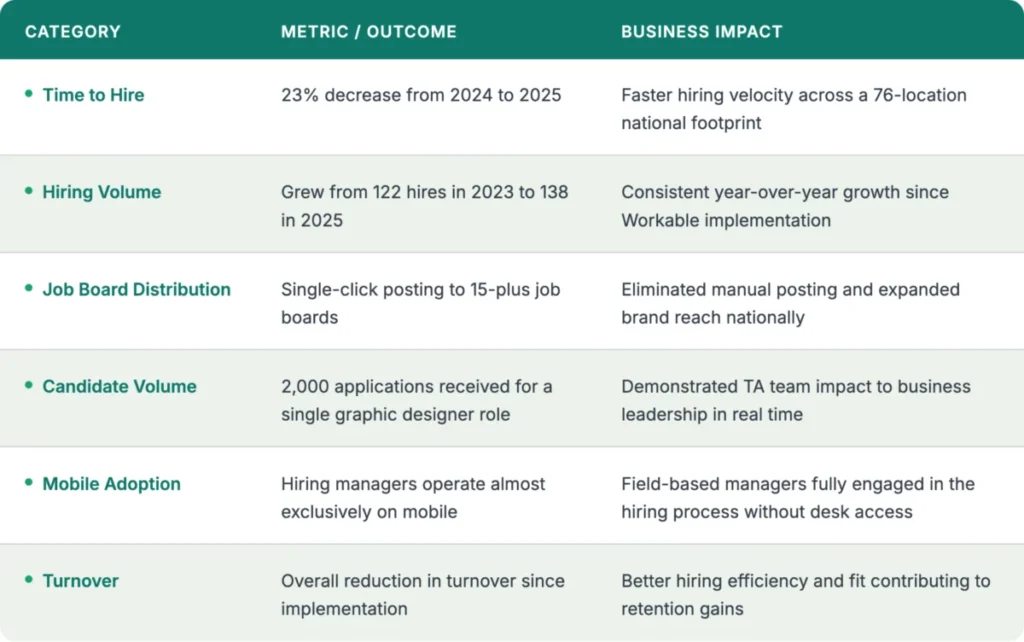
LandCare, a prominent national commercial landscape management company operating across 76 locations in 23 states and employing approximately 4,000 individuals during peak season, has successfully transformed its talent acquisition strategy through the comprehensive adoption of Workable, an advanced applicant tracking system (ATS). This strategic overhaul has resulted in measurable improvements, including a significant 23% reduction in time-to-hire, increased hiring velocity for critical branch-level positions, and an elevated strategic role for its talent acquisition team within the organization. The transition from an antiquated, manual system to a streamlined, mobile-first platform underscores a growing industry trend towards leveraging sophisticated HR technology to overcome the unique challenges of managing a large, geographically dispersed workforce.
Unpacking LandCare: A National Presence with Unique Hiring Demands
LandCare stands as a formidable player in the commercial landscape management sector, its expansive footprint covering nearly half of the United States. With operations spanning from bustling urban centers to vast regional territories, the company’s need for a robust and adaptable talent acquisition framework is paramount. The scale of its workforce, swelling to approximately 4,000 during its busiest periods, necessitates a continuous and efficient hiring pipeline. This dynamic environment requires a talent acquisition strategy that can not only attract a diverse pool of candidates but also seamlessly integrate with the operational realities of a field-based business.
At the helm of LandCare’s talent acquisition efforts is Alex Kline, Director of Talent Acquisition and Employee Services. Kline leads a dedicated team of six recruiters responsible for a broad spectrum of roles, including exempt-level, corporate, and executive positions. Beyond direct hiring, this team also functions as crucial subject matter experts and advisors, providing essential guidance to individual branches managing their own crew-level recruitment initiatives. The diverse roles LandCare seeks to fill range from branch administrators, production managers, account managers, and branch managers to various corporate functions such as finance, IT, human resources, marketing, and operations. Periodically, the team also undertakes executive searches for vice president and director-level roles, requiring a system capable of handling highly specialized and sensitive recruitment processes. For all these varied hiring needs, Workable has become the unifying technological backbone, ensuring consistency and efficiency across the entire enterprise.
The Pre-Workable Era: A System Strained by Antiquity
Before the strategic pivot to Workable, LandCare’s talent acquisition operations were encumbered by a rudimentary system: a plugin integrated within UKG, primarily functioning as a processing tool rather than a comprehensive applicant tracking system. This setup presented significant operational bottlenecks, rendering the recruitment process manual, cumbersome, and inherently limited in its scope. As LandCare continued its trajectory of growth, the inefficiencies of this legacy system became increasingly unsustainable.
"It was a very antiquated process," Alex Kline remarked, reflecting on the challenges. "There was really nothing about it that allowed us to manage our recruitment effort through that system. We were managing it kind of outside and then just processing everything through it." This reliance on external, ad-hoc methods meant that critical aspects of recruitment, such as candidate communication, pipeline management, and data tracking, were fragmented and prone to manual error. The absence of a dedicated ATS meant a lack of centralized control and visibility, making it difficult to scale hiring efforts proportionally with the company’s expansion.
A particularly acute pain point was the process of job postings. The UKG integration was designed to push job openings exclusively to LandCare’s internal careers page. Any additional external platforms, such as industry giants LinkedIn and Indeed, necessitated separate, manual posting efforts for each role. This laborious, repetitive task consumed valuable time and resources, directly impeding the company’s ability to swiftly reach a wide candidate audience. In an increasingly competitive labor market, where speed and reach are critical determinants of hiring success, this operational friction was a clear impediment to LandCare’s strategic growth objectives. The recognition that this inefficient workflow could no longer support the company’s evolving needs initiated a thorough and deliberate search for a modern, integrated solution.
Strategic Shift: The Rigorous Search for a Modern ATS Solution
Understanding the critical need for an upgrade, Alex Kline spearheaded an exhaustive evaluation process to identify a suitable applicant tracking system. This comprehensive search began with an initial pool of approximately ten different platforms, meticulously vetted against LandCare’s specific requirements. Through a rigorous comparative analysis, this list was systematically narrowed down to five, then three, and finally, two finalists. The meticulous nature of this selection process underscored LandCare’s commitment to finding not just an upgrade, but a truly transformative solution that aligned with its unique operational model.
The competing finalist in this rigorous selection process presented a compelling array of features, including robust reporting capabilities and a comprehensive suite of tools designed to appeal to seasoned talent acquisition professionals. These advanced functionalities initially resonated with Kline’s recruiting team, promising sophisticated data analysis and enhanced process management. However, LandCare’s distinctive organizational structure, characterized by a substantial proportion of field-based hiring managers, introduced a unique and critical challenge. Unlike typical office-based environments, many of LandCare’s managers operate primarily outdoors, at job sites, or from their vehicles, often without immediate access to a desktop computer. This reality meant that any chosen platform needed to be exceptionally user-friendly, accessible from anywhere, and require minimal onboarding to ensure genuine engagement from these crucial stakeholders.
It was precisely this challenge that Workable adeptly addressed, ultimately distinguishing itself as the clear choice. Workable’s intuitive design and accessible user experience proved to be a decisive factor. "If we would have put the other platform in front of our hiring managers, we would have never been able to get the buy-in from them that we have now," Kline explained. "Workable makes it so simple for them." The platform successfully bridged the gap between functional depth and user simplicity, offering the necessary reporting capabilities and advanced features for the TA team while simultaneously providing a streamlined, easy-to-adopt interface for field-based hiring managers. This potent combination of sophisticated functionality and unparalleled ease of use was the fundamental reason Workable emerged victorious, promising not just an operational upgrade, but a cultural shift towards broader hiring manager engagement.
Seamless Transition: A Phased Implementation Masterclass
The successful deployment of Workable across LandCare’s extensive network was orchestrated through a meticulously planned and executed phased implementation strategy, personally led by Alex Kline who served as the project manager. Collaborating closely with Workable’s dedicated implementation partner, Kashaw, Kline adopted a deliberate approach to avoid overwhelming the organization with a simultaneous overhaul of every element. Instead, components were strategically delegated, ensuring a smooth and efficient transition.
For instance, the internal talent acquisition team took charge of developing and customizing candidate communication templates, tailoring them to LandCare’s brand voice and specific recruitment workflows. Concurrently, the human resources team focused on aligning LandCare’s intricate organizational structure within Workable, meticulously mapping it to the company’s existing HRIS (Human Resources Information System). This crucial step ensured a logical and coherent candidate flow across both systems, preventing data discrepancies and streamlining administrative processes. This collaborative, segmented approach fostered a highly effective working relationship with the implementation partner. "The relationship was very symbiotic," Kline noted, highlighting the responsiveness and efficacy of the collaboration. "We’d bring things to their attention in the afternoon and come back the next morning to viable solutions."
This agile and responsive implementation strategy yielded impressive results within a remarkably short timeframe. The internal talent acquisition team achieved full operational capability on Workable within a mere six weeks. This initial period allowed the team to fine-tune workflows, document any edge cases, and ensure complete familiarity with the system. Following this internal testing phase, the platform was officially launched to the broader business, encompassing all hiring managers and relevant stakeholders. Within eight weeks of the initial implementation, LandCare achieved full company adoption, a testament to the platform’s intuitive design and the well-executed rollout plan. This rapid and successful integration minimized disruption and quickly positioned the company to reap the benefits of its new talent acquisition infrastructure.
Elevating Talent Acquisition: Enhanced Visibility and Strategic Credibility
One of the most profound and perhaps unexpected outcomes of Workable’s implementation at LandCare has been the dramatic increase in transparency and visibility it has afforded the talent acquisition function. By granting hiring managers direct access to the platform and enabling them to view their own job pipelines, Workable has demystified the recruitment process, offering a clear window into the significant effort invested in every single hire. This newfound transparency has been instrumental in reshaping perceptions and elevating the TA team’s standing within the company.
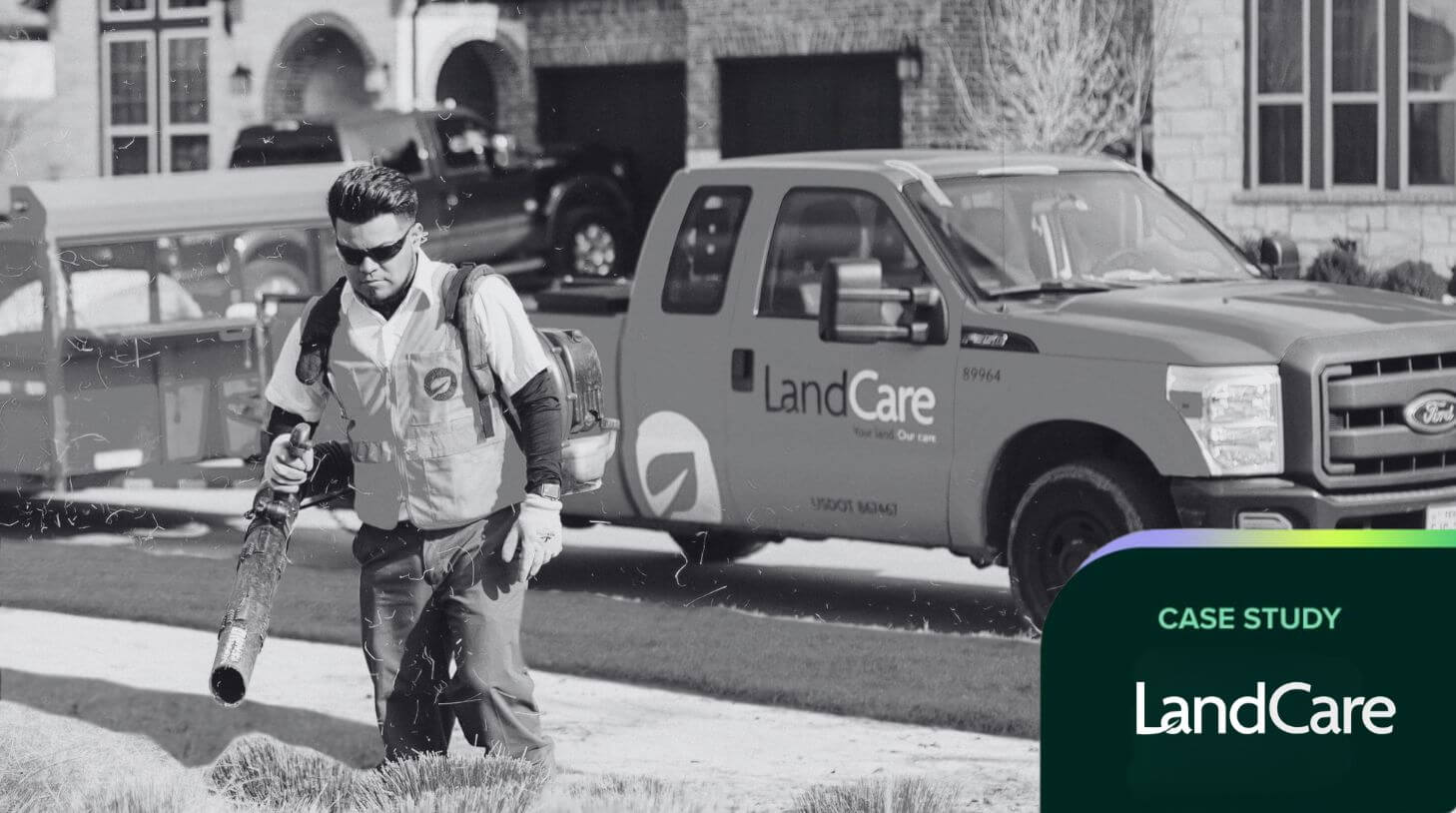
A particularly illustrative anecdote involves LandCare’s marketing director, who posted a graphic designer role and was taken aback by receiving 2,000 applications in a single month. This experience fundamentally altered her understanding of the TA team’s work. "For her to understand that yes, you may only be seeing five candidates you like to talk to, but this is the level of effort that went into it," Kline recounted. He elaborated on the arduous screening process: "Out of 400 candidates, we disqualified 350, scheduled calls with 50, only 30 showed up, we liked 15 of those, 10 made it through the behavioral assessment, and those are your top five." This detailed breakdown provided undeniable evidence of the rigorous and time-consuming work involved in sourcing and vetting candidates.
The direct implication of this enhanced visibility is a significant boost in the TA team’s "street credit" within the business. Hiring managers now possess a tangible appreciation for the complexity and dedication required to deliver qualified candidates. This understanding has not only fostered stronger collaborative relationships between the TA department and the various business units it serves but has also substantially elevated the function’s credibility with senior leadership. The ability to clearly articulate the value and effort behind each hire has transformed the TA team from a perceived administrative function into a recognized strategic partner, integral to the company’s overall success.
Tangible Results: Data-Driven Success in Hiring and Retention
Workable was implemented in the fall of 2023, and its impact on LandCare’s hiring metrics has been both immediate and compounding, demonstrating a clear upward trend in efficiency and volume. Analyzing four core branch-level positions, the data reveals a compelling narrative of growth and improved performance. In 2023, the last full year operating under the previous UKG system, LandCare hired 122 individuals for these roles. Following the Workable implementation, this number saw a healthy increase to 136 hires in 2024, further rising to 138 in 2025. This consistent year-over-year growth in hiring volume for critical positions underscores the platform’s effectiveness in supporting LandCare’s expansion.
Concurrently, the critical metric of time-to-hire moved in the desired direction. From 2024 to 2025, LandCare experienced a remarkable 23% decrease in its time-to-hire. This acceleration in the recruitment cycle means that positions are filled faster, reducing operational gaps, minimizing potential revenue loss due to understaffing, and enhancing overall productivity. Importantly, this increase in speed has been achieved while maintaining, and arguably improving, the quality of candidates reaching hiring managers, a crucial balance in effective talent acquisition.
Beyond hiring metrics, Workable’s influence has extended to broader organizational health, with turnover rates also showing improvement since its implementation. While Alex Kline rightly acknowledges that a reduction in turnover is rarely attributable to a single factor, he emphasizes that the comprehensive benefits of Workable have played a significant contributing role. The ability to move candidates through the pipeline more swiftly, coupled with an expanded reach to a wider talent pool, directly contributes to better quality hires. Furthermore, the enhanced visibility and engagement of hiring managers in their own pipelines likely lead to more informed and collaborative hiring decisions. These combined factors foster a stronger initial fit between employee and role, ultimately contributing to improved retention outcomes across the organization. The data unequivocally tells a story of an investment in technology yielding tangible, positive returns across multiple critical HR and operational indicators.
Operational Efficiencies and Enhanced Candidate Experience
The operational advantages conferred by Workable extend far beyond raw hiring numbers, fundamentally reshaping how LandCare recruits and interacts with potential employees. The most immediate and impactful shift has been in the job posting process. Where the UKG plugin limited distribution to the company’s careers page and necessitated laborious manual re-posting to external platforms, Workable now automates this critical step. With a single click, LandCare can distribute job openings to over 15 distinct job boards, dramatically expanding its reach and reducing administrative overhead.
While LinkedIn and Indeed remain primary sources for candidates, this broader, multi-channel distribution strategy carries significant benefits beyond mere application volume. Alex Kline emphasizes the brand awareness advantage: "Just having your brand out there in all the different areas ultimately drives applicants to you in other ways as well." This pervasive online presence reinforces LandCare’s employer brand, making it more recognizable and attractive to passive candidates who might encounter their postings incidentally across various platforms.
For a company like LandCare, where hiring managers are predominantly in the field—at job sites, in trucks, or in transit—the Workable mobile app has proven to be an indispensable tool, serving as the primary interface for many. In fact, field-based hiring managers at LandCare utilize the mobile app almost exclusively. The functionality allows managers to receive instant notifications when a candidate progresses to a new stage in the workflow. From their phone, they can click directly into Workable, review resumes, and promptly approve or pass on candidates. This eliminates the need for a laptop or desktop, eradicating delays often associated with waiting for managers to return to an office. Alex Kline himself utilizes the mobile app daily, frequently approving offer letters on the go. "That is probably one of the biggest highlights of the system," he states. "Our hiring managers – that’s all they use." This mobile-first approach directly addresses the logistical realities of a field-based workforce, ensuring that the hiring process remains fluid and responsive, regardless of location.
Workable’s reporting capabilities further enhance LandCare’s strategic decision-making. The platform’s built-in reporting provides an immediate operational view of key metrics such as hiring velocity and time-to-hire, offering a quick pulse on recruitment performance. However, for more sophisticated analysis, LandCare’s team leverages Workable’s data integration capabilities, pulling raw data directly into Power BI. This allows them to run highly customized reports through their own data warehouse, providing deeper insights tailored to specific business needs. "It’s easy to communicate with the internal mainframe of Workable," Kline explains. "We’re able to pull that data into Power BI and run very custom reports." This adaptability, combining native, user-friendly reporting with the flexibility for advanced external analytics, underscores Workable’s suitability for LandCare’s complex data requirements.
Beyond internal efficiencies, Workable has also significantly improved the candidate experience. The self-scheduling links are a consistently praised feature, with positive feedback directly from candidates. The ability to receive a stage-advancement email and immediately book a Teams interview, without the cumbersome back-and-forth typical of manual scheduling, creates a seamless and professional impression. Furthermore, custom application questions add a crucial layer of precision to the recruitment process. LandCare utilizes these questions to gather vital sourcing attribution data from LinkedIn messaging campaigns, helping them understand the effectiveness of different outreach efforts. They also employ custom questions for intern candidates to indicate their preferred region, providing practical information that aids in routing and prioritizing applicants without adding manual steps to the process. These features collectively contribute to a more efficient, data-driven, and candidate-friendly recruitment ecosystem.
Broader Implications: A Model for Distributed Workforces
The success story of LandCare’s Workable implementation offers a compelling case study for other large, geographically distributed, and field-based organizations. The challenges faced by LandCare – managing a high volume of diverse hires across multiple locations, engaging field-based managers, and struggling with an outdated, manual system – are common across various industries, from construction and logistics to retail and healthcare. Workable’s ability to deliver a user-friendly, mobile-first experience combined with robust backend functionality demonstrates a strategic blueprint for overcoming these hurdles.
The enhanced visibility and credibility gained by LandCare’s talent acquisition team highlight a broader trend in human resources: the shift from a purely administrative function to a strategic business partner. By providing transparent data and demonstrating the tangible effort behind each hire, Workable has empowered LandCare’s TA team to prove its value and influence C-suite decisions. This strategic elevation is crucial for companies seeking to optimize their human capital, particularly in competitive labor markets where talent acquisition directly impacts operational success and competitive advantage.
Furthermore, the improvements in time-to-hire and turnover suggest a positive impact on the company’s bottom line. Faster hiring reduces the costs associated with vacant positions, such as lost productivity and overtime for existing staff. Improved retention, even partially attributable to better hiring processes, significantly cuts down on recruitment, onboarding, and training costs, while fostering a more experienced and stable workforce. The ability to project a strong employer brand through widespread job distribution also contributes to long-term talent attraction and market positioning.
Conclusion: A Resounding Endorsement for Modern Talent Acquisition
Without question, LandCare unequivocally recommends Workable. The transformation of its talent acquisition function from a manual, limited system to a nationally coordinated, data-driven recruiting powerhouse is a testament to the platform’s efficacy. For field-based organizations navigating the complexities of distributed hiring across dozens of locations, the capacity to genuinely engage hiring managers without extensive, time-consuming training is, in itself, a significant competitive advantage.
The numbers vividly illustrate this success: a remarkable 23% faster time-to-hire, 138 hires across four core branch positions in a single year (2025), and a talent acquisition team that has not only streamlined operations but also earned significant credibility with leadership. This credibility stems directly from the platform’s ability to make the intricate and often arduous work of talent acquisition visible, quantifiable, and strategically impactful. LandCare’s journey with Workable serves as a powerful example of how strategic investment in modern HR technology can drive profound operational efficiencies, enhance organizational credibility, and ultimately, foster sustained growth and success in a dynamic industry.






