At its core, employee productivity transcends mere task completion; it is fundamentally about empowering individuals to focus on high-value work, supported by the right resources, and to make consistent progress without undue hindrance. This ideal state, however, remains a significant challenge for many organizations globally. Recent data from 2025 reveals that a mere 20% of employees worldwide reported being actively engaged in their work. This pervasive disengagement is not a minor operational hiccup; it translates into an estimated $10 trillion in lost productivity annually across the globe, a staggering figure that underscores the urgent need for strategic intervention. The roots of this productivity deficit are rarely dramatic; instead, they are often structural and systemic, manifesting as unclear priorities, disjointed technological tools, inconsistent recognition, and a prevalence of work that feels busy rather than truly meaningful.
This article delves into the contemporary landscape of employee productivity, dissecting the multifaceted issues contributing to its decline and presenting a comprehensive framework of ten practical, evidence-backed strategies designed to synchronize efficiency with engagement. From simplifying internal communications to fortifying recognition programs, the goal is to cultivate a workplace where these two critical elements synergize rather than compete for organizational attention.
Understanding the Evolving Landscape of Employee Productivity
Employee productivity, in its most comprehensive definition, refers to the efficiency with which individuals complete their assigned tasks, typically quantified by the quality and quantity of output relative to the input of time and resources. It is crucial to distinguish this from simply "busyness." A highly productive employee is not necessarily the one clocking the most hours or checking off the most items; rather, it is the one who consistently delivers high-quality work within reasonable timeframes, contributing meaningfully to organizational objectives.
The prevailing understanding of productivity has shifted significantly. Historically, it was often viewed through a purely industrial lens, focusing on quantifiable output. However, the rise of the knowledge economy and the increasing complexity of modern work have necessitated a more nuanced perspective. Today, sustainable productivity is understood as a delicate balance between efficiency and employee well-being. The pursuit of relentless output without regard for human limits inevitably leads to burnout, a state detrimental to both individual health and organizational performance. Research by Gallup consistently demonstrates that engaged employees are significantly more productive—approximately 17% more—than their disengaged counterparts. This statistic alone highlights that fostering a positive, supportive work environment is not merely a moral imperative but a critical business strategy. The adage "a happy team is a productive team" has moved from anecdotal wisdom to an empirically supported truth, emphasizing the need to drive performance without compromising the human element.
The current global productivity challenge is further compounded by the seismic shifts in work models brought about by the recent pandemic. The rapid adoption of remote and hybrid work, while offering flexibility, has also introduced new complexities related to communication, collaboration, and maintaining a cohesive company culture. Organizations are grappling with how to sustain engagement and productivity in distributed environments, where traditional oversight mechanisms are less effective and the lines between work and personal life often blur. This background underscores the urgency for organizations to adapt and implement strategies that address these new realities.
Ten Pillars for Elevating Workplace Productivity
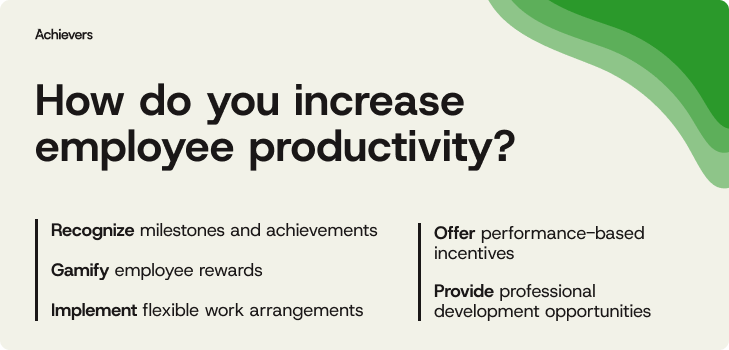
Increasing employee productivity is a perpetual objective for any thriving organization. Yet, the modern approach recognizes that this is less about demanding harder work and more about cultivating smarter, more effective ways of working. By strategically addressing core elements such as recognition, goal clarity, communication efficacy, and work-life integration, companies can forge a workforce that is not only more efficient but also profoundly motivated and deeply engaged.
Here are ten actionable strategies to boost productivity while simultaneously safeguarding and enhancing employee morale:
1. Cultivate a Robust Culture of Recognition and Engagement
Recognition is far more than a simple pat on the back; it is a strategic tool for reinforcing behaviors that directly contribute to organizational success. When employees consistently perceive that their contributions are seen, valued, and celebrated, their intrinsic motivation and engagement levels soar. This fosters a self-perpetuating cycle where individuals are more inclined to invest discretionary effort in areas that truly matter. Consistent, timely, and specific recognition builds momentum, enhances morale, and, critically, provides clear behavioral benchmarks for what constitutes high performance. Studies, such as those from Bersin by Deloitte, indicate that companies with robust recognition programs experience 31% lower voluntary turnover rates and significantly higher employee engagement. This translates directly into sustained productivity and knowledge retention.

2. Establish Unambiguous Goals and Expectations
Productivity suffers profoundly in an environment characterized by vague objectives or constantly shifting priorities. Clear, measurable goals provide employees with a shared understanding of paramount objectives and transparent metrics for success. Frameworks like SMART goals (Specific, Measurable, Achievable, Relevant, Time-bound) are invaluable for channeling team energy and resources effectively, thereby minimizing rework, reducing confusion, and preventing wasted effort. When expectations are explicitly defined, employees can proceed with confidence and autonomy, eliminating the time-consuming and demotivating cycle of second-guessing. The absence of clear goals can lead to "presenteeism," where employees are physically present but unable to contribute effectively due to lack of direction.
3. Enhance Communication and Collaboration Infrastructure
Effective work is inextricably linked to seamless information flow. Robust internal communication channels and strong collaborative frameworks are essential for minimizing delays, preventing duplication of effort, and reducing inter-departmental friction. When teams can effortlessly share updates, pose questions, and achieve alignment on critical decisions, projects advance more rapidly and with fewer avoidable setbacks. Investing in modern communication and collaboration platforms that integrate effectively can break down silos, foster transparency, and ensure that all team members are working from the same, most current information. This includes not only digital tools but also fostering a culture where open dialogue and constructive feedback are encouraged.
4. Provide Continuous Professional Development and Training
Employee productivity is directly correlated with their capacity to adapt and evolve with changing industry demands and technological advancements. Investing in ongoing training and professional development initiatives equips employees with the skills necessary to perform more effectively in their current roles while simultaneously preparing them for future challenges and opportunities within the organization. When an organization actively supports employee growth, individuals become more confident, more capable, and more deeply invested in the quality and impact of their work, leading to higher retention rates and a more skilled workforce. This also fosters a culture of continuous learning and innovation.
5. Optimize the Workplace Environment for Focus
The physical and digital work environment plays a far more significant, albeit often underestimated, role in influencing productivity. For in-office settings, this includes ergonomic setups, thoughtful office design that balances collaboration with focused work areas, and minimization of physical distractions. In remote or hybrid contexts, it extends to ensuring employees have adequate home office support, reliable technology, and strategies to mitigate digital distractions. A supportive environment enables employees to concentrate more effectively, dedicating their energy to meaningful output rather than compensating for environmental shortcomings or battling constant interruptions.
6. Strategically Leverage Technology and Automation
The judicious application of technology and automation is pivotal for eliminating repetitive, low-value "busywork," thereby liberating employees to concentrate on higher-impact, more strategic tasks. Automation solutions can efficiently handle routine administrative processes, data entry, and other time-consuming tasks. Concurrently, advanced collaboration and project management tools empower teams to maintain organization, track progress, and ensure alignment across complex projects. When technological systems are thoughtfully integrated and user-friendly, productivity improvements stem not from simply working faster, but from working significantly smarter and with greater strategic focus. This also involves ensuring employees are adequately trained to use these tools effectively, preventing frustration and underutilization.
7. Actively Promote Work-Life Balance and Well-being
Sustained high productivity is a function of consistent energy and mental resilience, not merely endurance. Proactive measures such as offering flexible work arrangements (e.g., flextime, compressed workweeks), providing comprehensive wellness programs (mental health support, fitness initiatives), and establishing realistic workloads are crucial for preventing burnout before it manifests as disengagement, errors, or absenteeism. When employees are afforded the opportunity to genuinely recharge and maintain a healthy equilibrium between their professional and personal lives, they return to work with renewed focus, enhanced problem-solving capabilities, and the capacity to deliver consistent, high-quality performance over the long term.
8. Streamline Processes and Minimize Unnecessary Meetings
Inefficient, overly complex processes and an excessive burden of non-essential meetings are silent, yet potent, drains on organizational productivity. By proactively streamlining workflows, identifying bottlenecks, and critically evaluating the necessity and effectiveness of every meeting, organizations can reclaim invaluable time for focused, deep work. Fewer interruptions and a clearer path for task completion lead to sharper thinking, more agile execution, and a palpable reduction in frustration across teams. Implementing clear agendas, time limits, and defined outcomes for meetings, or exploring asynchronous communication alternatives, can significantly boost efficiency.
9. Implement Robust Performance Tracking and Feedback Systems
Productivity inherently improves when feedback is delivered in a timely, specific, and actionable manner. Continuous performance tracking, coupled with regular check-ins and one-on-one discussions, provides employees with a clear understanding of their performance trajectory and specific areas for adjustment or improvement. Establishing clear feedback loops minimizes surprises during formal reviews, fosters a culture of continuous learning, and ensures that individual efforts remain aligned with overarching organizational expectations. Modern performance management platforms facilitate this ongoing dialogue, moving away from infrequent, backward-looking appraisals.
10. Foster Team Building and Strengthen Workplace Connections
Strong, trust-based working relationships are the bedrock of effective collaboration. When employees feel connected to their colleagues and trust one another, communication becomes more fluid, problem-solving is accelerated, and conflicts are resolved more constructively. Productivity benefits significantly when individuals enjoy working together, not merely for the sake of camaraderie, but because these positive interpersonal dynamics inherently reduce friction, enhance psychological safety, and facilitate a more cohesive, high-performing team environment. Investing in team-building activities, both formal and informal, can yield substantial returns in collaboration and collective output.
Key Factors Influencing Employee Productivity: A Deeper Dive
Productivity is not an isolated outcome; it is a complex interplay of numerous factors, ranging from the prevailing organizational culture to the technological infrastructure. Understanding these drivers is essential for creating an environment where employees can not only survive but truly thrive, contributing their best work consistently.
Workplace Culture and Environment
The organizational culture acts as the invisible operating system of a company, profoundly shaping employee behavior, motivation, and ultimately, productivity. A positive, supportive culture—characterized by trust, transparency, inclusivity, and psychological safety—empowers employees, encourages risk-taking, and fosters a sense of belonging. Conversely, a toxic culture, marked by fear, micromanagement, or lack of respect, actively drives disengagement, high turnover, and significantly diminishes output. The environment, whether physical or virtual, must be conducive to concentration, collaboration, and well-being. This includes ergonomic considerations, access to natural light, quiet zones for focused work, and, in remote settings, ensuring employees have the necessary tools and support to create productive home workspaces.
Employee Engagement and Motivation
Engagement is the emotional and intellectual commitment an employee has to their job, their team, and their organization. Highly engaged employees are intrinsically motivated, deeply invested in their work, and more likely to go the extra mile. Motivation can stem from various sources: a sense of purpose, opportunities for mastery and growth, autonomy in decision-making, and feeling valued. When employees care about their work and the organization’s mission, they are not merely performing tasks; they are actively contributing, innovating, and driving positive outcomes. Disengaged employees, by contrast, are more prone to absenteeism, lower quality work, and a general lack of enthusiasm that can permeate the entire team.
Access to the Right Tools and Technology
In the digital age, technology is not just a facilitator but a fundamental enabler of productivity. Providing employees with modern, intuitive, and integrated tools—from communication platforms to project management software and specialized industry applications—is critical. Great tools can transform time into exponential output by automating mundane tasks, streamlining workflows, and enhancing data accessibility. Conversely, outdated, disjointed, or poorly implemented technology can become a significant source of frustration, leading to wasted time on troubleshooting, workaround solutions, and a substantial drag on efficiency. The focus should be on strategic tool adoption that genuinely supports and augments human capabilities.
Workload Management and Role Clarity
Effective workload management ensures that employees have challenging but manageable responsibilities, preventing both underutilization and burnout. Clear role definitions are equally crucial, eliminating ambiguity about responsibilities, decision-making authority, and expected contributions. When roles are well-defined and workloads are balanced, employees can allocate their energy effectively, minimize scope creep, and avoid the stress of being pulled in too many directions. Conversely, unclear roles lead to duplicated efforts, missed responsibilities, and significant inter-team friction, while excessive workloads are a direct path to stress, decreased quality, and eventual attrition.
Leadership and Management Style
The quality of leadership and management is perhaps the single most potent factor influencing employee productivity. Effective leaders set clear vision and strategy, empower their teams, provide constructive feedback, and foster an environment of trust and accountability. They act as coaches and mentors, removing obstacles and championing their team’s development. Conversely, ineffective management—characterized by micromanagement, lack of support, poor communication, or favoritism—can severely erode morale, stifle initiative, and create a climate of fear, directly undermining productivity and fostering disengagement. A great boss illuminates the path, while a poor one obstructs it.
The Transformative Power of Employee Rewards on Productivity
Employee rewards are not merely perks; they are powerful mechanisms for reinforcing desired behaviors and actions that directly contribute to organizational success. By strategically linking effort to tangible, personally relevant outcomes, rewards incentivize employees to consistently repeat high-value actions. The 2026 Engagement and Retention Report, conducted by the Achievers Workforce Institute with data from 3,500 employees across eight global regions, compellingly revealed that 34% of employees who regularly redeem rewards reported tangible gains in their productivity. This direct correlation underscores the profound impact that a well-structured rewards program can have on a workforce. When rewards are perceived as relevant and desirable, employees establish a clear mental connection between their dedicated efforts and personal benefits, fostering a stronger drive to excel.
Four specific ways in which thoughtfully implemented reward systems significantly enhance productivity include:
1. Connecting Effort to Personal Value
For rewards to be truly effective, they must resonate with the individual needs and desires of employees. When reward systems offer choice, allowing employees to select incentives that genuinely align with their interests, hobbies, or personal needs, the perceived value of the reward dramatically increases. This personalized connection strengthens the link between effort and outcome, transforming abstract tasks into a direct conduit for acquiring something personally meaningful. It moves beyond mere transactional compensation to a more profound recognition of individual contribution.
2. Reinforcing High-Value Actions and Behaviors
Human behavior is largely driven by the anticipation of clear and meaningful outcomes. When employees experience a positive reward directly following a specific high-performance action, they are naturally inclined to repeat that action. Rewards act as powerful positive reinforcement, signaling to employees precisely which behaviors are valued and contributing to the organization’s goals. This creates a feedback loop that encourages the consistent replication of productive habits and strategic efforts.
3. Improving Follow-Through and Task Completion
The promise of a meaningful reward acts as a potent motivator, significantly improving an employee’s commitment to task completion and sustained focus. Knowing that their diligent effort will lead to something they genuinely value, employees are more likely to overcome obstacles, maintain concentration, and see projects through to their successful conclusion. This enhanced follow-through reduces incomplete tasks, increases project success rates, and minimizes the need for management intervention.
4. Building Consistency and Sustaining Performance
Rewards play a crucial role in maintaining a consistent level of high performance over time. When employees regularly witness their efforts being acknowledged and rewarded in ways that matter to them, it cultivates a sense of psychological safety and validation. This consistent reinforcement encourages them to maintain their high standards, knowing that their contributions are continuously recognized and appreciated. It helps to prevent performance plateaus and fosters a culture where sustained excellence is the norm rather than the exception.
Measuring Success: A Holistic Approach to Tracking Productivity Improvements
The adage "you can’t improve what you don’t measure" holds particularly true for productivity. Relying on intuition or anecdotal evidence is insufficient for understanding and optimizing performance. A robust measurement strategy begins with identifying Key Performance Indicators (KPIs) that are directly aligned with organizational goals, such as output per employee, project completion rates, quality metrics, or turnaround times for critical tasks. It is imperative to focus on indicators of genuine performance and value creation, rather than superficial metrics like email response speed or hours logged, which can often signify "busyness" rather than true productivity.
However, quantitative metrics alone rarely tell the complete story. To gain a truly comprehensive understanding, these numbers must be triangulated with qualitative data derived from employee feedback and engagement surveys. These tools provide invaluable insights into the underlying drivers of motivation, the effectiveness of support systems, and the overall health of the workforce. Platforms like Achievers are instrumental in capturing real-time sentiment and engagement levels, enabling organizations to track these crucial human factors with greater accuracy and agility.
A compelling example of this integrated approach is seen in the partnership between Achievers and Sobeys. By strategically integrating a robust recognition and feedback system across their vast network of 131,000 employees, Sobeys successfully boosted both employee engagement and tangible productivity metrics. This case study exemplifies how combining objective performance KPIs with subjective employee sentiment data provides a holistic picture, equipping leaders with the actionable intelligence required to continuously refine their productivity strategies. The takeaway is clear: a truly effective measurement framework blends hard data with human insights to paint an accurate, actionable portrait of organizational productivity.
Charting the Course: Driving Sustainable Productivity for Future Growth
Ultimately, the quest to boost employee productivity is not about extracting every last drop of energy from a workforce; it is about strategically cultivating an environment where individuals are genuinely empowered and inspired to deliver their best work. The most impactful and sustainable strategies invariably prioritize people first, with processes and technology serving as powerful enablers. This human-centric approach encompasses everything from fostering a pervasive culture of recognition to establishing crystal-clear goals, streamlining technological tools, and providing unwavering support for employee well-being.
For organizations seeking long-term, compounding results, reliance on transient motivators or sheer willpower is insufficient. A strategic investment in the right tools, active and empathetic listening to employee feedback, and the intentional creation of an environment where people can truly thrive are non-negotiable. When employees feel empowered, deeply engaged, adequately supported, and yes, perhaps just the right amount of caffeinated, enhanced productivity naturally follows as a powerful byproduct.
The profound advantages of a highly productive workforce extend far beyond immediate quarterly figures. Such a workforce is a powerful catalyst for improved employee retention, fostering a stable and experienced talent pool. It acts as a wellspring of innovation, as engaged employees are more likely to contribute creative solutions and drive new initiatives. Crucially, it underpins sustained organizational growth, ensuring that the business remains agile, competitive, and resilient in an ever-evolving market landscape. In essence, the strategic imperative of prioritizing and investing in one’s people emerges not just as a benevolent gesture, but as the most intelligent and far-sighted business strategy available today.