
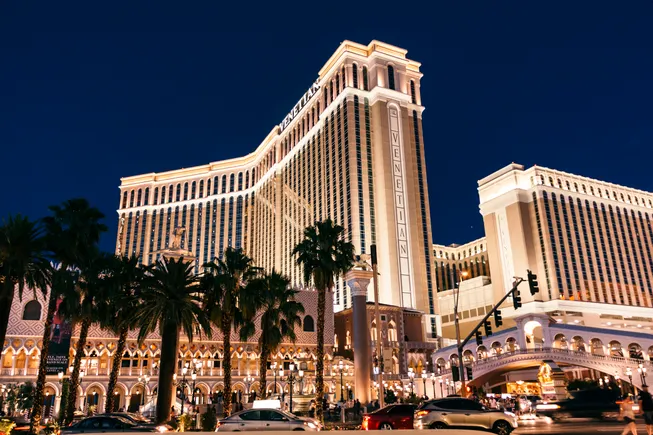
The U.S. Equal Employment Opportunity Commission (EEOC) has filed a significant lawsuit against Bouchon, a renowned restaurant within The Venetian Las Vegas, and its parent entity, the Thomas Keller Restaurant Group. Court documents detail severe allegations, asserting that both Bouchon and the broader restaurant group systematically failed to intervene or take appropriate preventative measures against ongoing sexual harassment targeting both male and female employees, even after multiple complaints were lodged. This legal action, brought forth by the federal agency tasked with enforcing civil rights laws in the workplace, casts a spotlight on persistent challenges within the high-pressure environment of the hospitality industry.
The lawsuit underscores a critical issue that continues to plague the restaurant sector: the alleged failure of employers to create and maintain a safe working environment free from harassment. The specific allegations against Bouchon and the Thomas Keller Restaurant Group claim a pattern of neglect, where reported instances of sexual harassment were not adequately addressed, allowing the hostile conditions to persist. Such inaction, if proven, represents a serious breach of employer responsibility under federal law, potentially exposing employees to continued abuse and fostering a culture where misconduct goes unchecked. The case, published on July 16, 2026, serves as a stark reminder of the ongoing legal and ethical battles against workplace discrimination and harassment across the nation.
The Allegations Unveiled
According to the EEOC’s complaint, the alleged sexual harassment at Bouchon in Las Vegas was not an isolated incident but rather an "ongoing" issue, suggesting a sustained period during which employees endured inappropriate conduct. The court documents specifically point to the restaurant group’s alleged failure to implement effective measures to prevent the harassment and, crucially, to take decisive action to stop it once complaints were brought to their attention. This alleged inaction is central to the EEOC’s case, as employers are legally obligated to investigate claims of harassment promptly and thoroughly, and to take remedial steps to ensure such behavior ceases.
The lawsuit does not detail specific acts of harassment in the initial brief, but the broad language "sexual harassment of male and female employees" indicates a wide scope of alleged misconduct affecting multiple genders. This highlights the pervasive nature that sexual harassment can take, impacting individuals irrespective of their gender identity. The alleged failure to act by a prominent restaurant group, particularly one associated with a culinary figure of Thomas Keller’s stature, sends a powerful message about accountability across all tiers of the industry. The outcome of this lawsuit could set a precedent for how high-profile restaurant groups are held responsible for workplace conduct and their adherence to federal anti-discrimination statutes.
Background of Thomas Keller Restaurant Group
The Thomas Keller Restaurant Group operates some of the most acclaimed dining establishments in the world, including The French Laundry in Yountville, California, and Per Se in New York City, both multi-Michelin-starred restaurants celebrated for their exquisite cuisine and impeccable service. Bouchon, with locations in Las Vegas, Beverly Hills, and Yountville, is Keller’s venture into more accessible, yet still high-quality, French bistro fare. The group has built a reputation synonymous with culinary excellence, meticulous attention to detail, and a commitment to elevated dining experiences.
Given this esteemed background, the allegations of systemic workplace sexual harassment are particularly jarring. A group known for its pursuit of perfection in the kitchen and dining room is now facing scrutiny over its alleged failure to maintain a safe and respectful environment for its employees. This contrast between public image and internal reality is often a common thread in high-profile harassment cases, where the prestige of an organization can sometimes mask underlying cultural issues. The lawsuit could significantly impact the reputation of Thomas Keller and his culinary empire, potentially affecting employee morale, customer perception, and future talent acquisition.
The EEOC’s Mandate and Commitment
The Equal Employment Opportunity Commission is a federal agency established to administer and enforce civil rights laws against workplace discrimination. Its primary mission is to prevent and remedy unlawful employment discrimination and to advance equal opportunity in the workplace. The EEOC enforces Title VII of the Civil Rights Act of 1964, which prohibits discrimination based on race, color, religion, sex (including sexual orientation and gender identity), and national origin. Sexual harassment falls under the umbrella of sex discrimination.
In response to the Bouchon lawsuit, the EEOC has reiterated its firm commitment to eradicating workplace sexual harassment, particularly within the restaurant and hospitality sectors. The director of the EEOC’s Las Vegas local office emphasized the agency’s dedication to this cause. Concurrently, Beatriz Andre, acting regional attorney for the EEOC’s Los Angeles district, highlighted that such harassment "continues to be a problem in the restaurant industry," underscoring the systemic nature of the issue. These statements reinforce the EEOC’s strategic enforcement priorities, which include addressing systemic harassment cases and protecting vulnerable workers.
The agency’s actions are not merely about punitive measures but also about driving broader change. By pursuing legal action against prominent entities, the EEOC aims to send a clear message to all employers about their responsibilities to foster safe and respectful workplaces. This commitment extends beyond individual cases to advocating for comprehensive anti-harassment policies, effective training, and robust complaint mechanisms across entire industries.
A Pattern of Concerns: The Restaurant Industry’s Harassment Crisis
The lawsuit against Bouchon is not an isolated incident but rather fits into a broader pattern of sexual harassment complaints and legal actions within the restaurant and hospitality industries. These sectors are often cited as particularly vulnerable to harassment due to several factors:
- Hierarchical Structures: Traditional kitchen brigades and front-of-house management often feature rigid hierarchies, which can create power imbalances exploited by those in authority.
- Late Hours and Alcohol: The prevalence of late-night shifts and the presence of alcohol (both consumed by patrons and sometimes staff) can lower inhibitions and create environments where inappropriate behavior is more likely to occur or be tolerated.
- High Turnover and Informal Cultures: High employee turnover rates can hinder the development of stable, respectful workplace cultures and make consistent anti-harassment training challenging. Some restaurant cultures, particularly in kitchens, are historically characterized by aggressive language and behavior, which can blur lines regarding acceptable conduct.
- Customer Interaction: Employees, especially front-of-house staff, are often expected to tolerate inappropriate behavior from customers to maintain service standards, which can normalize harassment from any source.
Statistical data consistently supports the EEOC’s assertion that harassment is a pervasive issue in these industries. Studies by organizations like the Restaurant Opportunities Center United (ROC United) and others have frequently reported that restaurant workers, particularly women, experience high rates of sexual harassment. For instance, a 2014 study found that restaurant workers file more sexual harassment claims with the EEOC than employees in any other industry. The vulnerability of young workers and minors in these environments is also a significant concern, as they may be less aware of their rights or less empowered to speak up against abuse.

Recent settlements reached by the EEOC further illustrate this ongoing crisis. Earlier this year, Florida’s River’s Edge Bar and Grill agreed to pay $65,000 to settle a lawsuit involving allegations of the co-owner touching employees without consent and propositioning them, coupled with ignored complaints and retaliation. Just last week, another Florida establishment, Joey’s New York Pizzeria and Italian Restaurant, settled an EEOC sexual harassment lawsuit for $55,000. In June, Missouri’s Miller’s Grill also paid a financial penalty to resolve allegations of workplace sexual assault. These cases, occurring in rapid succession, highlight the EEOC’s intensified focus on combating harassment in the food service sector and the tangible consequences for employers who fail to uphold their legal obligations.
Vulnerability of Minors in the Workplace
A particularly concerning aspect often highlighted in discussions of restaurant industry harassment is the unique vulnerability of minor employees. Young workers, often new to the professional environment, may lack the experience, confidence, or knowledge of their rights to effectively address harassment. They might be more susceptible to manipulation by older or more powerful colleagues and managers and may fear retaliation, such as job loss, which could impact their early career or financial independence.
EEOC officials have previously spoken to HR Dive about the pervasiveness of this kind of harassment affecting minors, urging employers to confront it directly rather than "trying to stick your head in the sand and pretend it’s not there." This advice underscores the critical need for employers to implement enhanced safeguards, provide explicit training on harassment prevention tailored for young workers, and establish clear, accessible, and safe reporting mechanisms that minors feel comfortable using. The potential for long-term psychological and professional harm to young victims makes this an area requiring utmost vigilance and proactive intervention from employers.
Chronology of Events (Inferred)
While specific dates regarding the alleged harassment at Bouchon are not detailed in the brief, the nature of the allegations allows for an inferred chronology of events leading to the EEOC lawsuit:
- Pre-2026: Alleged "ongoing sexual harassment" begins at Bouchon in Las Vegas, impacting both male and female employees over an unspecified period.
- Throughout the period of harassment: Employees allegedly make internal complaints to management or human resources within Bouchon or the Thomas Keller Restaurant Group. These complaints are, as alleged, either ignored or not acted upon effectively, allowing the harassment to continue.
- Initial EEOC Charges: One or more affected employees, finding no resolution internally, file formal charges of discrimination with the EEOC’s Las Vegas local office.
- EEOC Investigation: The EEOC conducts an investigation into the allegations, gathering evidence, interviewing witnesses, and reviewing relevant company policies and records. This investigative phase can last several months to over a year.
- Conciliation Attempts: Following its investigation, if the EEOC finds reasonable cause that discrimination occurred, it attempts to resolve the matter through conciliation, a voluntary settlement process with the employer.
- Lawsuit Filing (Prior to July 16, 2026): When conciliation efforts fail, or if the EEOC determines that litigation is necessary to achieve justice, the agency files a federal lawsuit against Bouchon and the Thomas Keller Restaurant Group. This formal filing would have occurred sometime before the article’s publication date.
- Public Announcement (July 16, 2026): The EEOC publicly announces the lawsuit, leading to media coverage and broader awareness of the allegations.
Official Reactions and Silence
As of the article’s publication, the EEOC has been vocal through its Las Vegas local office director and the acting regional attorney for its Los Angeles district, reiterating their commitment to ending workplace sexual harassment in the restaurant and hospitality industries. Their statements emphasize the agency’s resolve and the systemic nature of the problem, positioning the lawsuit as part of a broader effort to enforce federal anti-discrimination laws.
Conversely, representatives for Bouchon or the Thomas Keller Restaurant Group have not yet issued a public statement directly addressing the specifics of the lawsuit. In cases of ongoing litigation, it is common for defendants to refrain from public commentary, opting instead to respond through legal channels. However, the absence of an immediate public response from a group of Keller’s prominence often leaves a void that can be filled by speculation, potentially amplifying negative perceptions. Any future statement from the Thomas Keller Restaurant Group will be closely scrutinized for its acknowledgment of the allegations, its commitment to workplace safety, and any proposed remedial actions.

Implications for the Industry and Employers
The lawsuit against Bouchon and the Thomas Keller Restaurant Group carries significant implications, not only for the defendants but for the entire restaurant and hospitality industries:
- Legal and Financial Ramifications: If found liable, the restaurant group could face substantial financial penalties, including compensatory and punitive damages for the victims, as well as back pay and legal fees. Beyond the direct costs, the legal process itself is expensive and time-consuming.
- Reputational Damage: For a brand built on excellence and meticulous standards, allegations of systemic harassment can inflict severe damage on its reputation. This can lead to a loss of customer trust, difficulty in attracting and retaining top talent, and a decline in brand value.
- Call for Systemic Change: The EEOC’s proactive stance and the high-profile nature of this case serve as a powerful catalyst for other employers in the industry to review and strengthen their own anti-harassment policies and practices. This includes:
- Clear, Comprehensive Policies: Implementing unambiguous policies against all forms of harassment and discrimination.
- Effective Training: Providing regular, mandatory, and engaging training for all employees, from entry-level staff to senior management, on what constitutes harassment, how to prevent it, and how to report it. Training should also cover bystander intervention.
- Accessible Reporting Mechanisms: Establishing multiple, clearly communicated, and confidential channels for employees to report harassment without fear of retaliation. This could include anonymous hotlines, HR contacts, and external reporting options.
- Prompt and Thorough Investigations: Ensuring that all complaints are investigated immediately, impartially, and thoroughly, with appropriate remedial action taken when misconduct is confirmed.
- Leadership Accountability: Holding managers and leaders accountable for fostering a respectful workplace culture and for their response to harassment complaints.
- Protection Against Retaliation: Explicitly prohibiting retaliation against individuals who report harassment or participate in investigations, and vigorously enforcing this prohibition.
The lawsuit highlights that merely having policies in place is insufficient; employers must actively enforce them and cultivate a culture where harassment is not tolerated and victims feel safe coming forward. The long-term impact of such cases extends beyond the courtroom, influencing industry standards, corporate governance, and the overall perception of workplace safety in a sector vital to the global economy.
In conclusion, the EEOC’s lawsuit against Bouchon and the Thomas Keller Restaurant Group is more than just a legal battle; it is a critical moment for the restaurant industry. It underscores the federal government’s unwavering commitment to combating workplace sexual harassment and serves as a poignant reminder that even the most prestigious establishments are not immune to scrutiny when employee safety and legal compliance are compromised. The outcome of this case will undoubtedly reverberate throughout the hospitality sector, pushing for greater accountability and demanding a renewed focus on creating truly respectful and equitable workplaces for all.