The escalating costs of fuel, transportation, housing, and food are outpacing wage growth, creating a significant financial strain on American workers, families, and retirees. This economic reality, far from being a mere episodic blip, points to a deeper, systemic issue that has been decades in the making. The stark disconnect between rising expenses and stagnant incomes raises critical questions about the sustainability of current economic policies and corporate practices.

The Soaring Cost of Everyday Life
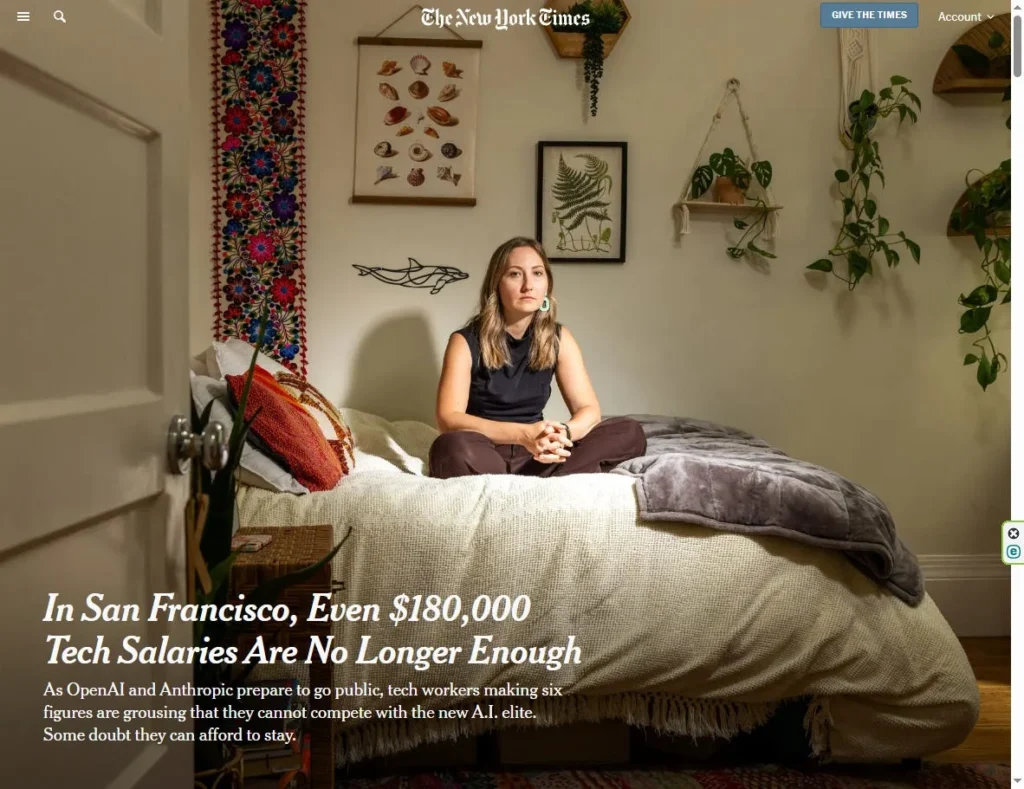
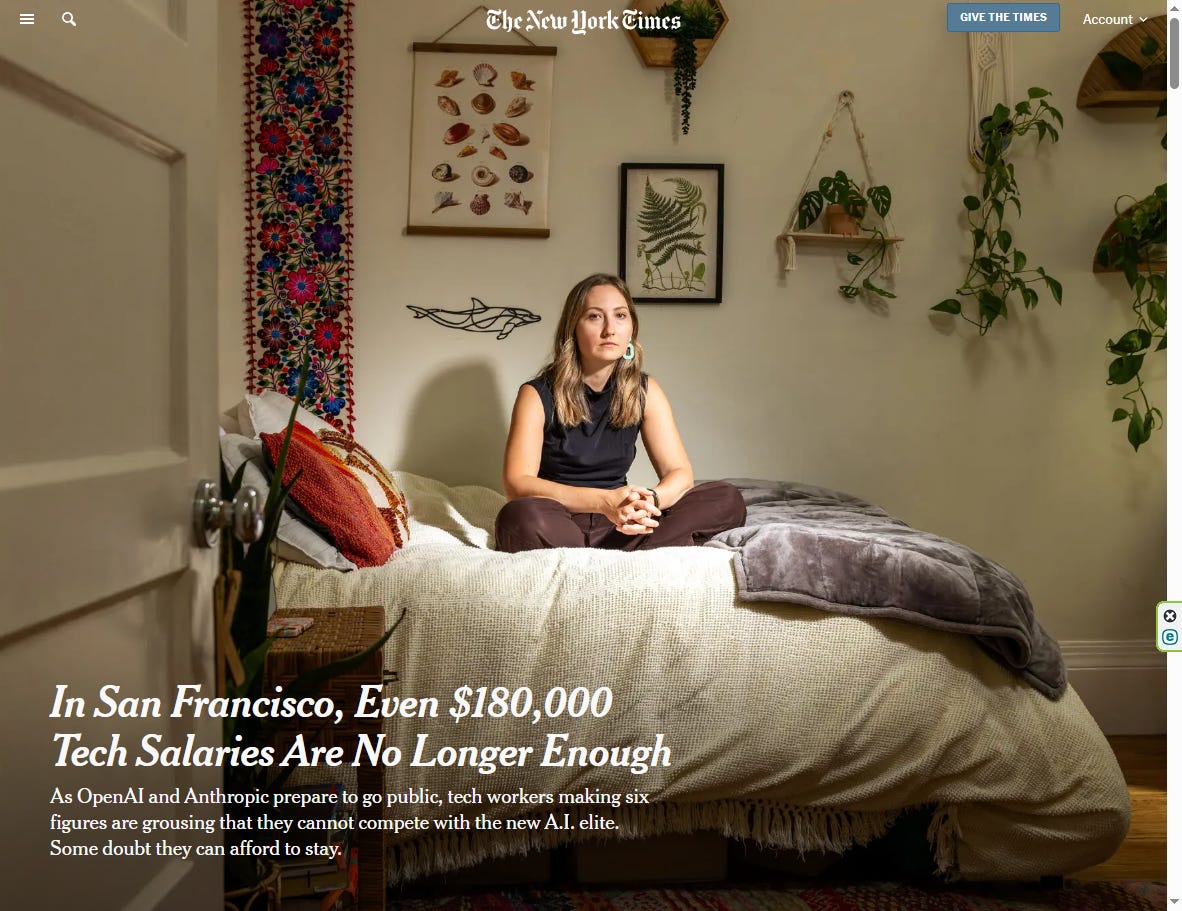
Recent data paints a grim picture of the economic challenges facing average Americans. In the technology hub of San Francisco, a household income of $370,000 is reportedly insufficient to secure a comfortable apartment, highlighting the extreme pressures in high-cost urban centers. This issue, however, is not confined to a few select cities; it is a national phenomenon.
For the year 2026 to date, the price of gasoline has surged by 24%, energy costs by 27%, and airline fares by 26%. Even essential goods like fruits and vegetables have seen a 5% increase. In stark contrast, average private sector wages have risen by a mere 3.5% during the same period. This disparity means that the purchasing power of the average worker is diminishing, making it increasingly difficult to afford basic necessities.
This economic squeeze has a profound impact across demographics. For working families, it translates into difficult choices between essential expenses. For retirees, it can mean a return to the workforce, a phenomenon dubbed "unretirement." According to AARP, 7% of retirees have actively chosen to "unretire" in 2026, with an additional 12% of seniors returning to work. The primary driver for this trend is the inability to cover rising costs for healthcare, food, and energy on fixed incomes.
A Historical Perspective: Decades of Stagnant Purchasing Power
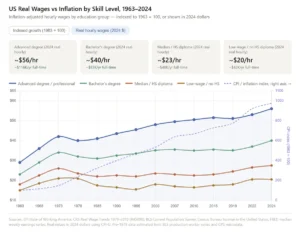
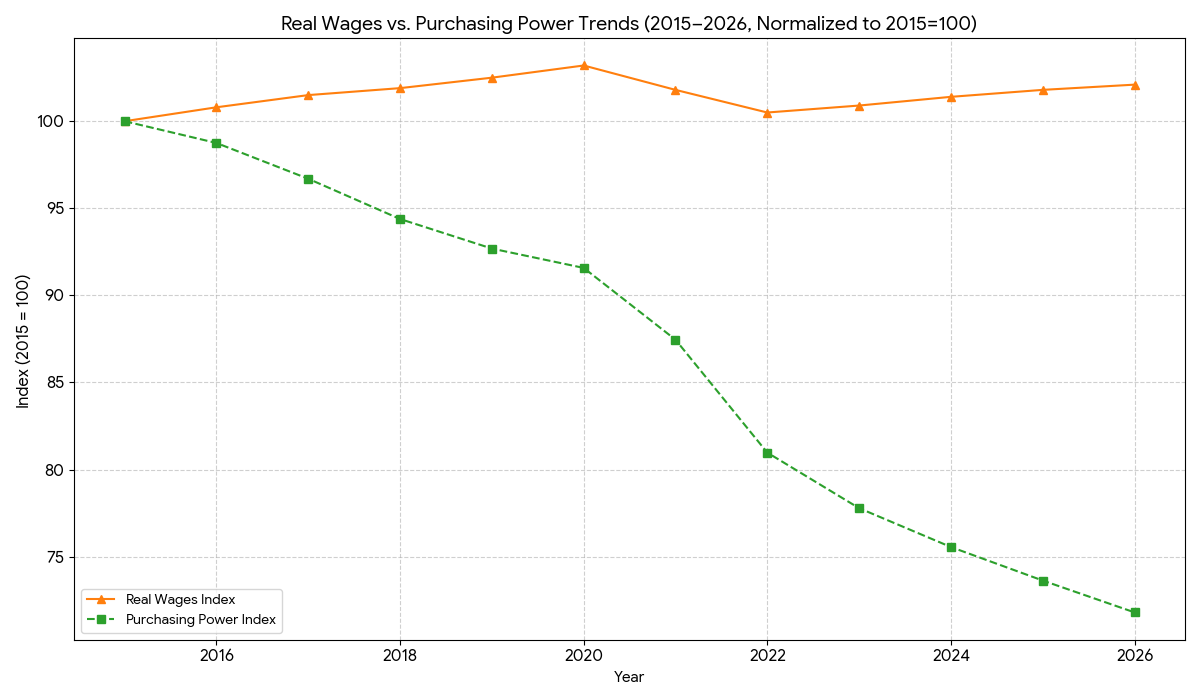
To understand the current predicament, it is crucial to examine the historical trajectory of wages and inflation in the United States. A deep dive into economic data reveals that real (inflation-adjusted) purchasing power has been steadily declining for decades. Over the past twenty to thirty years, real wages have seen only marginal increases, while inflation has experienced significant surges.
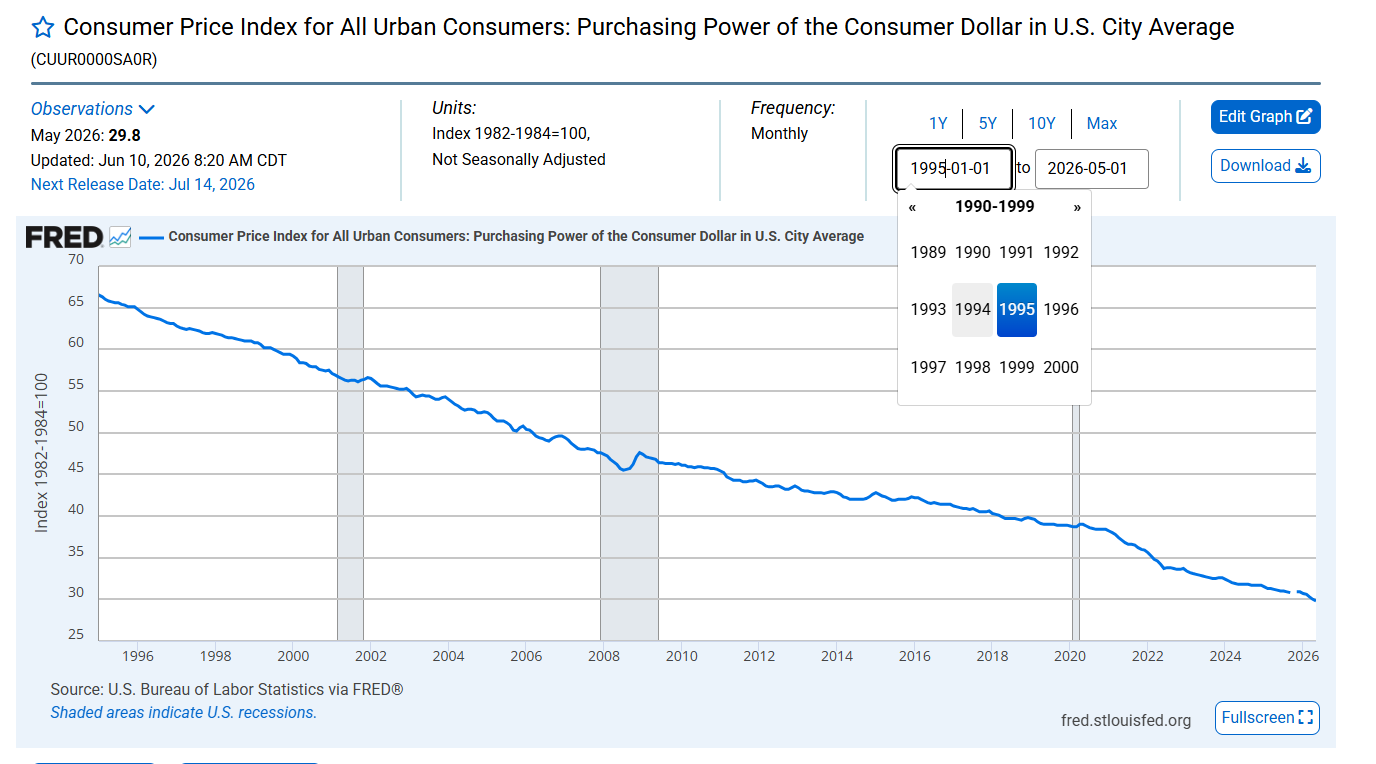
This trend is visually represented by charts illustrating "Purchasing Power" over time. Data from sources like the St. Louis Fed consistently shows a substantial decrease in purchasing power, with some analyses indicating a drop of nearly 40% over comparable periods. This sustained erosion of real income means that despite nominal wage increases, individuals are effectively earning less in terms of what their money can buy.
Productivity Growth Diverges from Wage Gains
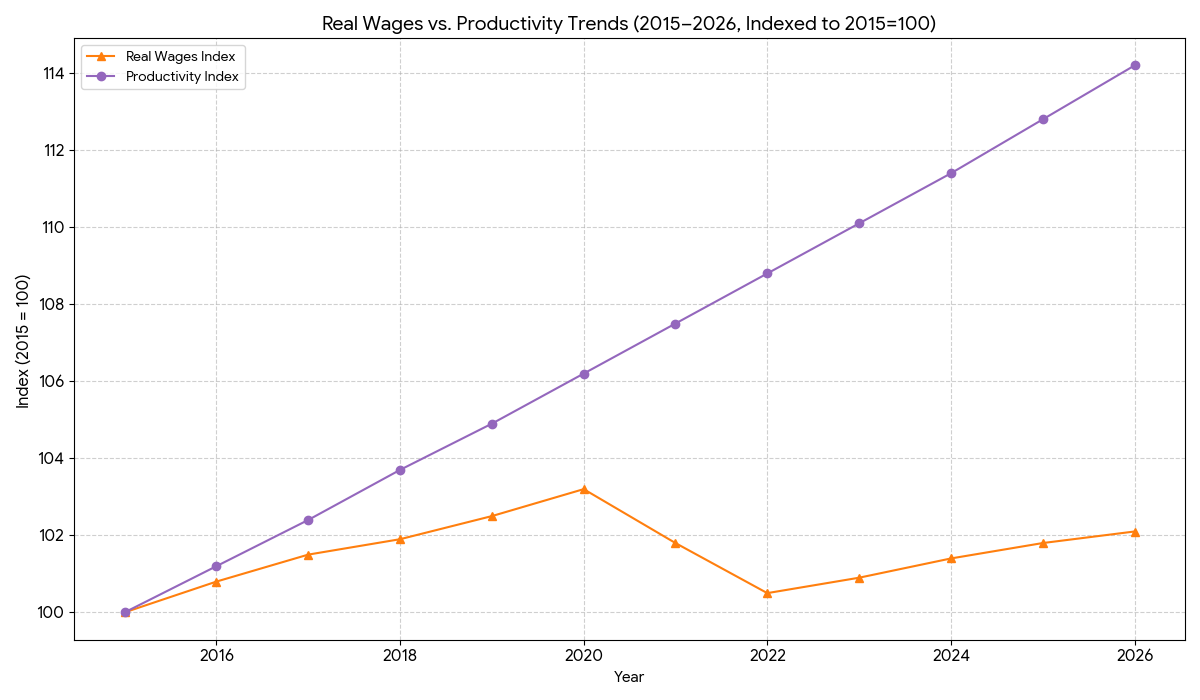
A key factor contributing to this widening gap is the disconnect between economic productivity and wage growth. Over the past three decades, technological advancements, particularly in the tech sector where the author is an observer, have led to significant increases in productivity. However, the benefits of this enhanced productivity have not been equitably distributed.
Economic data indicates a substantial divergence between the growth in productivity and the growth in wages. While productivity has seen considerable gains, wage increases have remained comparatively stagnant. This suggests that a significant portion of the economic gains generated by increased efficiency and technological innovation has been retained by corporate leadership and shareholders, rather than being passed on to the workforce in the form of higher compensation.
The Beneficiaries of Productivity Gains: Shareholders and Executives
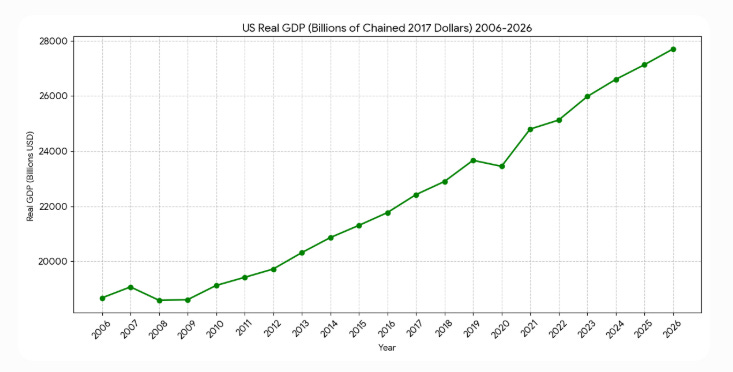
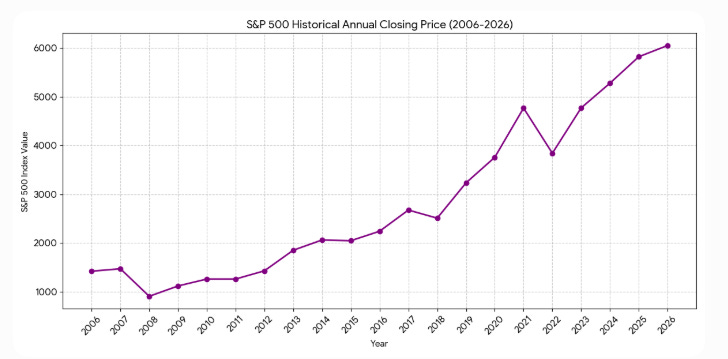
The question then arises: where has the economic value generated by productivity gone? Analysis suggests that these gains have primarily flowed to shareholders through increased profits, dividends, and stock market appreciation. This phenomenon has been exacerbated by corporate strategies that prioritize capital investment, automation, and shareholder returns over wage increases and employee benefits.
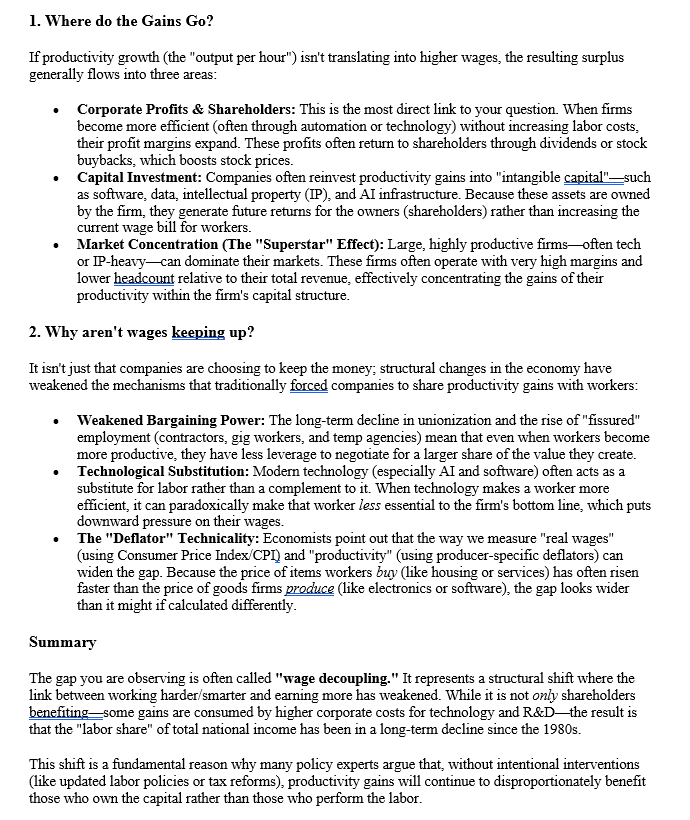
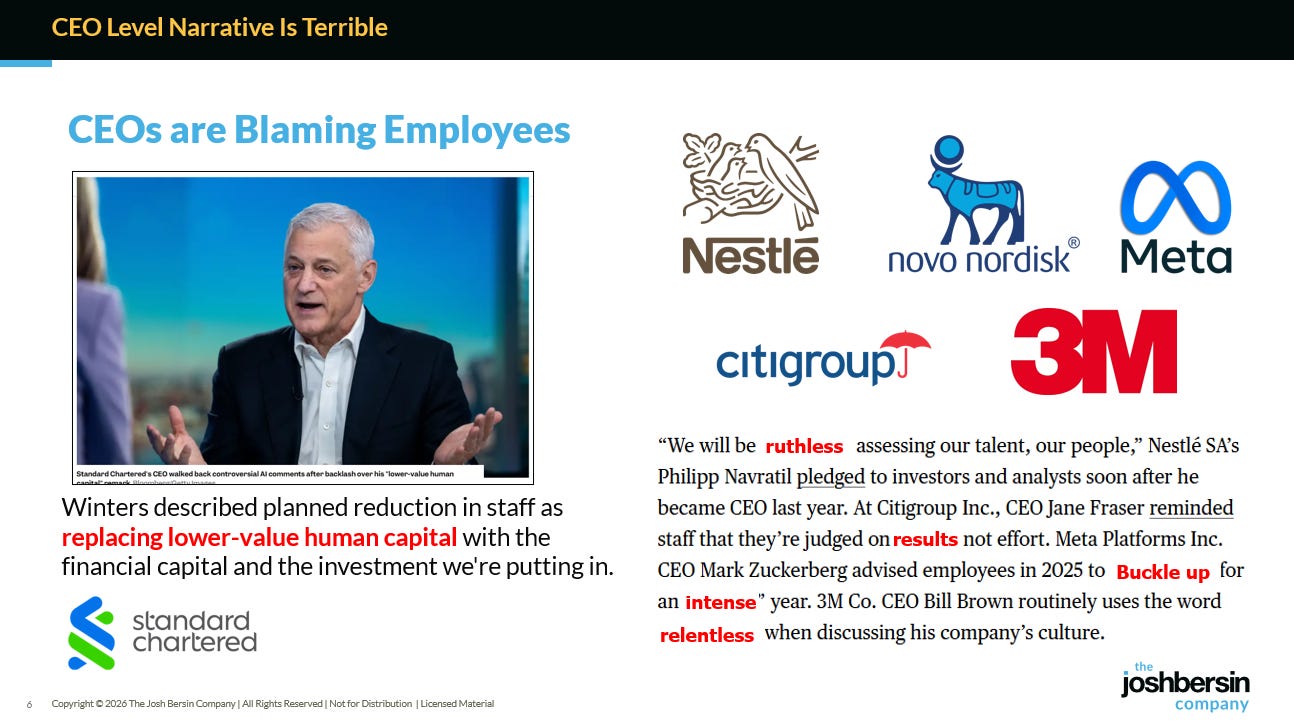
The rise of the MBA and business schools advocating for a shareholder-centric approach has been cited as a contributing factor to this shift in corporate focus. The pursuit of maximizing shareholder value has, in many instances, led to a minimization of labor costs, with companies investing heavily in technology and automation rather than in their human capital. This strategy, while potentially boosting short-term profits and stock prices, has contributed to the stagnation of wages for the majority of the workforce.
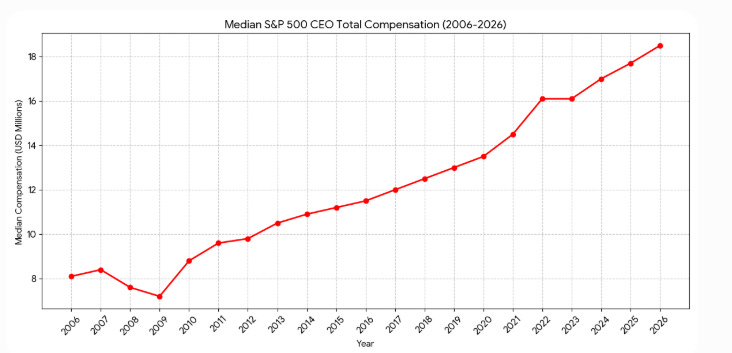
The impact on executive compensation is also notable. As stock prices have risen, driven in part by these cost-saving measures and productivity gains, executive pay has seen a dramatic increase. Reports indicate that the average compensation for Chief Human Resources Officers (CHROs) has reached millions of dollars, with CEO compensation often being two to three times higher. This stark contrast in compensation between top executives and the average worker underscores the unequal distribution of economic rewards.
Stagnant Minimum Wage and Declining Union Power
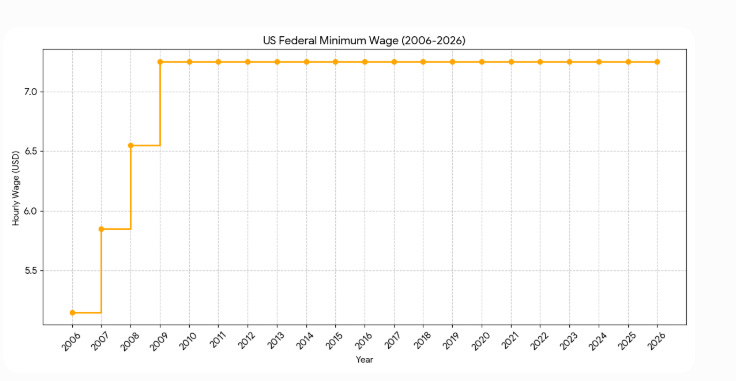
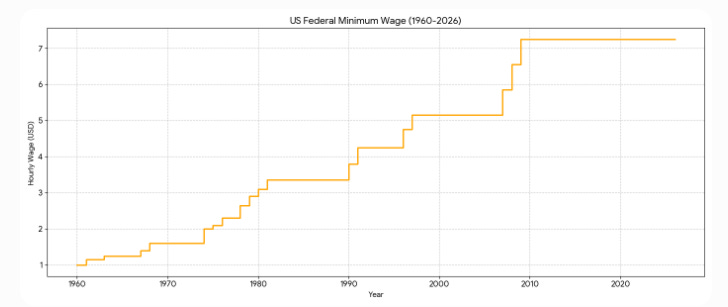
Compounding the issue of wage stagnation is the Federal minimum wage, which has remained largely unchanged for an extended period. The current federal minimum wage, hovering around $7.50 per hour, has lost significant value due to inflation, rendering it insufficient to provide a livable income. This policy choice, often rooted in concerns about job creation and economic competitiveness, has effectively limited the earning potential of the lowest-paid workers.
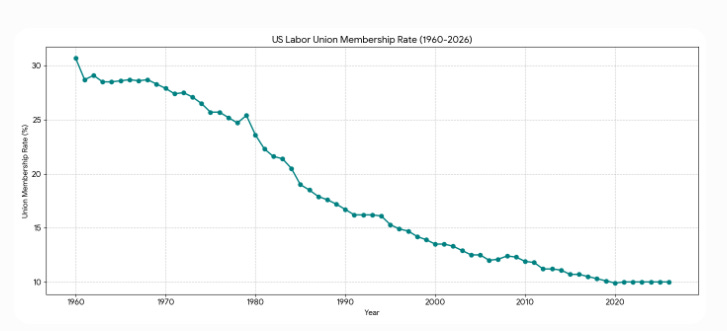
Historically, the minimum wage in the U.S. saw steady increases until the 1980s. The policy shift initiated in that era, partly in response to the inflation of the late 1970s, led to a period where wage growth for lower-income earners began to lag. This was further accompanied by a decline in labor union participation.
The erosion of union power, driven by a combination of policy changes and corporate strategies, has weakened the collective bargaining ability of workers. The promotion of individualistic "self-managing" wealth-building strategies, such as 401(k) plans, while offering some benefits, has not compensated for the loss of collective power that unions historically provided in advocating for better wages and working conditions.
The Persistent Challenge of Inflation
Adding to the economic pressure is the current inflationary environment. While inflation has multiple drivers, including supply chain disruptions, geopolitical events, and energy price shocks, its persistence has become a significant concern. For years, inflation rates have remained above the Federal Reserve’s target of 2%, leading to a sustained increase in the cost of everyday goods and services.
This prolonged period of elevated inflation has become normalized for many consumers. The expectation of continuous price increases for groceries, gas, housing, and utilities has ingrained itself into the economic psyche. This "inflationary expectation" is further fueled by factors such as increased AI capital spending, ongoing shortages of critical components like chips, and rising costs in various sectors of the economy. Consequently, employee satisfaction with their current pay levels has reached a low not seen since 2014, according to the Federal Reserve Bank of New York.
The combination of stagnant wage growth, the erosion of the minimum wage’s real value, declining union influence, and persistent inflation has created a systemic affordability crisis. This crisis is manifesting in increased speculation in alternative assets like cryptocurrency and a general sense of financial precariousness among a broad segment of the population.
What Can Business Leaders Do? A Call for Investment in Human Capital
While broader economic and governmental policies play a significant role in shaping the affordability landscape, businesses themselves have a critical responsibility and an opportunity to address this widening chasm. As leaders and advisors to large employers, insights into microeconomic principles suggest actionable strategies.
-
Reframe Labor as an Investment, Not an Expense:
The fundamental mindset shift required is to view employees not as a cost to be minimized, but as an investment to be nurtured. Human capital is the only true "appreciating asset" within an organization. By investing in training, development, and fair compensation, companies can unlock greater potential from their workforce, leading to enhanced customer service and overall business performance. Research, including findings presented in the book "Irresistible," demonstrates that organizations prioritizing employee well-being and fair pay often achieve superior growth. -
Prioritize Upskilling and Redeployment Over Headcount Reduction:
In the age of AI, the focus should shift from headcount reduction to enhancing the capabilities of the existing workforce. While AI can boost efficiency and scale, its true value lies in augmenting human potential, creating "superworkers" rather than simply eliminating jobs. Companies should invest in upskilling and reskilling their employees, enabling them to adapt to new technologies and evolving roles. This approach fosters "Talent Density," where each individual is viewed as a highly skilled, continuously learning asset. The "4R model" (Recruit, Retain, Reskill, Redesign) offers a framework for this strategic talent management, promoting enablement for growth and enabling wage increases for all.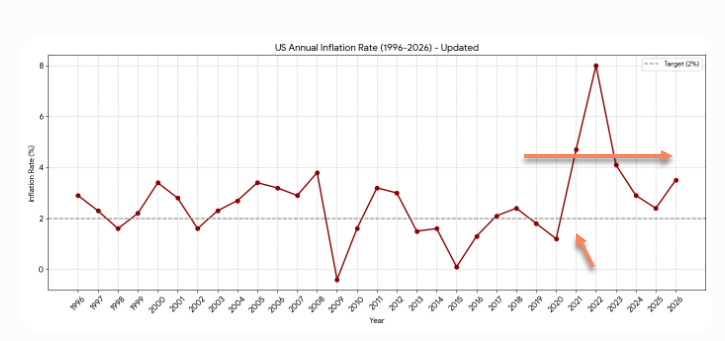
-
Embrace Internal Mobility to Foster Dynamism and Invest in People:
The cost of employee turnover, encompassing recruitment, hiring, and onboarding, can be substantial. Building a culture of internal mobility allows companies to redeploy talent effectively, improving engagement and freeing up resources that can be invested in higher wages. Studies by PwC indicate that companies with strong internal mobility programs are significantly more profitable over the long term. This strategy not only retains valuable institutional knowledge but also contributes to a more dynamic and adaptable workforce. -
Fair and Above-Average Compensation Drives Profitability:
Companies that offer fair, competitive, or above-average wages often experience higher profitability. This is demonstrated by the success of companies like Costco, which invests heavily in its employees. The resulting benefits include attracting and retaining top talent, fostering employee loyalty, and reducing the significant costs associated with high turnover. When employees feel valued and are compensated appropriately, they are more likely to be engaged, productive, and committed to the organization’s success. This approach can create a virtuous cycle where increased employee satisfaction leads to better customer service and, ultimately, stronger financial performance.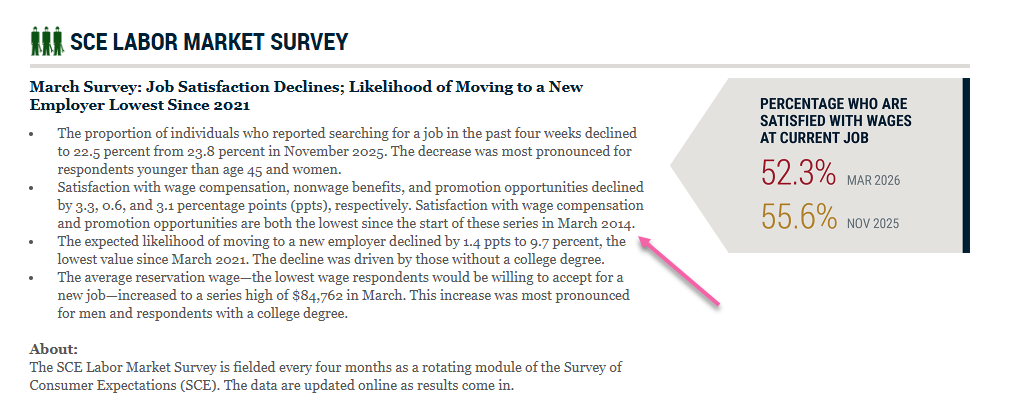
Conclusion: A Shared Responsibility for Affordability
The current economic landscape, characterized by soaring living costs and stagnant wages, is not solely attributable to external factors. Employers play a crucial role in shaping the affordability of life for their employees. By adopting a more human-centric approach to compensation and talent management, businesses can not only alleviate financial pressures on their workforce but also drive long-term growth and profitability. The principles of fair wages, investment in human capital, and internal talent development offer a pathway towards a more equitable and sustainable economic future. As the saying goes, "If you think the cost of employees is too high, consider the cost of their absence." The time for employers to invest in their people is now, recognizing that a well-compensated and engaged workforce is a fundamental driver of economic prosperity.